

Field note 15 Favourite Roads
Nobody should do this one alone.
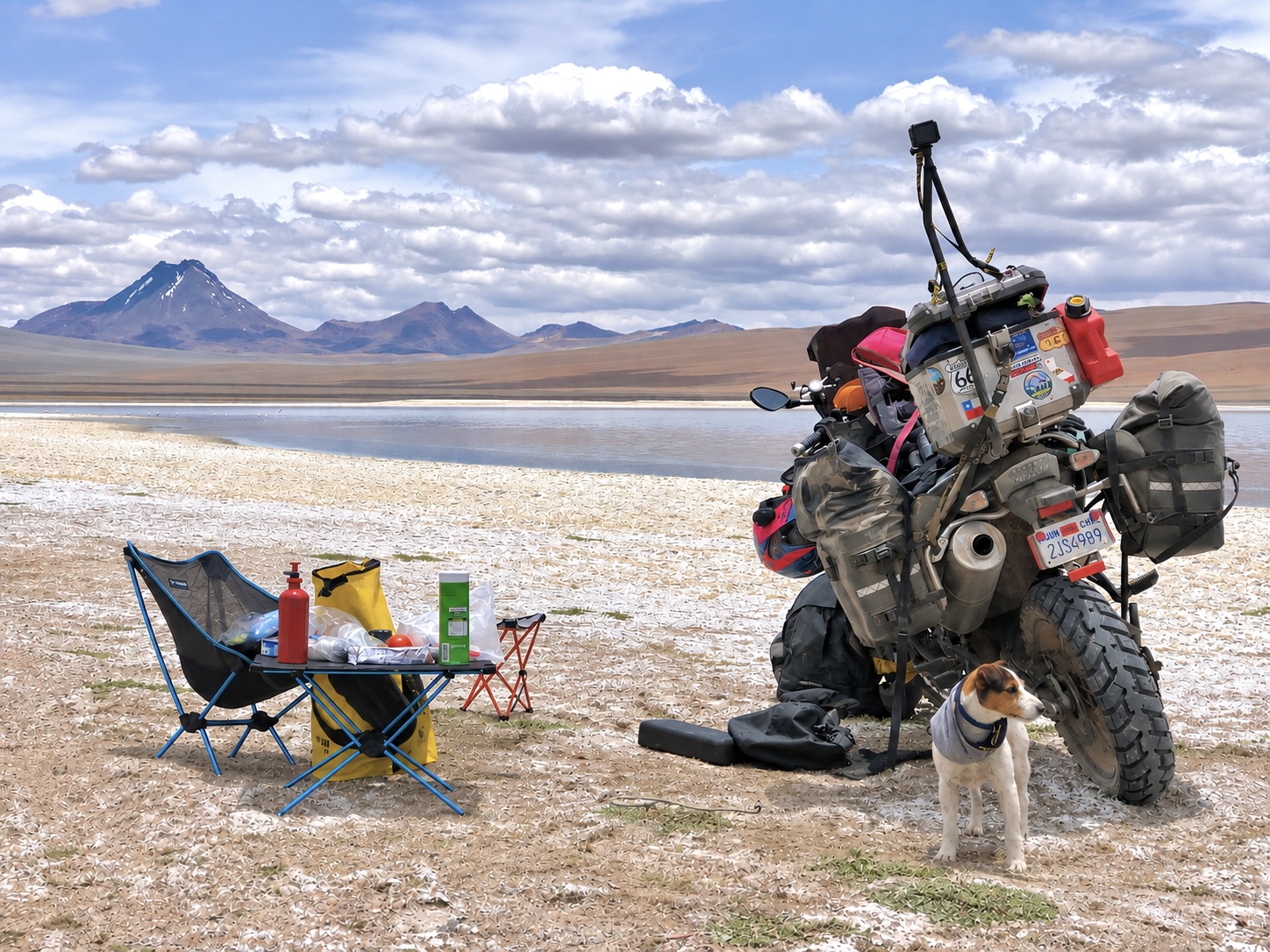
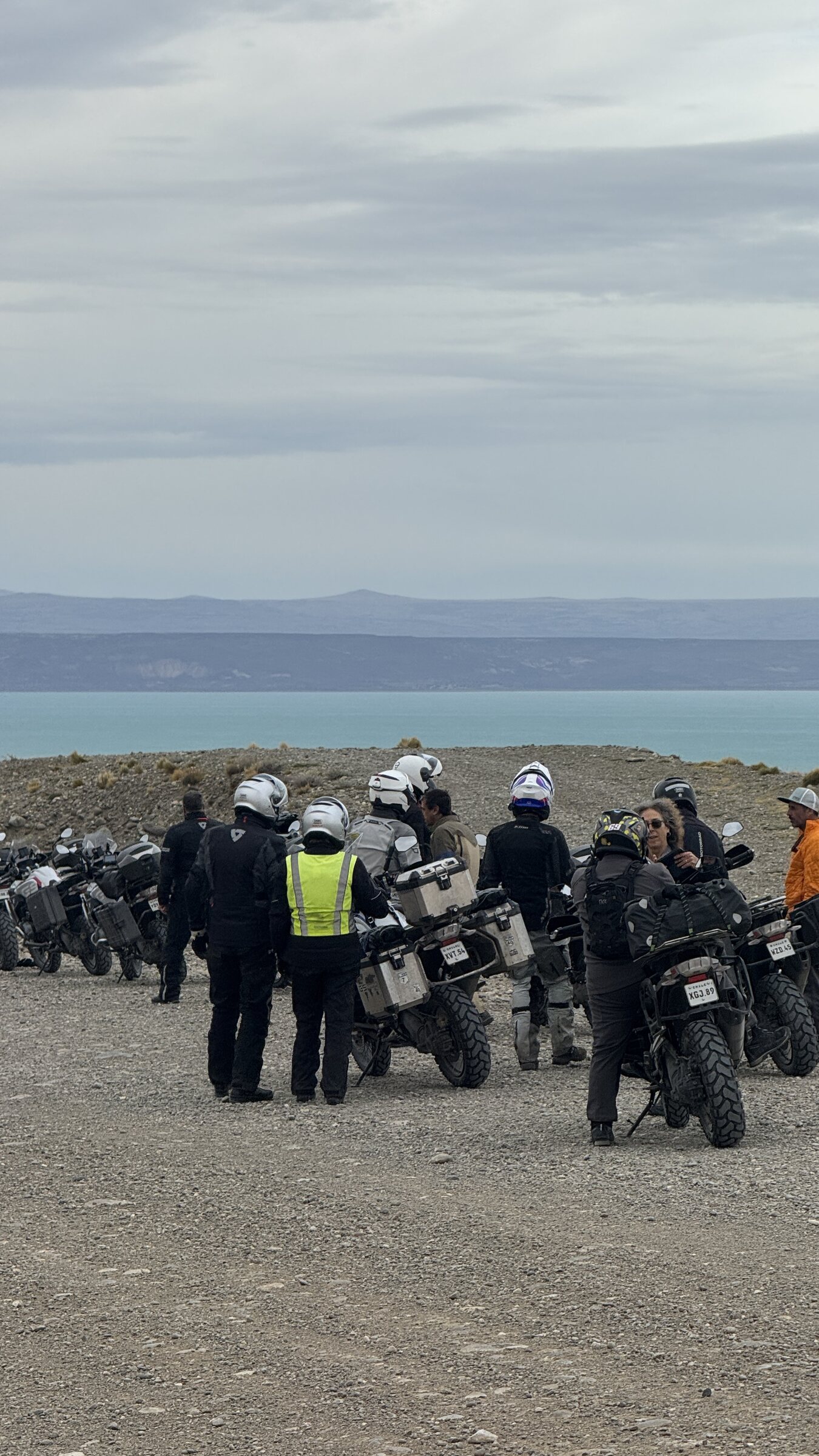
Punta Gallinas is the northernmost point of South America, at the end of a desert where tracks cross, disappear and reappear. I reached it in a convoy of strangers who had become a team.From Rodrigo's road archive
Favourite Roads
Nobody should do this one alone.
Punta Gallinas is the northernmost point of South America, at the end of a desert where tracks cross, disappear and reappear. I reached it in a convoy of strangers who had become a team.
- 12°NThe top of the continent
- 5Vehicles in the convoy
- 2 daysFrom Uribia
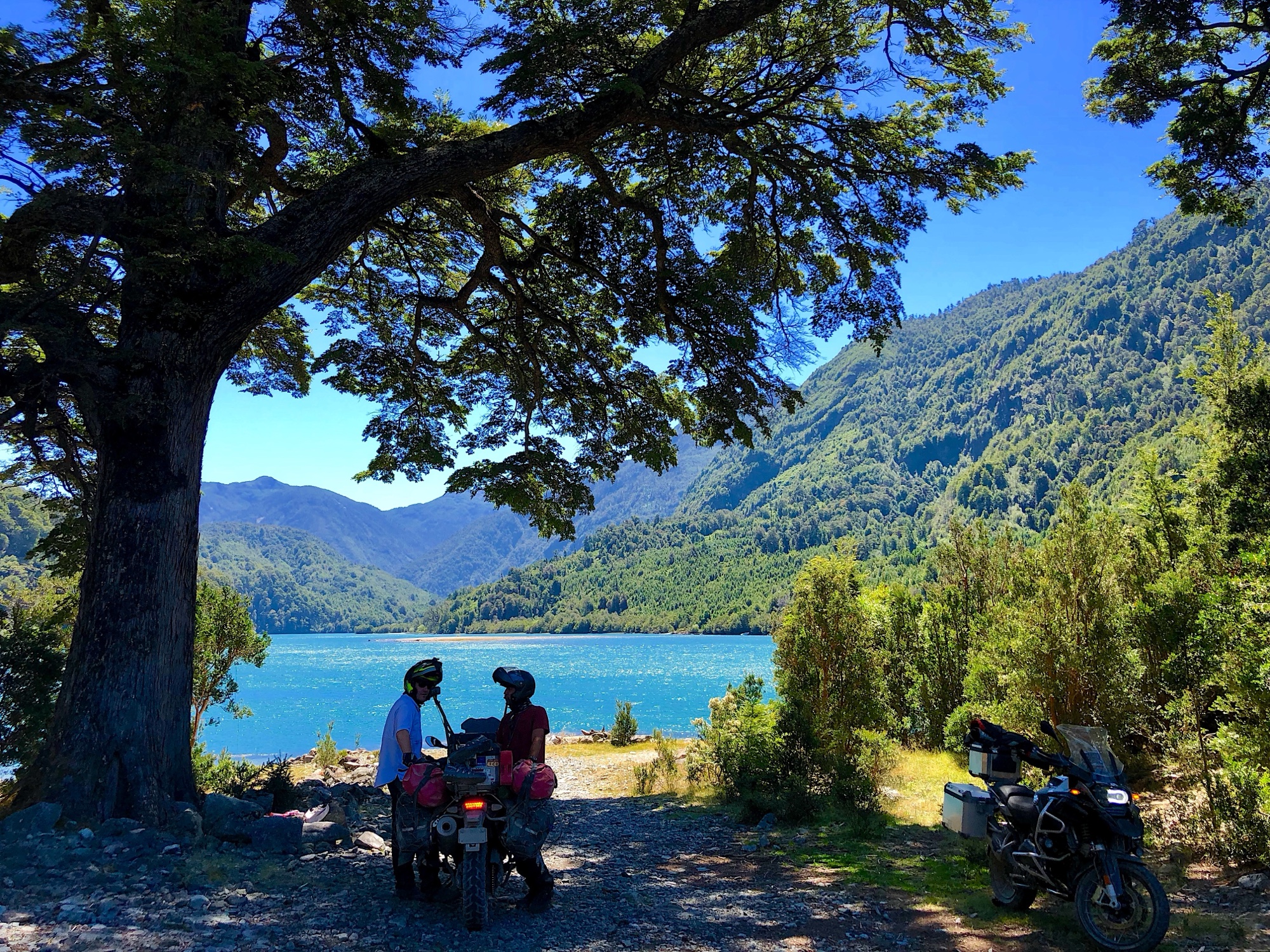
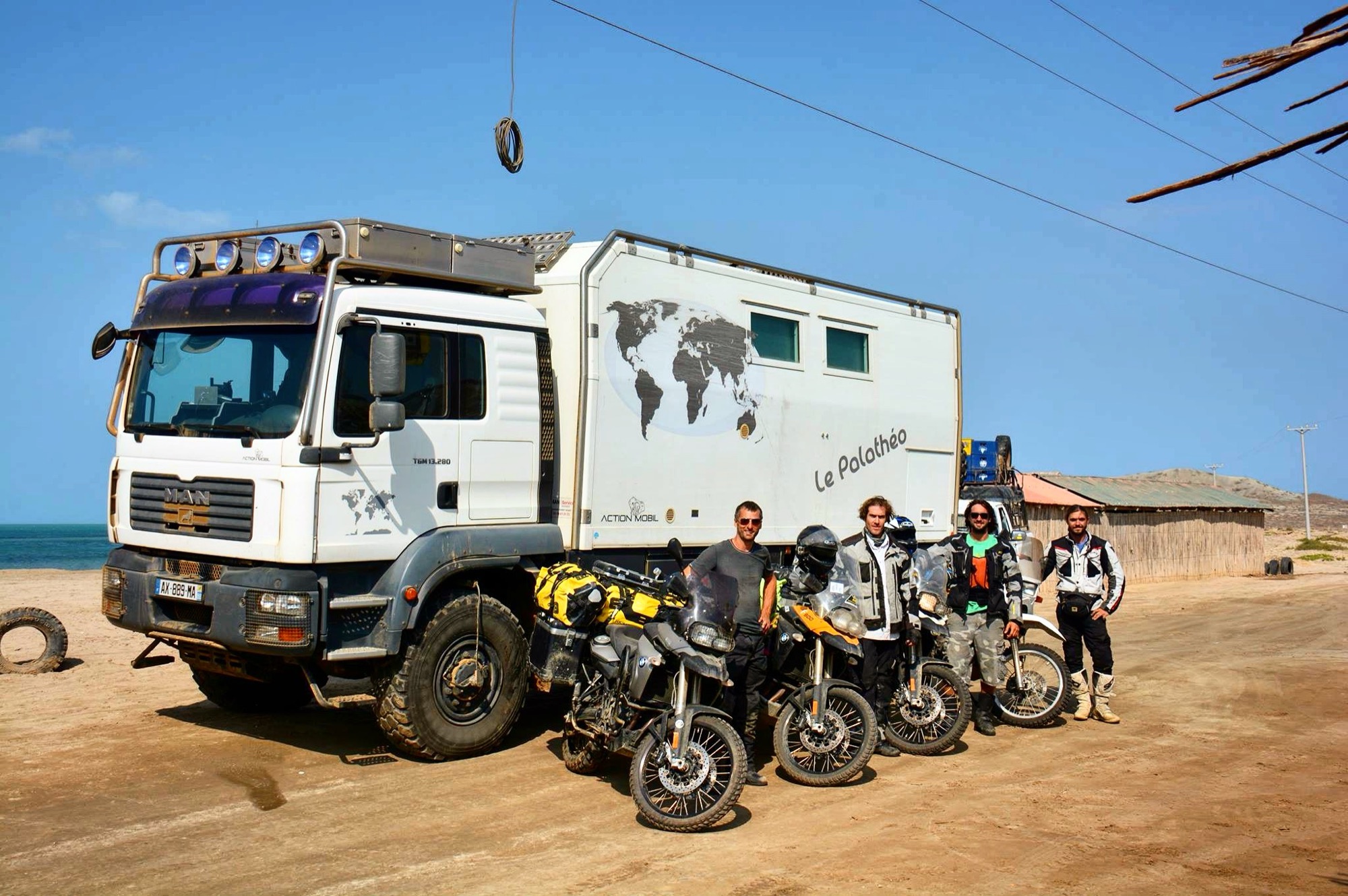
15.1The team that formed on the way: a French couple travelling with their son in an overland truck, and the riders who had met days earlier. None of them would have crossed in the same shape alone.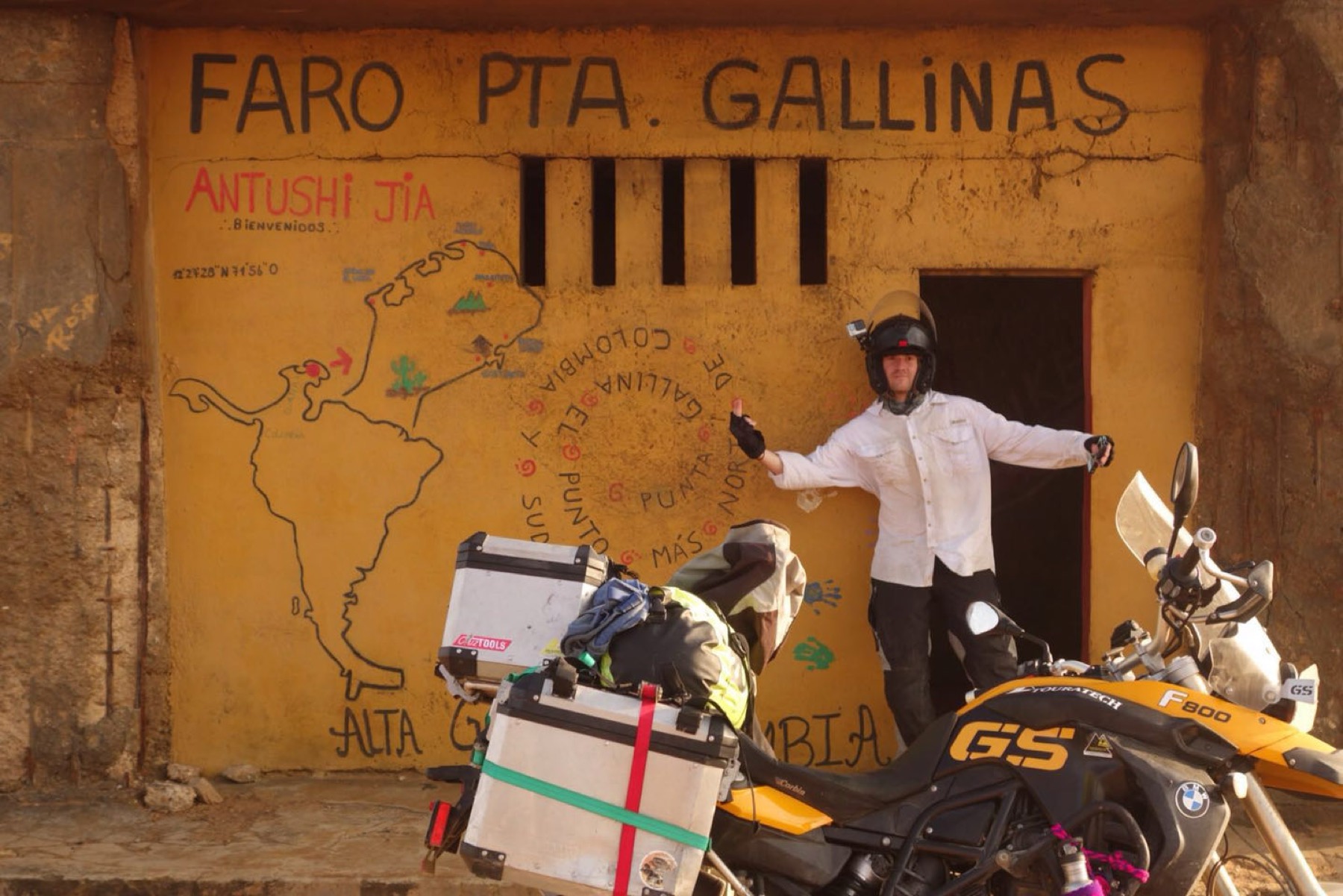 15.2The Guajira desert, in the far north of Colombia. Punta Gallinas is the northernmost point of South America.
Punta Gallinas is the northernmost point of South America, at the end of a desert where tracks cross, disappear and reappear. I reached it in a convoy of strangers who had become a team.
The northernmost point of South America.
Getting to Punta Gallinas was compulsory on a journey through the Americas, and it is known for the difficulty of its off road tracks and the hostility of the desert around them.
It is a genuine adventure and not one to attempt alone. Even with GPS it is easy to get lost out there, where tracks intersect, vanish and reappear. There is also the question of public order: this desert is the border between Colombia and Venezuela, two countries with serious social and economic problems, and in overlander language it counts as a hot spot.
What the road kept
Some roads are not ridden alone.
The Guajira is the clearest case I have of a route where the group is the equipment. Five vehicles that had never met before got each other across, and none of them would have made it in the same shape on their own.Strangers who became a team.
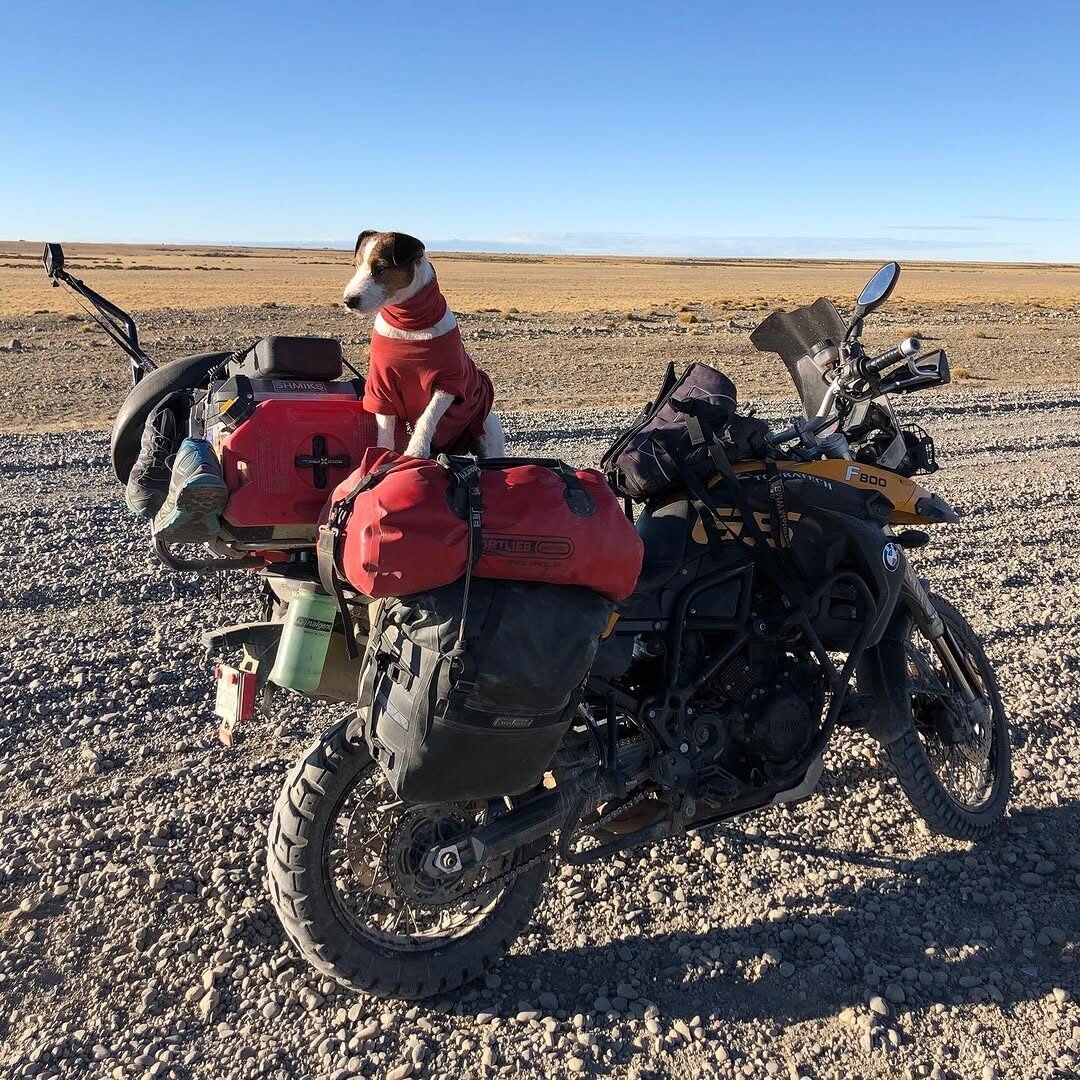
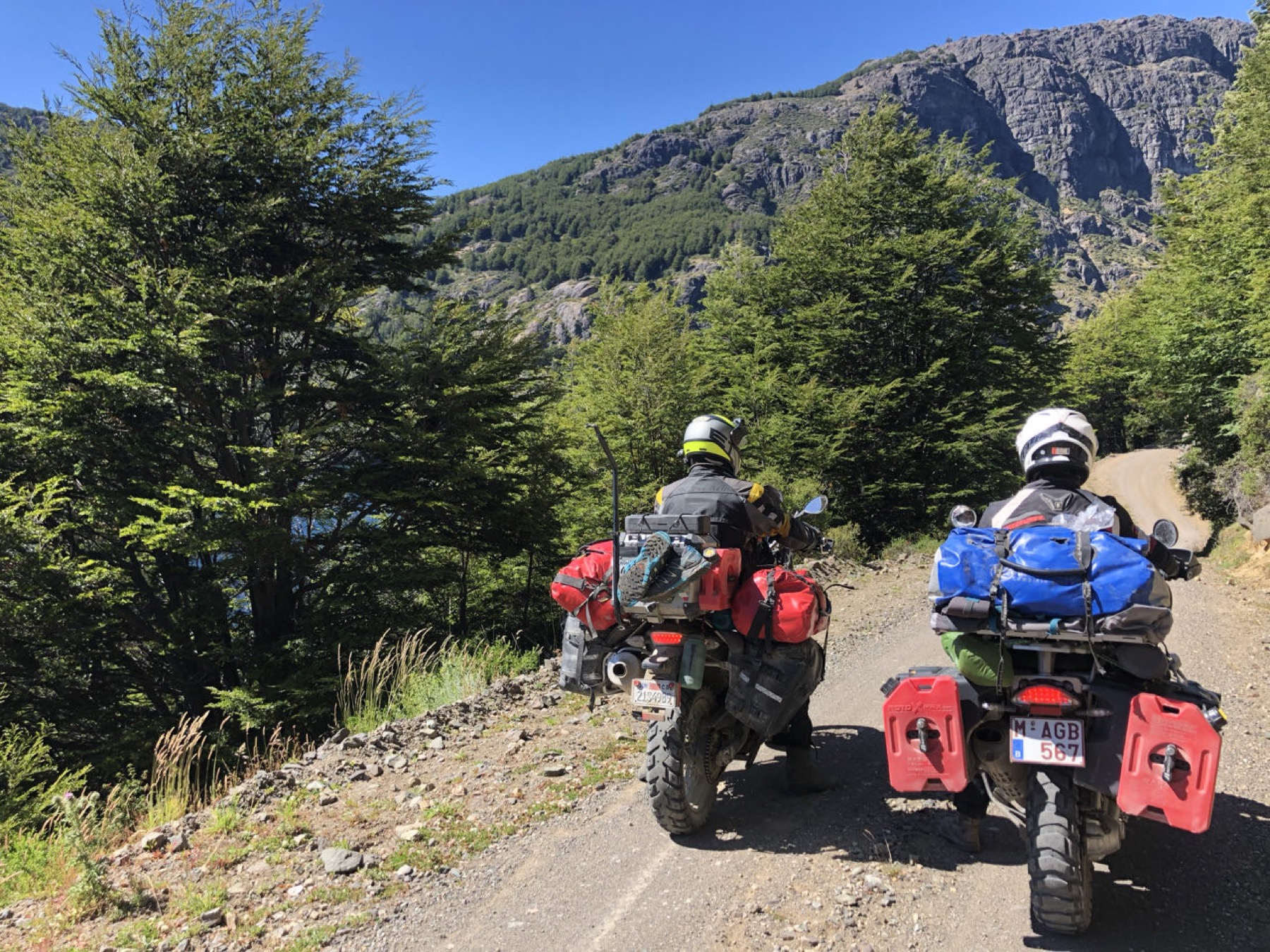
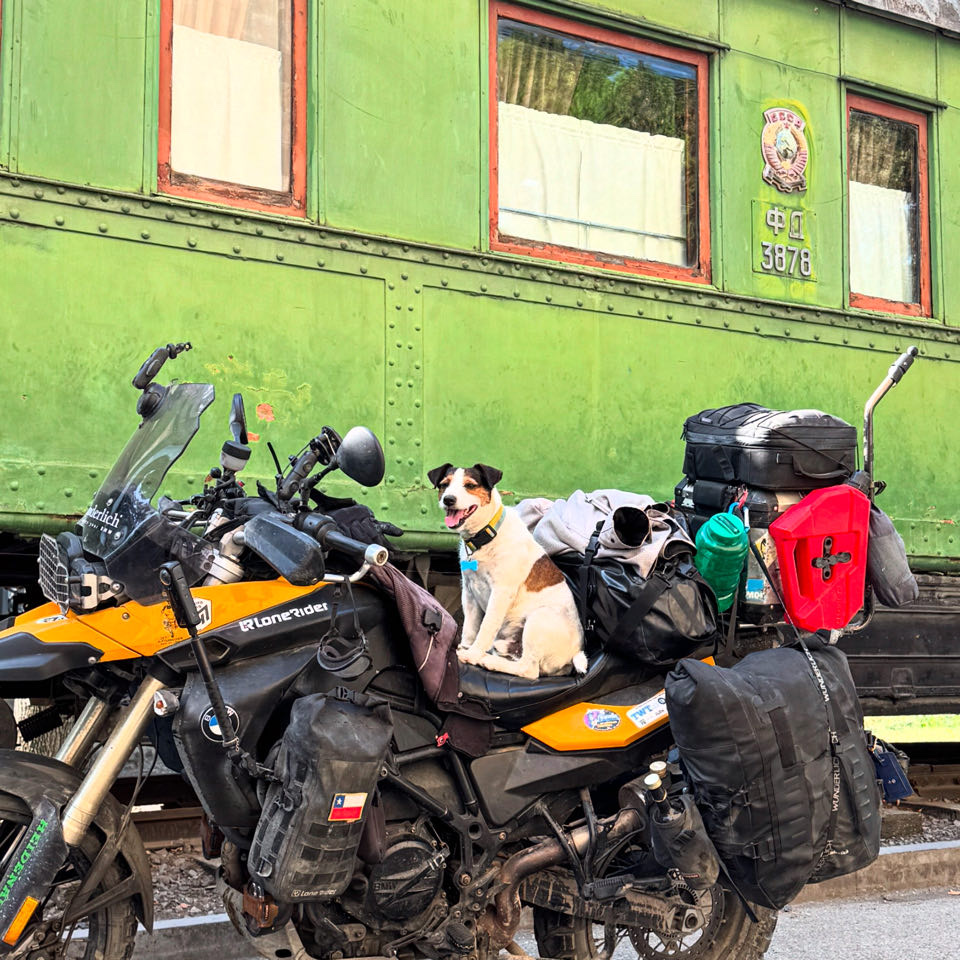
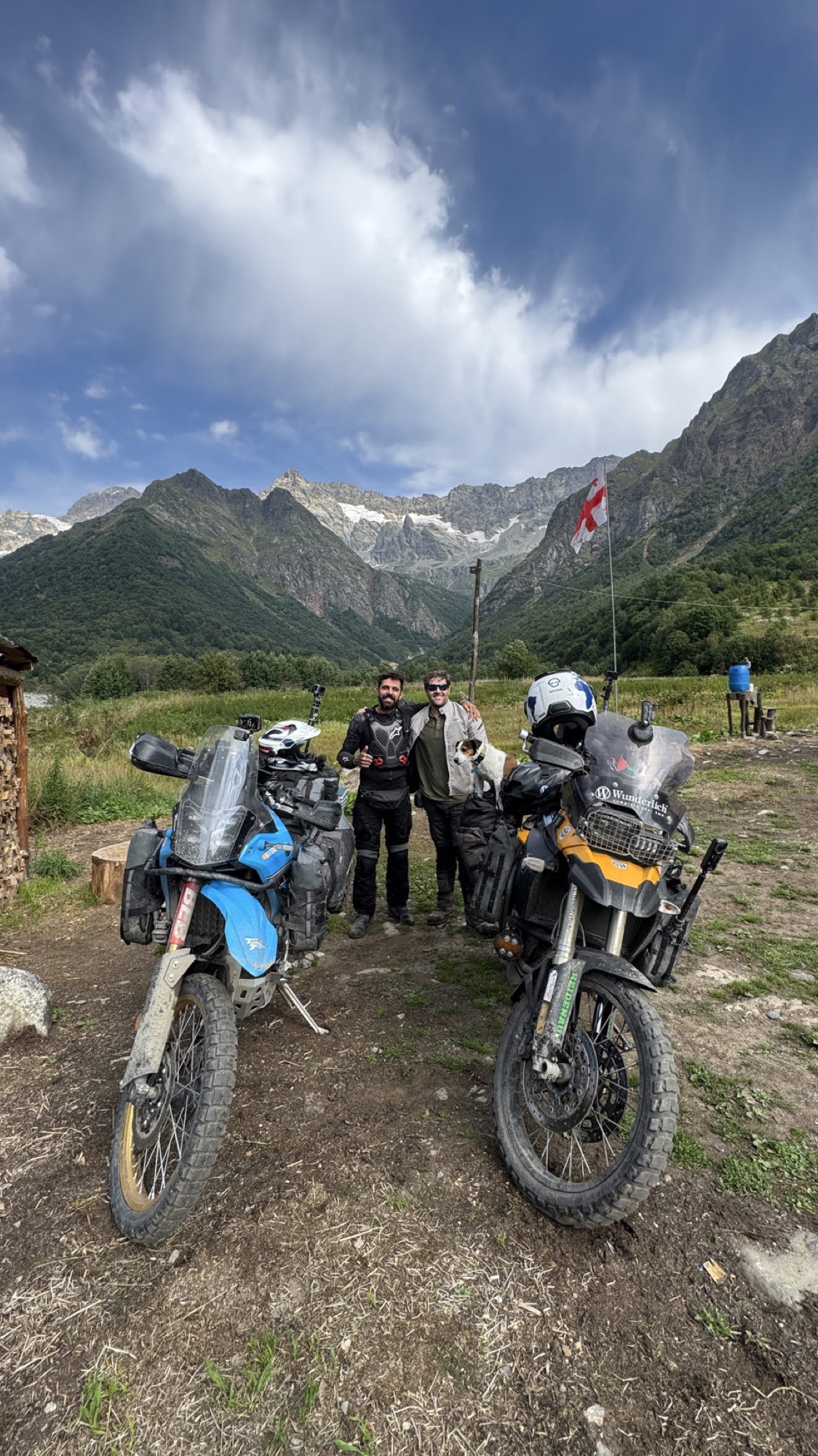
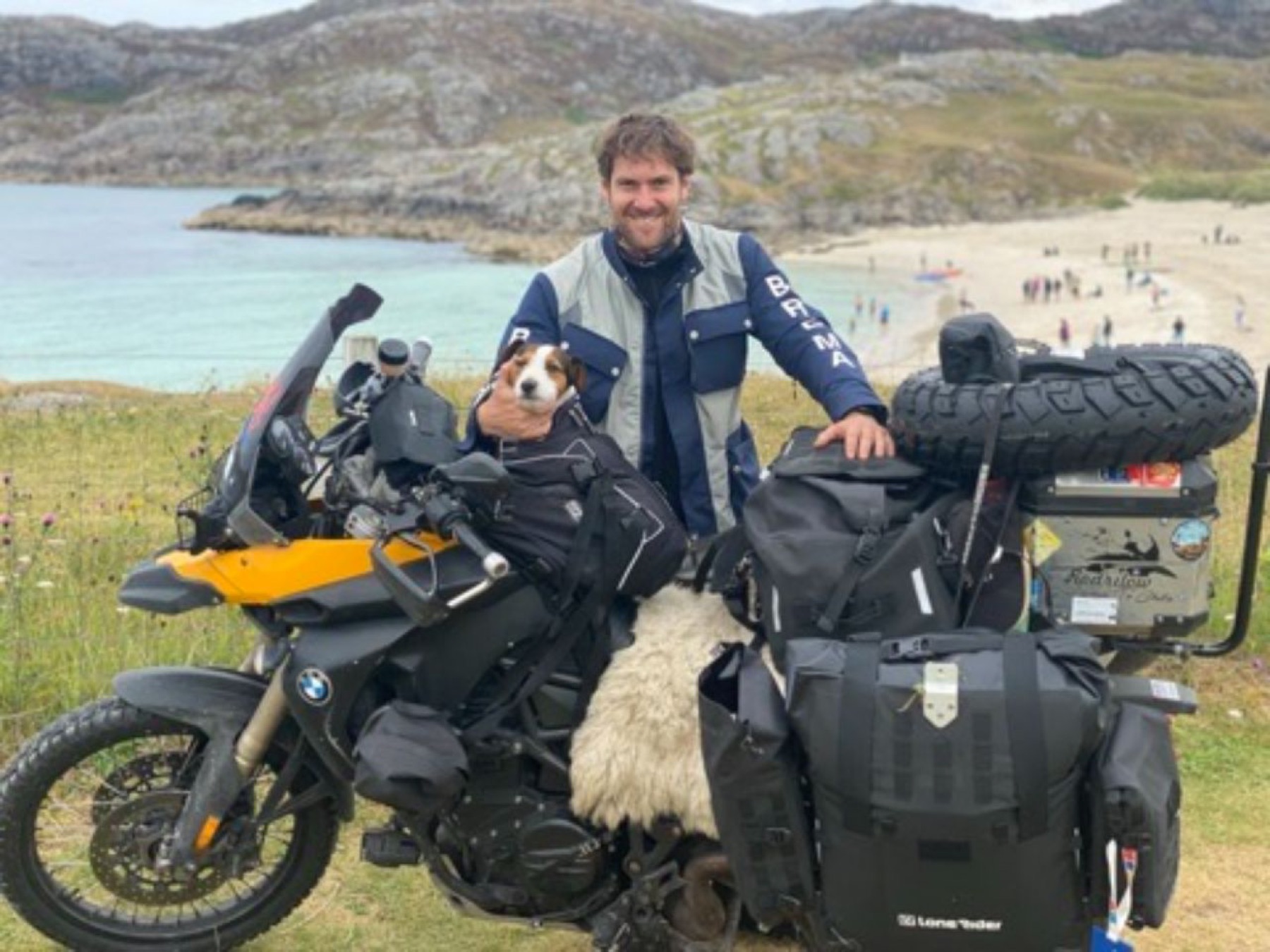
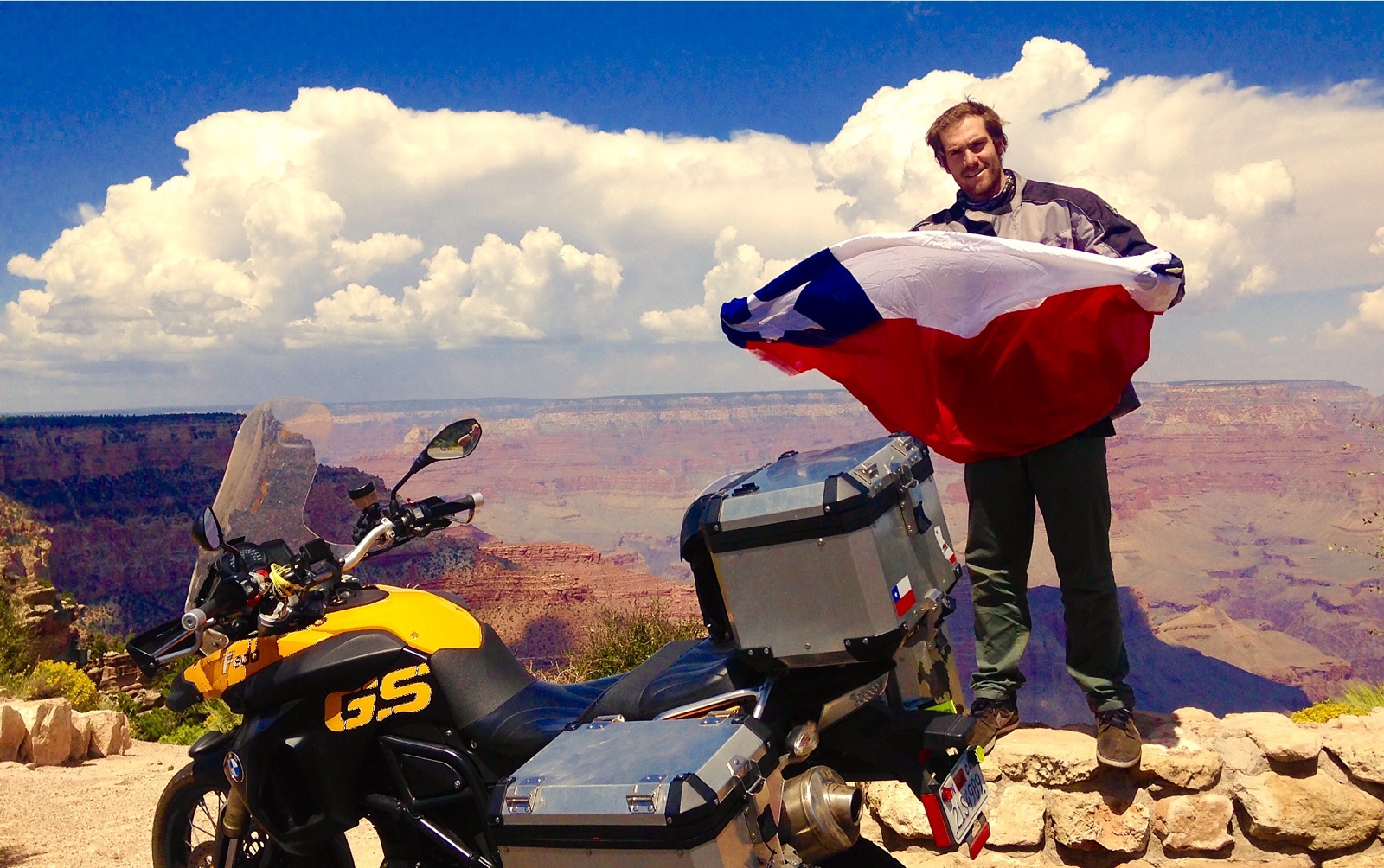
I had been riding for a week with a Canadian couple on the same F800 GS, who carried kitesurfing equipment and chose their destinations by the wind. An American expert in off road joined on a well equipped Suzuki 650. Last to arrive was a French couple travelling with their son in an overland truck.
The start was Uribia, the last place with fuel and supplies before the desert. After that there are no stations, only people selling fuel by the litre from jars, if you find them.
Children with ropes, and dunes that stop a loaded bike.
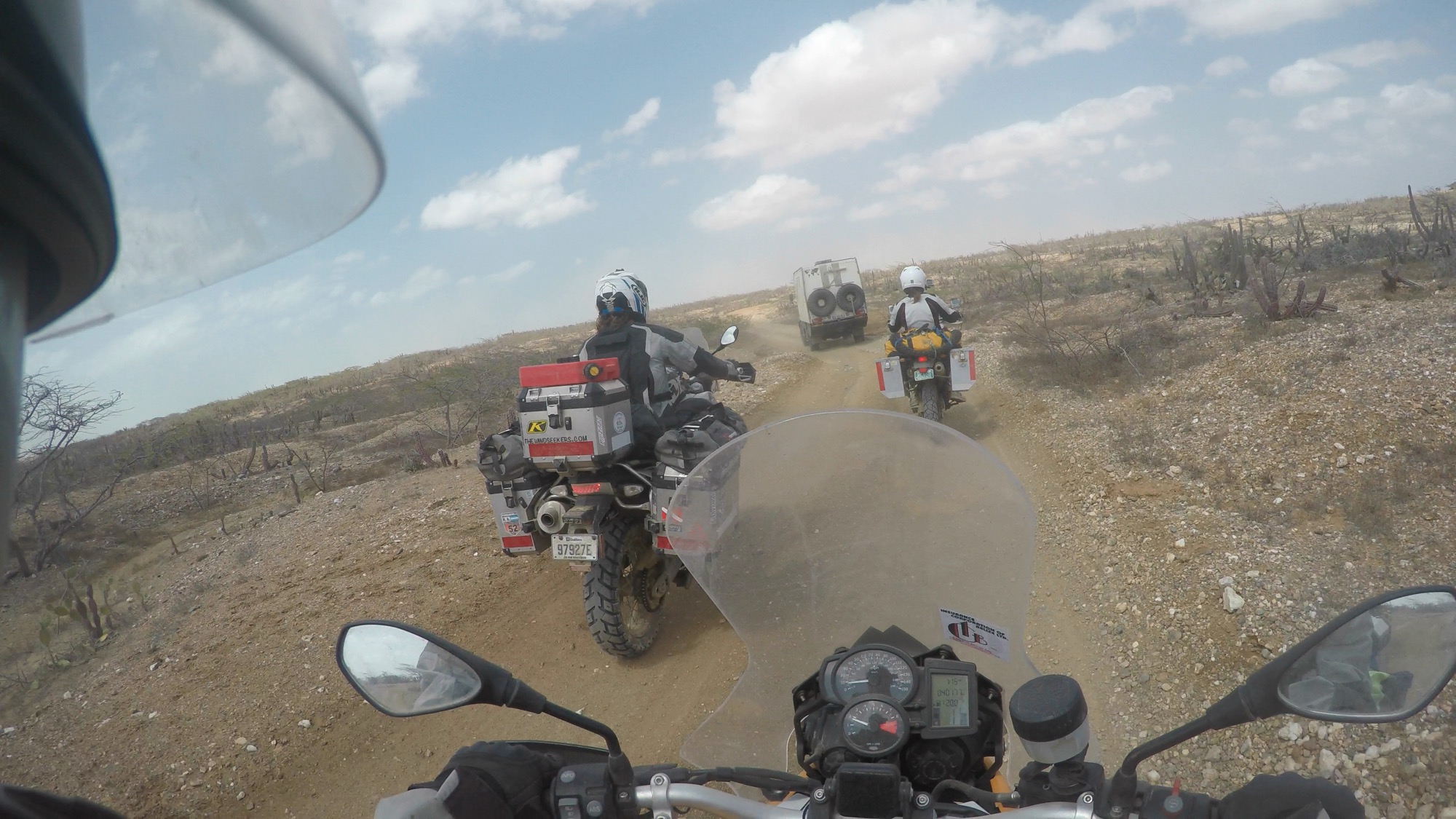
The first stretch is unpaved but firm enough for eighty kilometres an hour. Every few hours children appear across the track holding ropes, asking for money or sweets before they let you pass. In the heat it becomes unbearable, and the convoy started going around them through the dunes.
Then the ground gets harder. Almost no one on the road, just sand and rock, climbs and drops, and dunes that had to be crossed by pushing each other's loaded bikes through. Nobody came out of that day unscathed: there were falls, and the riders with aluminium panniers spent the day beating them back into shape and strapping them on again.
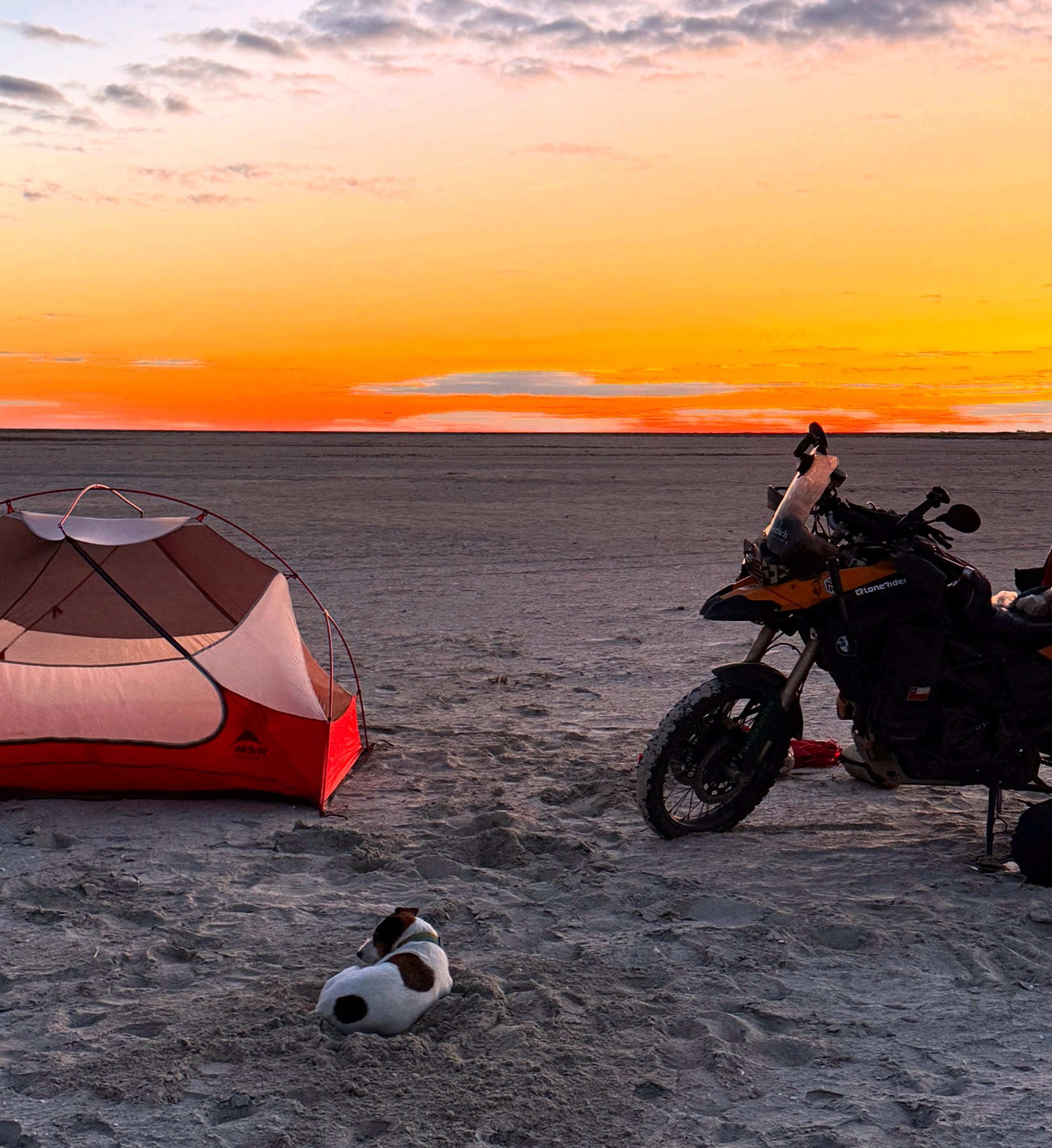
The first stop, after a full day in the heat, was Cabo de la Vela: huts on the coast, two days of rest, and wind good enough that the Canadians got their kites out.
Then it got harder. Almost no one on the road, just sand and rock, climbs and drops, and dunes that had to be crossed by pushing each other's loaded bikes through. At the end of it there is a large yellow mural with a map of La Guajira on it, facing the sea. That is Punta Gallinas. They jumped, swam, and washed the gear.
Lobster, in the middle of nowhere.
We ended up at a house in the middle of nothing, where we were given a bed and fed large cooked lobsters. My summary: that is the overland trip. You never know what you will find at the end of the day.
The field archive
0 more frames from the road
Everything else from the folder, in the order it was taken.