
Field note 06 The Hard Roads
The motorcycle died in Romania. The country kept me for nine days.
September 2024. Turkey turned me back at the border, so the map turned north instead. What followed was a burnt alternator on a beach outside Pitesti, a workshop that took two days, bears on the Transfagarasan, a castle I got into through the back door, and two refusals at the Moldovan border in a single afternoon.From Rodrigo's road archive
Touch or hover a marker on the route to see what is there.
The Hard Roads
The motorcycle died in Romania. The country kept me for nine days.
September 2024. Turkey turned me back at the border, so the map turned north instead. What followed was a burnt alternator on a beach outside Pitesti, a workshop that took two days, bears on the Transfagarasan, a castle I got into through the back door, and two refusals at the Moldovan border in a single afternoon.
- 9 daysAcross Romania
- 170 eurosWhat the breakdown cost
- 3 refusalsTurkey once, Moldova twice
September 2024. Turkey turned me back at the border, so the map turned north instead. What followed was a burnt alternator on a beach outside Pitesti, a workshop that took two days, bears on the Transfagarasan, a castle I got into through the back door, and two refusals at the Moldovan border in a single afternoon.
Turkey said no, so the map turned north.
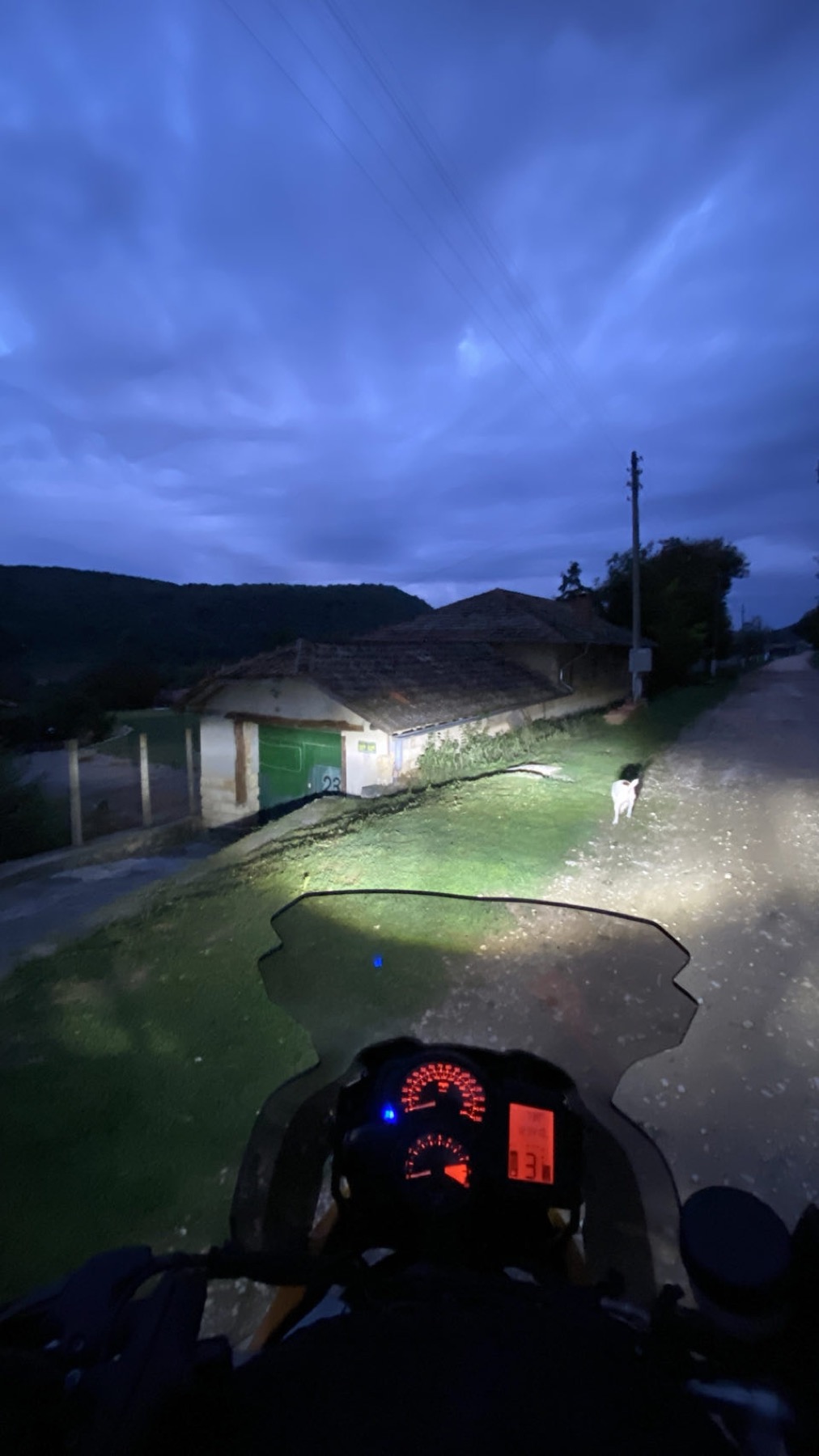
The plan had been Turkey. Turkey turned me back at the border over the paperwork for the bike, and after a whole day of it I was standing in a Bulgarian village with no route left and a birthday I had not felt like celebrating.
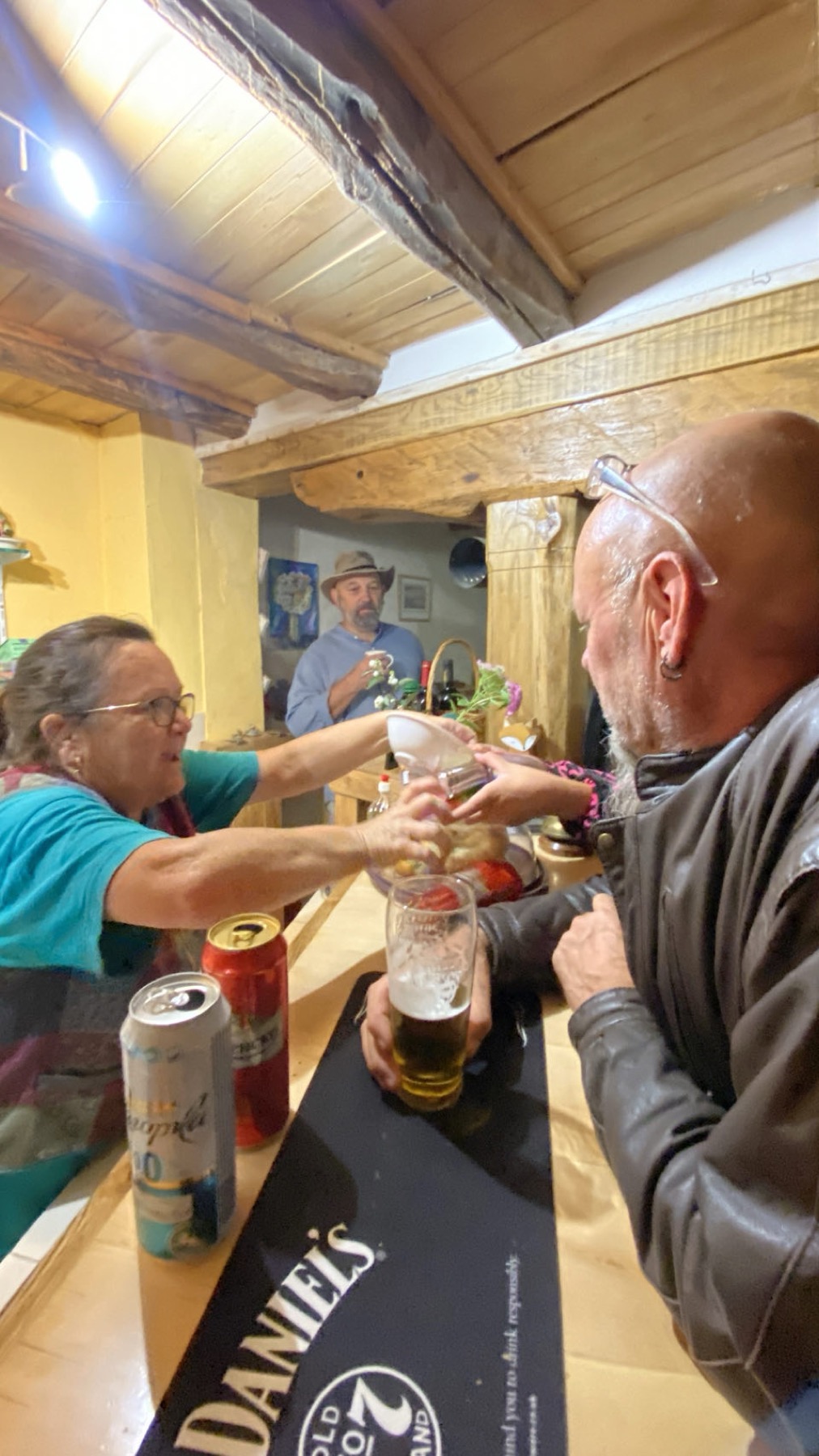
I spent the last night at a campsite outside Lisi Vrah, in the hills near Malko Tarnovo. The bar was a room with a Jack Daniel's mat on the counter, a fridge of Shumensko and a woman who poured it without being asked twice. Half the village seemed to end up leaning on that counter.
The next morning the only sensible direction left on the map was north. Romania, a country I had not planned on, for what I thought would be two or three days of transit.
It kept me for nine, and it very nearly kept the motorcycle for good.
The plan had been Turkey. What I got was nine days of Romania.
What the road kept
The breakdown was the trip.
Nine days in a country I had not planned to enter, and every good thing in them came out of something going wrong. The bike dying on a beach is how I met the people who fed me that night. The alternator is how I met Gabriel. Being turned away by two countries is how I ended up camped on a reservoir with the border running through the water in front of me. You do not plan any of that, and you cannot buy it.A birthday tiramisu, and a bike that would not charge.
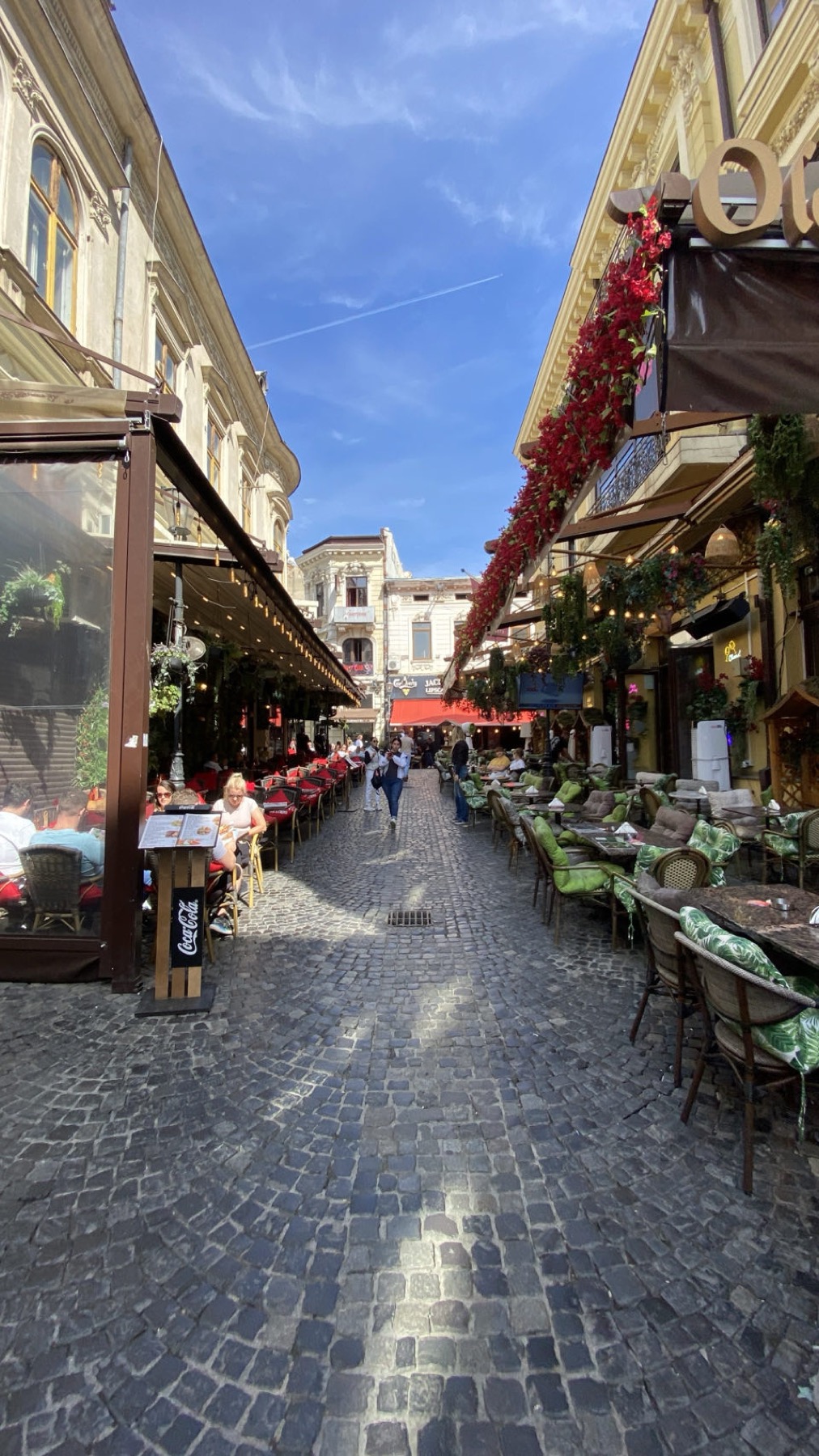
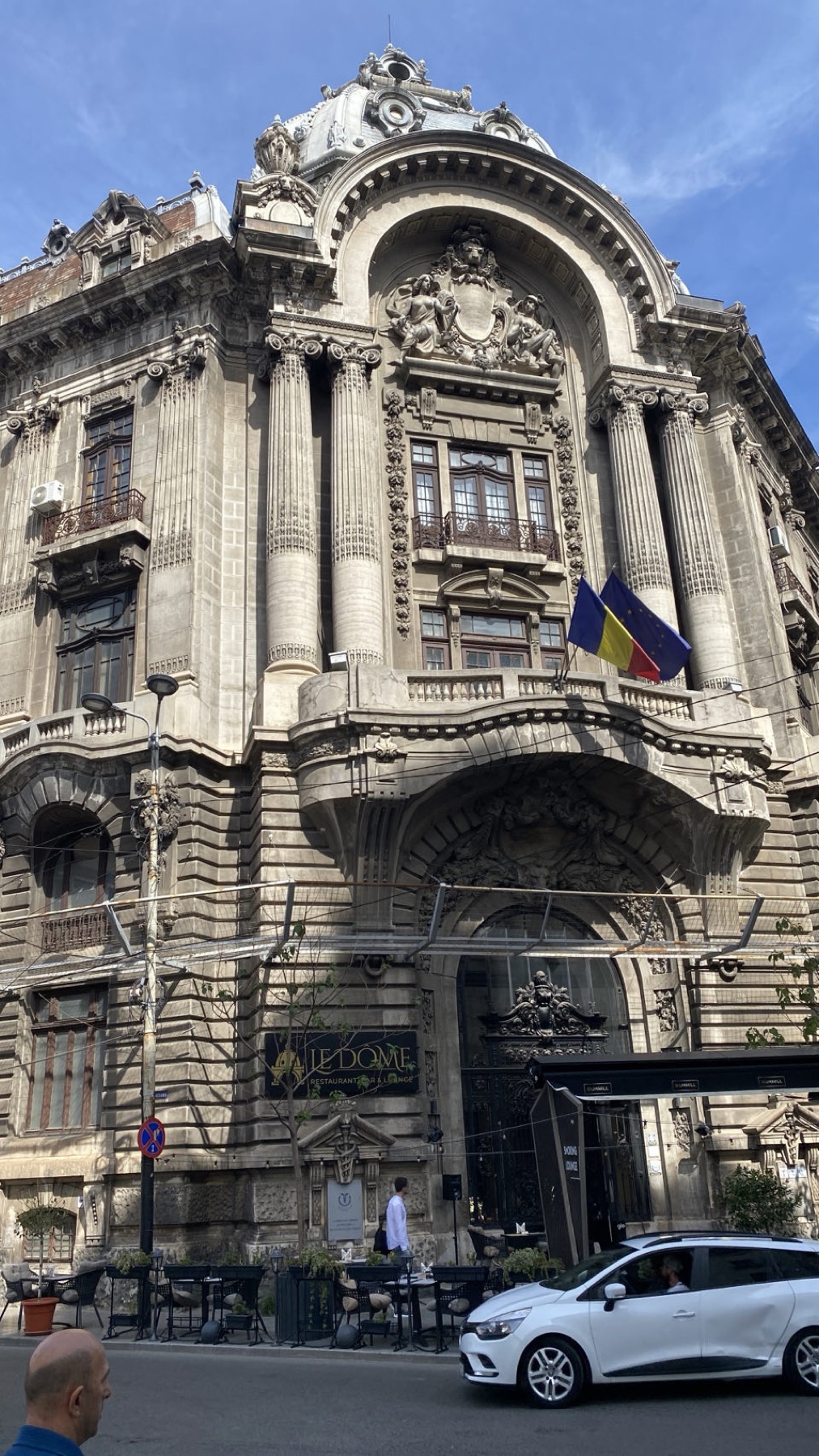
Bucharest was meant to be a stop of a couple of days to sort my head out after the border. The old town is all cobbles and terraces and buildings with more decoration than they know what to do with, and for the first time in weeks I sat down at a table like a normal person.
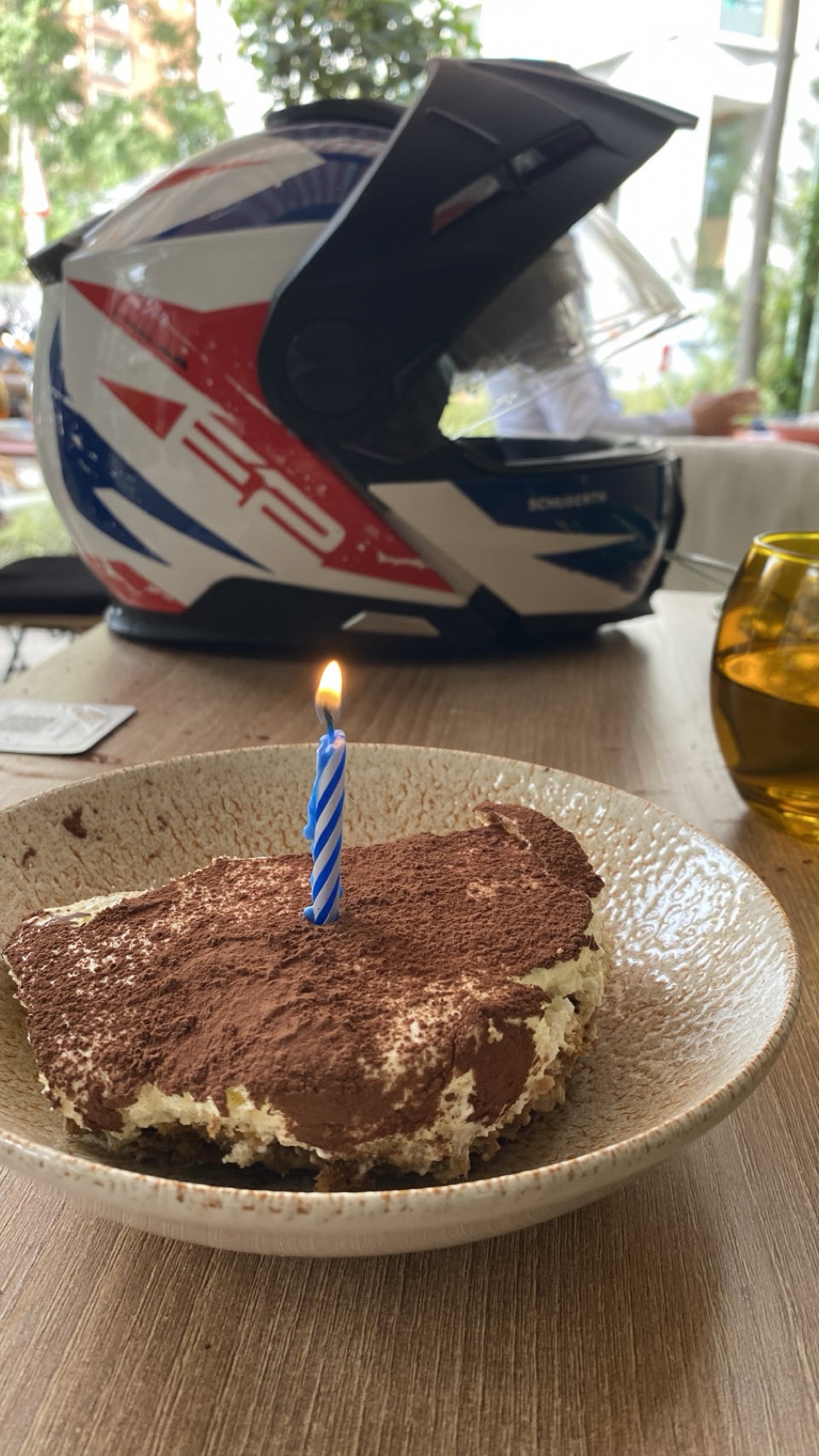
Somebody put a candle in a tiramisu because my birthday had gone by in a customs queue. I ate grilled octopus. My helmet sat on the chair beside me like another guest.
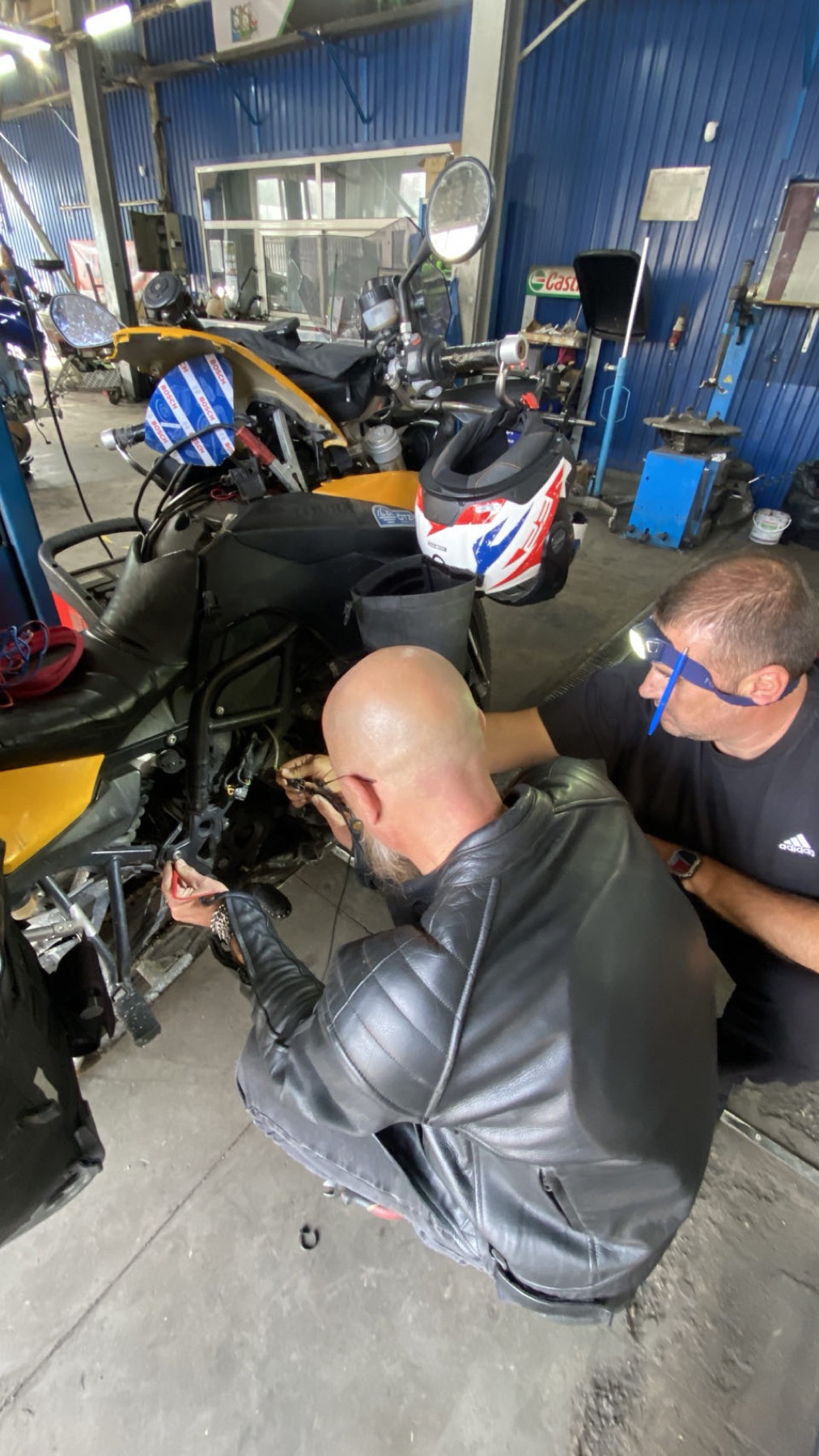
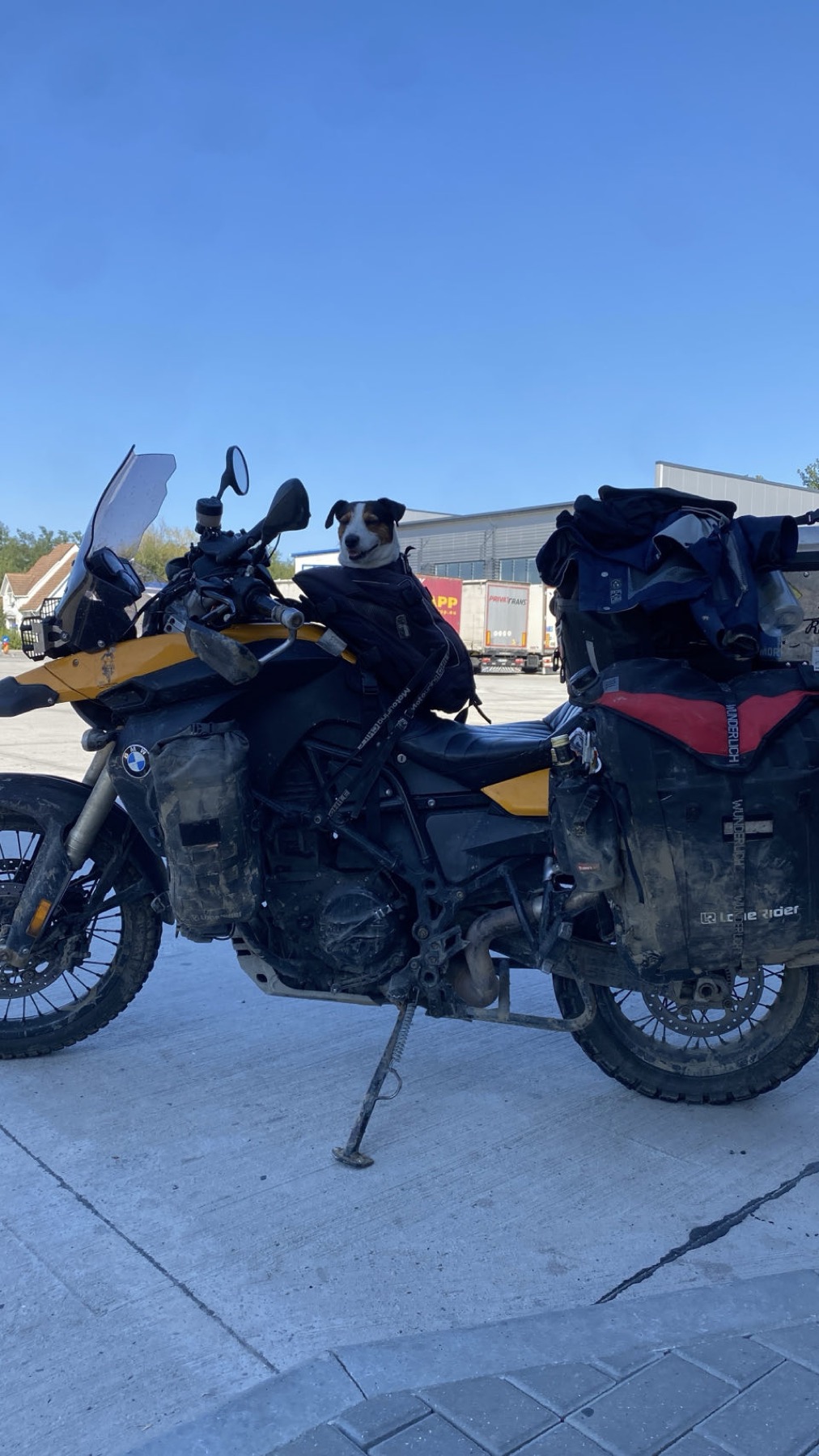
The problem was the motorcycle. The electrics had started failing before the border and they were getting worse: the dash going dark, the battery draining, everything pointing at the charging system. I found a workshop in the city and two mechanics went at it with a charger and a multimeter.
They got it running again. Nobody found what was actually wrong.
The motorcycle died on the beach, and the beach turned into a barbecue.
I left Bucharest on borrowed time. The panel went dark somewhere on the road and I rode the last stretch on nothing but the two batteries, flat out at a hundred and sixty, because slowing down felt like it would kill it.
It got me to a lake outside Pitești on the last of everything. A car was in the way at the entrance to the beach, the driver moved it, and the moment I rolled through the motorcycle died completely. Not a light, not a click.
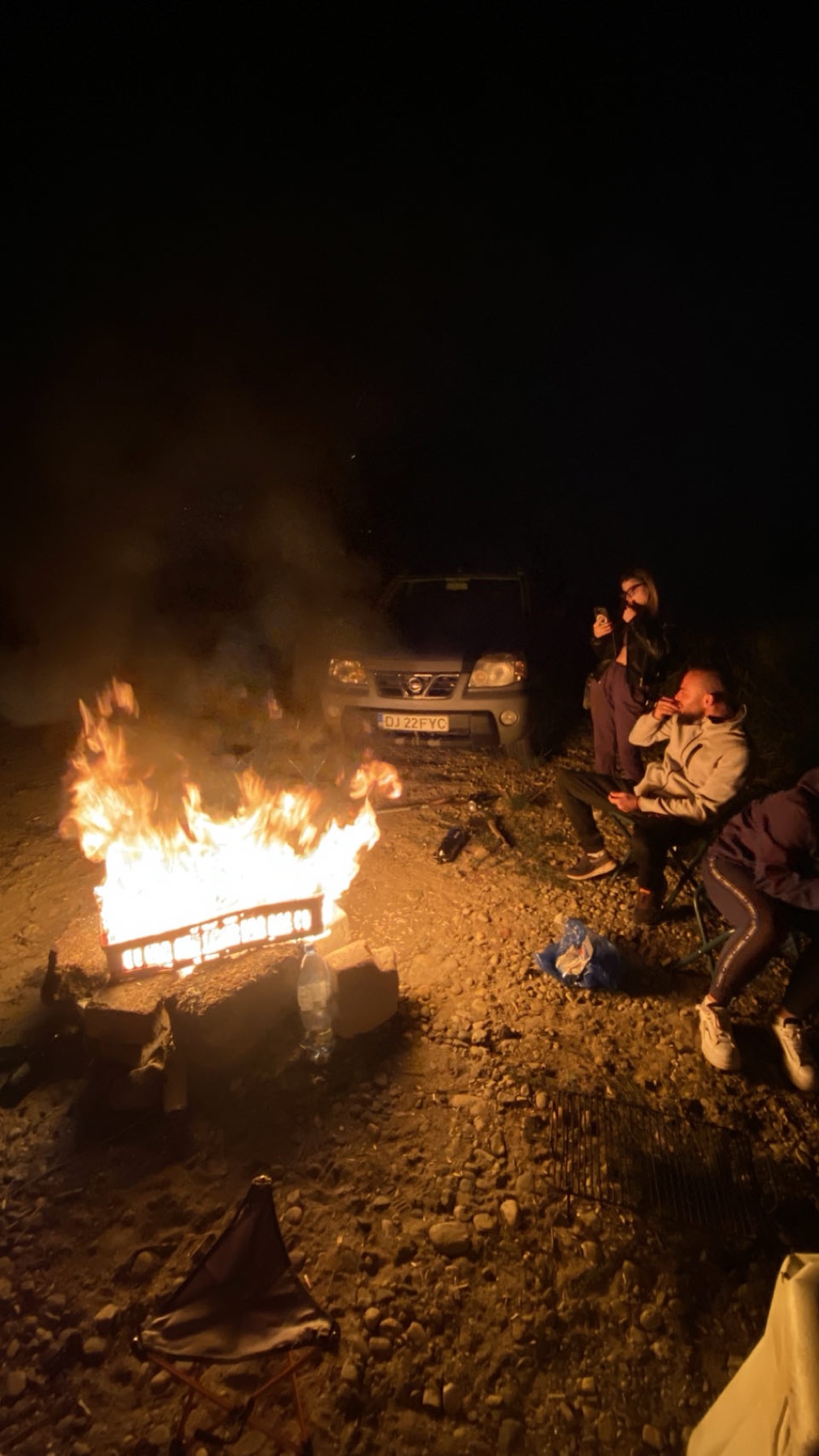
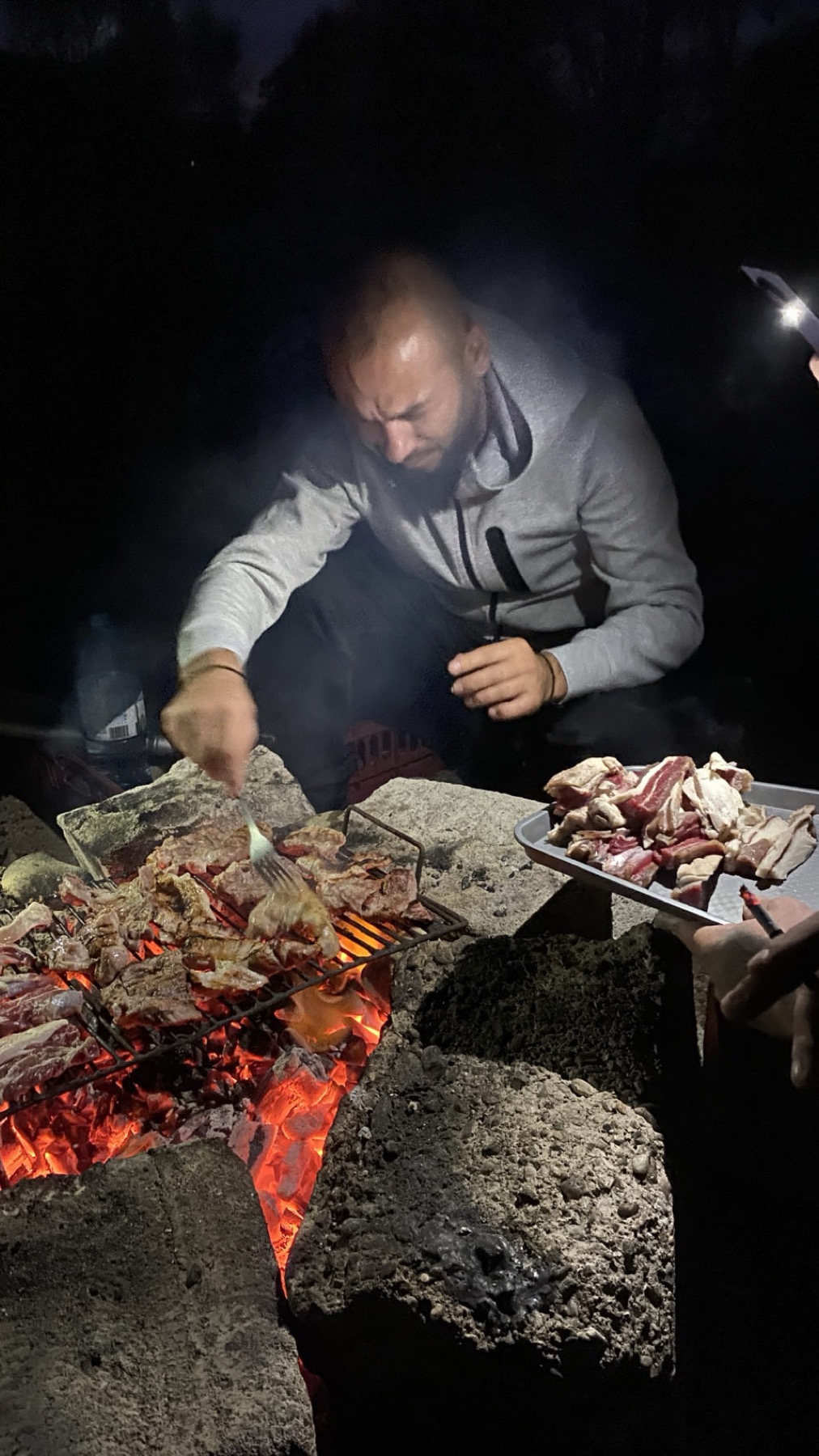
That could have been the worst night of the trip. Instead the couple in the car got out, and then their friends arrived, and somebody started building a fire out of stones and an old grill, and it turned into a barbecue on the beach that ran until the sky went dark: beef, pork, venison, chicken, beer, and me sitting on a rock in the middle of it with a dead motorcycle behind me.
It was my birthday. It ended a lot better than it started.
The motorcycle died completely. Then somebody lit a fire and it became the best night of the week.
Gabriel, a Chinese alternator and 170 euros I did not have.
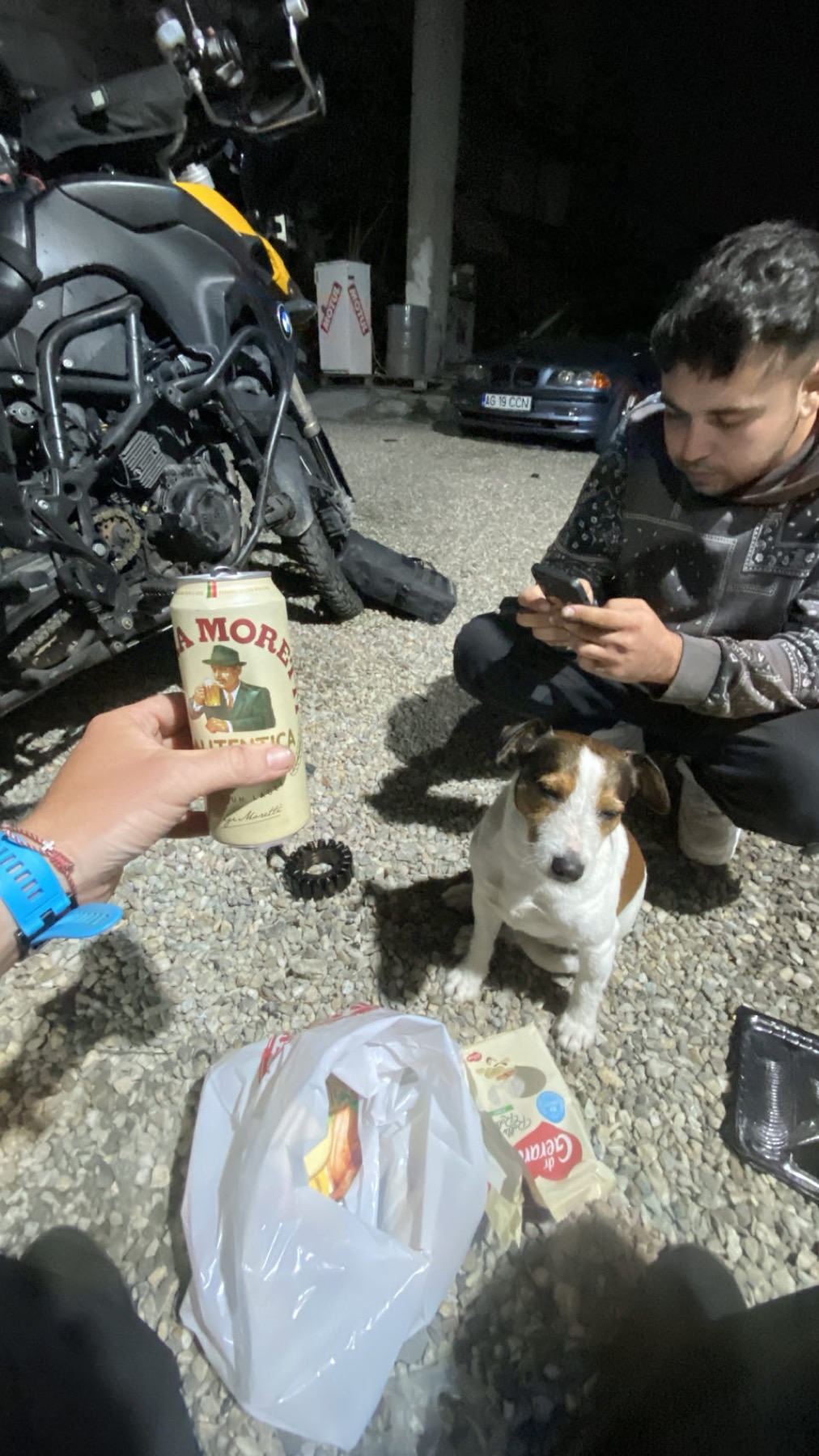
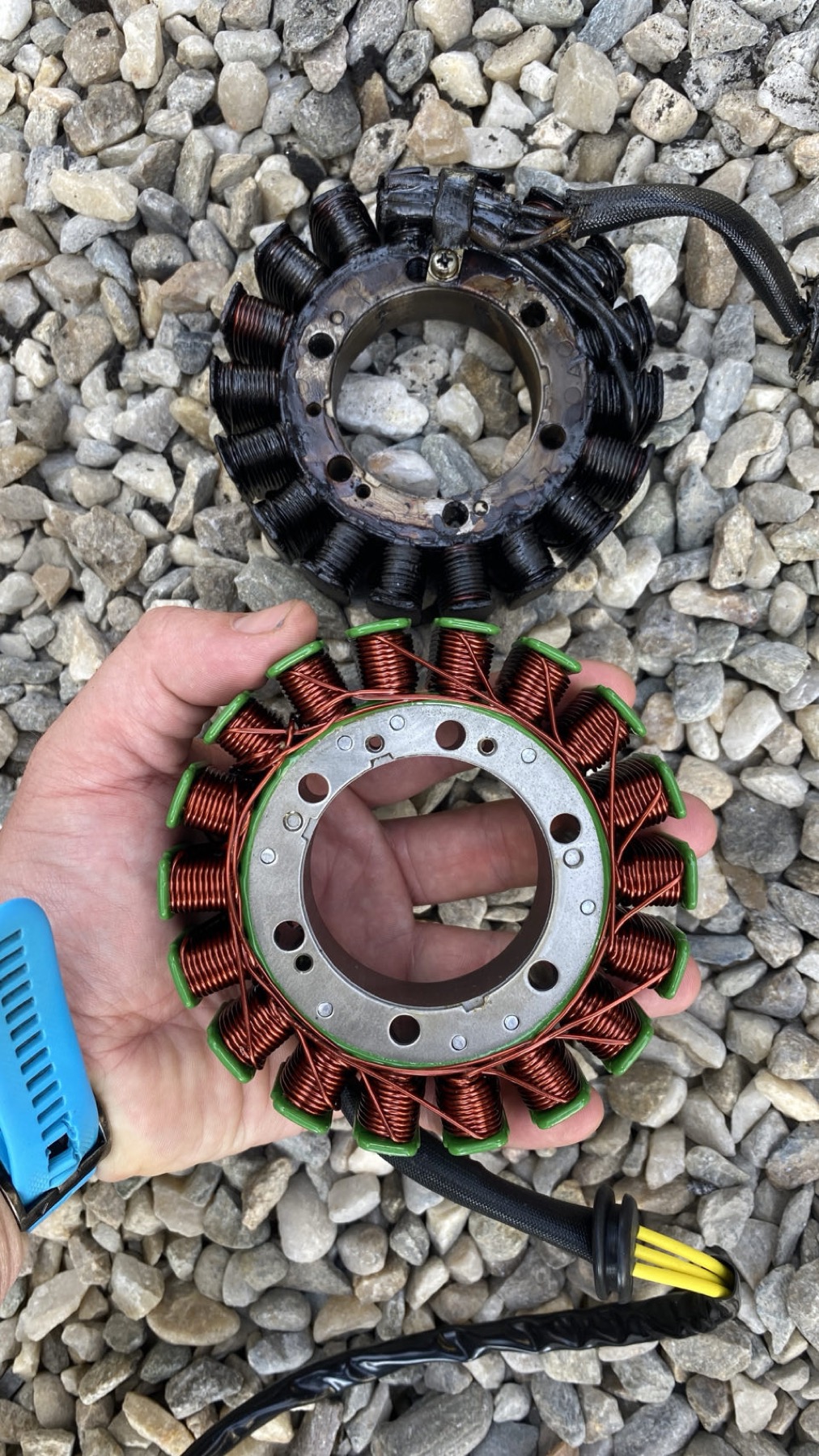
The next morning the bike was towed into a yard in Pitesti that belonged to a mechanic called Gabriel. He opened the engine cover and there it was: the stator, burnt black, the copper cooked out of it.
The part had to come from somewhere. What arrived the following afternoon was a Chinese alternator, ordered off the internet, and it cost me a hundred and twenty euros with fifty more for the labour. A hundred and seventy euros, at the point in the trip where I had least money.
It was not the end of it. With the new alternator in and the silicone drying, the bike still would not hold a charge, because by then both batteries were dead too. Another day, another problem, another wait.
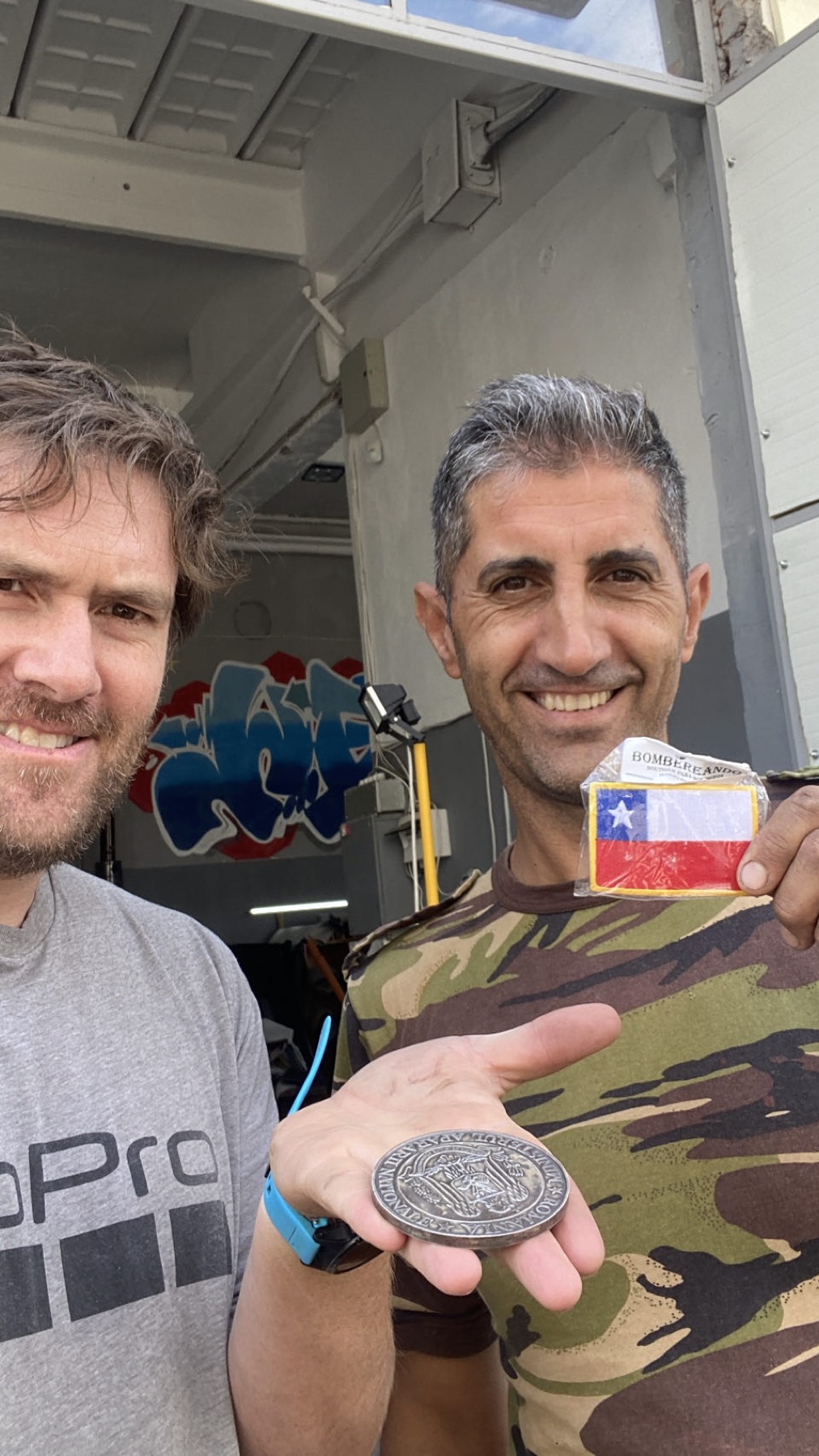
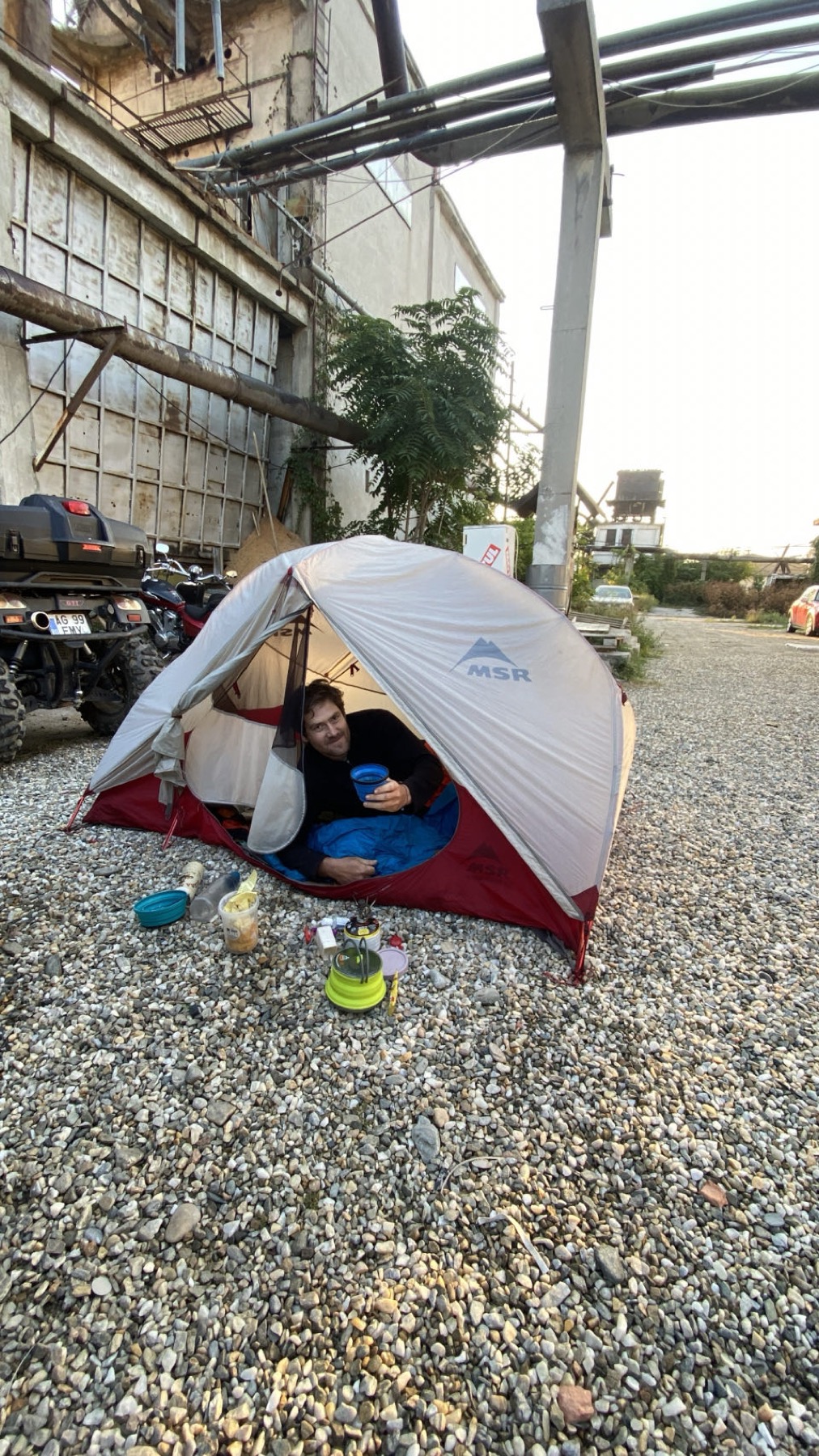
I slept in the tent in the workshop yard, between the parked bikes and the gravel, and it was the first bed of any kind in a month. Before I left I gave Gabriel a Chilean flag patch off my jacket. He held it up for the photograph like it was a medal.
A hundred and twenty euros for the part, fifty for the hands. In Chile the same job would have cost more than the bike was worth to me at that moment.
Bear country, and one of them was sitting on the wall.
With the bike alive again I rode north into the mountains, up the valley towards the Transfăgărășan, the road Ceaușescu blasted through the Făgăraș range in the 1970s because he wanted a way to move troops over the top.
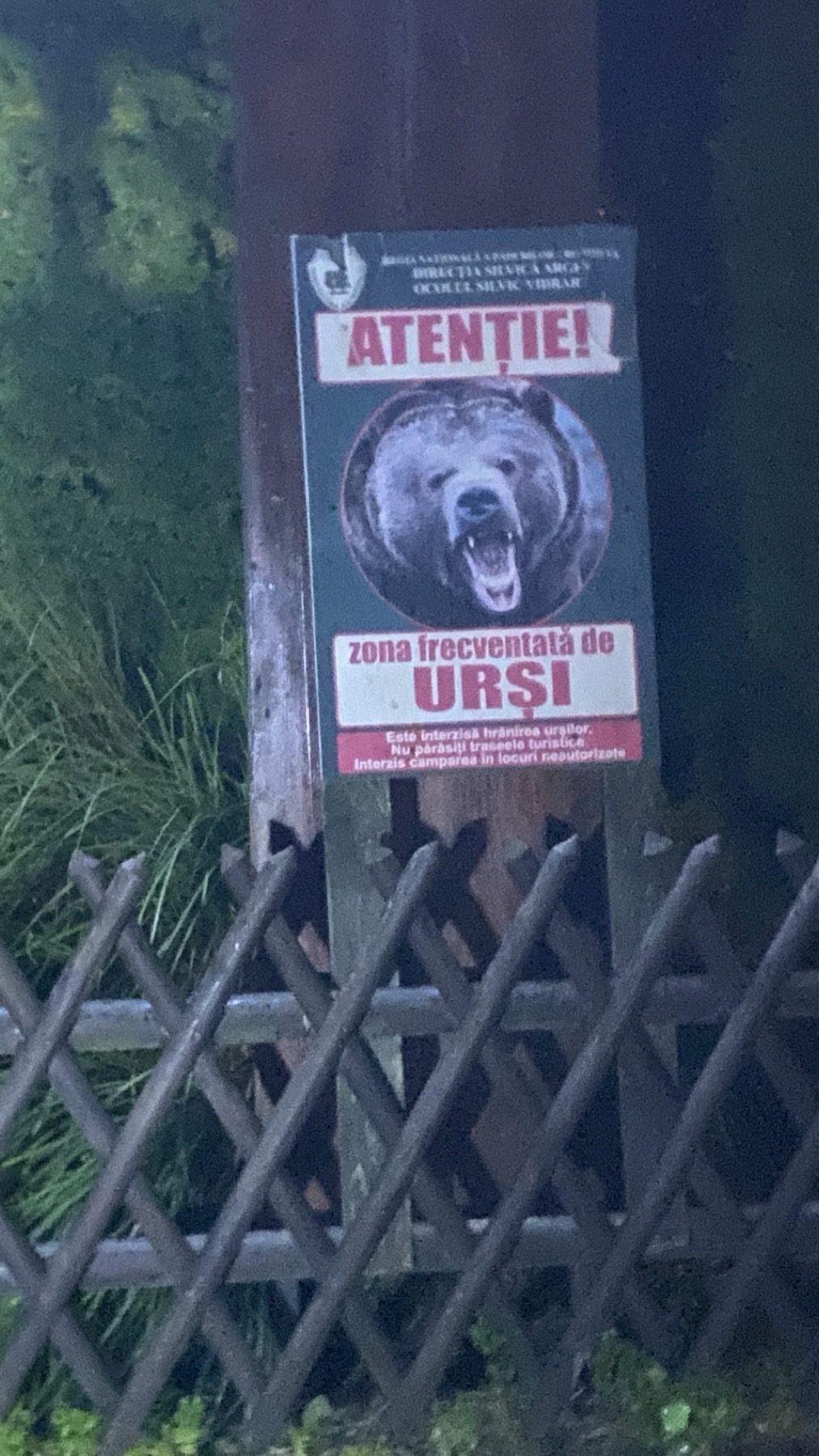
The first sign was a bear with its mouth open and one word: ATENȚIE. Then another sign, in two languages, telling you not to feed them and that you will be fined if you do. You read those and you think, right, they have to put those up somewhere.
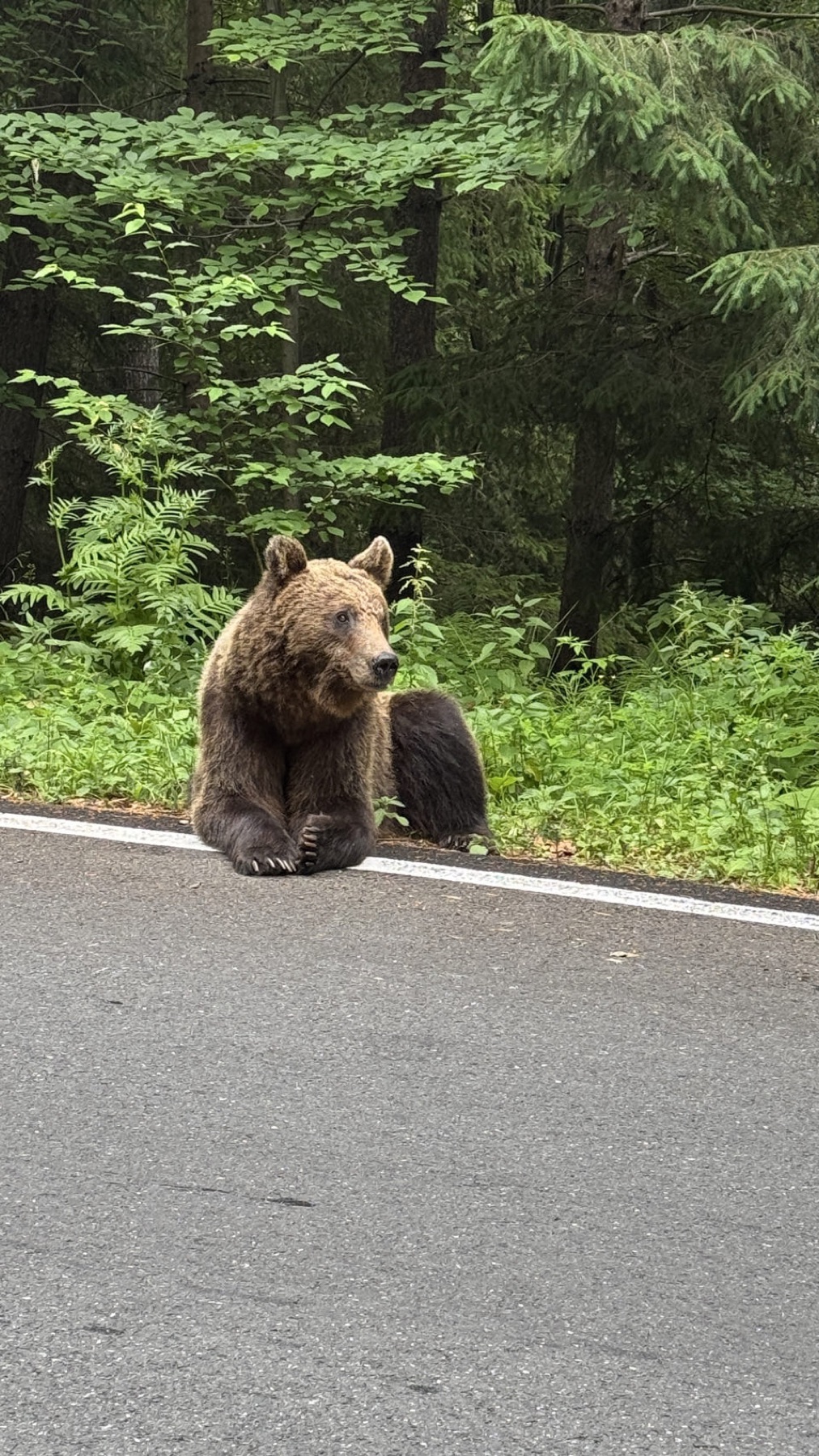
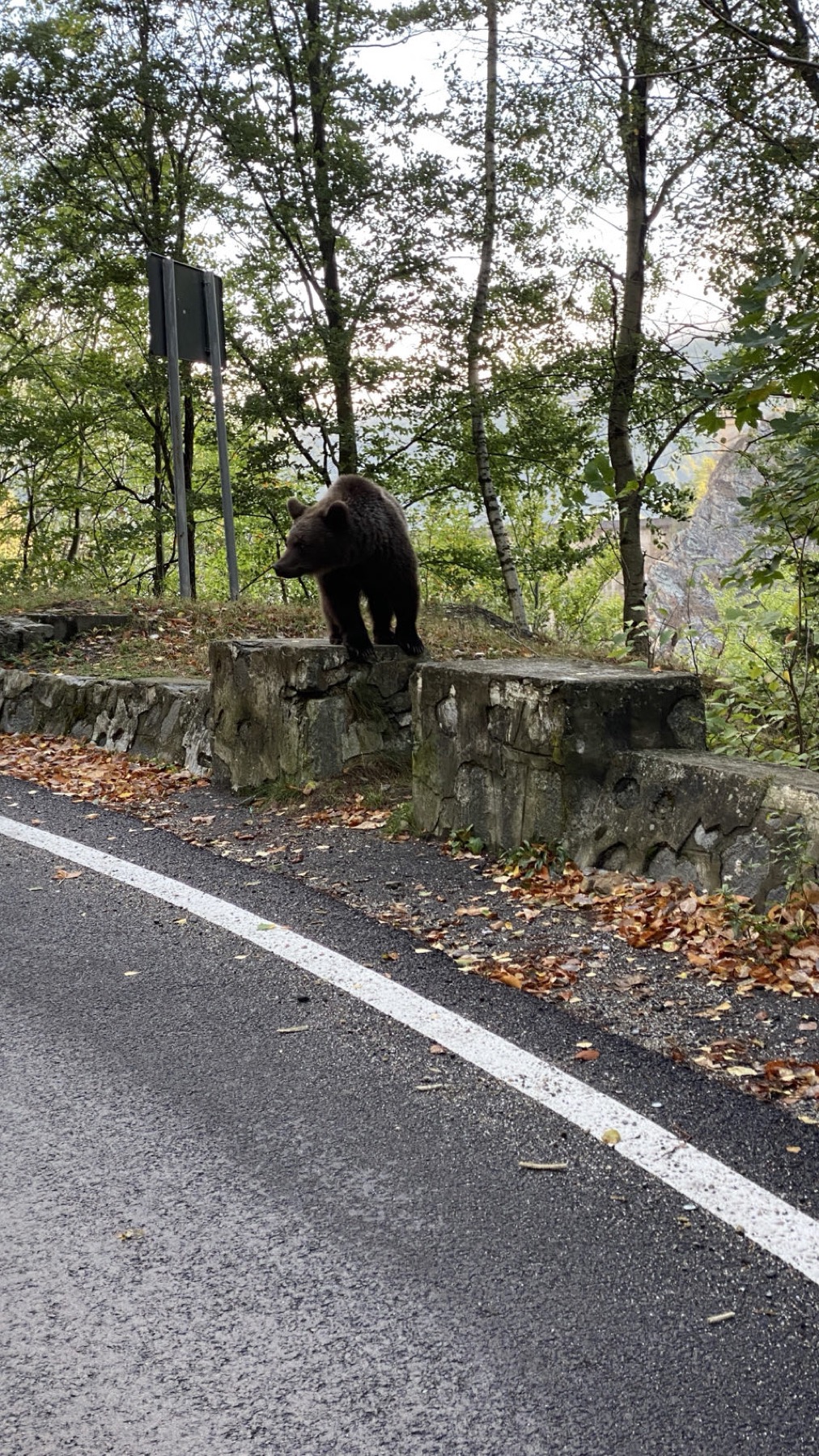
Then you come round a corner and there is a brown bear sitting on the retaining wall at the edge of the road, three metres from the white line, watching the traffic go by like it is waiting for a bus.
Below the road the gorge drops away with an old arched bridge across it, and the water is a long way down. It is the best road I rode in Romania and I would have taken it slowly even without the bears.
You come round a corner and there is a brown bear on the wall, watching the traffic go by like it is waiting for a bus.
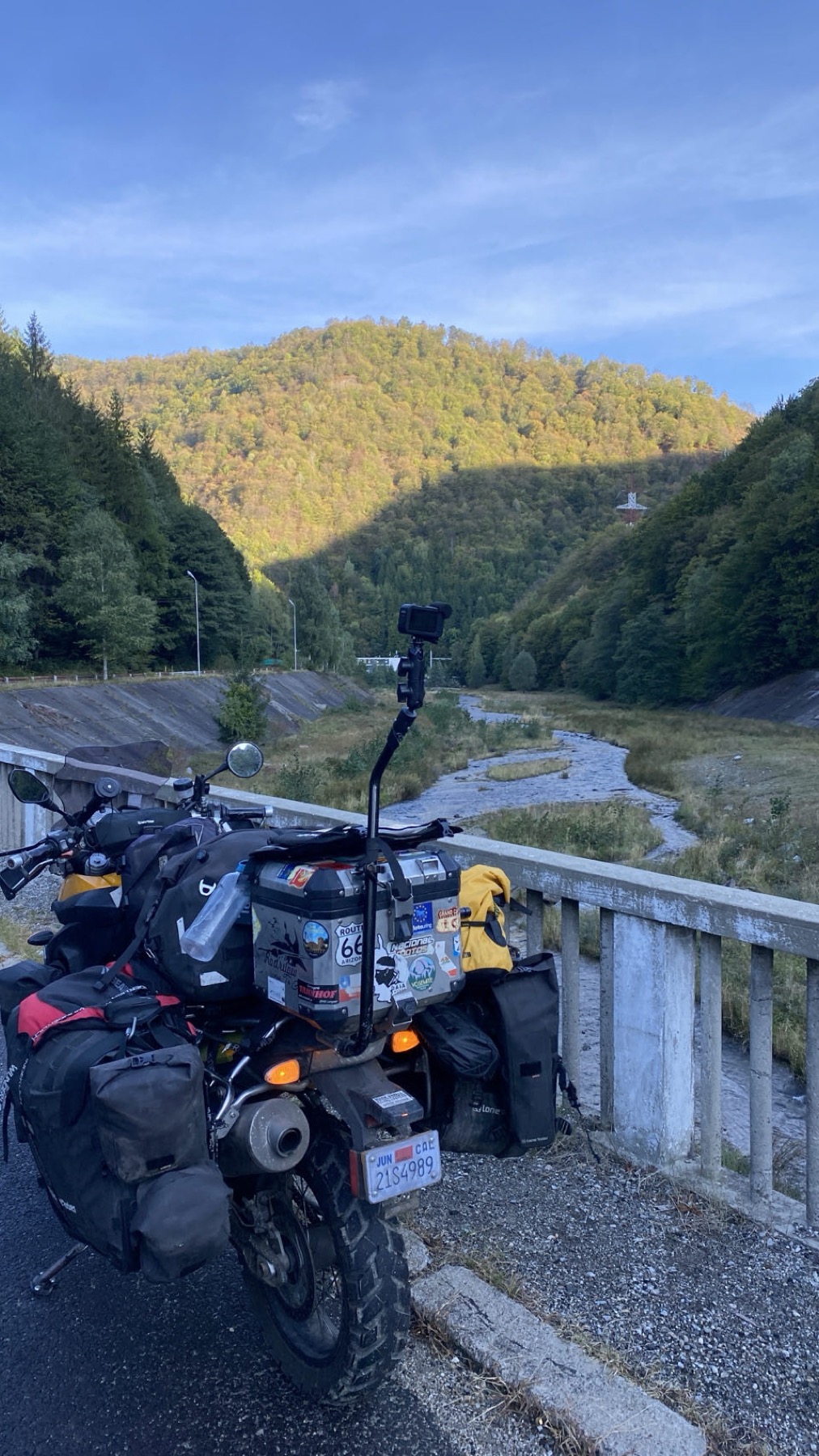
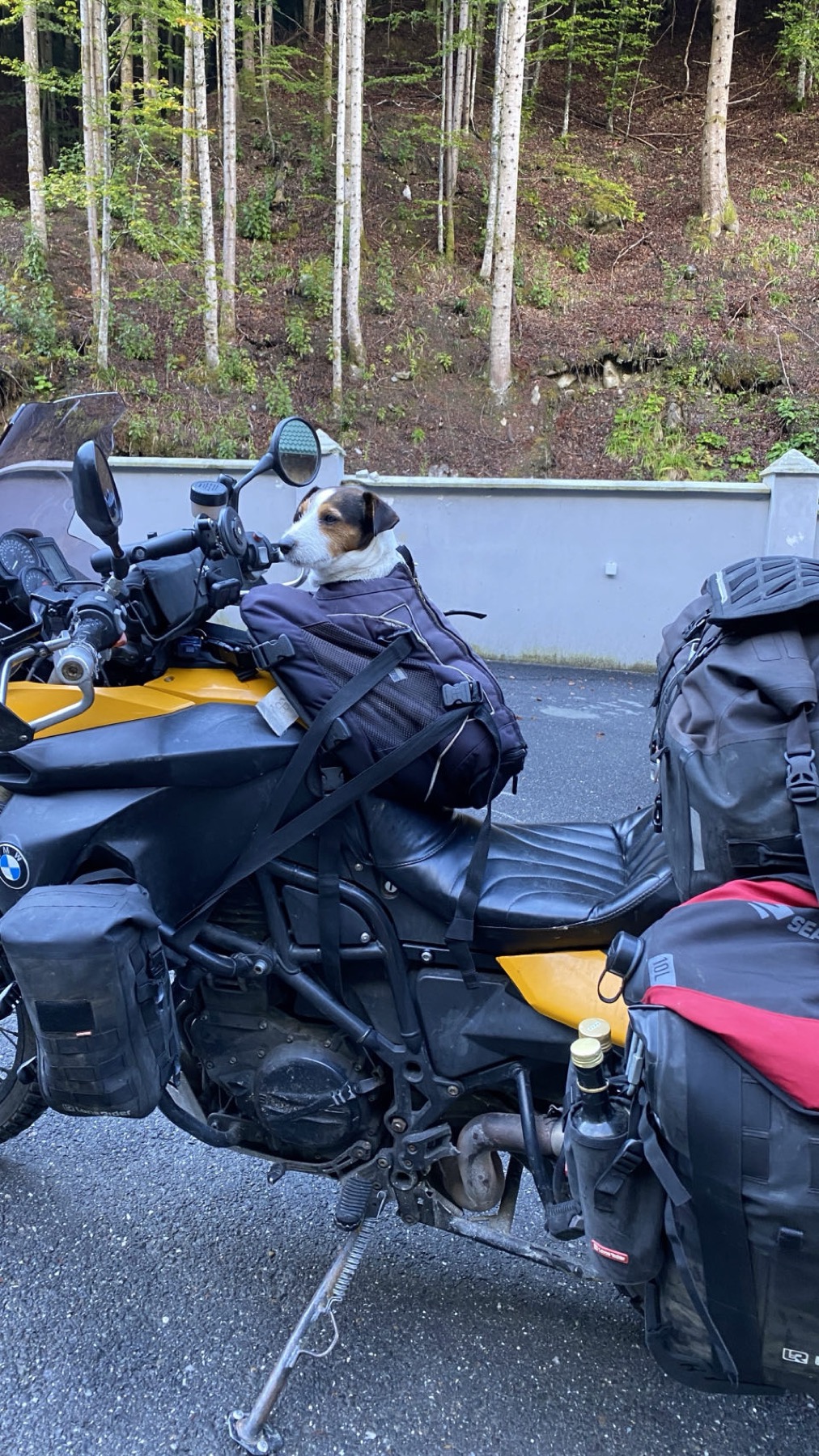
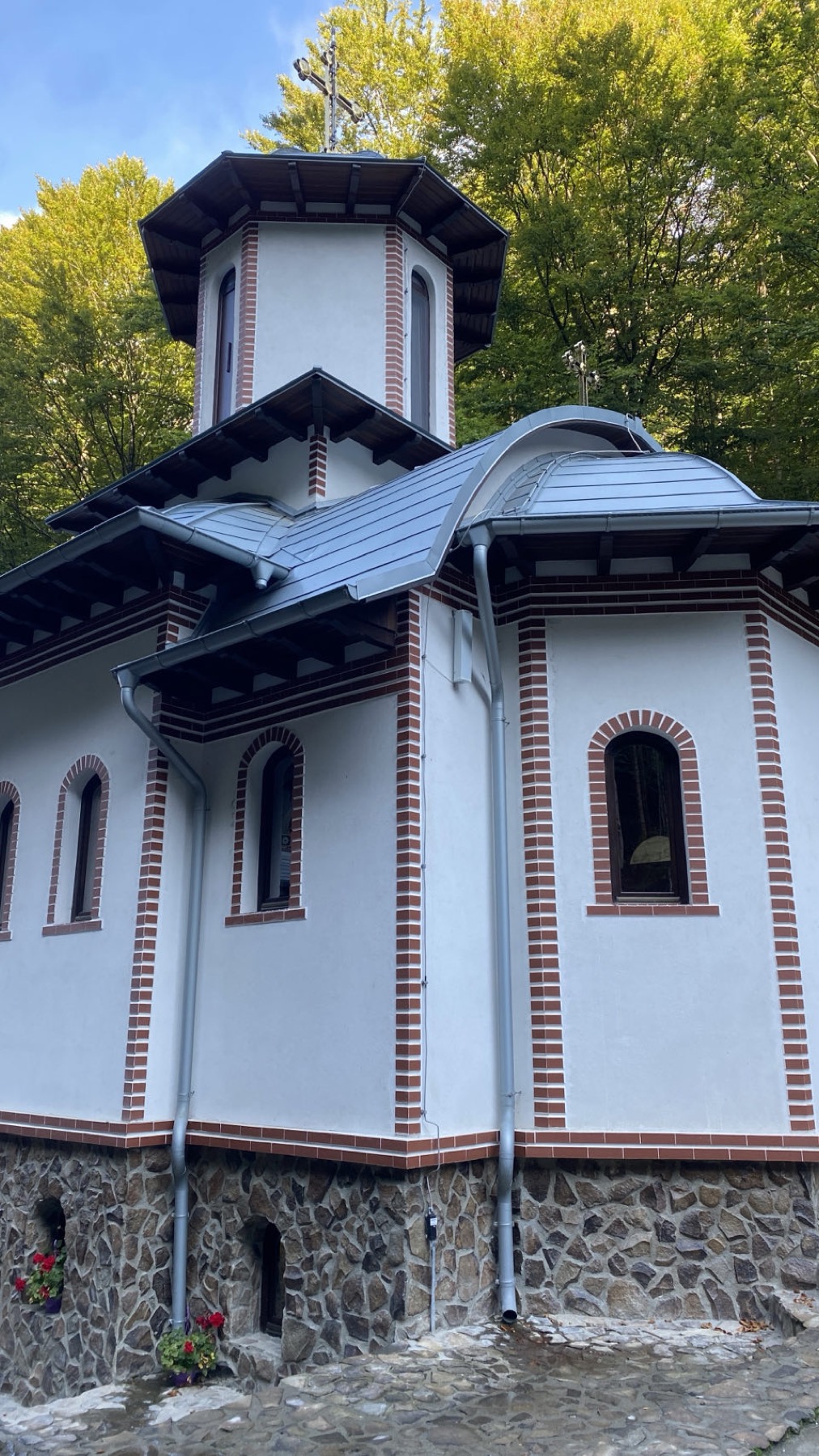
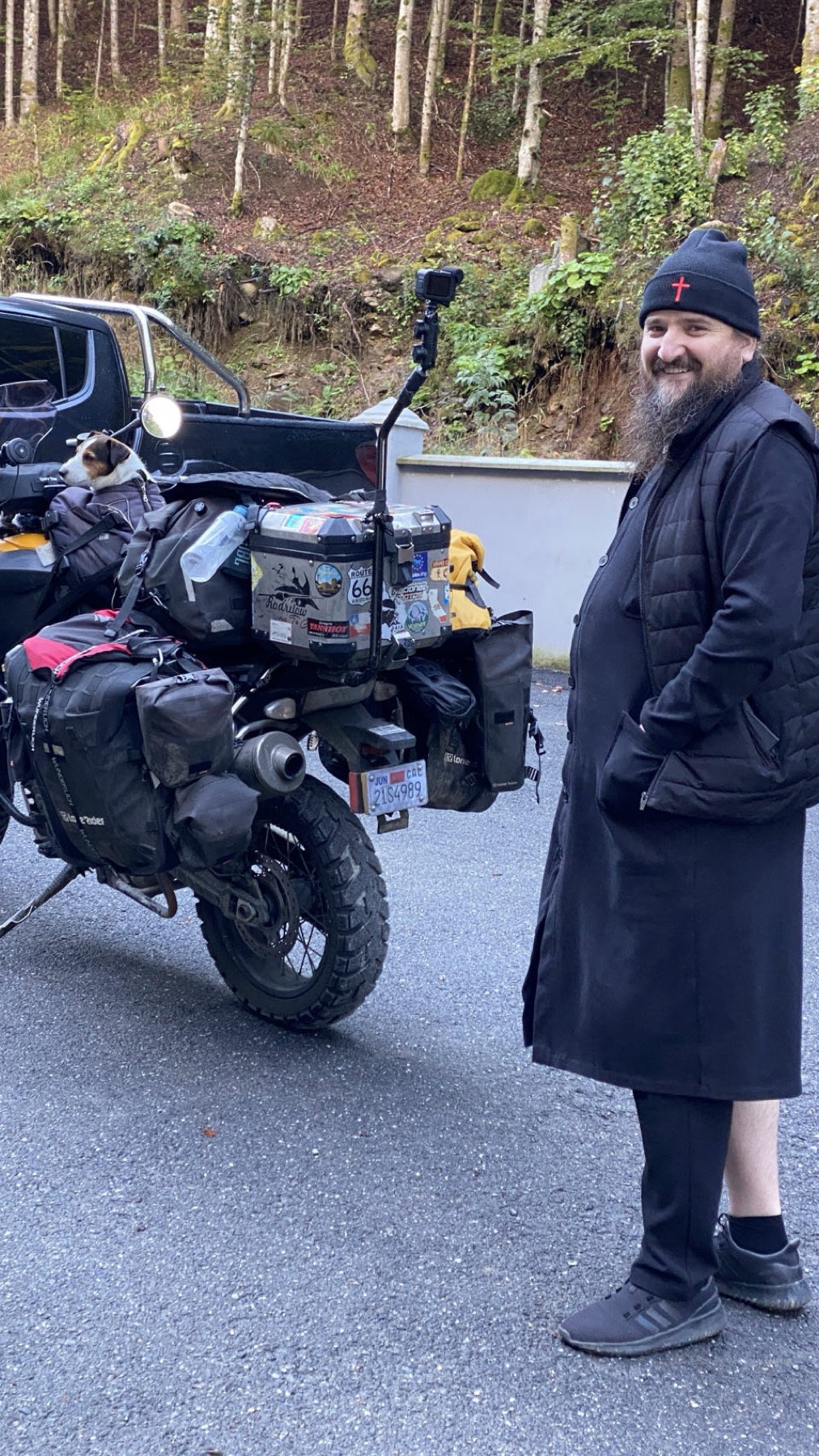
A monk in the forest, and the worst camp of the trip.
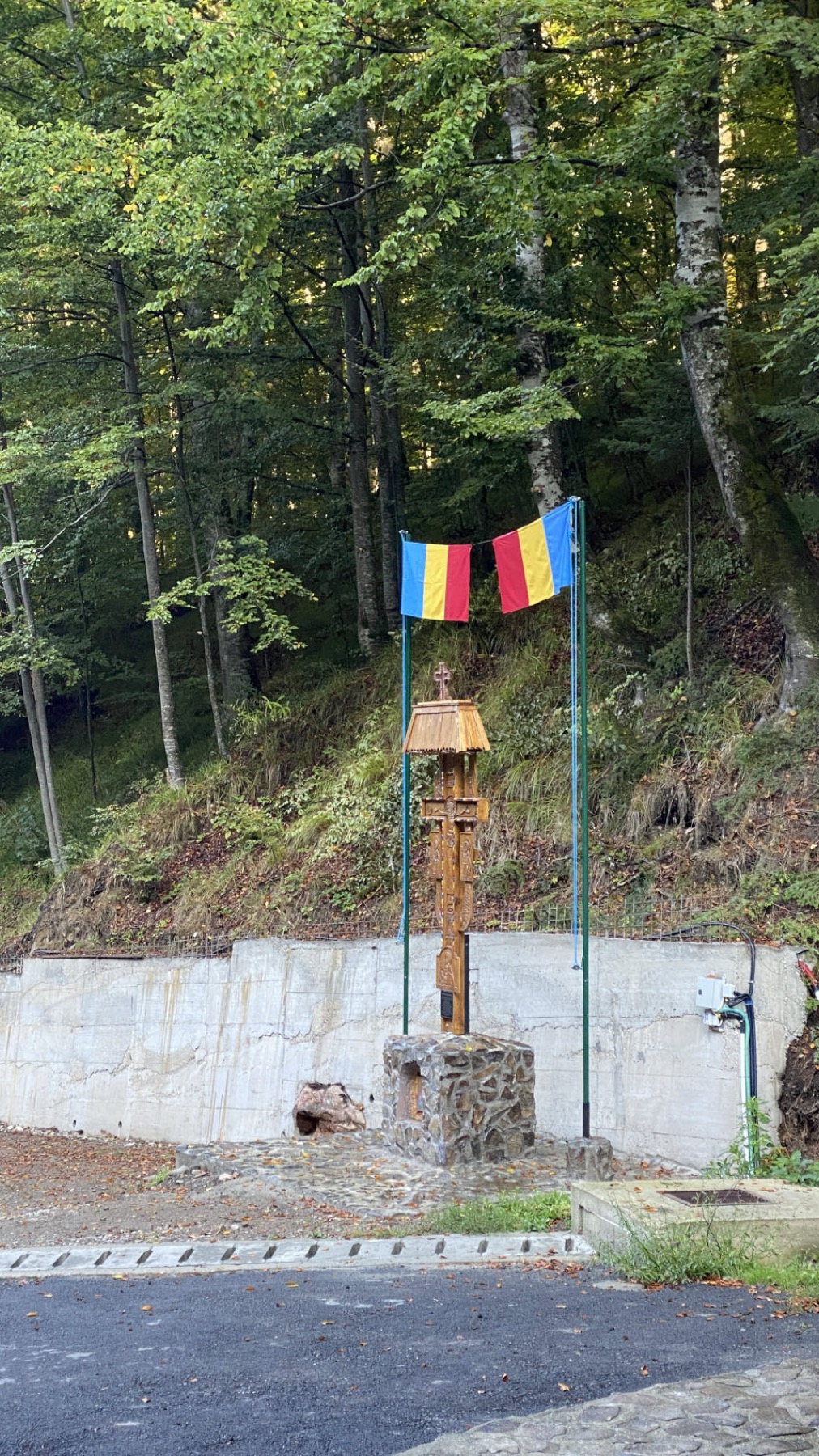
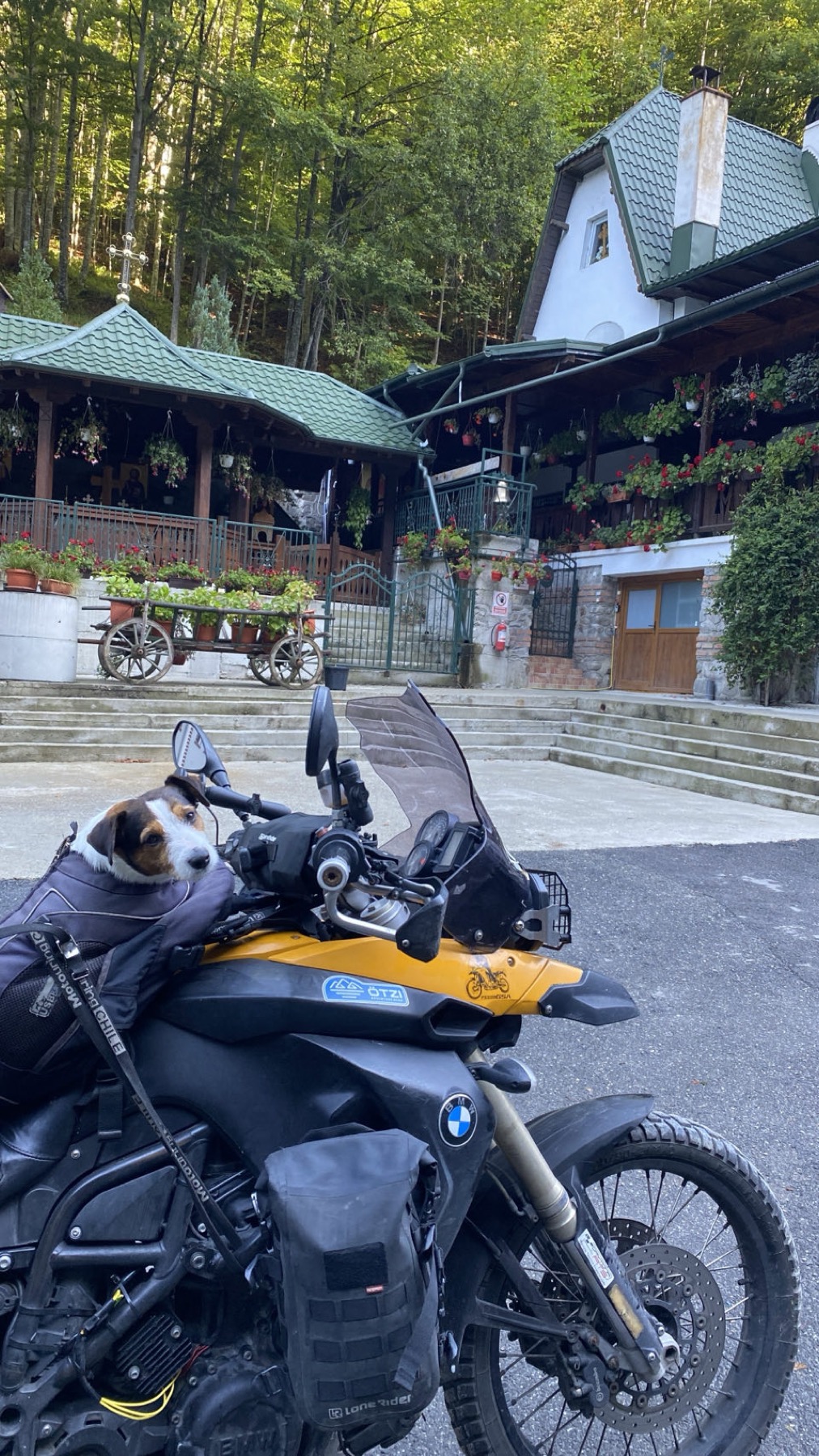
Halfway up there is a monastery in the trees: white walls, brick around the windows, geraniums on every balcony, and a wooden cross at the gate with two Romanian flags on it.
A monk came out to look at the motorcycle. Long black cassock, long beard, a black cap with a red cross on it, hands in his pockets, entirely delighted. He stood there beside the bike and did not ask me a single question about where I was going.
That night was the other side of it. I followed a pin off the map to a hillside above a town, and it was the worst camp of the whole trip: no flat ground anywhere, thorn bushes making holes in the tent, cars audible below me and five degrees by morning.
I pitched against a bush because it was the only place half level, drank a beer looking at the mountains, and woke up about six times.
Worst camp of the trip: no flat ground, thorn bushes through the tent, and five degrees by morning.
They would not take my money, so I went in the back door.
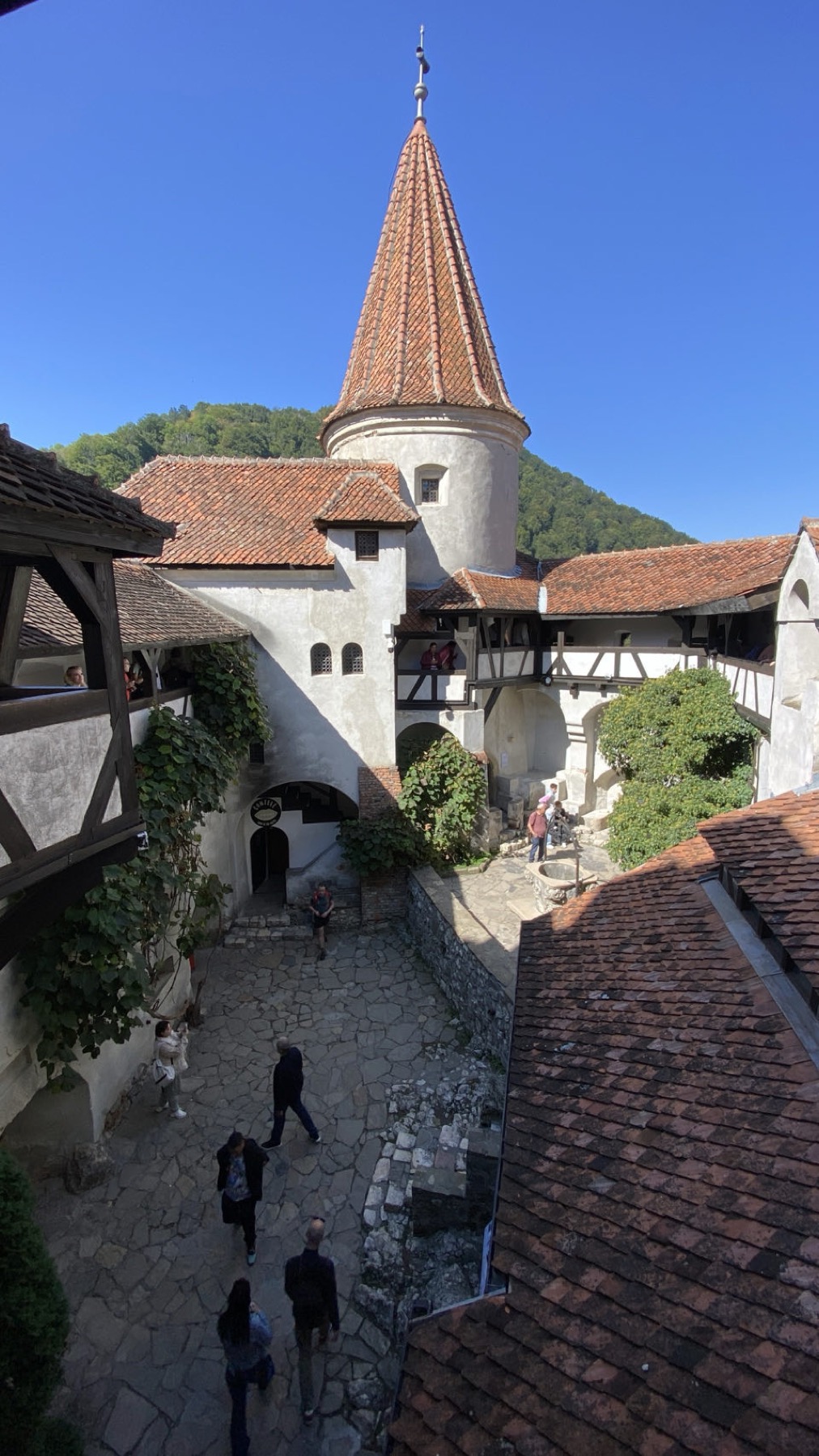
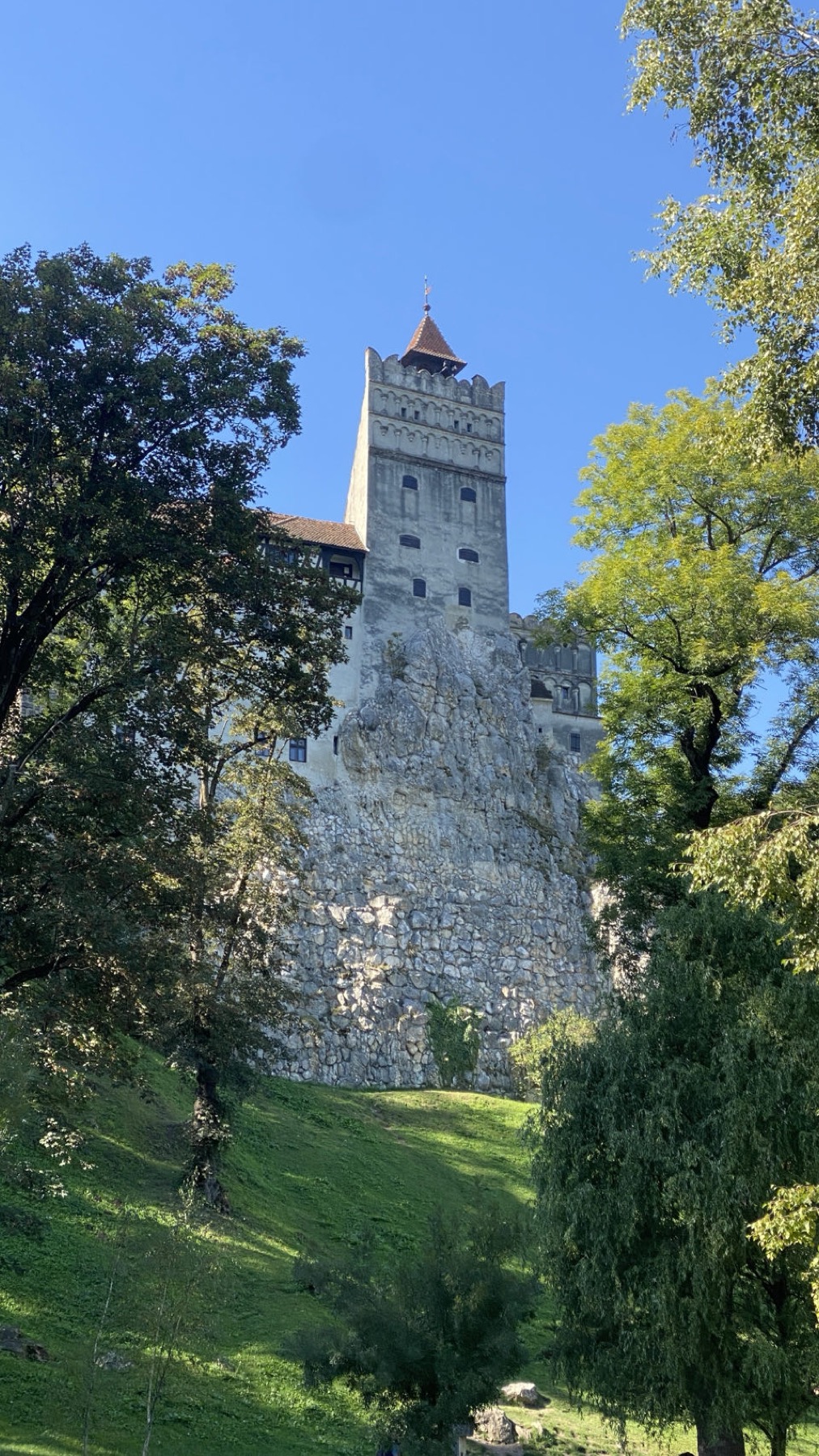
Bran on a Saturday is a fairground. Stalls the whole length of the road, a twelve kilometre running race finishing at the castle gate, smoke off the grills, and almost nobody foreign in the crowd.
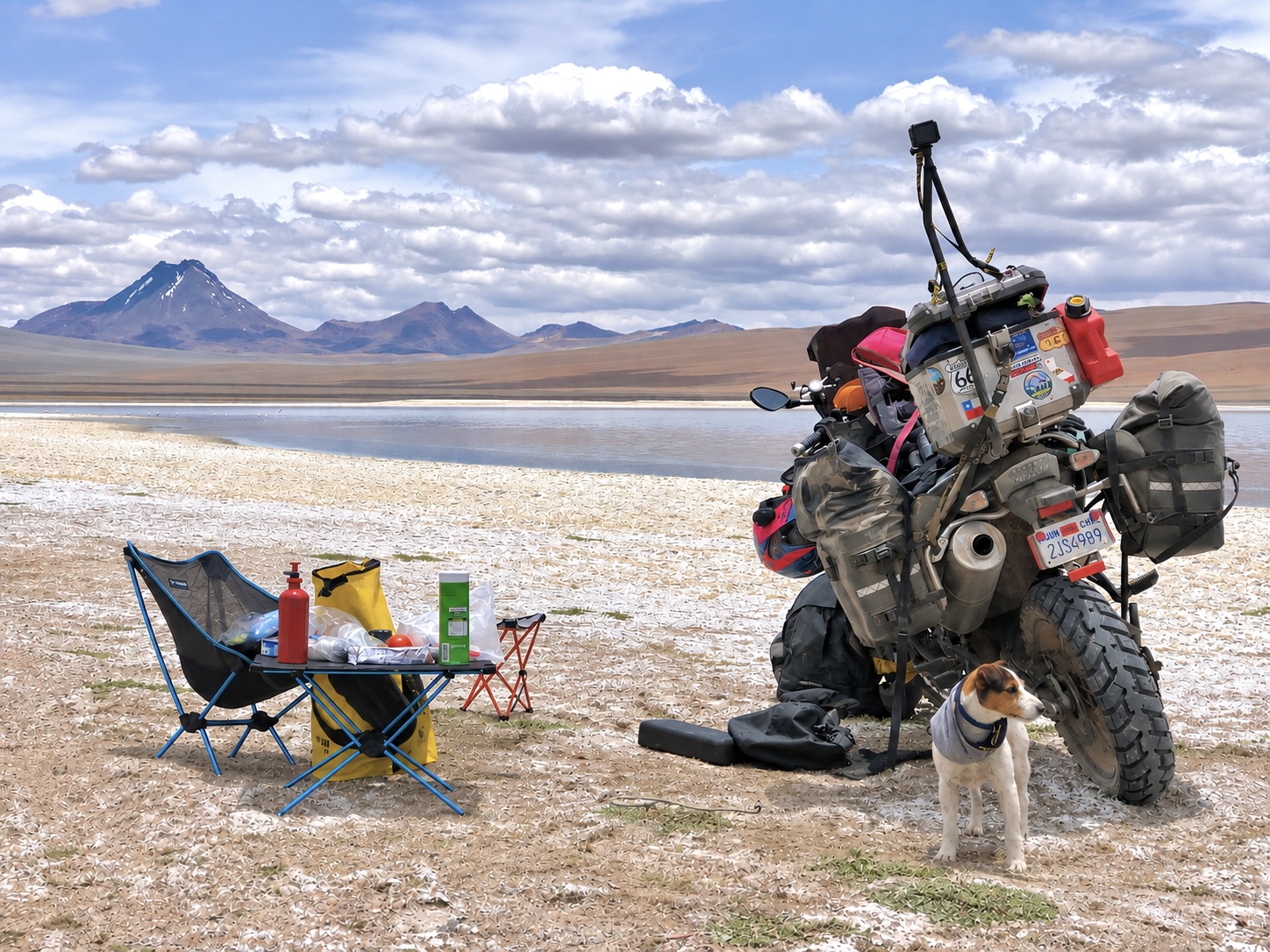
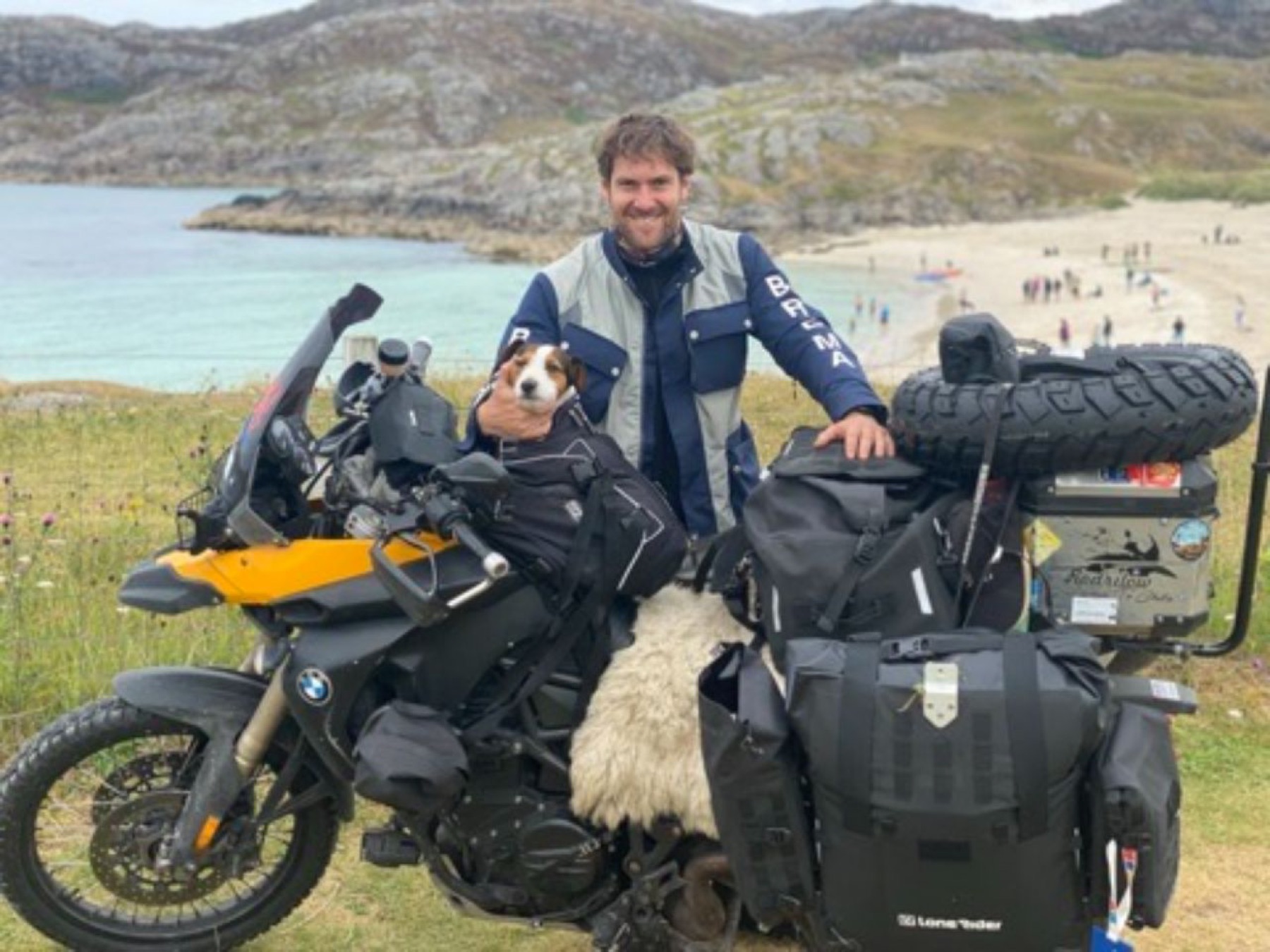
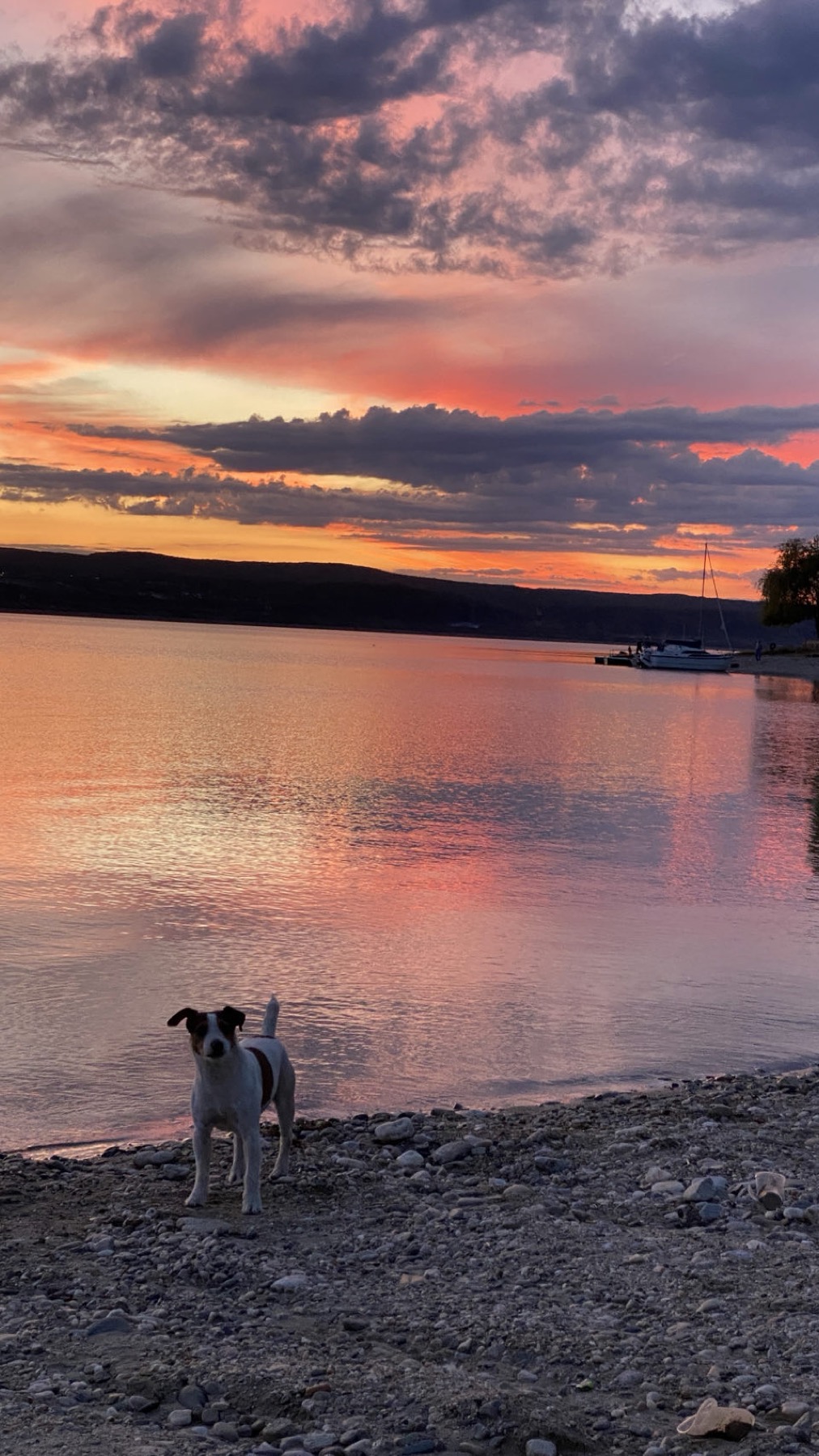
I wanted to go in and I was happy to pay the seventy lei, about fifteen euros. The guards saw the dog and said no: with a dog I could buy a ticket for the gardens and nothing else. One of the girls working there told me that if I was only going to the cafe I did not have to pay anything at all.
So I went to the cafe. And then I walked the entire garden, took my photographs of the castle, tied Jacko up outside, asked a couple of Romanians to keep an eye on him, and went into the castle through the back door, up a staircase against the flow of people coming down, past a barrier, and out at the beginning of the tour.
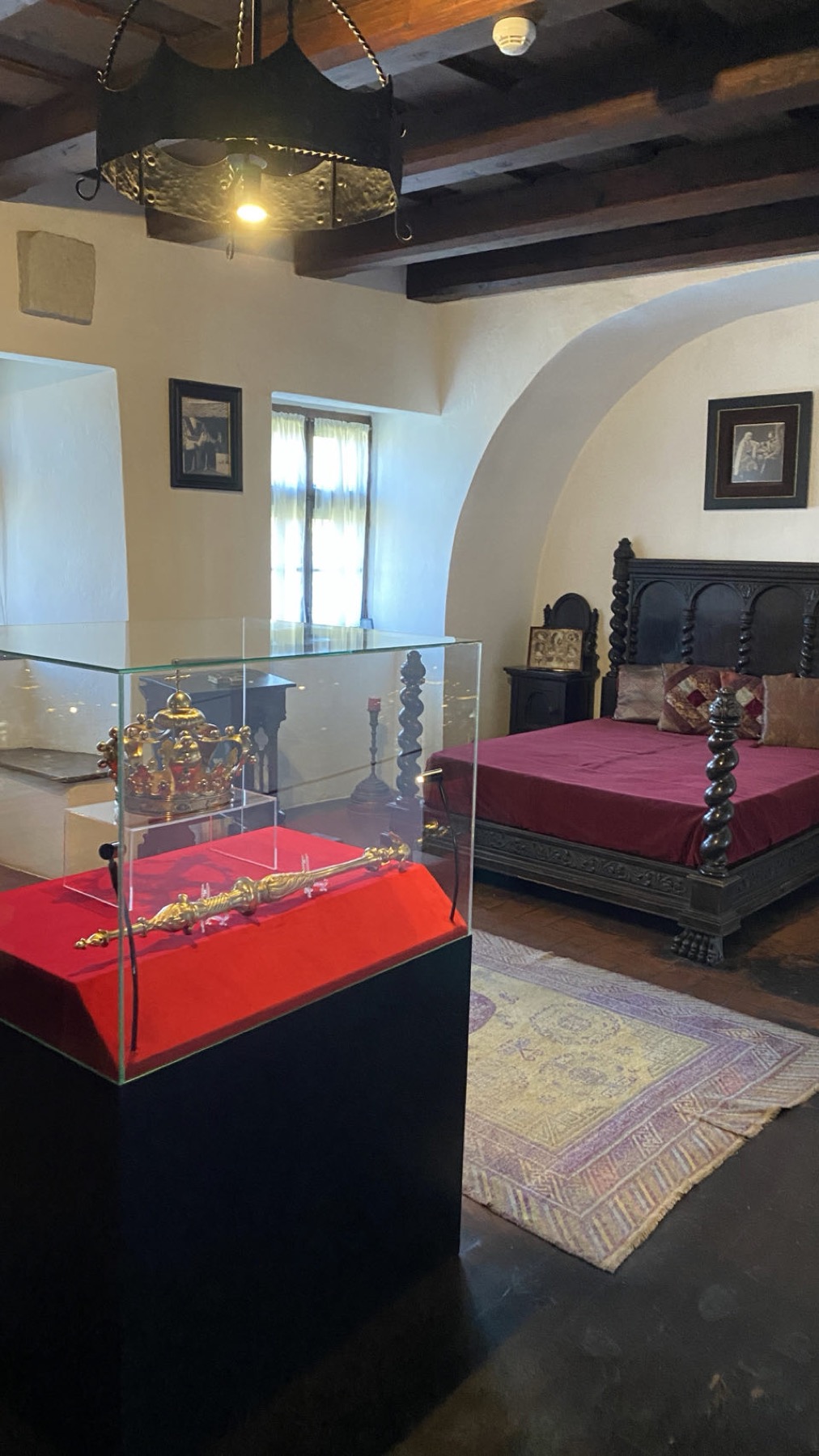
It is seven hundred years old and it was built as a customs post, because this pass was the way goods moved between Europe and the east. Inside are the king's and queen's rooms, a crown and a sword in a glass case, and the story of a royal family that had to abdicate and leave the country in the Second World War. The sister who was left behind with seven children ended up a nun in Pennsylvania, after one of her daughters was killed in an accident.
Dracula, incidentally, never lived there.
They would not take my money, so I went in through the back door and did the whole tour backwards.
The fishermen had the only flat ground for miles.
Out of Bran the country flattens and empties. I rode east through villages that got poorer as I went, no trees, nothing to camp behind, and by half past seven I had almost run out of light and options.
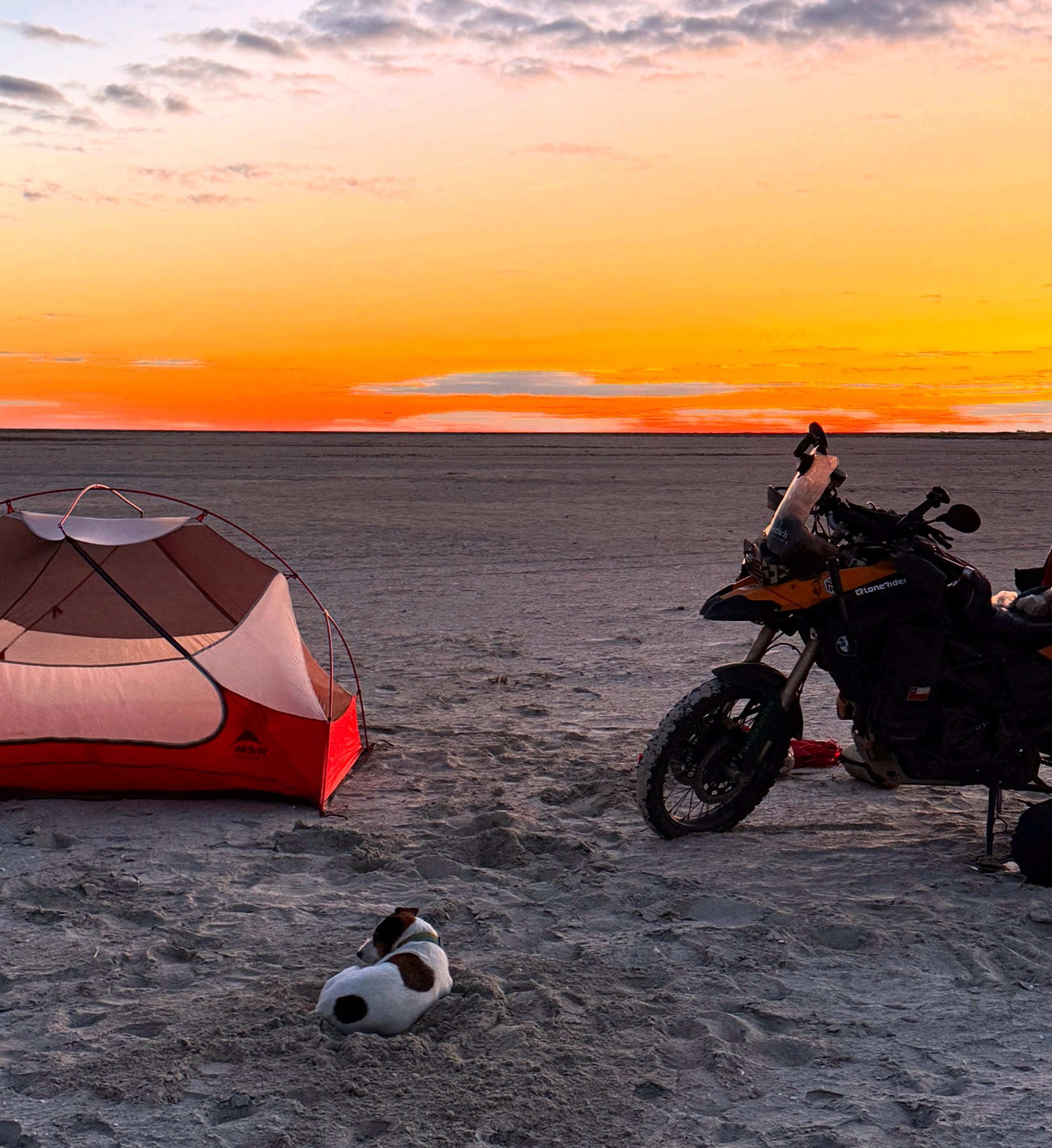
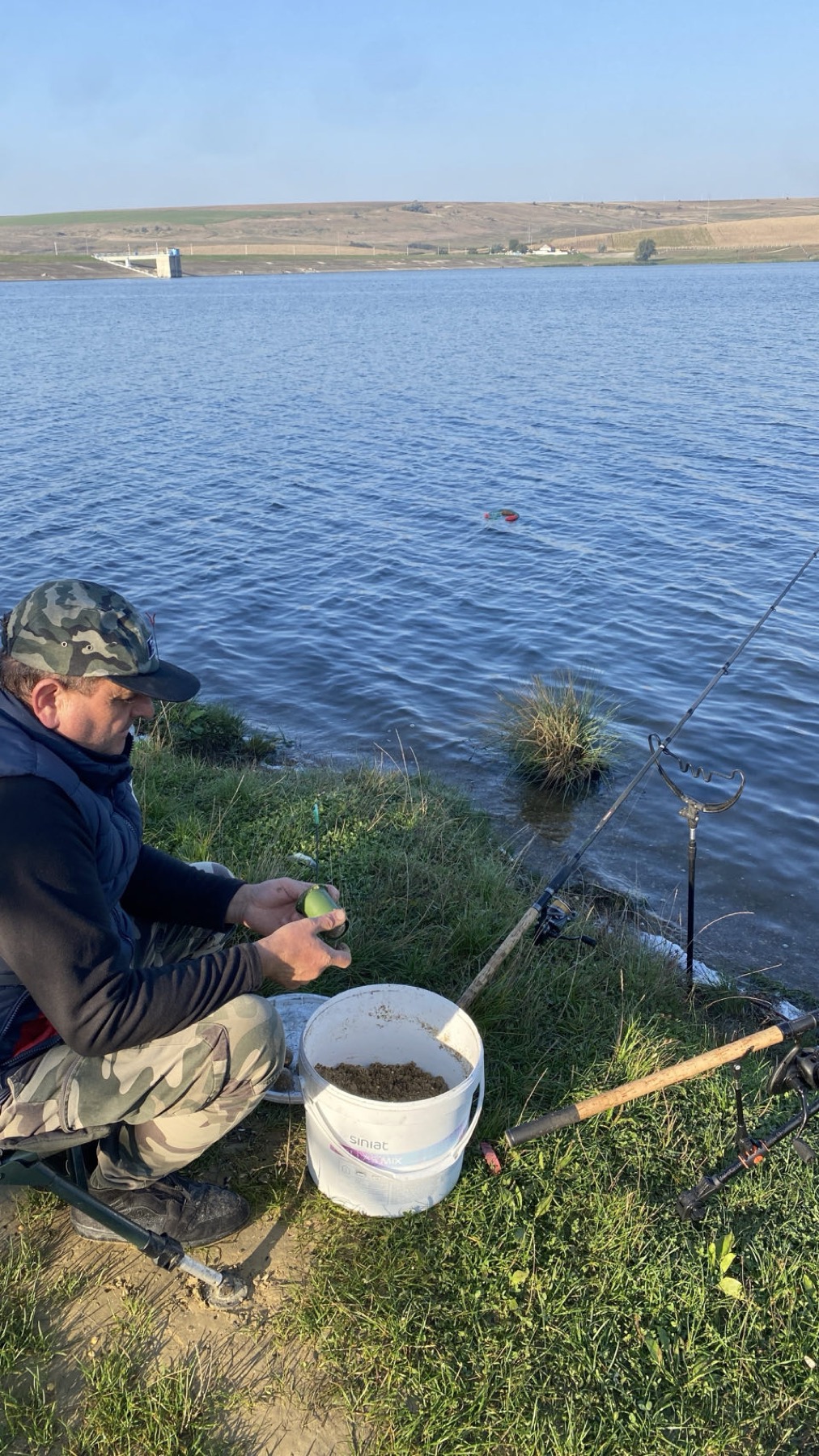
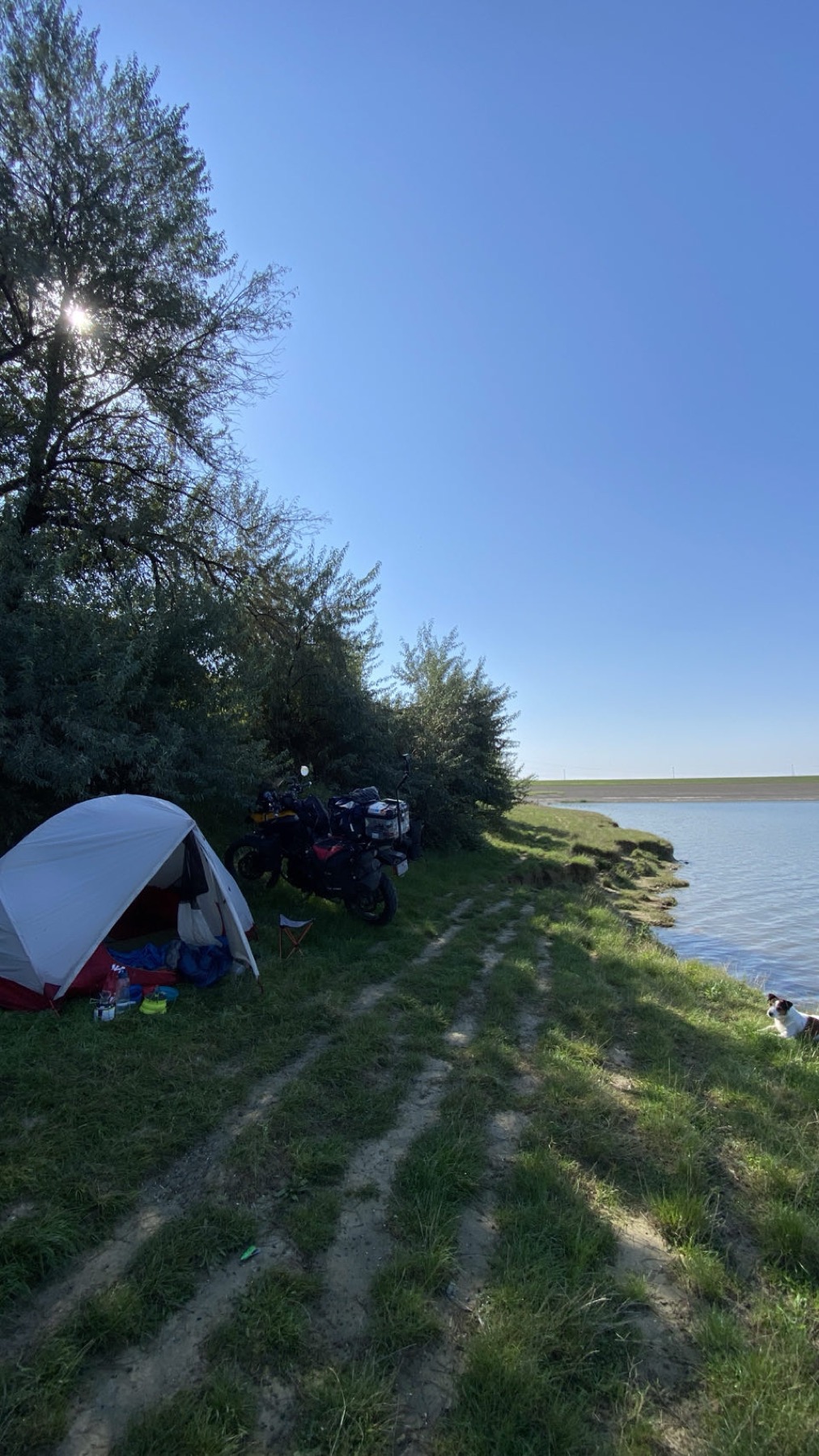
Then a dirt track off the road, and at the end of it an artificial lake with people fishing along the shore. I said hello, rode past them along a grass path until I could not see anybody, and had the tent up fifteen minutes before eight on flat ground beside the water.
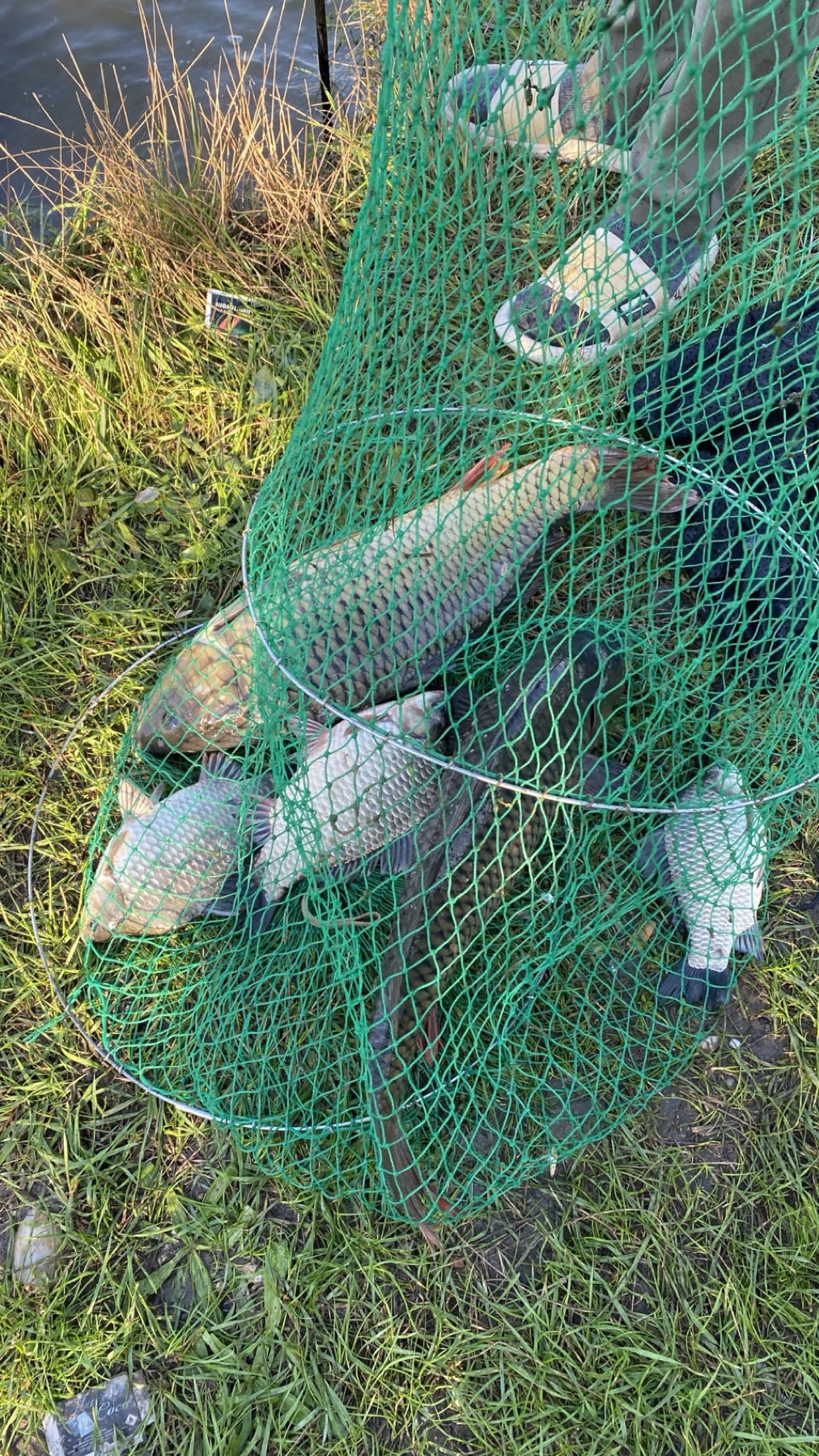
The fishermen were there all night with their lights on and their bait tins out. In the morning one of them showed me the keep net: carp, five or six of them, still moving.
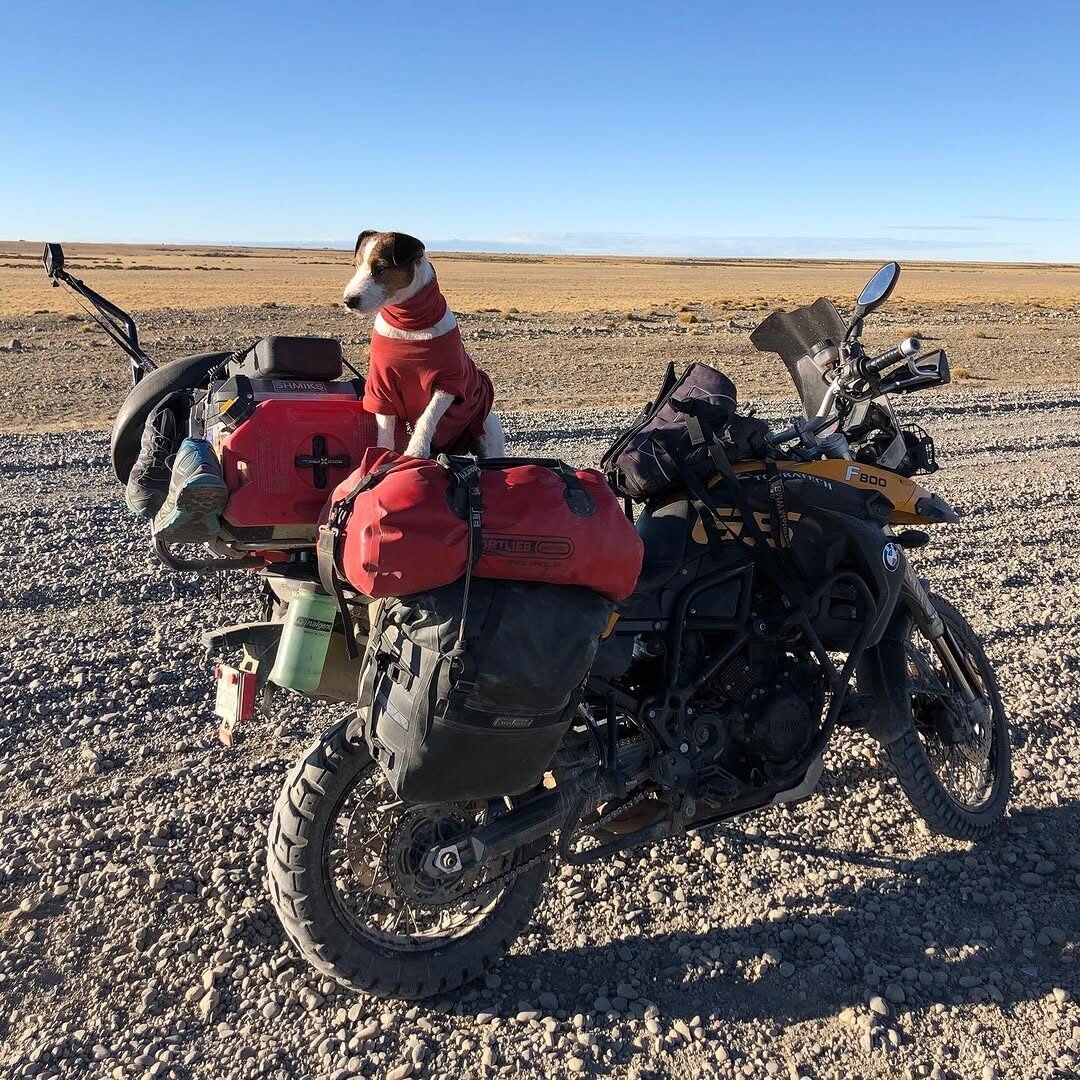
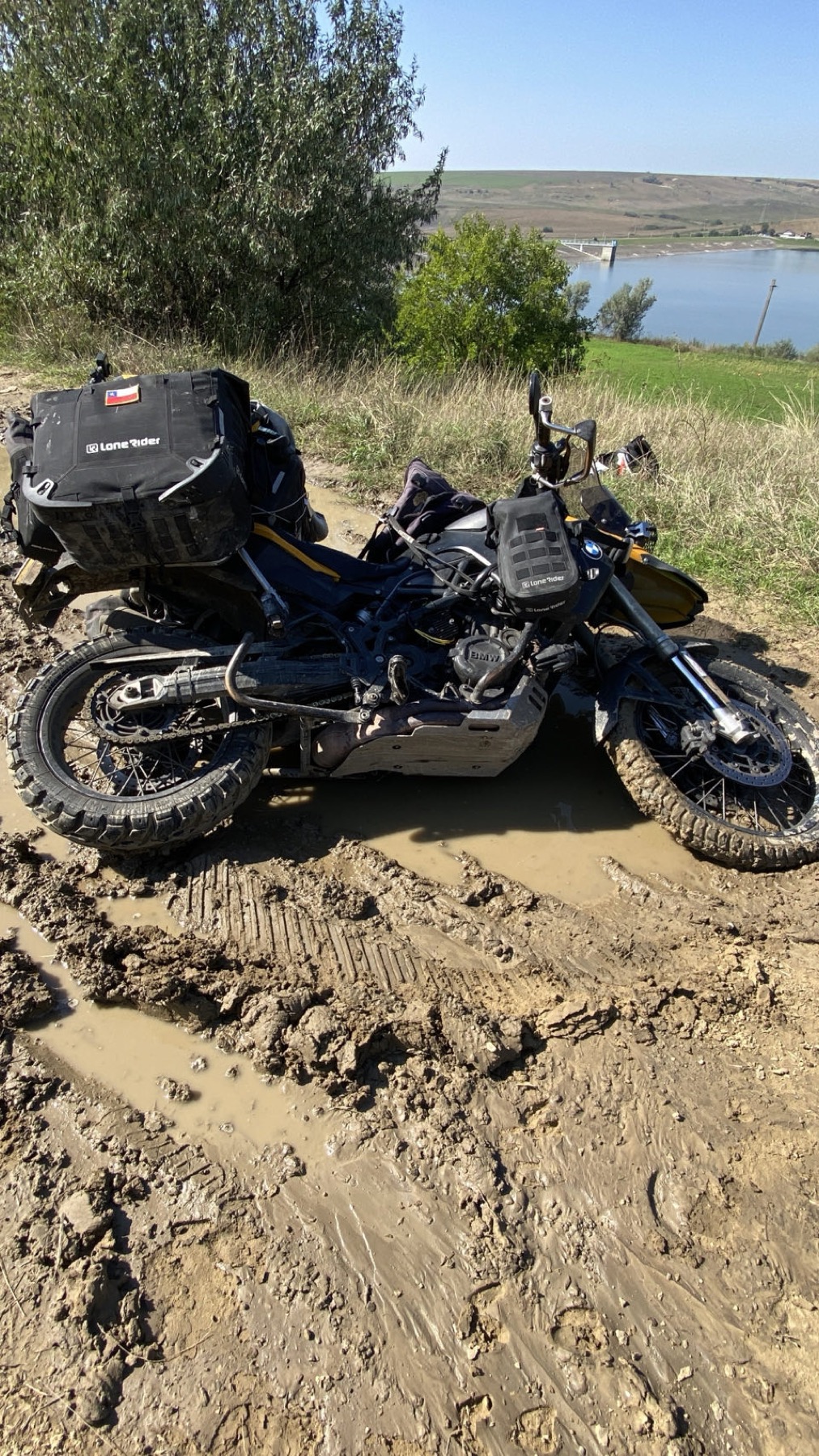
Getting out was the hard part. The track had turned to mud and I put the bike down in it. The rear bag is locked on with a padlock whose combination I do not have, and with that weight on the back I can barely lift the bike alone. I got it up. I made a note to solve that before it mattered.
Refused twice in one day, and camped facing their lights.
Moldova should have been simple. It was not. I went to the crossing at Albita and they refused me. I went to a second crossing the same day and they refused me again, for the same paperwork reasons, with the same shrug.
Three refusals in a week, counting Turkey. By the second one that afternoon I had stopped arguing.
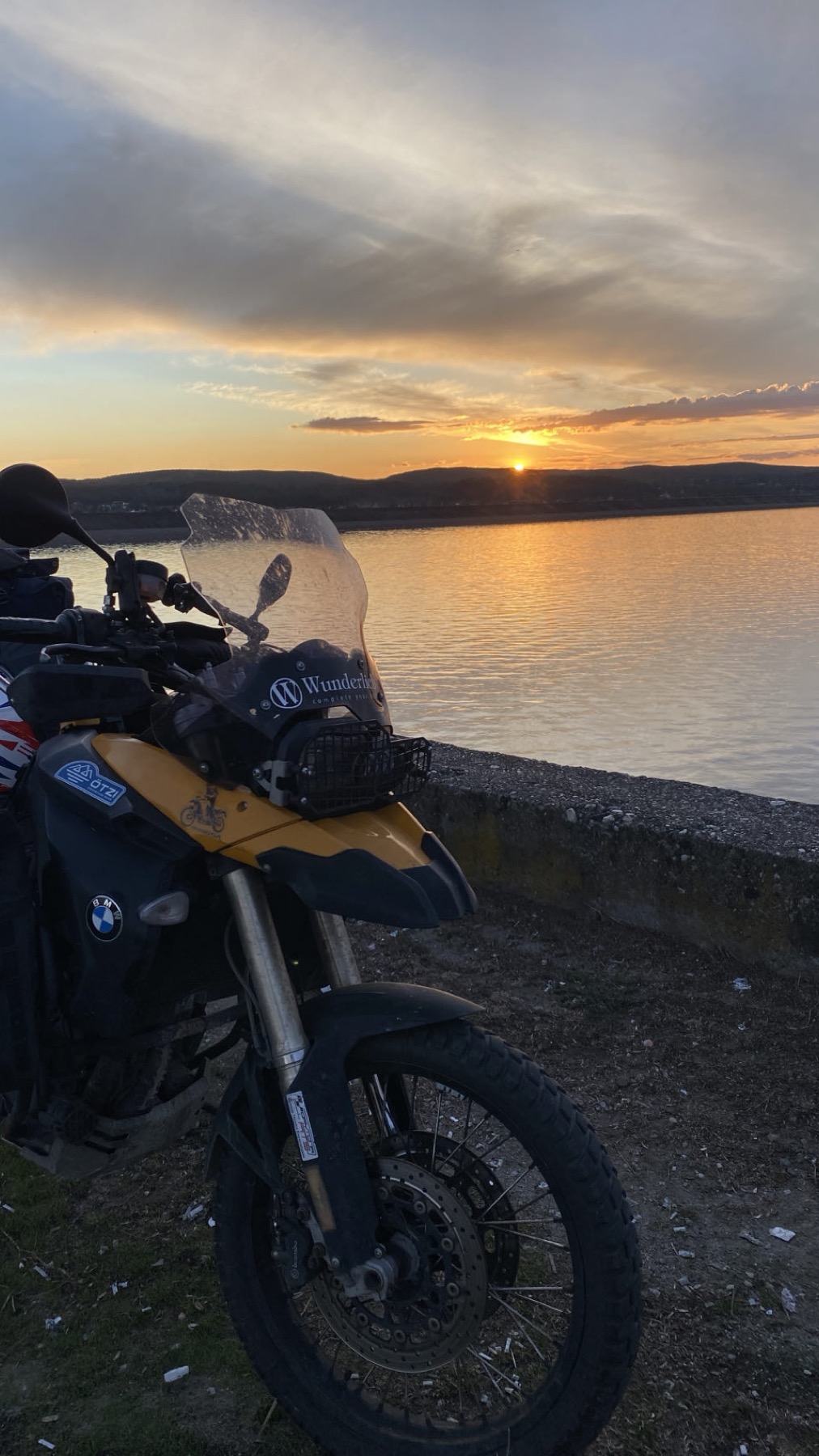
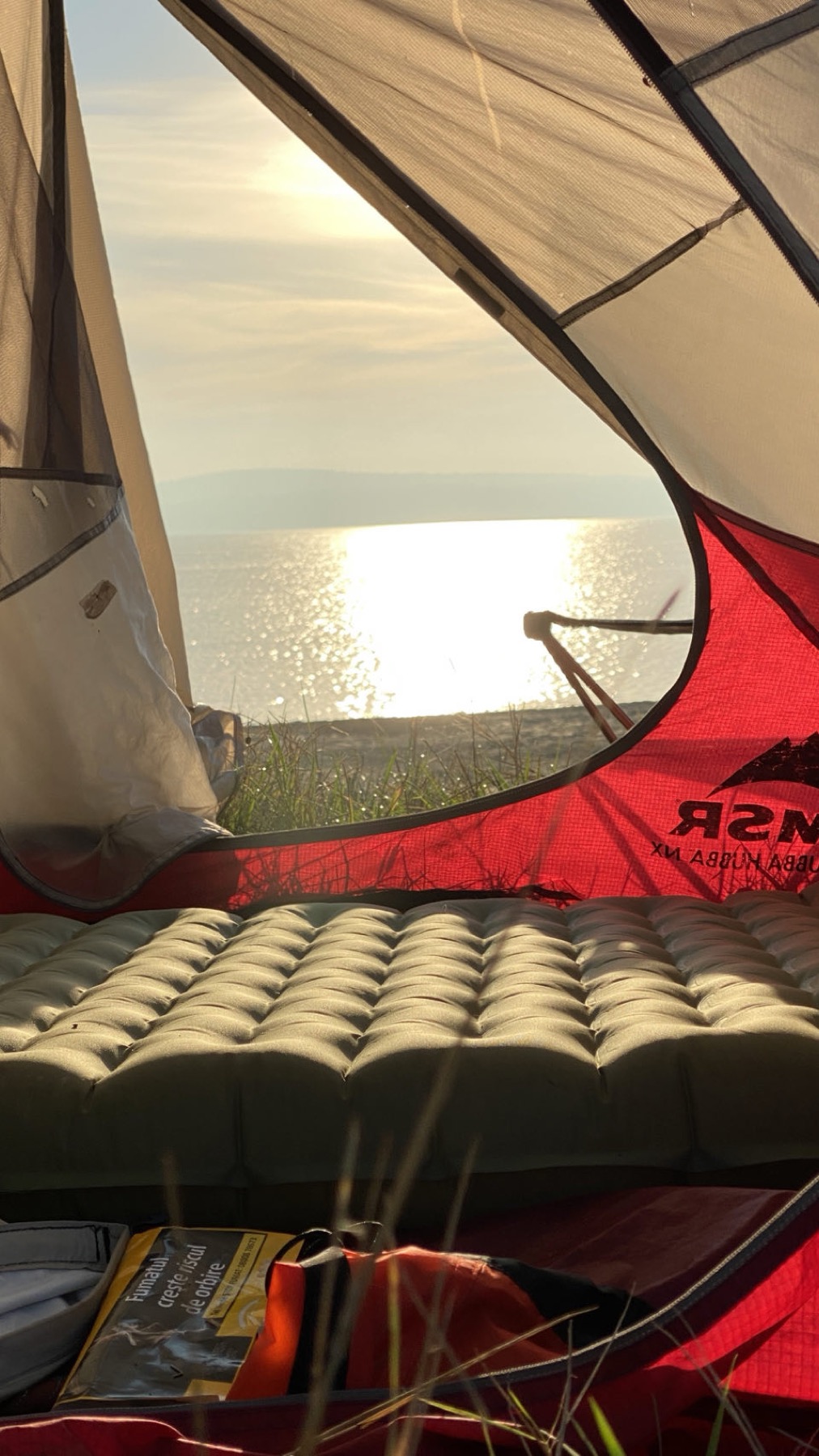
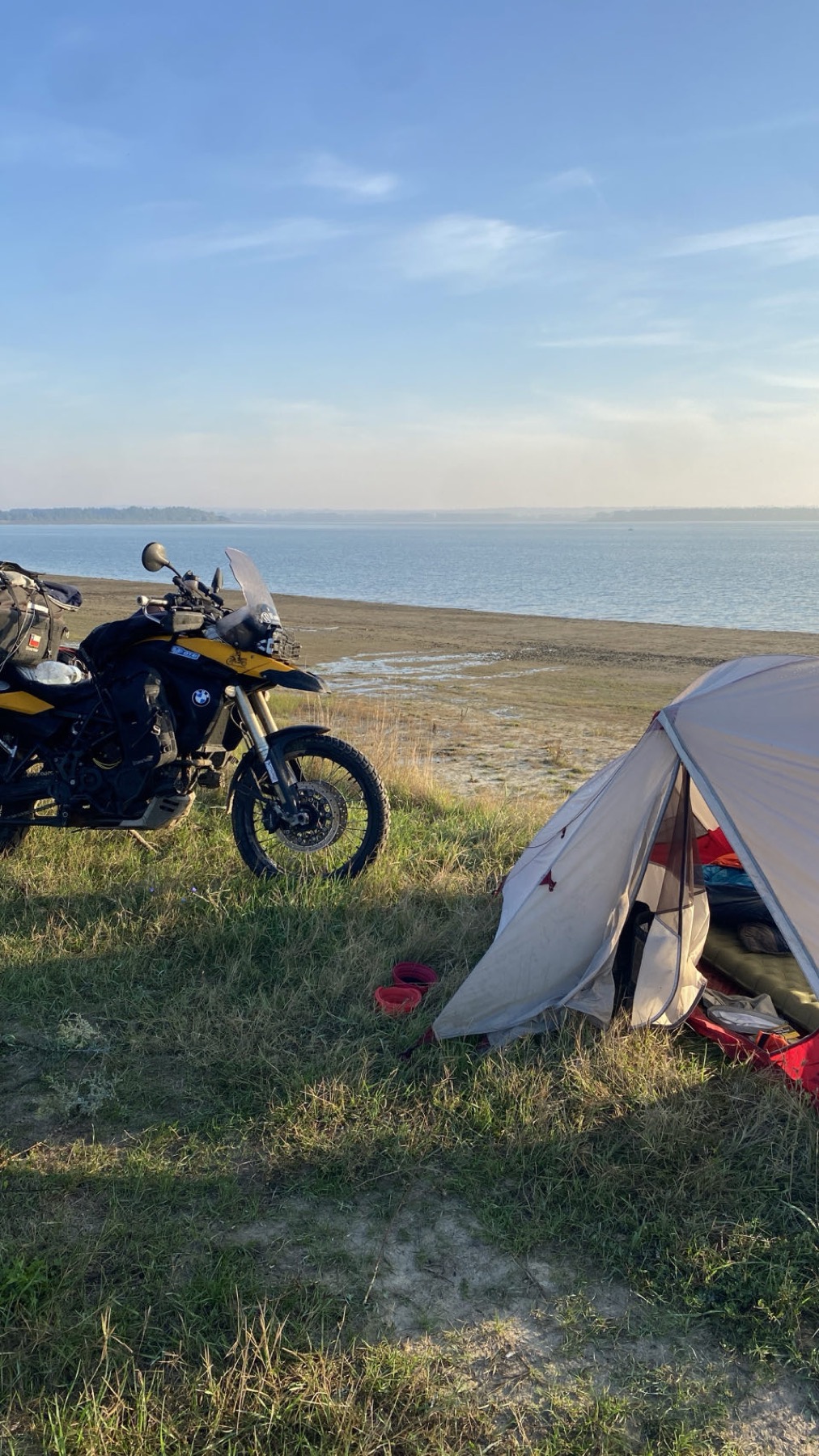
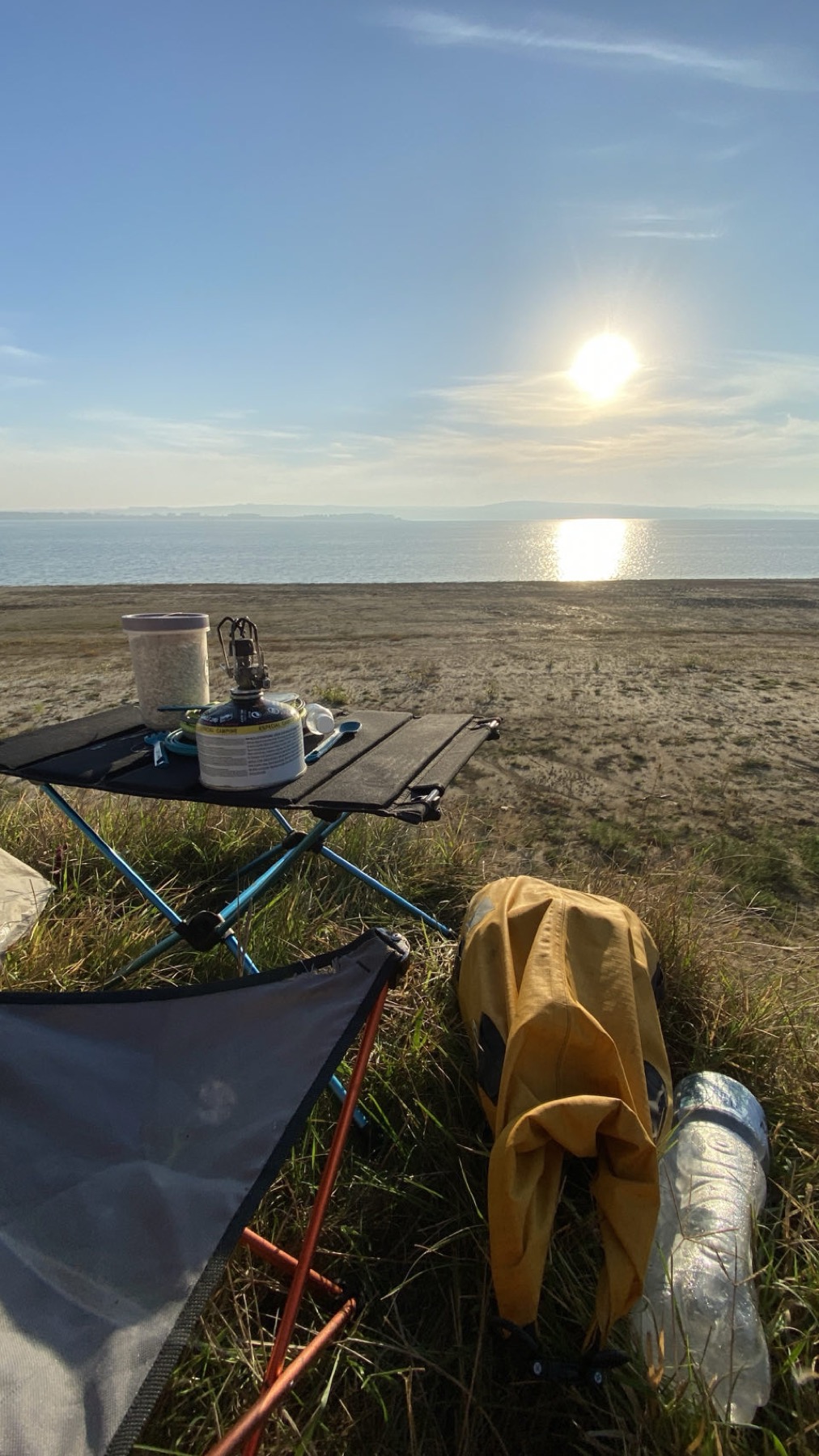
So I did the only thing left: I rode north along the border and found a camp on the Stanca reservoir, on a bluff where the water is the frontier itself. I got the tent up in the dark on a strip of grass above the beach, opened a beer and sat looking across at the lights on the far shore, which were Moldova, twenty minutes away and completely out of reach.
The sun came up over that water the next morning straight into the door of the tent. From there the road went north to Siret, and Ukraine let me in without a single question.
Three refusals in one week. I camped where the water itself was the border and looked at their lights.
The field archive
0 more frames from the road
Everything else from the folder, in the order it was taken.