
Founder-led throughout
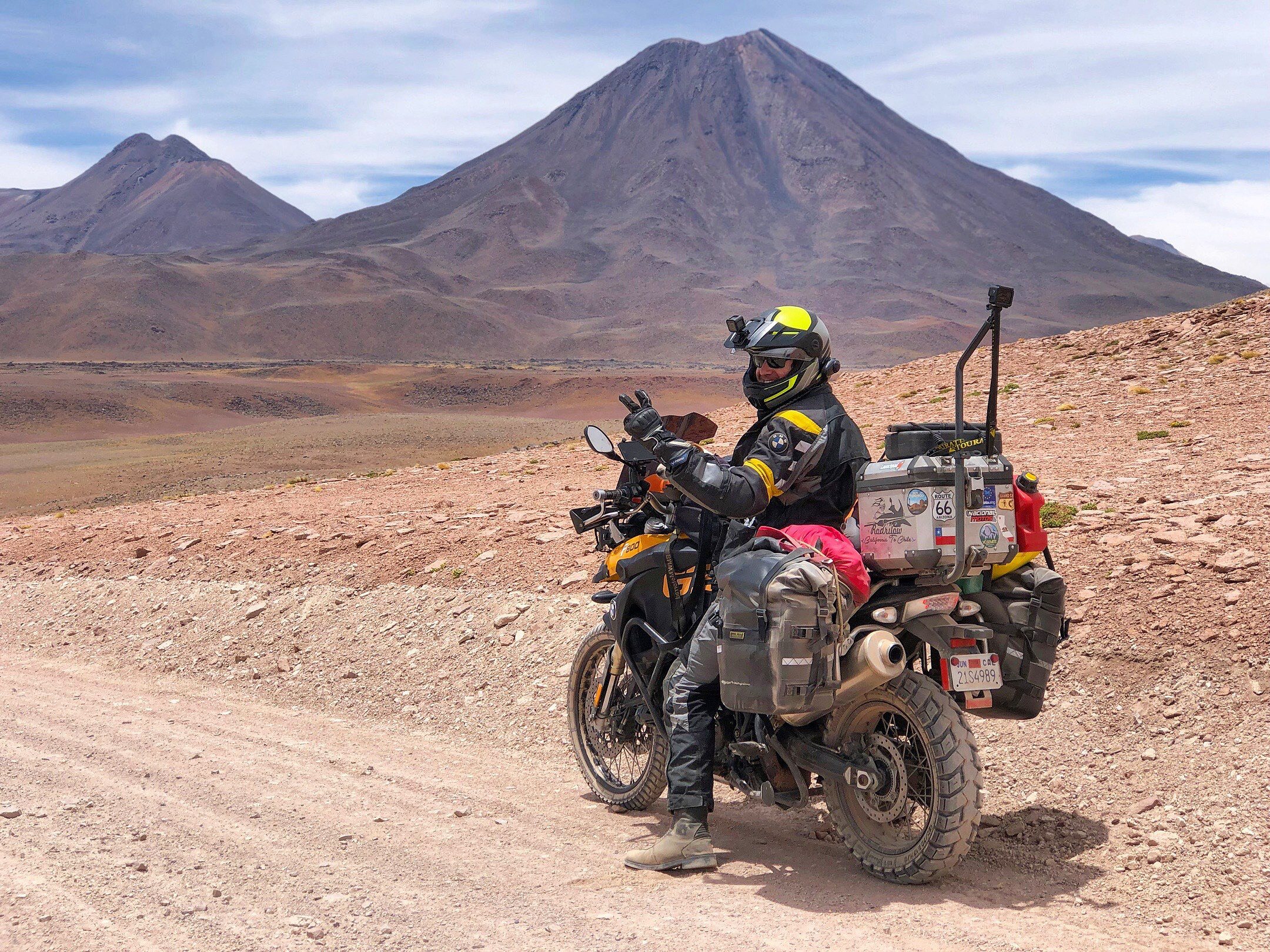
Rodrigo shapes the route, briefs the riders and leads the expedition on the ground.
Ride With Me
A continent crossing taking shape
Working direction: Santiago towards CartagenaHigh Andes, desert, salt flats, cloud forest, immense lowlands, Atlantic coast and a Caribbean horizon.
Long riding days, border crossings, real rest, local food, daily briefings and the flexibility to respond to the continent.
About this expedition
The working route begins in Santiago and travels north through a continent that changes completely from one border to the next. Desert becomes altitude. Altitude becomes rainforest. The Atlantic opens into the Caribbean.
Rodrigo's existing dossier imagines the crossing as two linked stages. The next departure will keep the group to a maximum of three riders, allowing decisions to stay direct and the route to remain adaptable.
The final dates, duration, route and commercial inclusions are still being developed. Registering interest is not a booking. It opens a conversation with Rodrigo and puts you first in line for the confirmed expedition dossier.

The working format
Reference direction onlyThe working support plan
These elements come from Rodrigo's existing expedition dossier. They remain subject to final confirmation for the new three-rider departure.

Rodrigo shapes the route, briefs the riders and leads the expedition on the ground.

The working dossier plans twin-share hotels and lodges, selecting the best practical option available in remote regions.

A support vehicle with passenger capacity and mechanical assistance forms part of the current operating framework.

Pre-departure material, route information, GPS waypoints and daily briefings are planned for every rider.

Transfers at the expedition start and finish are listed in the existing route dossier.

The earlier dossier includes coordinated international motorcycle shipping. Ports and final allowance remain under review.

The first and final shared dinners are explicitly included in the working expedition framework.

The source plan includes an expedition information pack, preparation guidance and a welcome pack before departure.
Currently outside the framework
Local third-party insurance appears in both the included and excluded lists in the original dossier. Rodrigo will resolve it before any booking terms are issued.
The working route dossier
Ten source-backed chapters show the intended direction. They are not final dates, guaranteed stops or a confirmed GPS route.
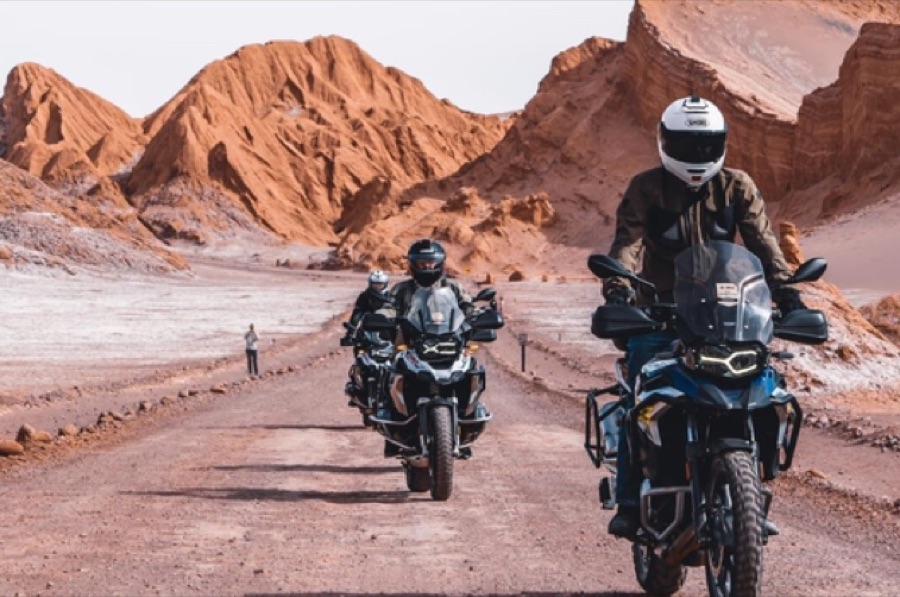
The working route leaves Santiago on the Pan American Highway, follows the Pacific through La Serena, Bahía Inglesa and Taltal, then turns inland. Salt flats, volcanic formations and open horizons lead towards San Pedro de Atacama, where the group takes time to acclimatize before Bolivia.
From San Pedro, the route climbs into the Bolivian Altiplano. Open plains, coloured lagoons and isolated volcanoes frame the approach to Salar de Uyuni. The working line then continues through Oruro towards La Paz for rest, acclimatization and preparation for a dramatic change of climate.
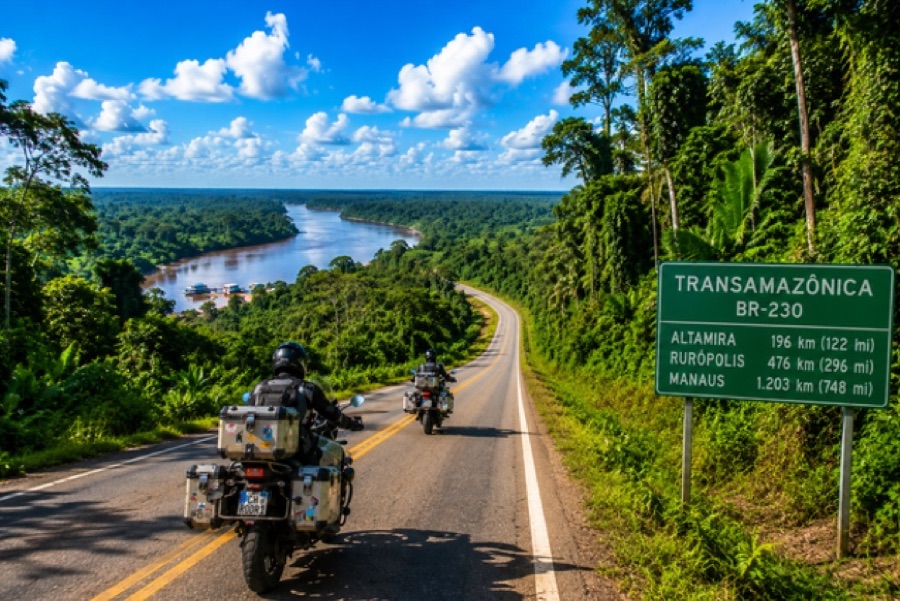
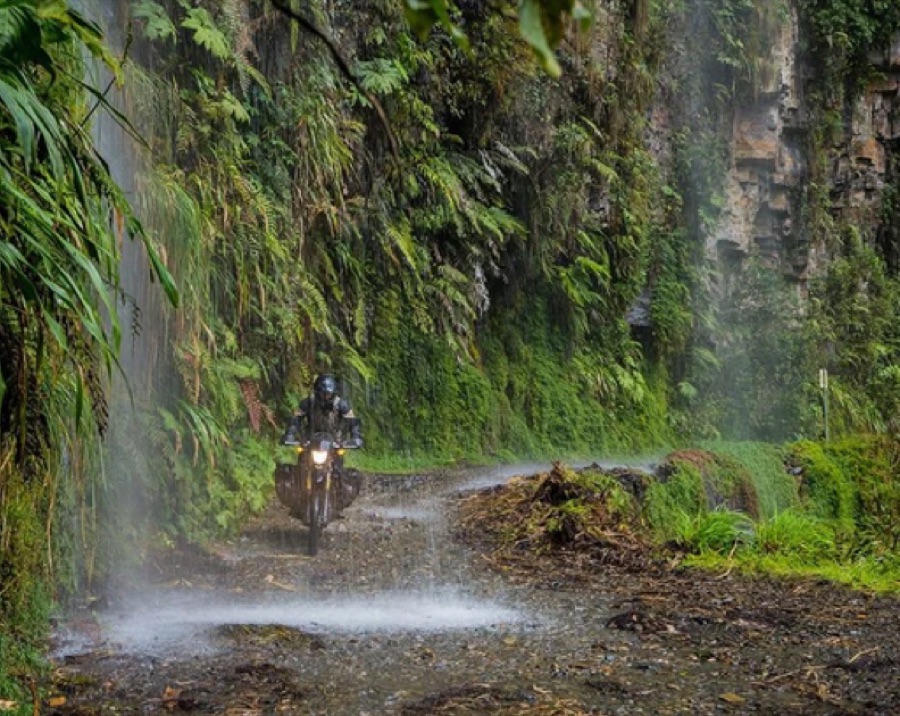
Leaving La Paz, the road drops from the high Andes through steep mountains, cloud forest and narrow valleys. Dry alpine terrain gives way to waterfalls, rivers, dense vegetation and tropical heat before reaching Rurrenabaque on the edge of the Amazon basin.
The journey continues east through Bolivia's immense lowlands, small settlements and sparsely populated agricultural regions. Flatter landscapes and bigger skies create a quieter rhythm before the working route crosses into Paraguay, far from the continent's familiar tourist lines.
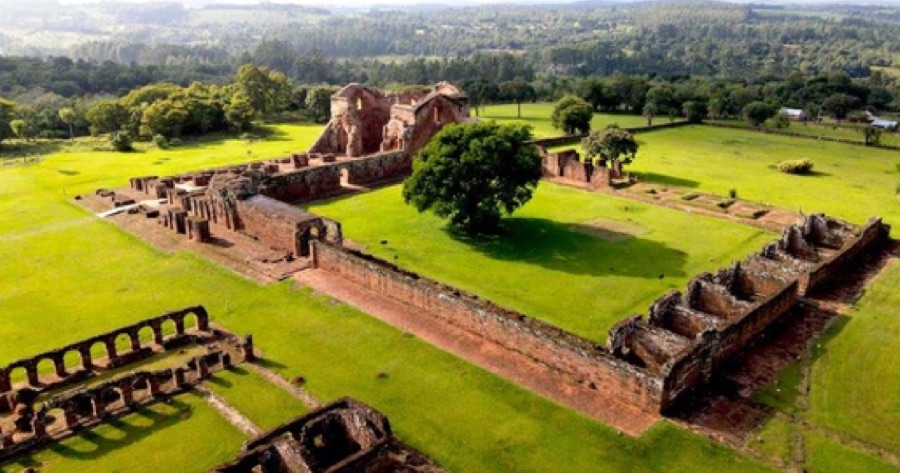
Paraguay brings open roads, rural communities and a slower view of the continent. The landscape becomes greener towards the border shared by Paraguay, Argentina and Brazil, where Iguazú Falls creates one of the defining natural moments in the route dossier.
After remote roads, mountains and jungle, Buenos Aires provides a deliberate cultural pause. The working plan allows time to rest and explore before crossing the Río de la Plata into Uruguay, where quieter coastal roads and open Atlantic landscapes soften the pace again.
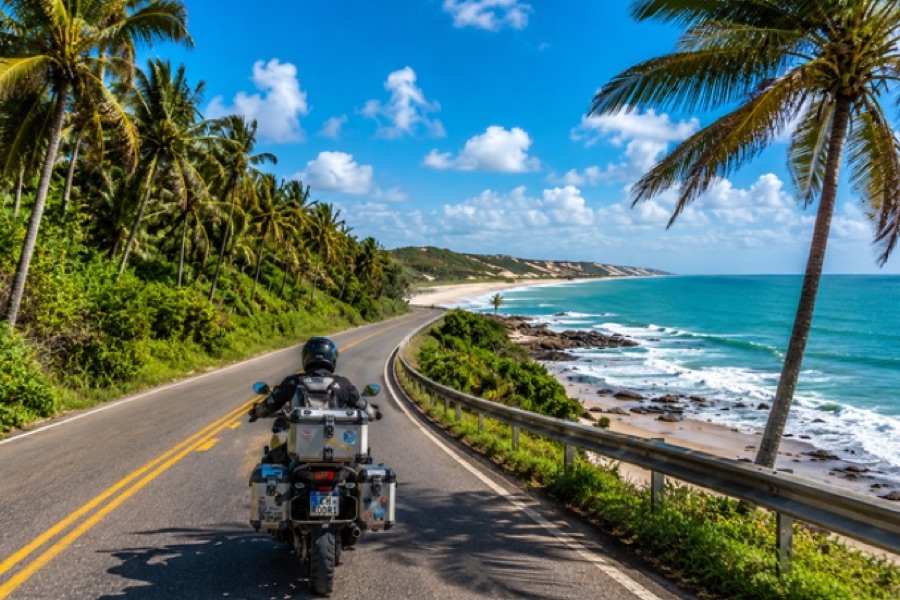
Brazil changes the language, culture and landscape at once. The route concept follows the Atlantic coastline through Porto Alegre, Florianópolis and Curitiba, then towards the Serra do Mar, Ilhabela and Paraty before reaching Rio de Janeiro.
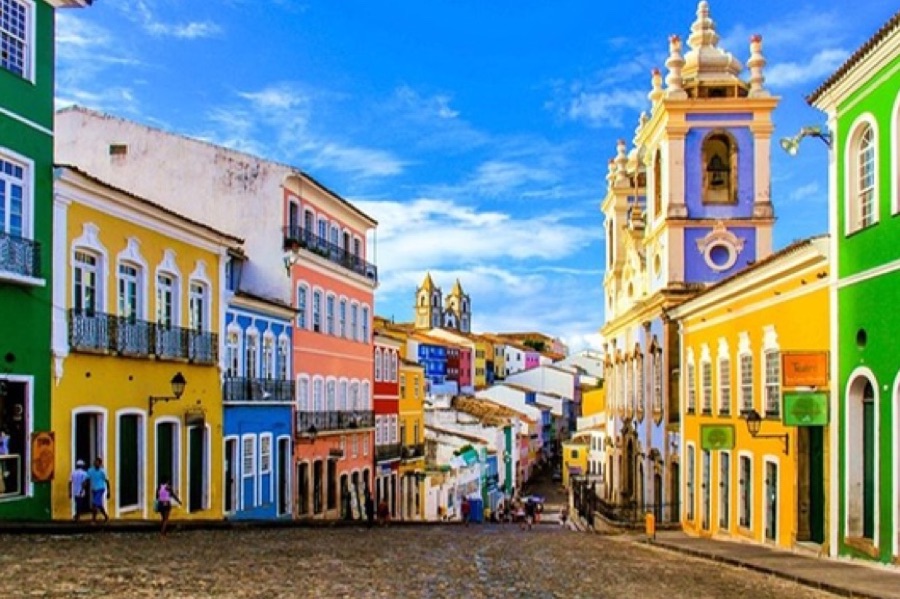
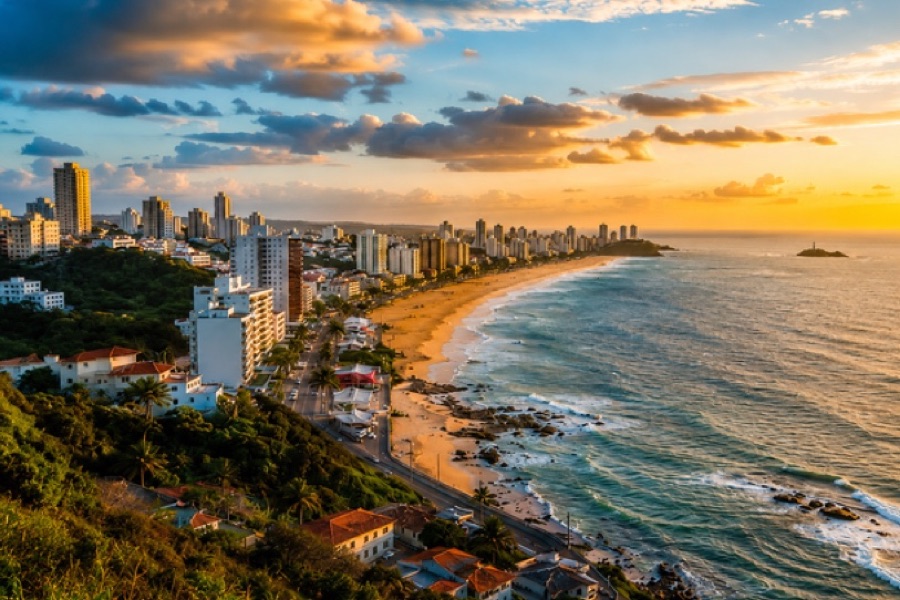
From Rio de Janeiro, the line continues north through tropical coast, remote beaches, colonial architecture and Afro-Brazilian culture. Salvador de Bahía marks the end of the first working stage and the gateway into the more remote northern half of the crossing.
The source dossier continues from Salvador through Aracaju, Maceió, Recife and Natal towards Fortaleza. Warmer weather, Atlantic beaches, fishing villages and immense distances define the opening of the second working stage.
Beyond Fortaleza, the route turns towards São Luís and Belém. Infrastructure becomes more limited, the tropical environment grows denser and logistics play a larger role. The dossier places the expedition near some of South America's most isolated roads by the end of this chapter.
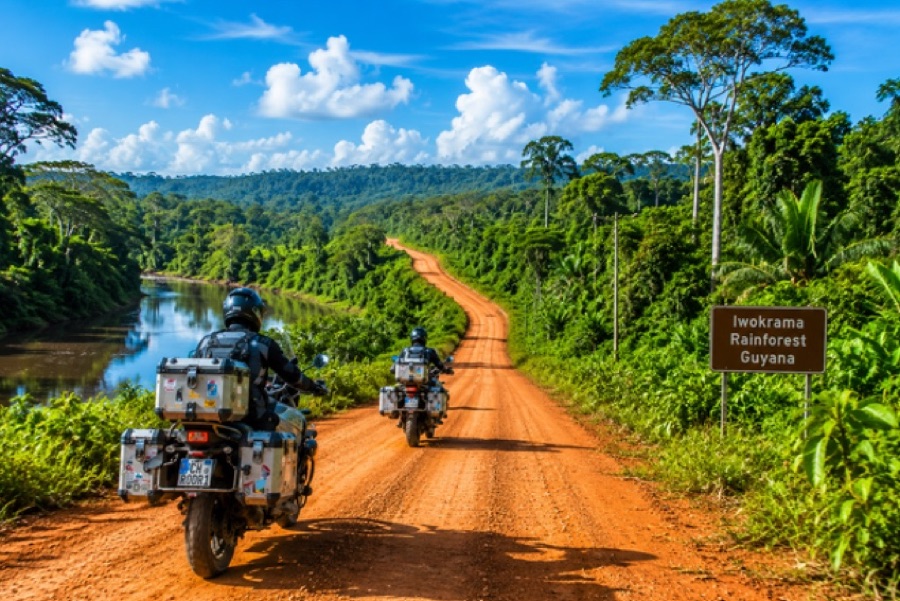
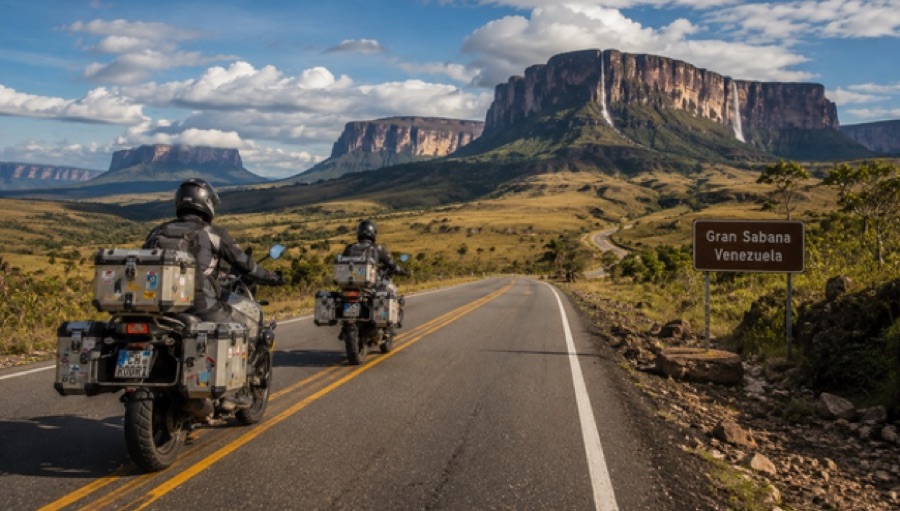
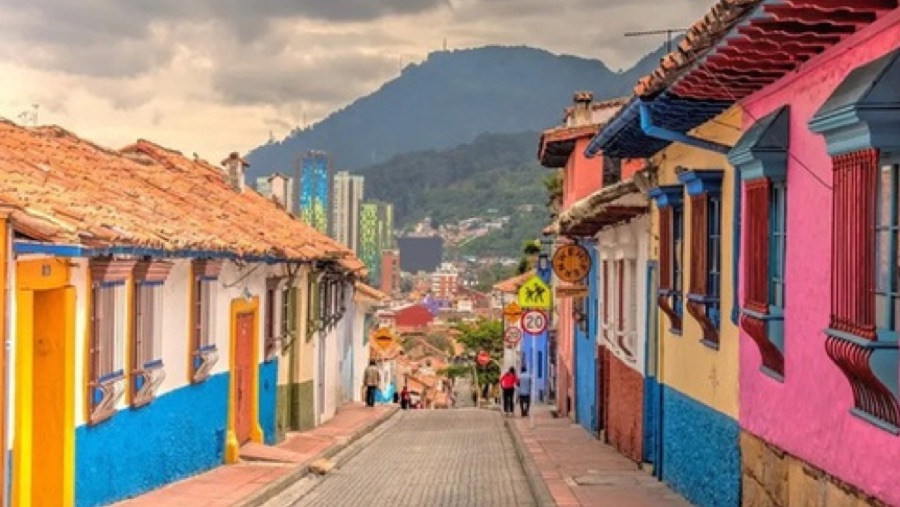
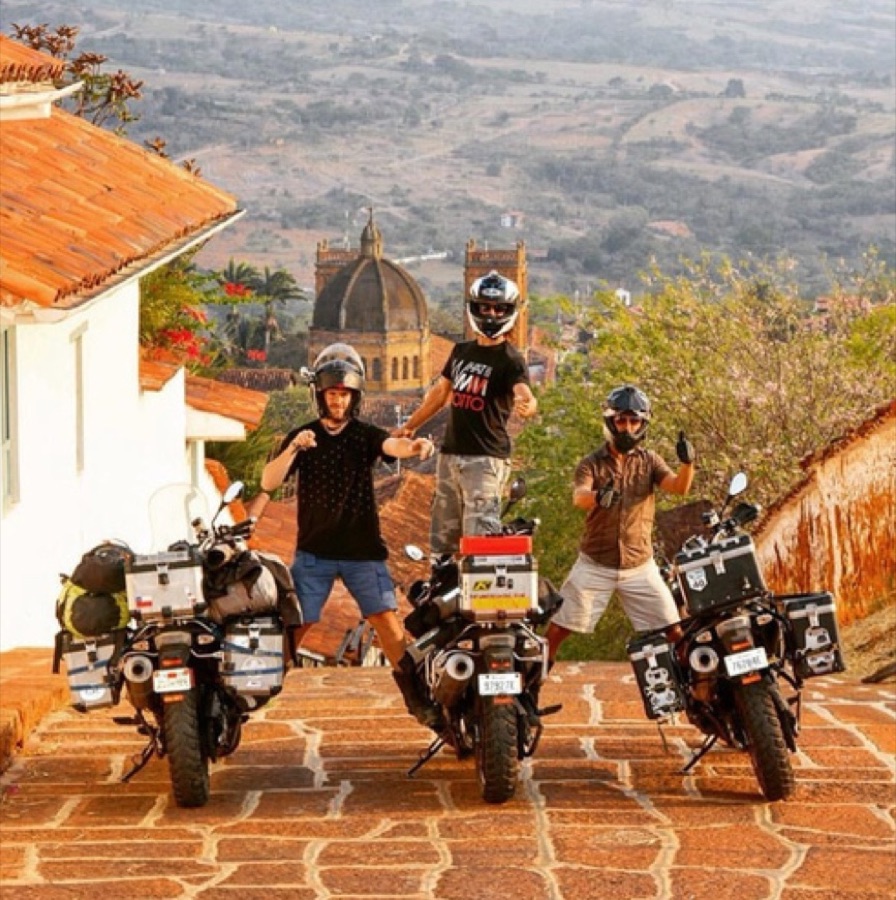
The source material points towards the Amazon, Guyana, Suriname, Venezuela's Gran Sabana, the Colombian Andes, Medellín, Mompox and Cartagena. A separate detailed Stage Two dossier has not yet been supplied, so those places are shown as working milestones rather than a finished weekly itinerary.

Your expedition leader
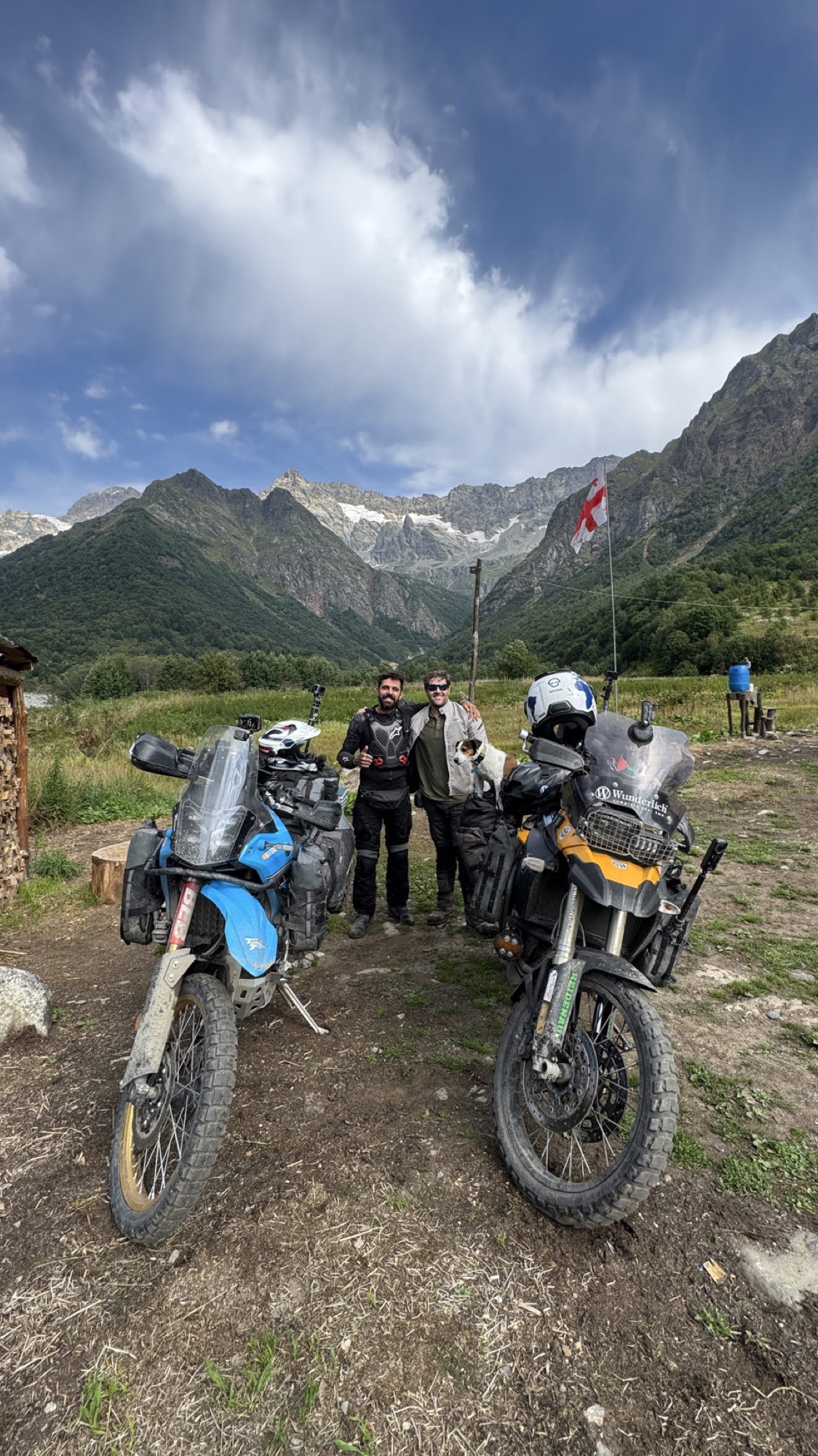
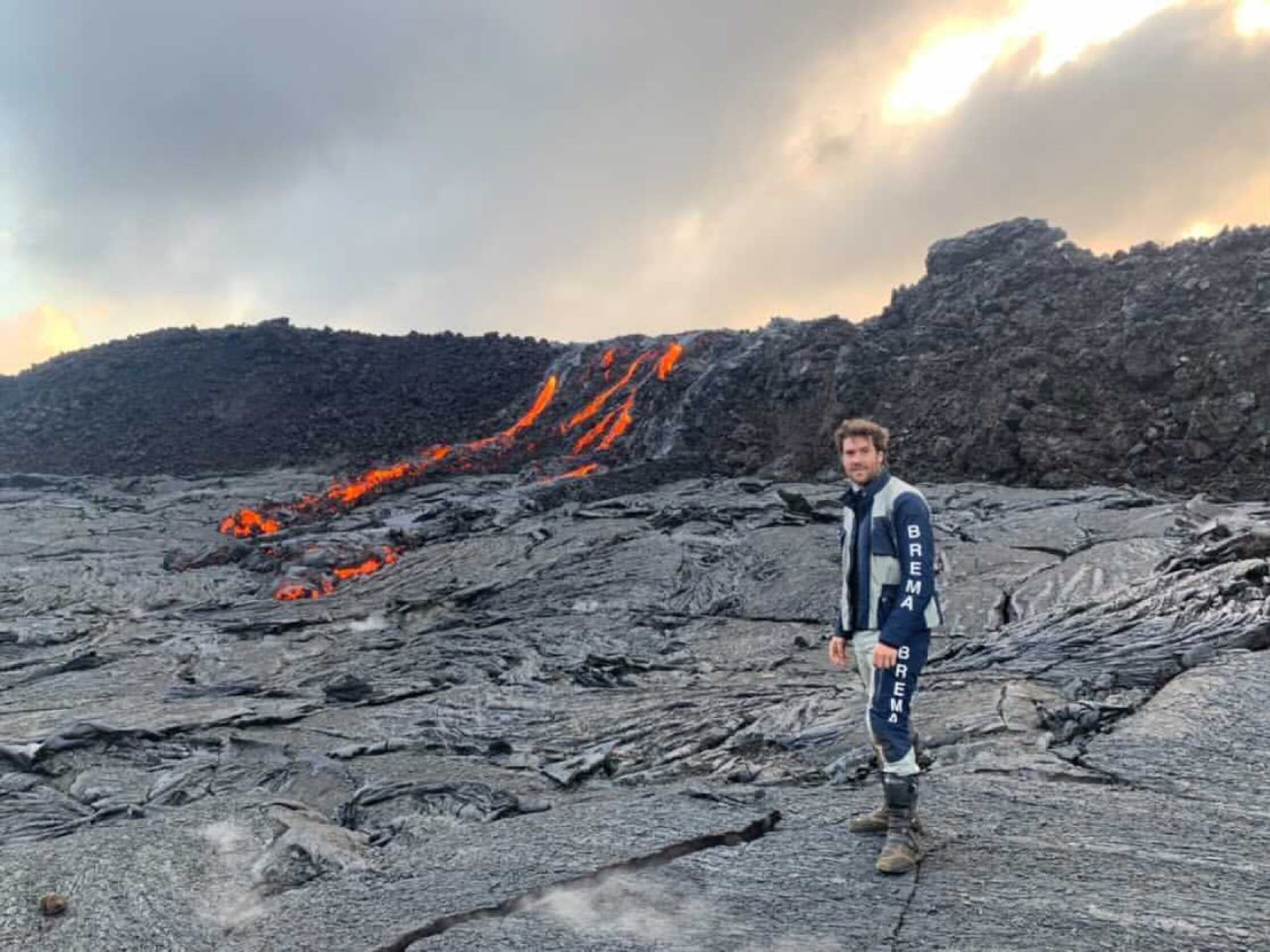
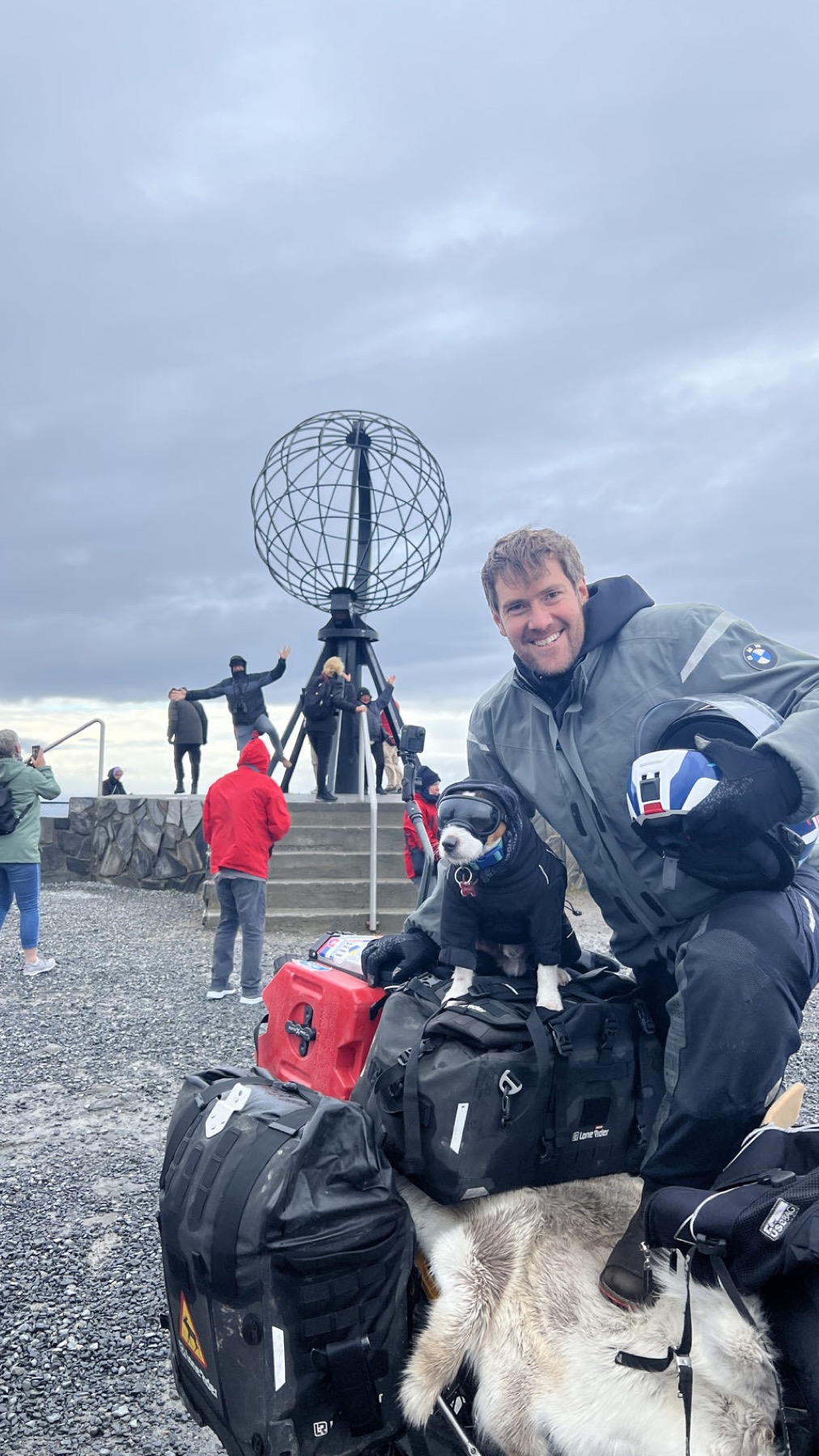
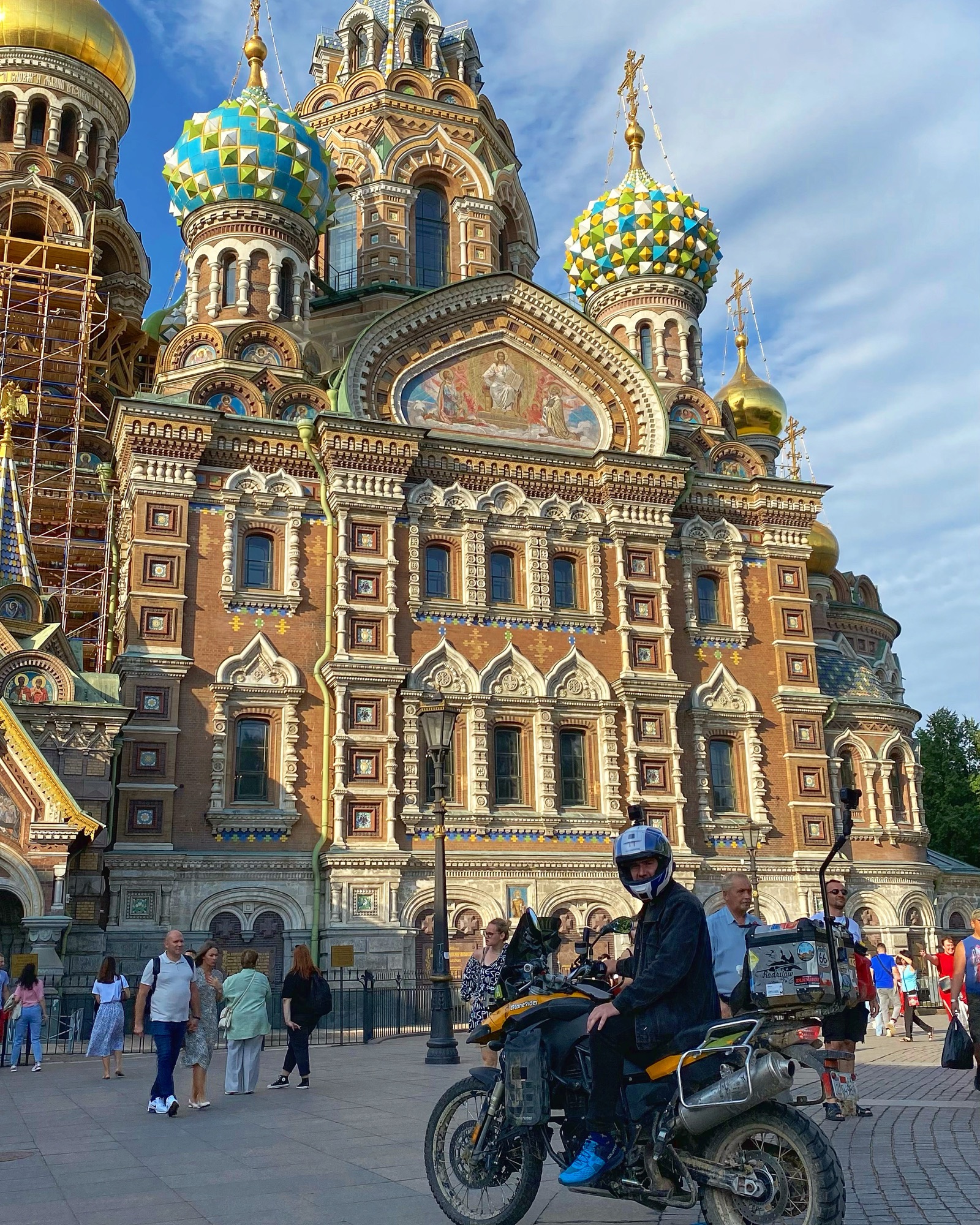
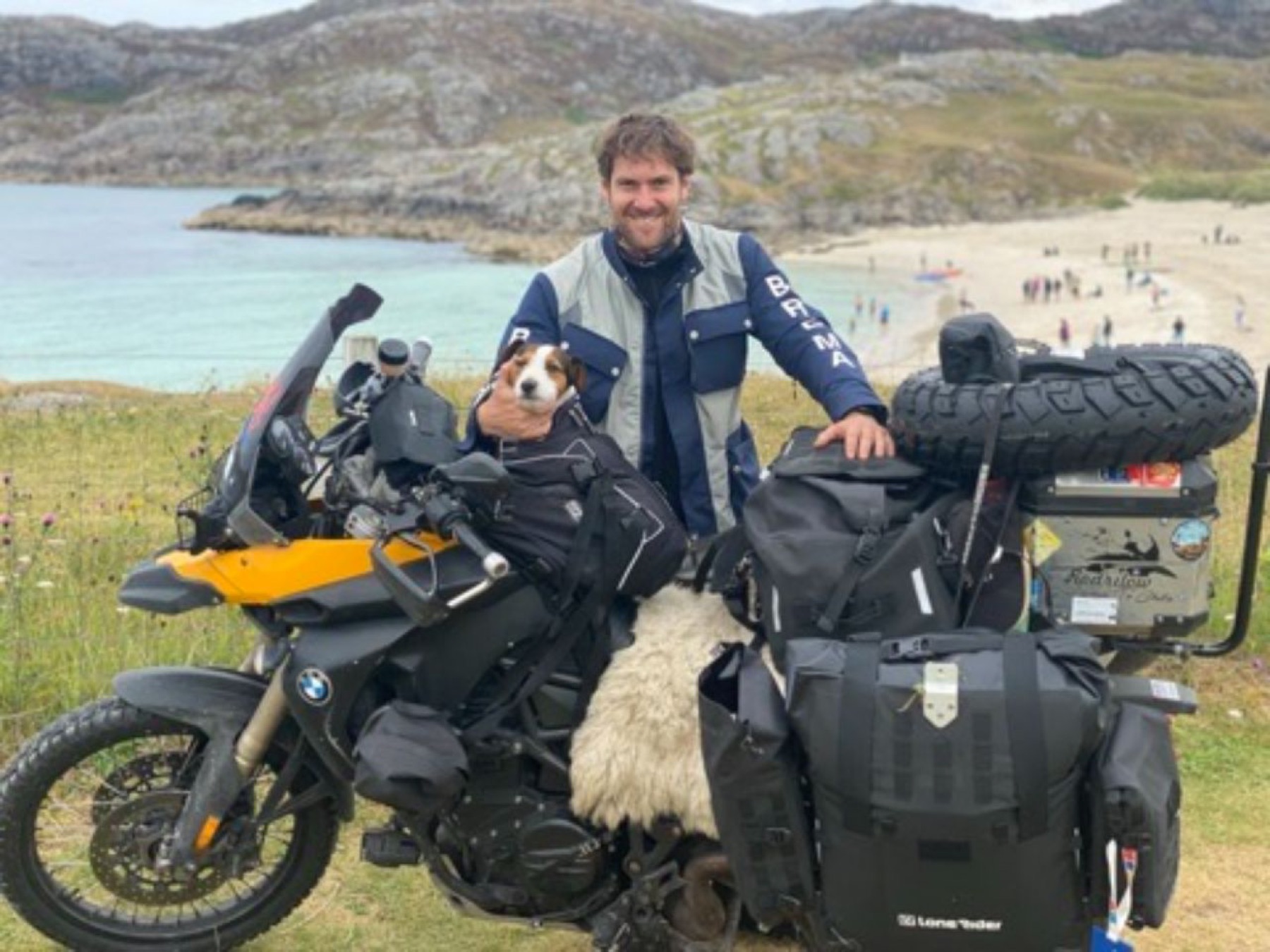
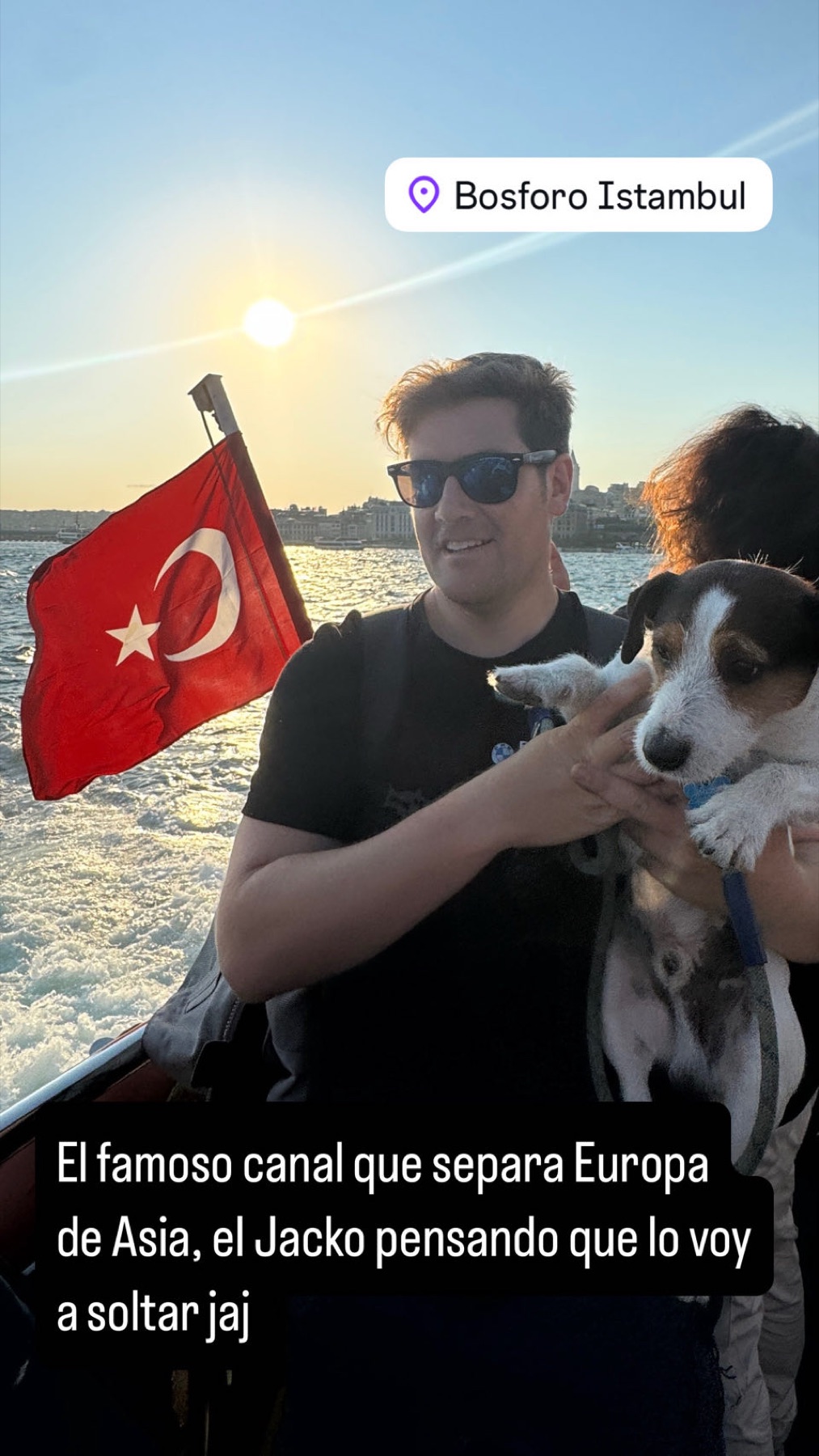
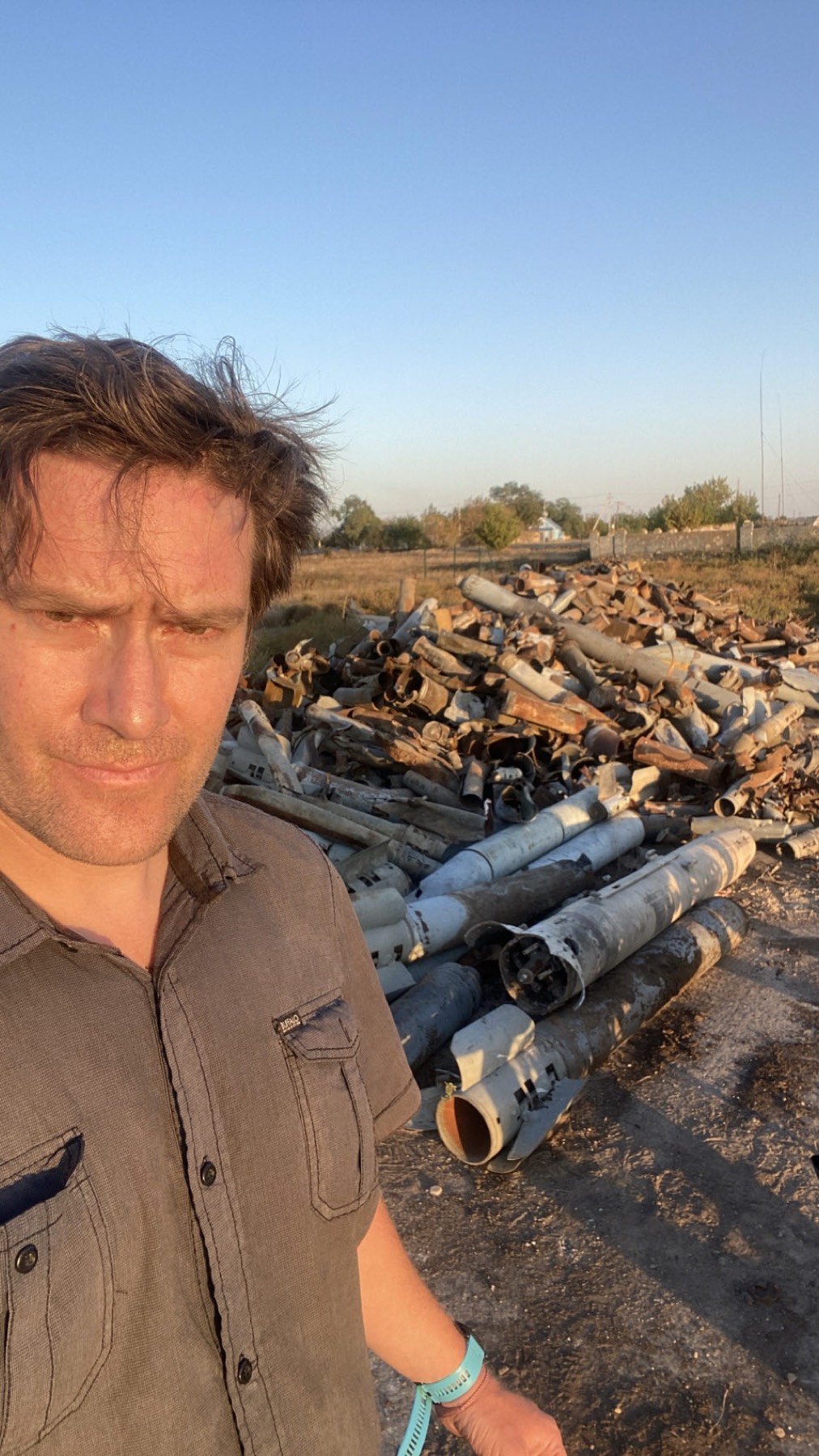
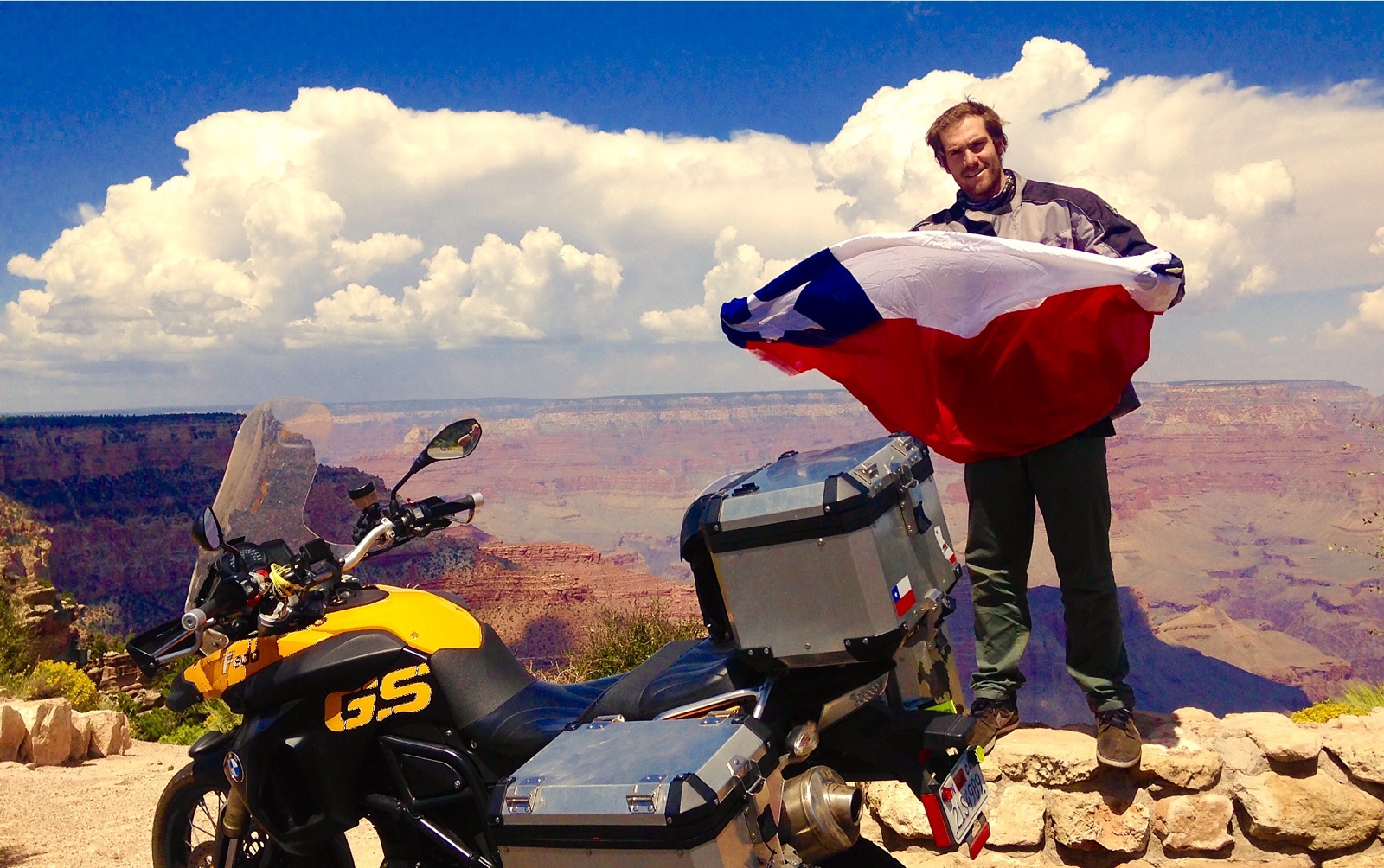
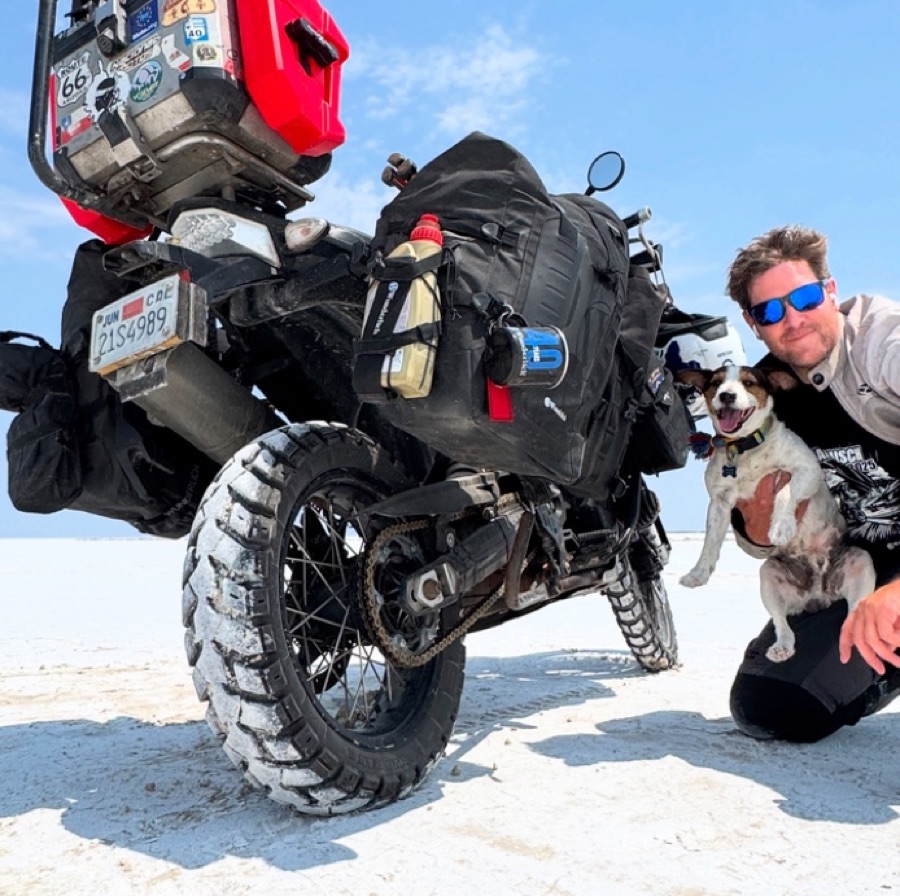
Rodrigo is a Chilean adventure rider with more than a decade on the road and over 70 countries behind him. That experience matters most when a border changes, weather closes in or the route needs a better decision than the original plan.
The group is limited to three riders so route judgement, rider support and communication stay direct throughout the crossing.
The person shaping the route is the person leading it.Read Rodrigo's Story
The field standard
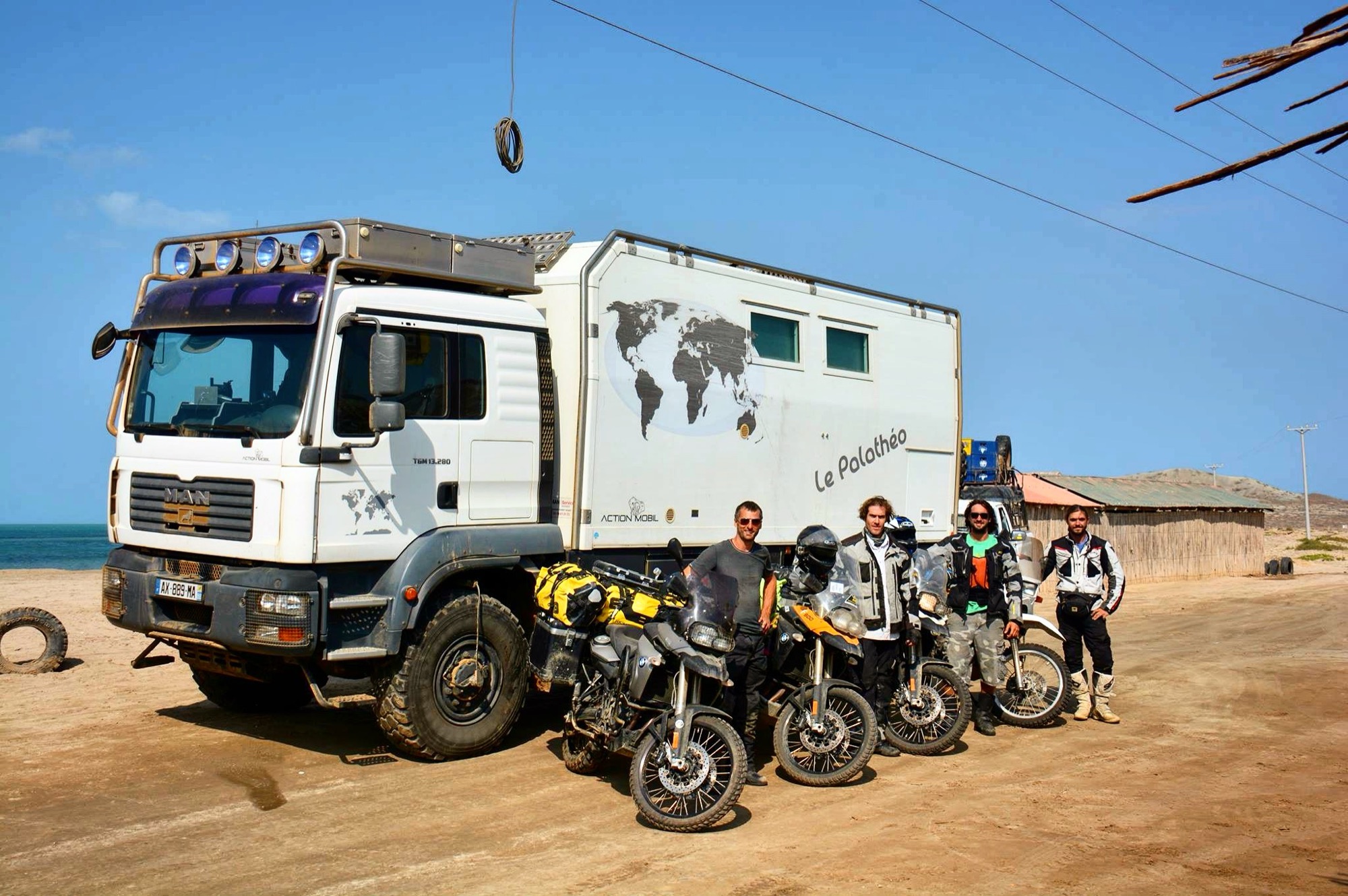
The working framework pairs Rodrigo's route leadership with a support vehicle, mechanical assistance, daily briefings and help coordinating the practical problems that appear across borders.
The support vehicle can carry passengers when needed. It is not designed to transport motorcycles over long distances except in a genuine emergency.
Ask Rodrigo A Question
Your equipment
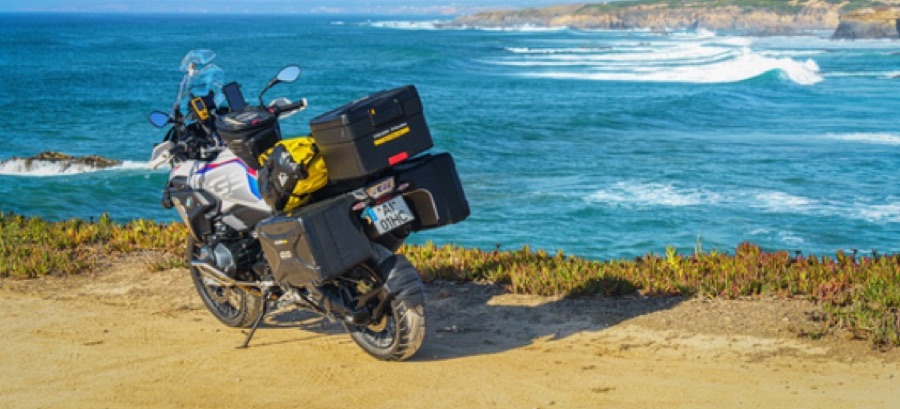
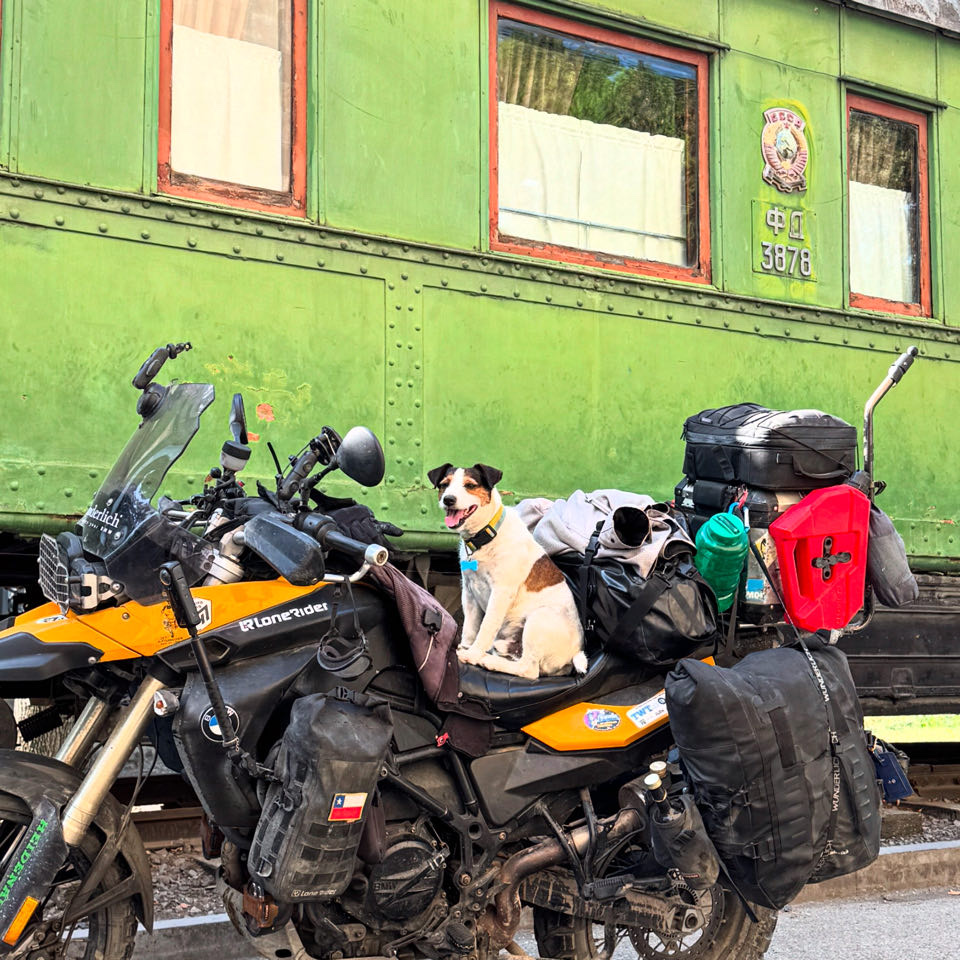
Familiarity matters over a crossing of this scale. The current concept does not include rental motorcycles.
Recommended platform
Before shipping


Where the day ends
The source plan uses carefully selected two to three-star hotels, lodges and local stays. The priority is cleanliness, comfort, location and a genuine sense of place, not luxury for its own sake.
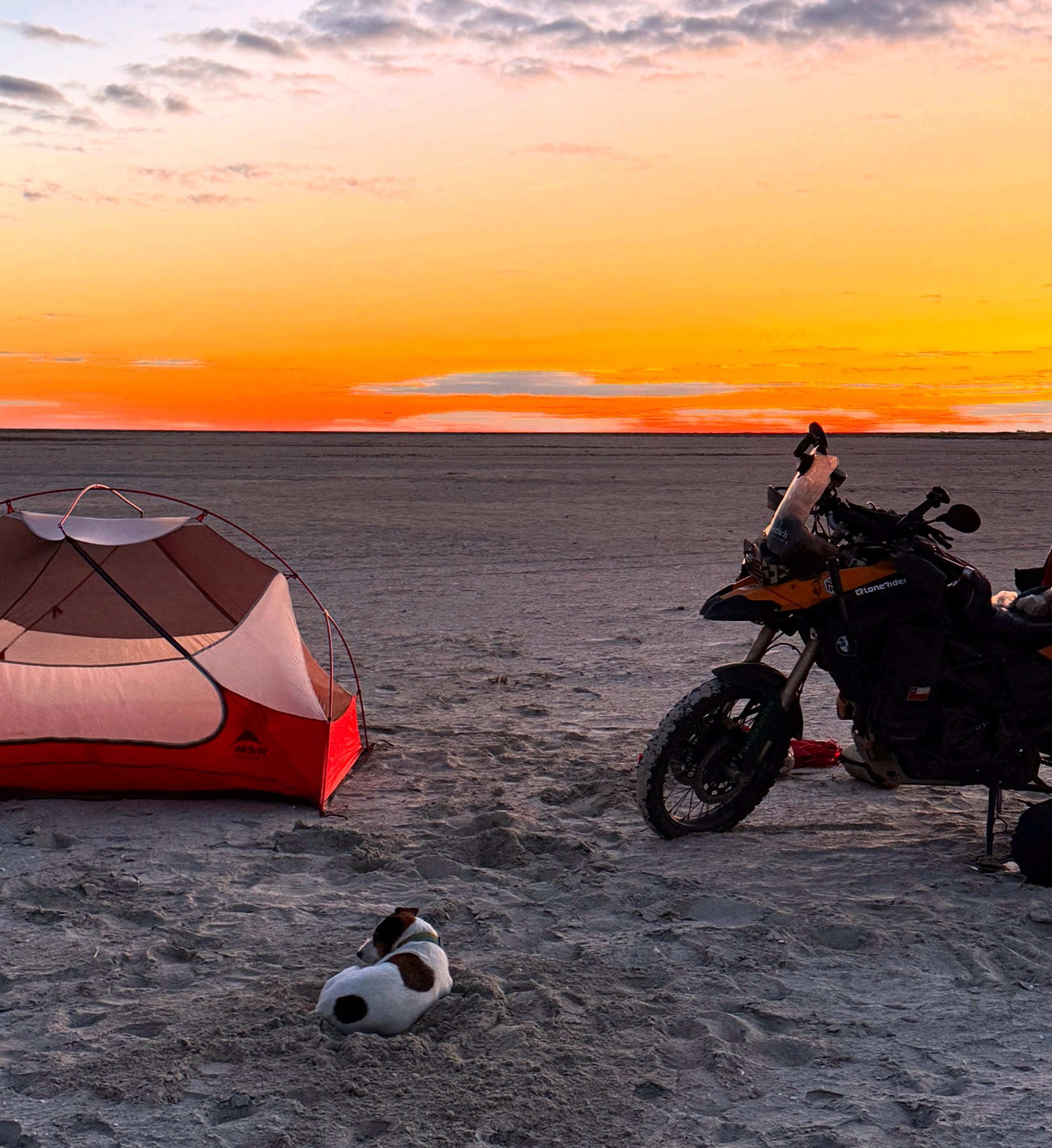
In remote regions, standards vary and the best available option is chosen. There is no camping in the working plan. A warm shower, a good bed and a shared meal are part of preparing for the next day.
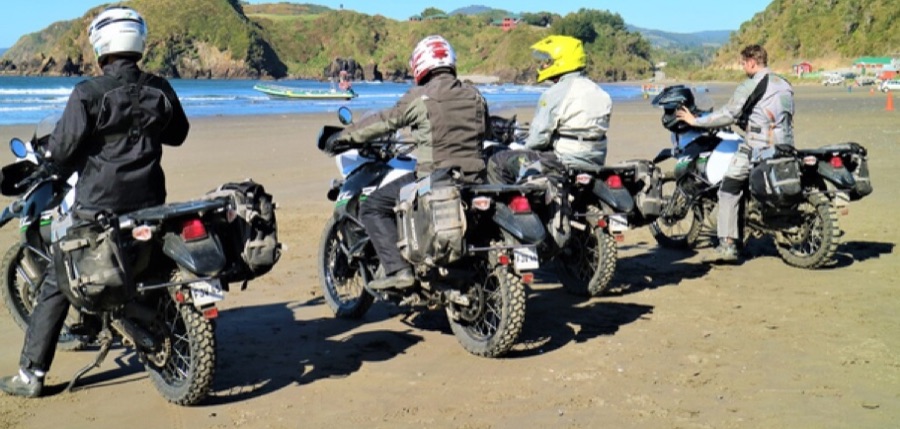
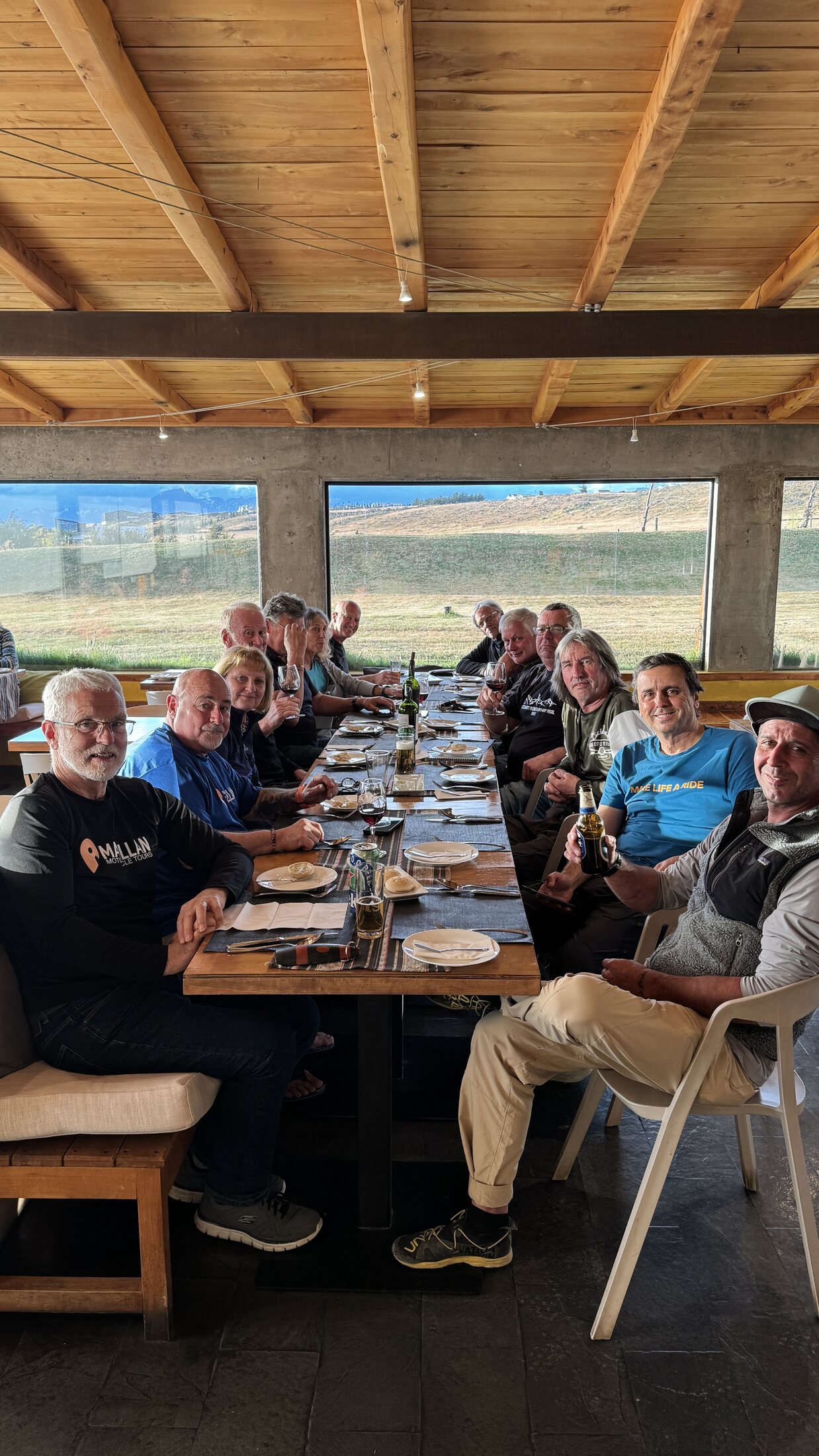
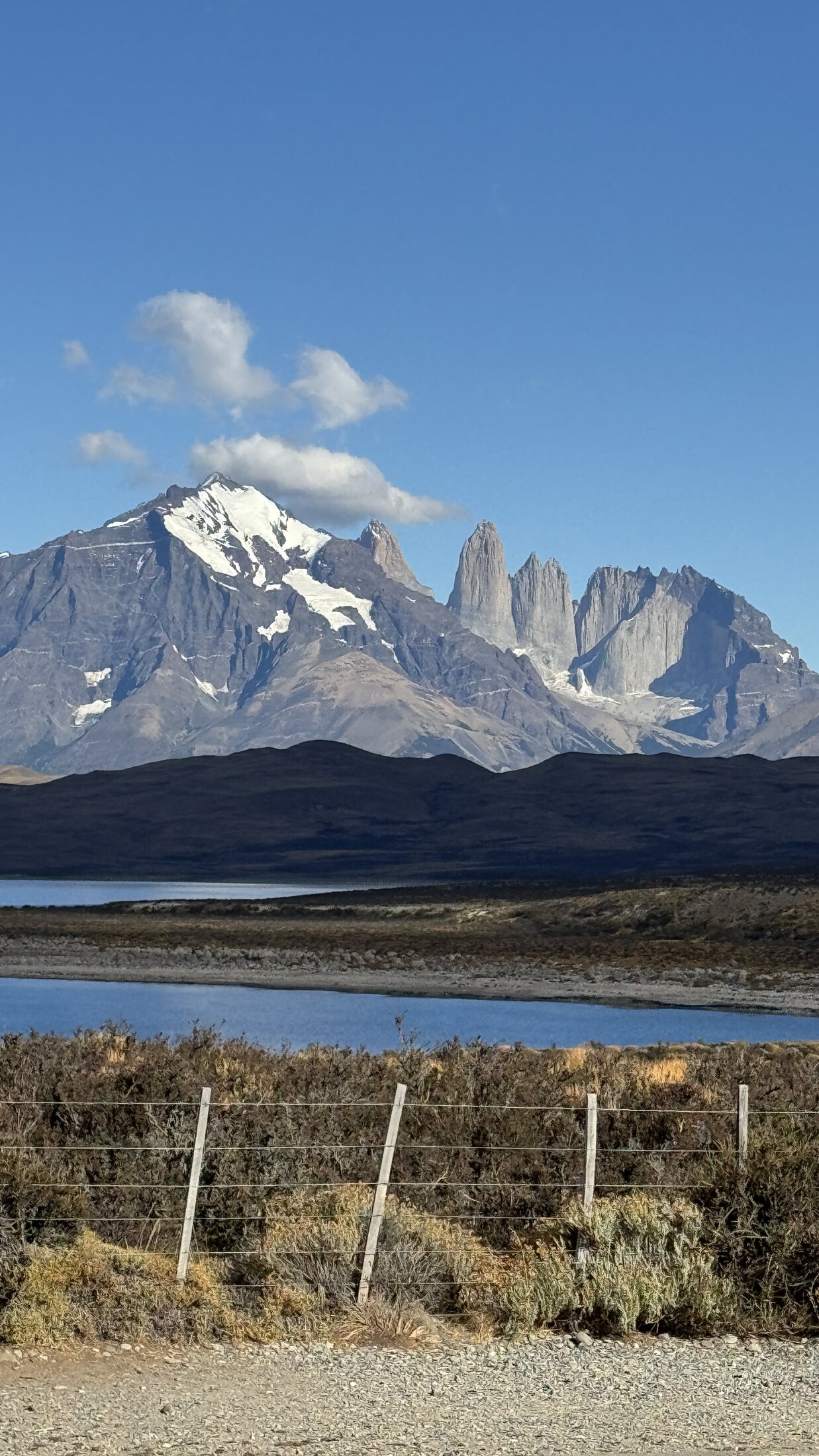
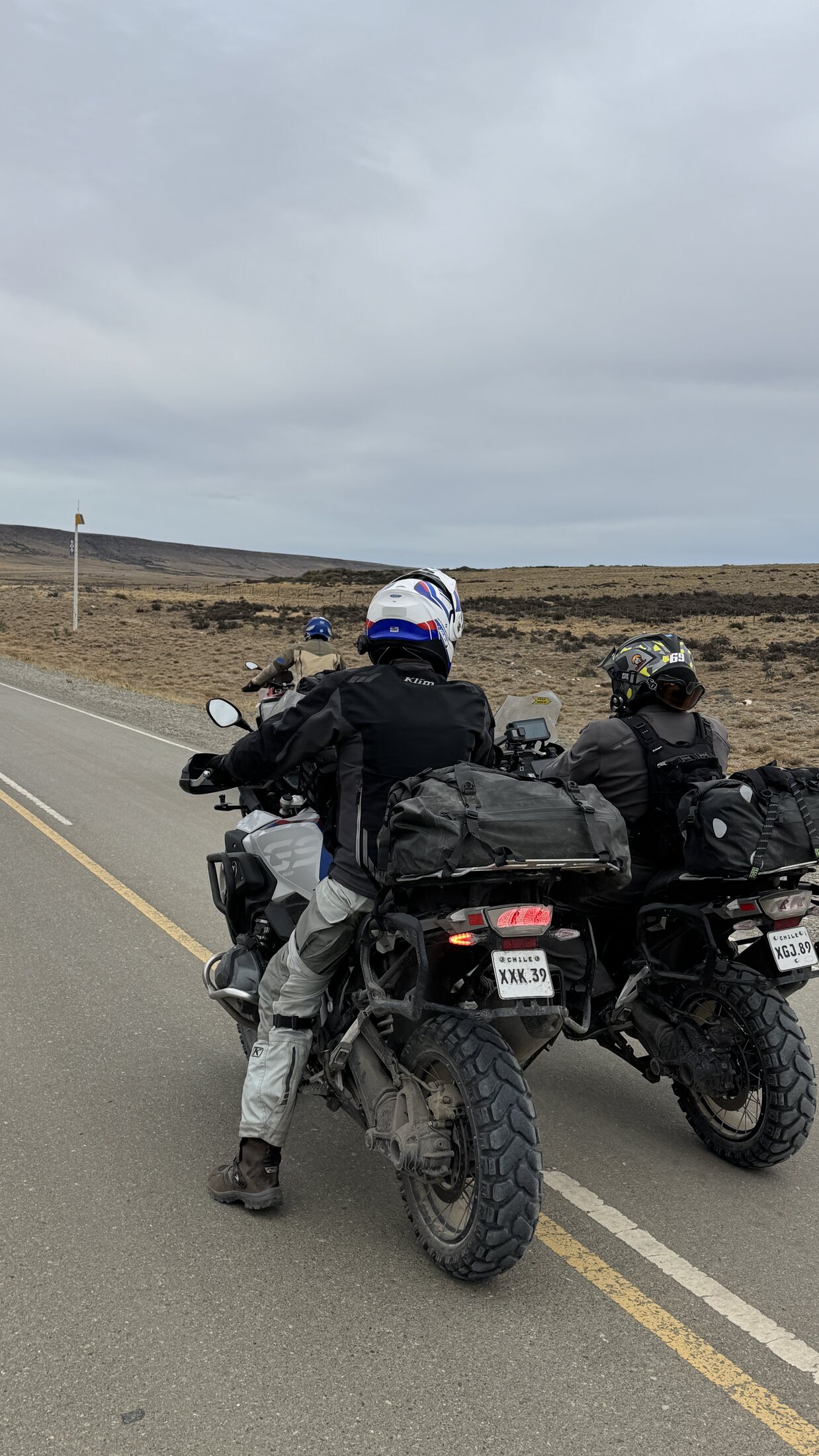
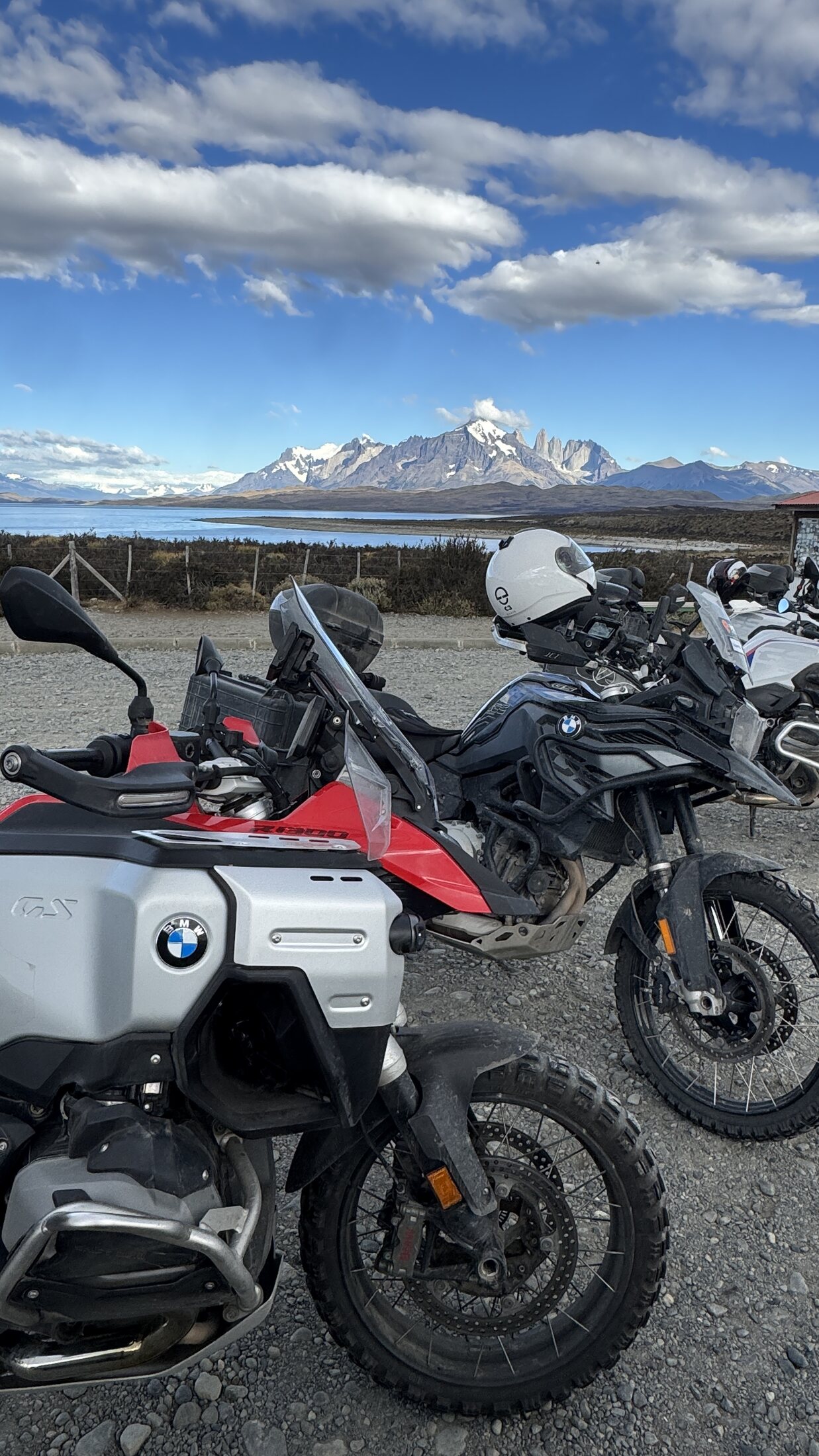
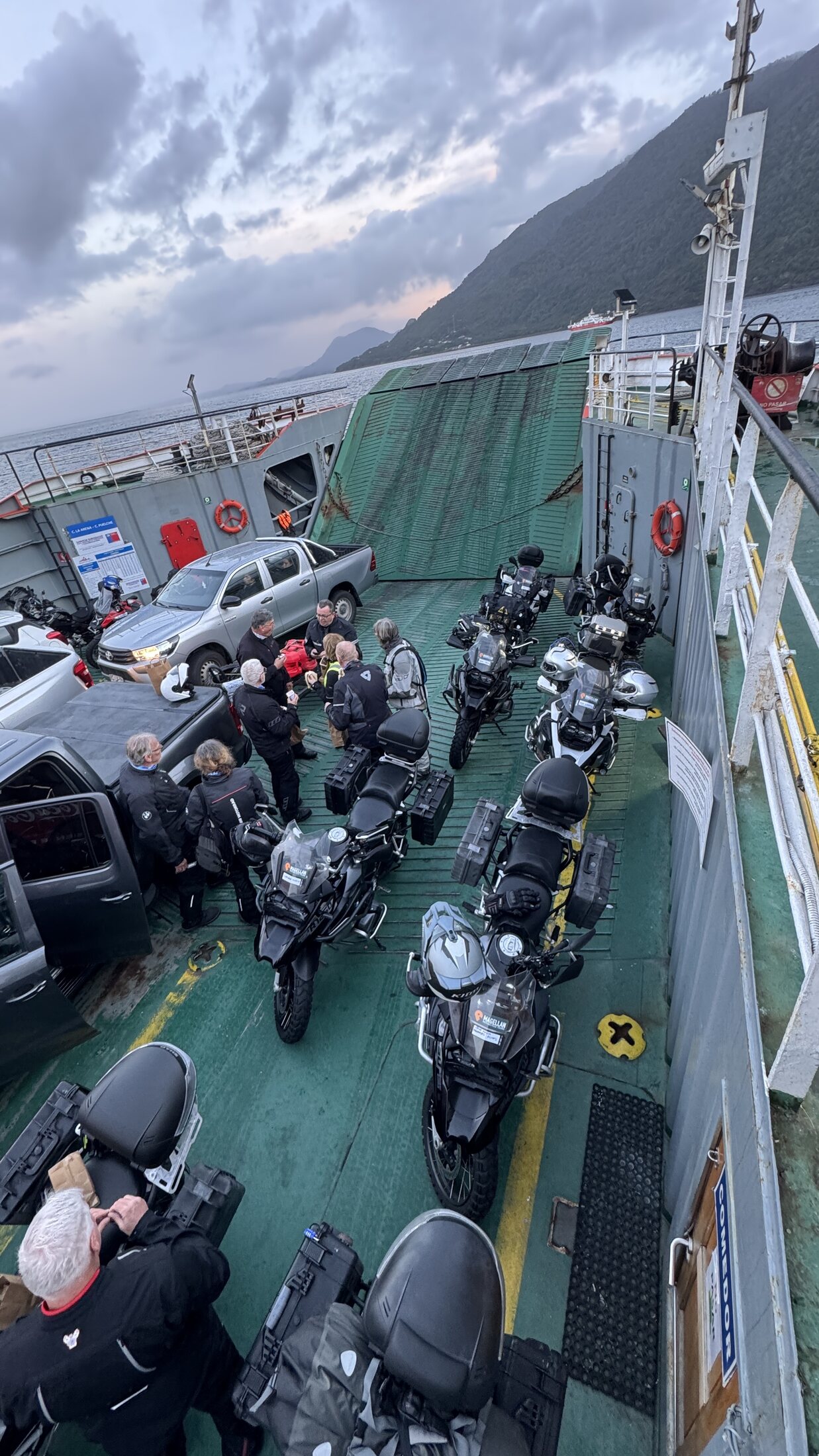
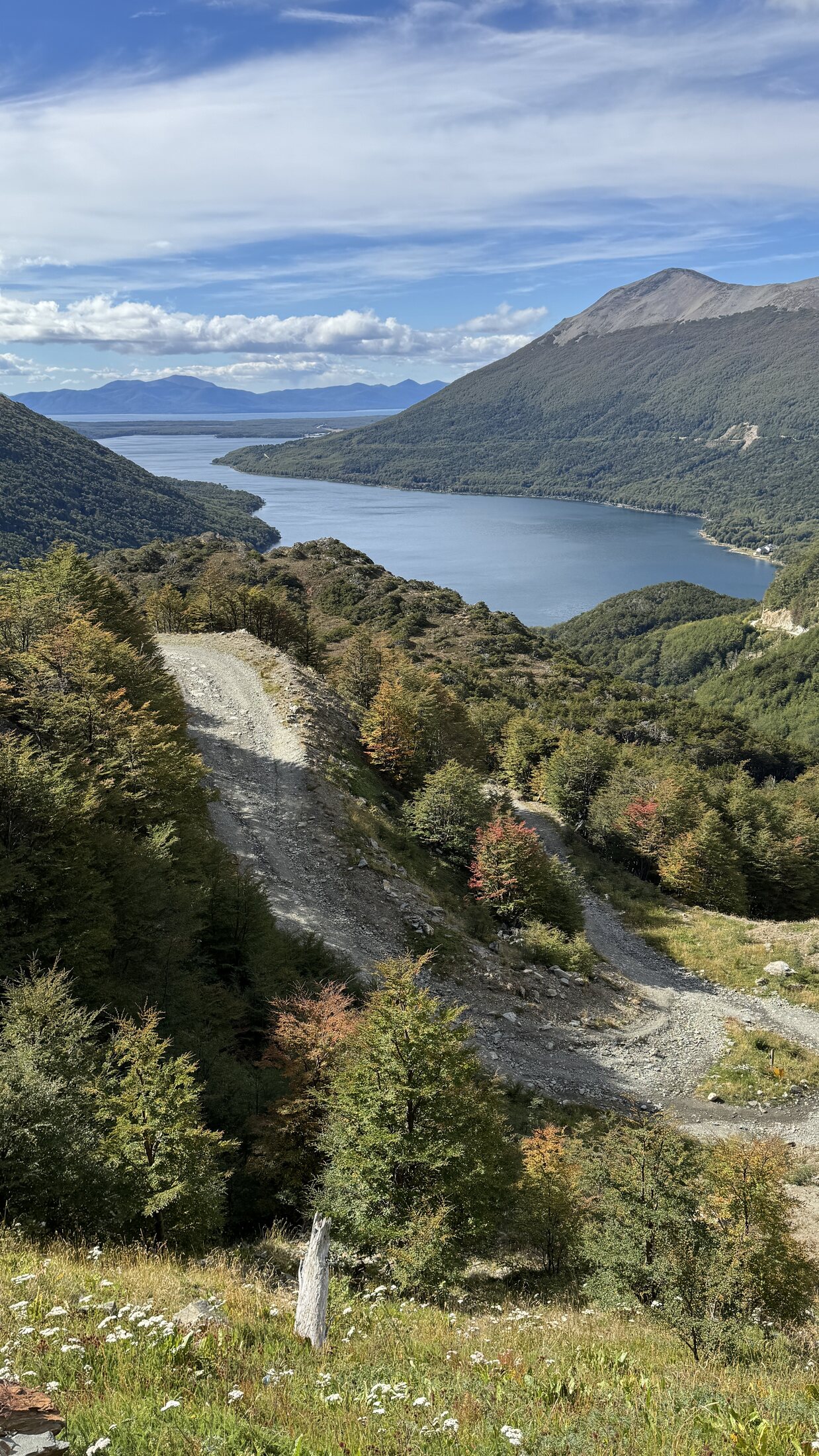
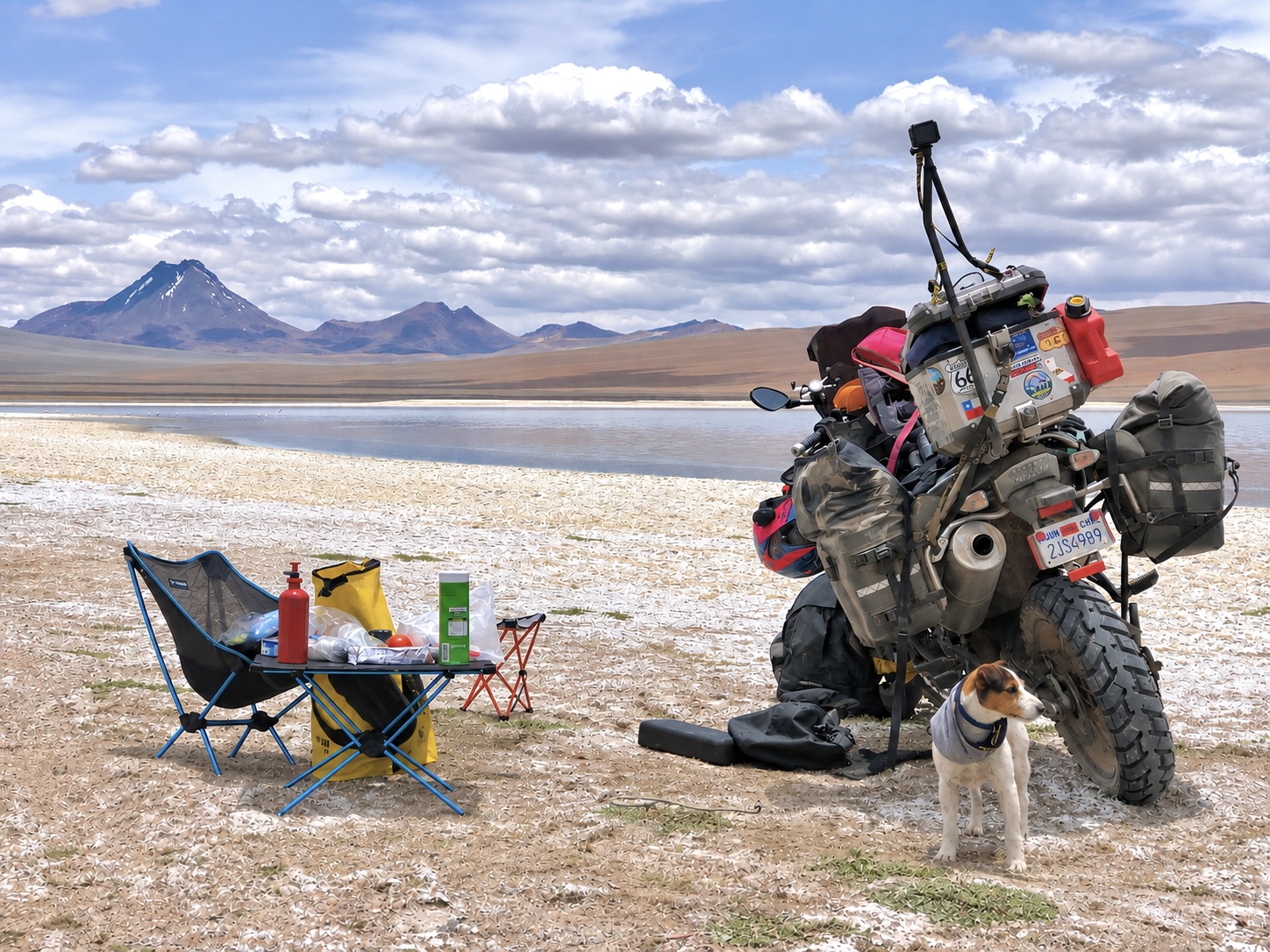
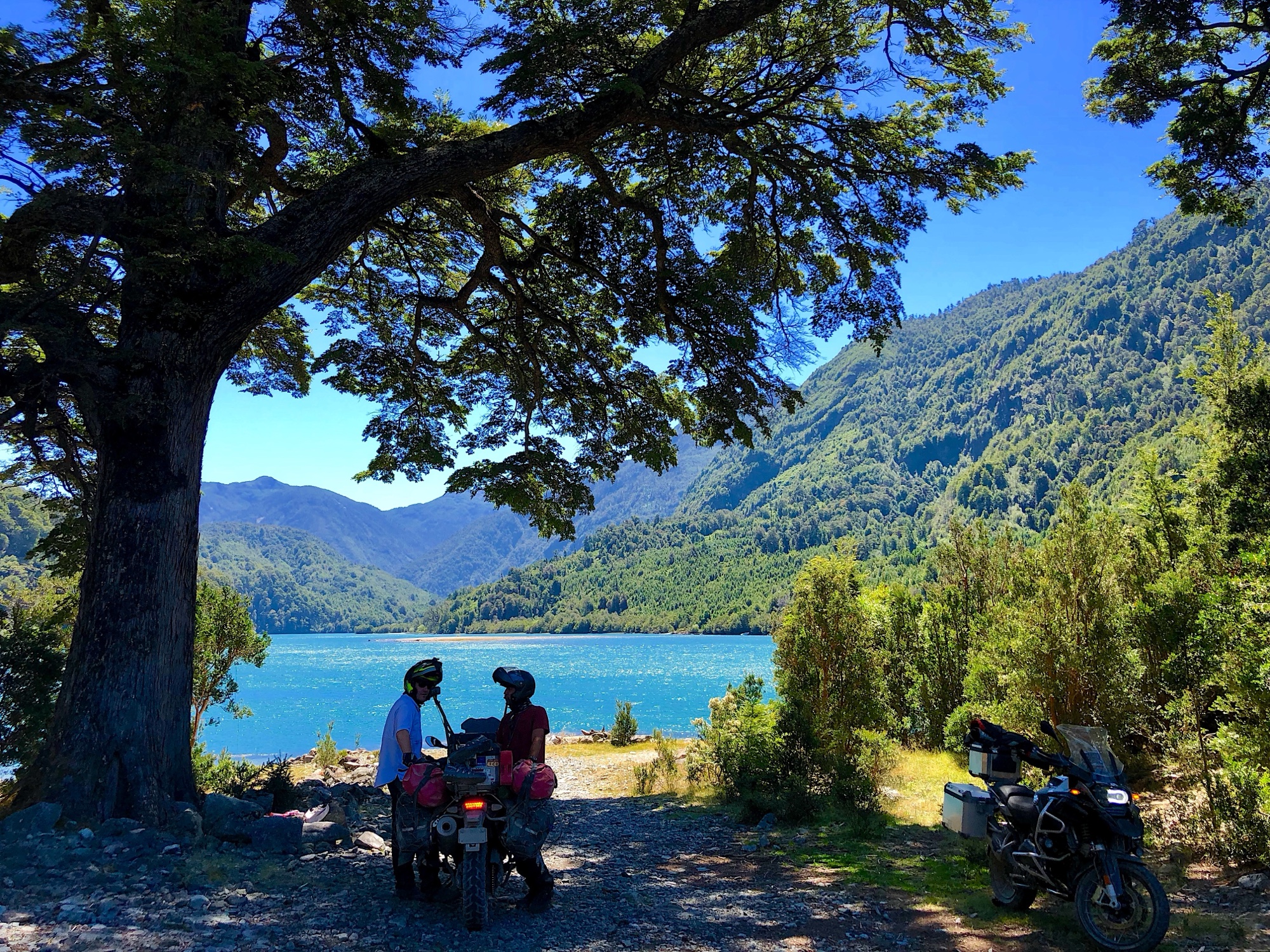
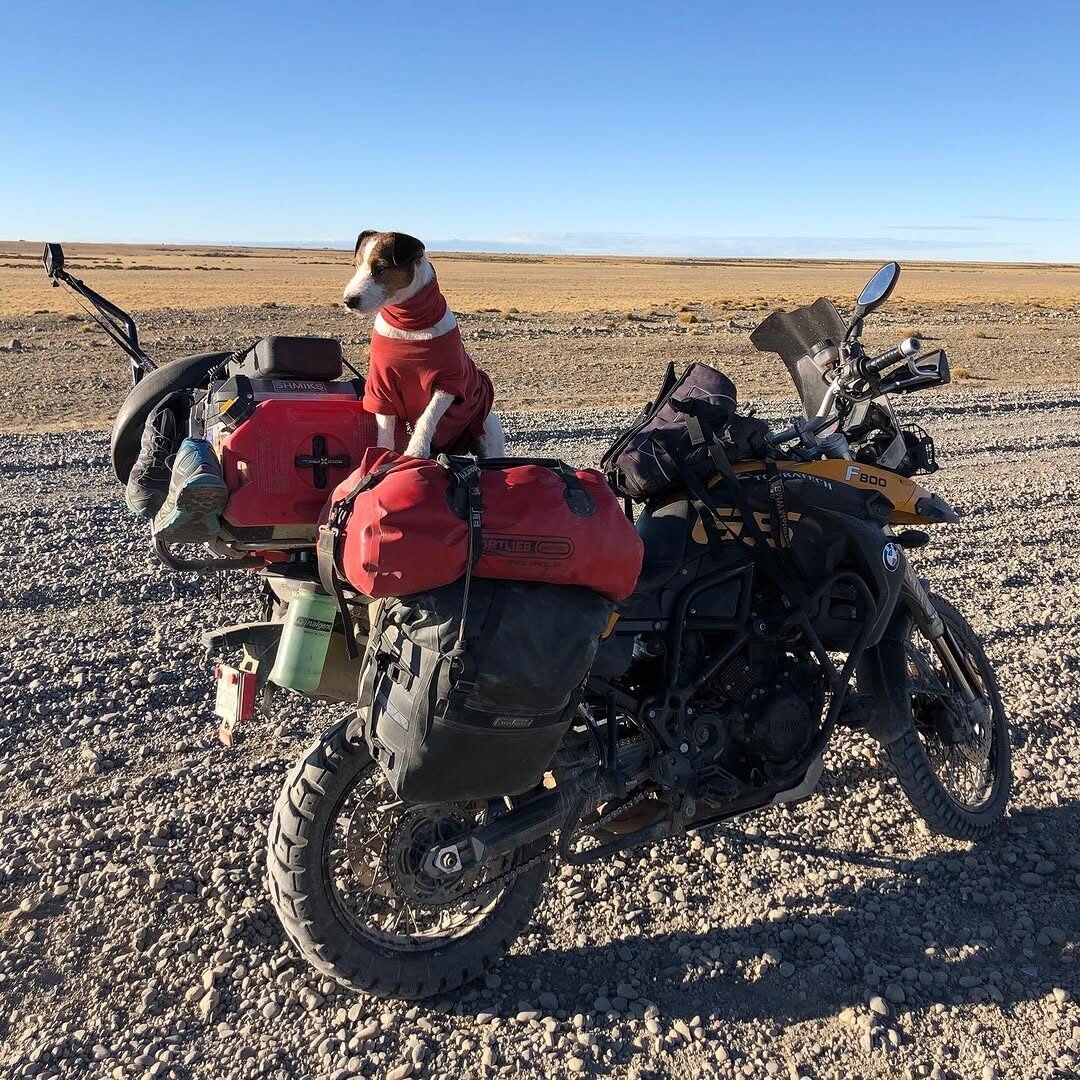
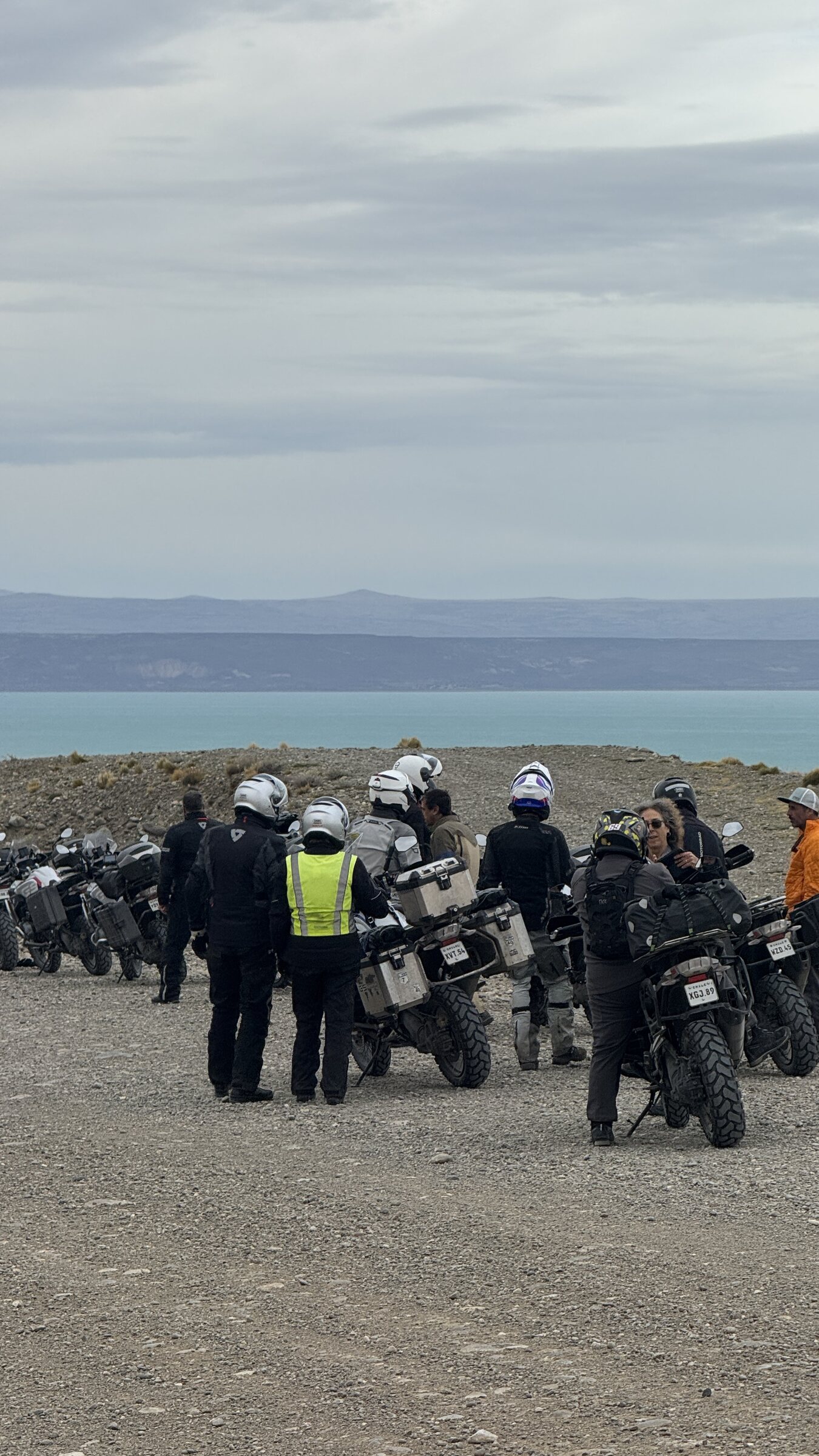
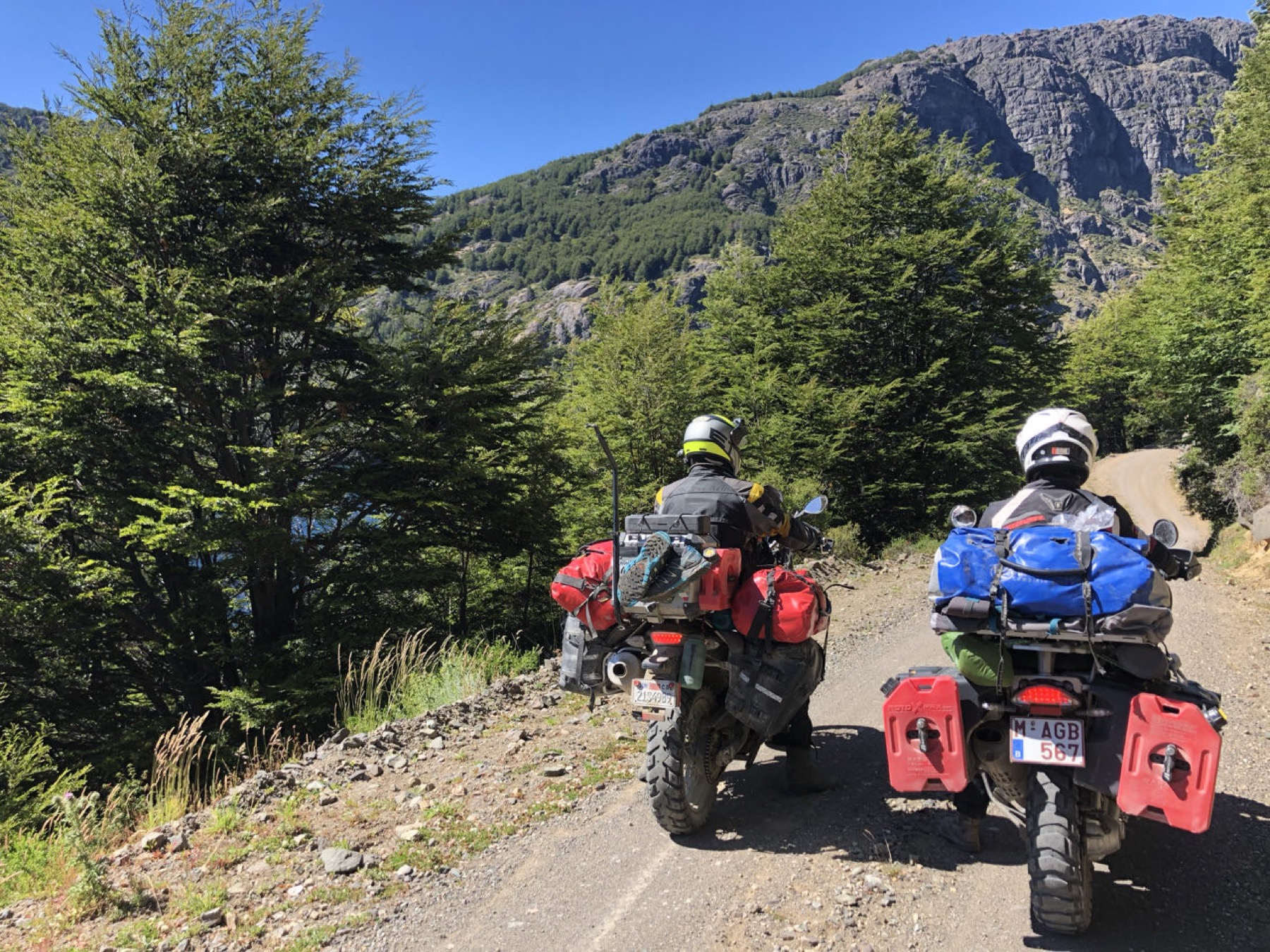
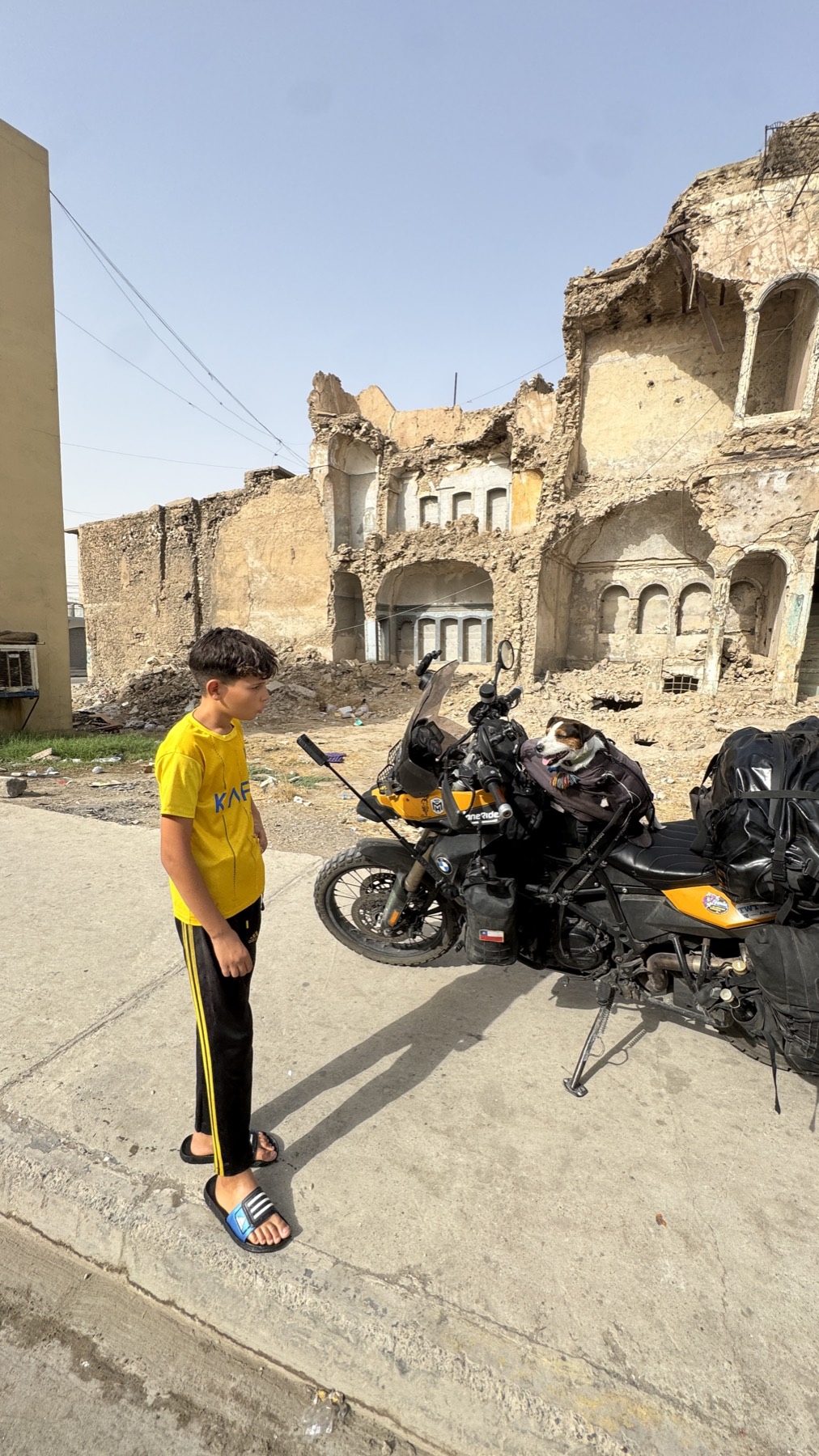
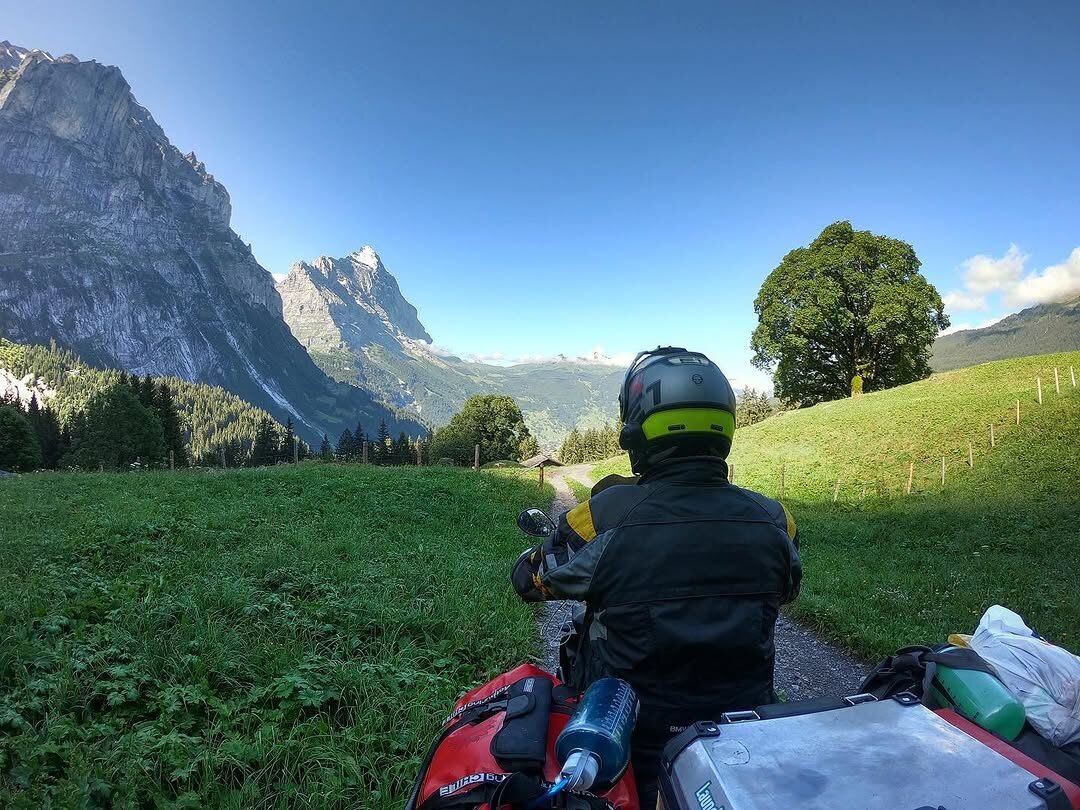
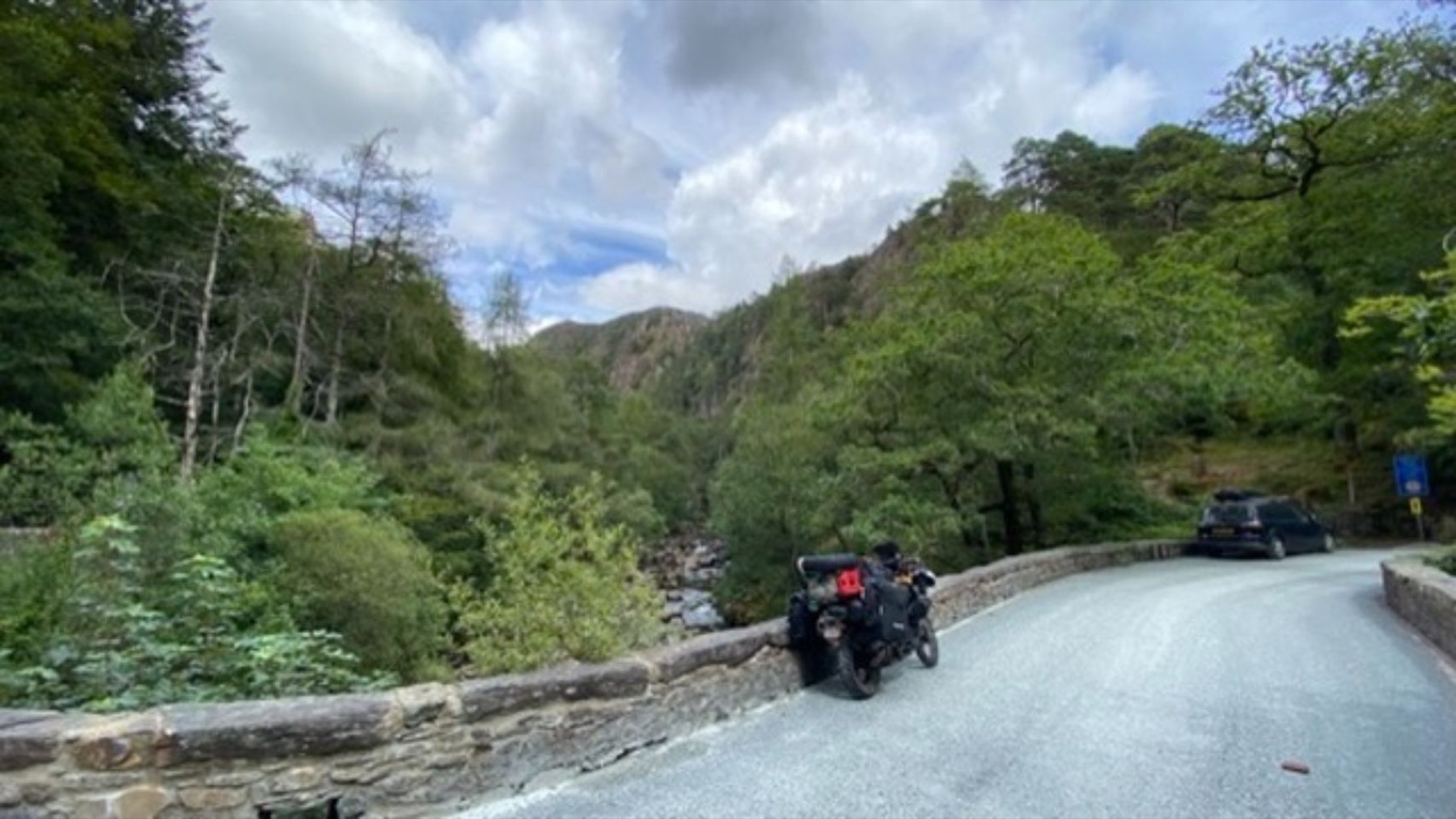
Photography shown here is from the completed Patagonia 2026 journey. It is field proof, not a preview of the proposed route.Proof before promise
A completed guided journey through Patagonia.
Thirty-four riders travelled from the United Kingdom.
Rodrigo led the real journey shown in the archive.
Good to know
These are preparation requirements from the source dossier. Final country and visa guidance follows the confirmed route.
A full, unrestricted motorcycle licence is required.
Valid for at least six months beyond the expedition, with sufficient blank pages.
Motorcycle travel, medical emergency, cancellation and disruption cover are mandatory.
Riders should consult a doctor or travel clinic about the countries on the confirmed route.
Fully serviced, protected and prepared for long-distance travel before shipping.
Adaptability matters when weather, roads and borders change the plan.

The question that matters
This crossing is for experienced riders who can handle long days, changing road conditions, remote regions and occasional border delays without losing the spirit of the journey.
It is not extreme off-road riding and it is not a luxury tour. It is a small, adaptable continental expedition for riders who value judgement, camaraderie and forward momentum.
Talk To RodrigoFrequently asked
Direct answers from the current dossier, including what remains unresolved.
Not yet. The working direction begins in Santiago and travels north through South America towards Cartagena. The route, border sequence, dates and total duration will be published only after Rodrigo confirms them. The line shown on this page is a reference direction, not a final GPS route.
The earlier expedition dossier was designed as two forty-day stages. That remains useful route planning material, but the duration and timing of the next departure are still in development and are not being sold as confirmed dates.
The original concept allowed riders to join one stage or both. Rodrigo is reviewing that format for the new three-rider expedition. Registering interest is the best way to tell him which part of the crossing fits your available time.
Yes. The current dossier is built around riders bringing a motorcycle they already know. An adventure or touring motorcycle of 650cc or more is recommended, with a minimum fuel range of 350 kilometres, suitable protection and luggage, and a full service before shipping.
A full unrestricted motorcycle licence and solid road riding experience are required. The working route is predominantly sealed but includes gravel and light off-road sections. It is not an extreme off-road expedition, though an off-road training course is strongly recommended.
The existing dossier plans carefully selected two to three-star hotels and lodges on a twin-share basis. In remote regions, standards can vary, so the best clean and practical option available is selected. There is no camping in the current plan.
The welcome and farewell dinners are explicitly included in the source dossier. Breakfasts, lunches and evening meals are described as part of the daily rhythm, but the document does not clearly list every daily meal as a formal inclusion. Rodrigo will confirm the final meal plan before booking.
Comprehensive travel insurance is mandatory and must cover motorcycle riding, medical emergencies, cancellations and travel disruption. Personal insurance is not included. The source dossier contradicts itself on local third-party insurance, so that item will be confirmed directly before booking.
The next expedition
Tell Rodrigo what you ride, how much expedition experience you have and whether the full northbound crossing or one working stage interests you most. No place, date or price is confirmed through this enquiry.
Maximum three riders. Route and timing in development.