
Field note 10 The Long North
Ride until the continent stops.
Out of Russia into Finland, up through Lapland to 71 degrees north, and then the whole Norwegian coast south: the fjords, the Lofoten, the ferries, and out through Denmark into Germany. Four weeks in the autumn of 2022.From Rodrigo's road archive
Touch or hover a marker on the route to see what is there.
The Long North
Ride until the continent stops.
Out of Russia into Finland, up through Lapland to 71 degrees north, and then the whole Norwegian coast south: the fjords, the Lofoten, the ferries, and out through Denmark into Germany. Four weeks in the autumn of 2022.
- 71°NThe furthest north
- 4 countriesFinland to Germany
- 27 daysEnd to end
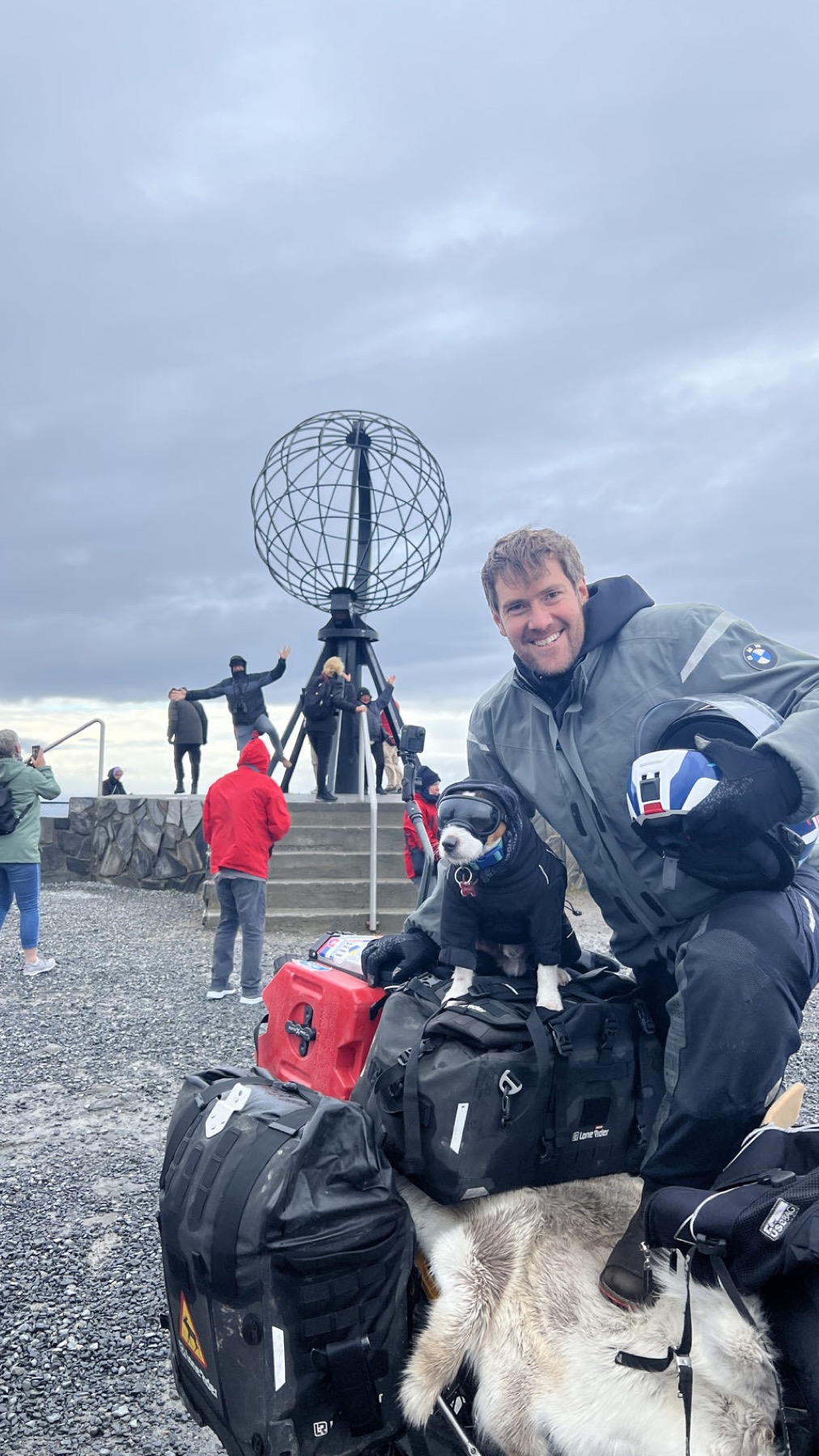
10.1The globe at the North Cape, 71 degrees north, the point Europe runs out. The road up is the last stretch of continent there is.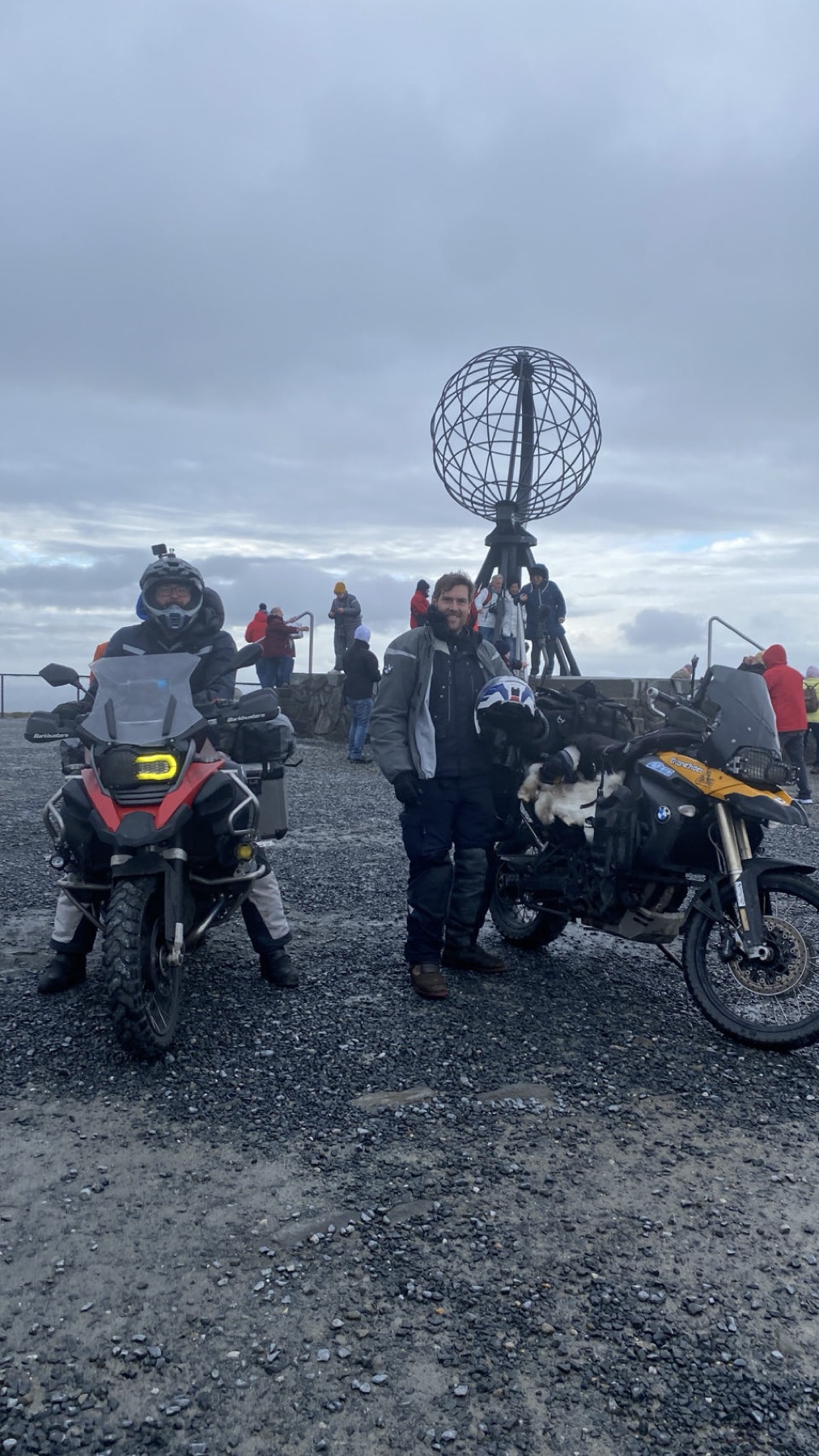 10.2Both motorcycles at the monument. The cliff drops straight into the Barents Sea and the next land north is the Arctic ice.
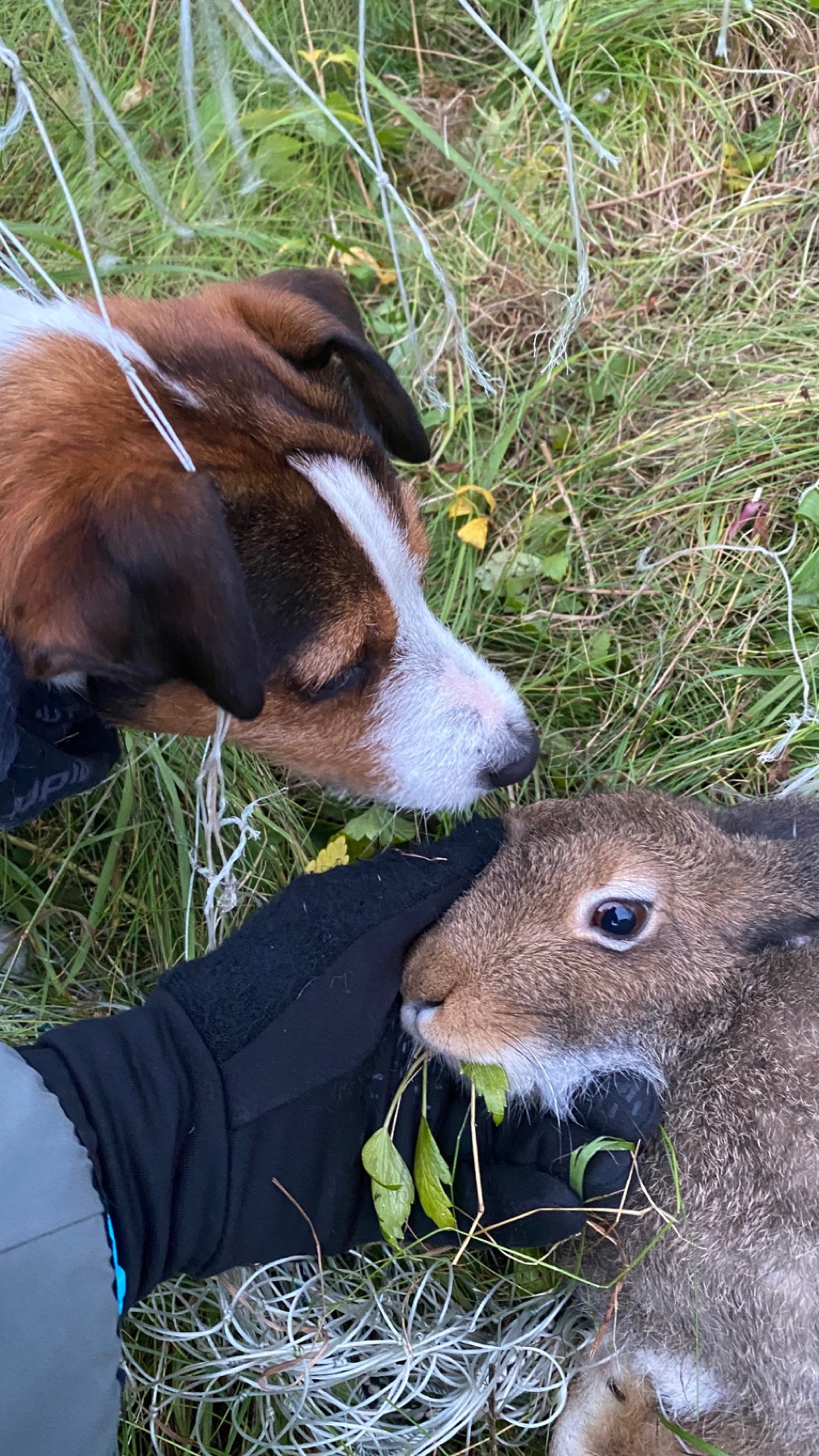 10.3Jacko meeting a reindeer. In Finnish Lapland and northern Norway they wander the road and have right of way in practice as well as in law.
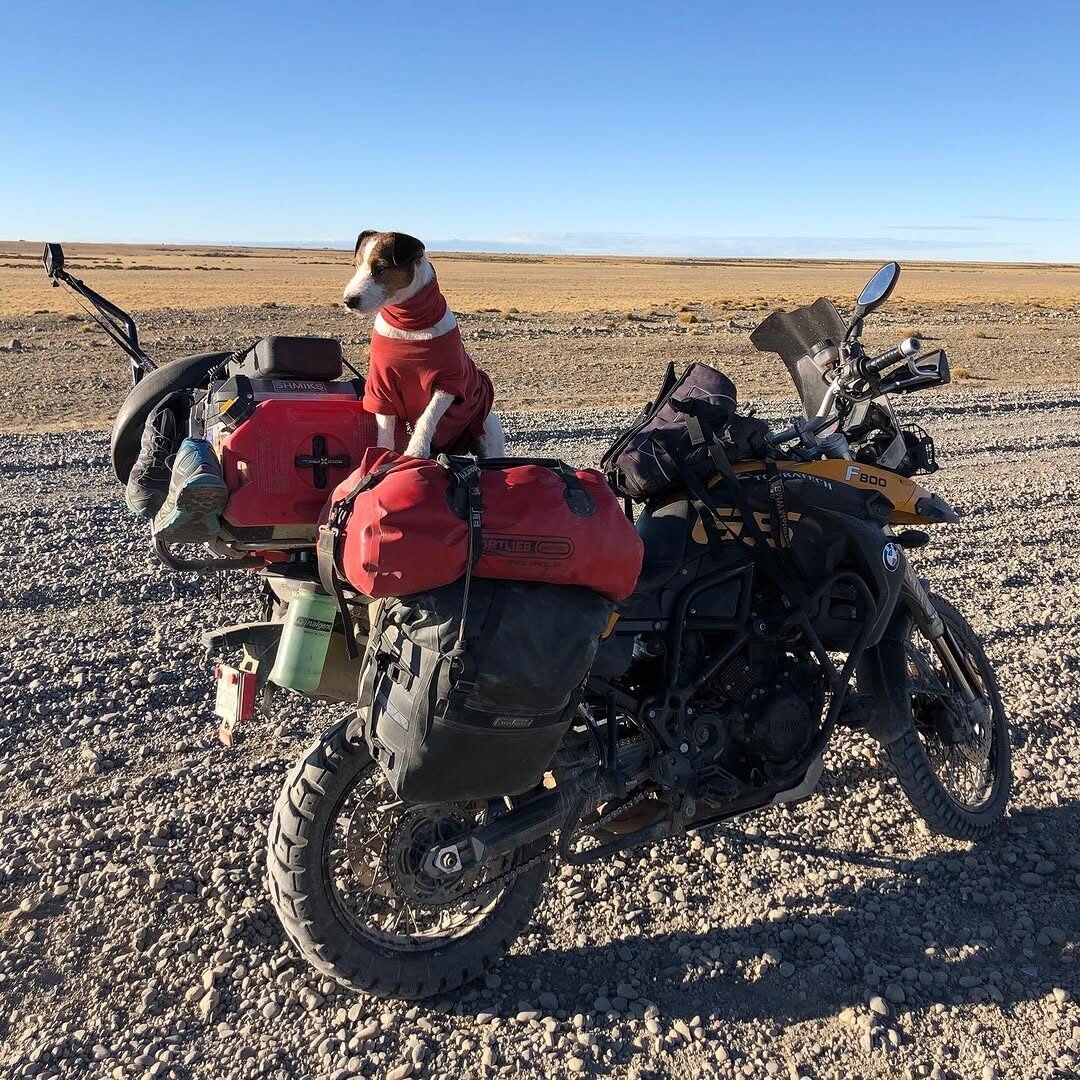
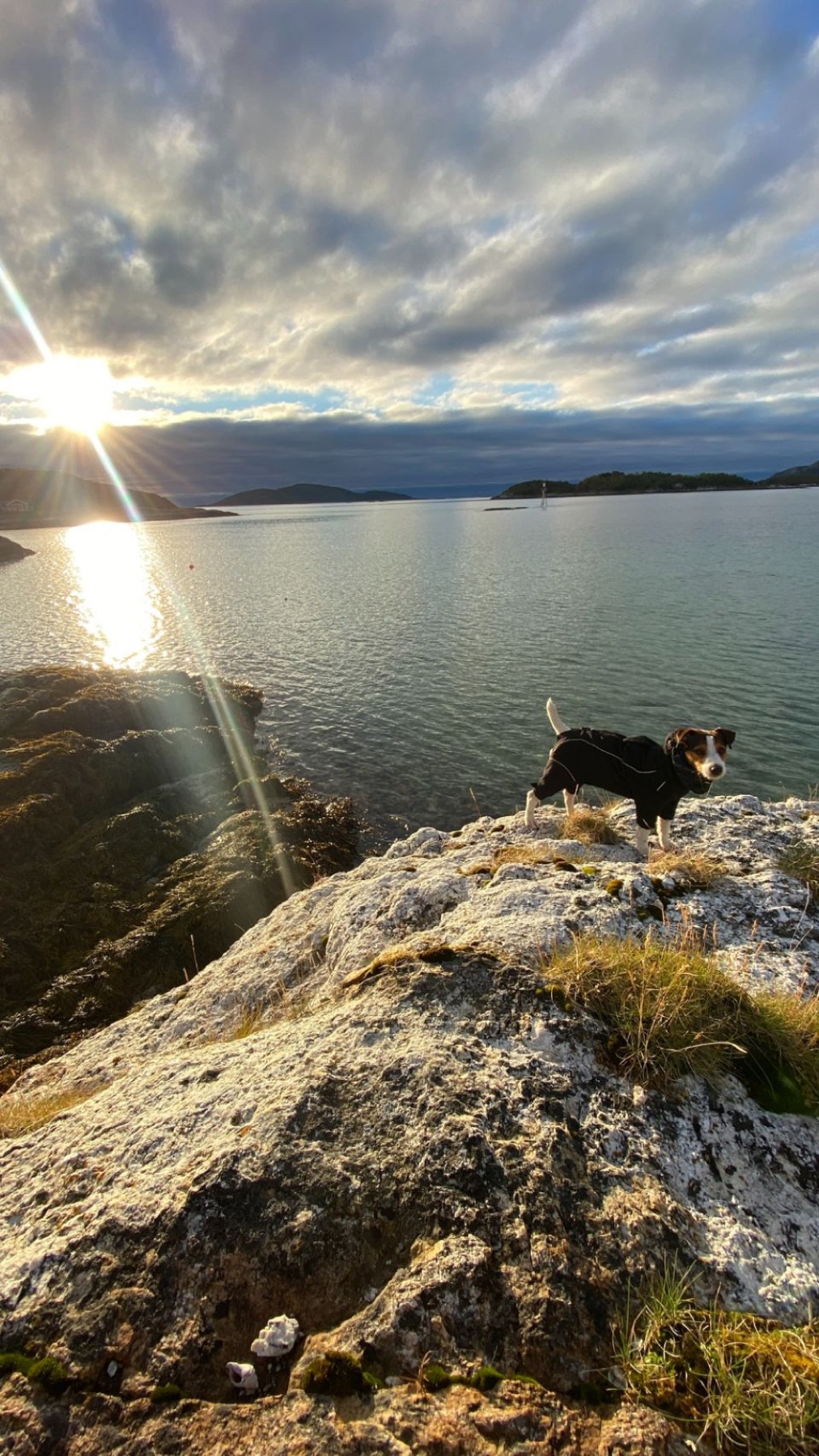 10.4Last light over the water, with the dog on the rock. This far north in September the sun takes hours to leave.
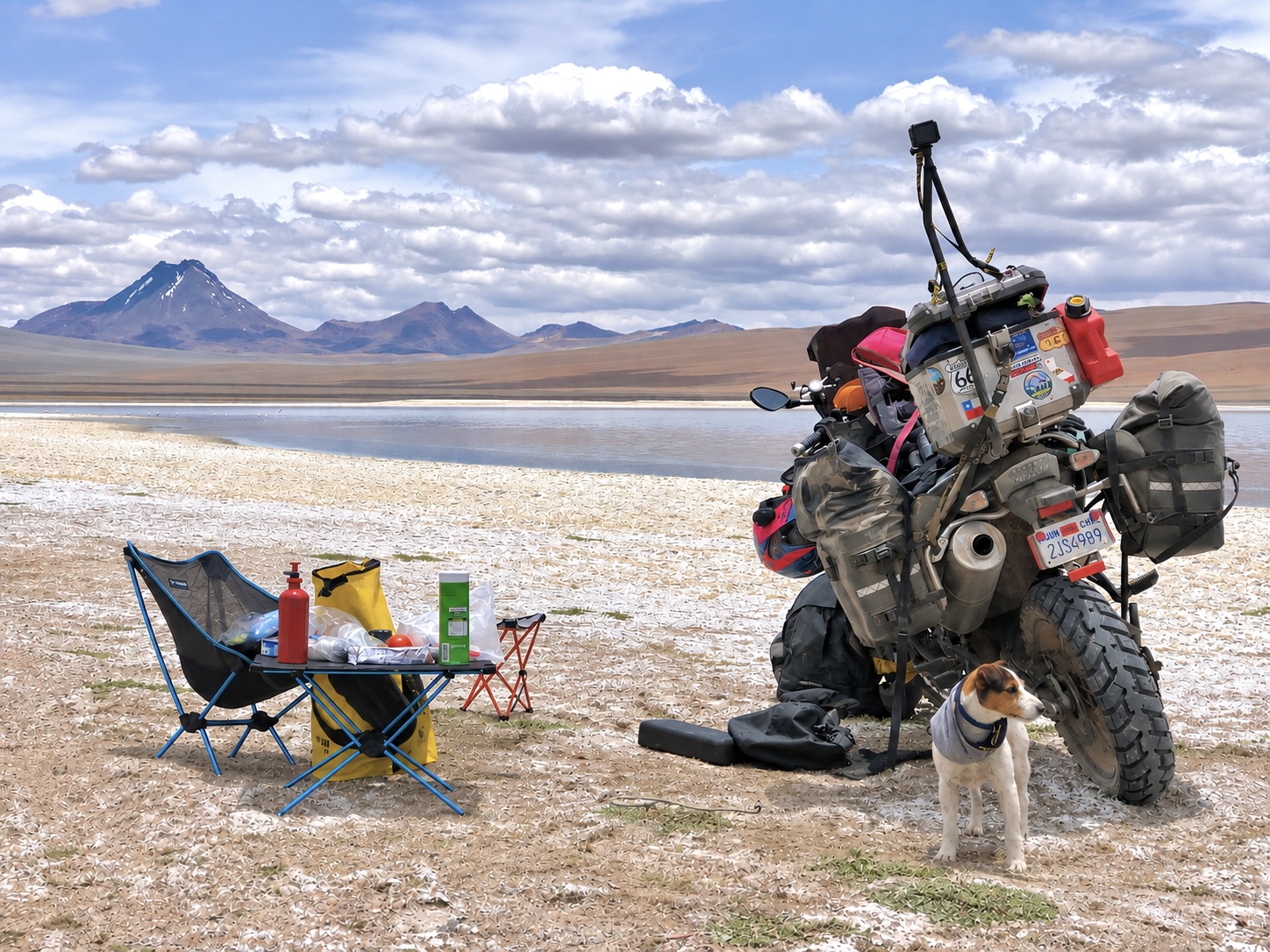
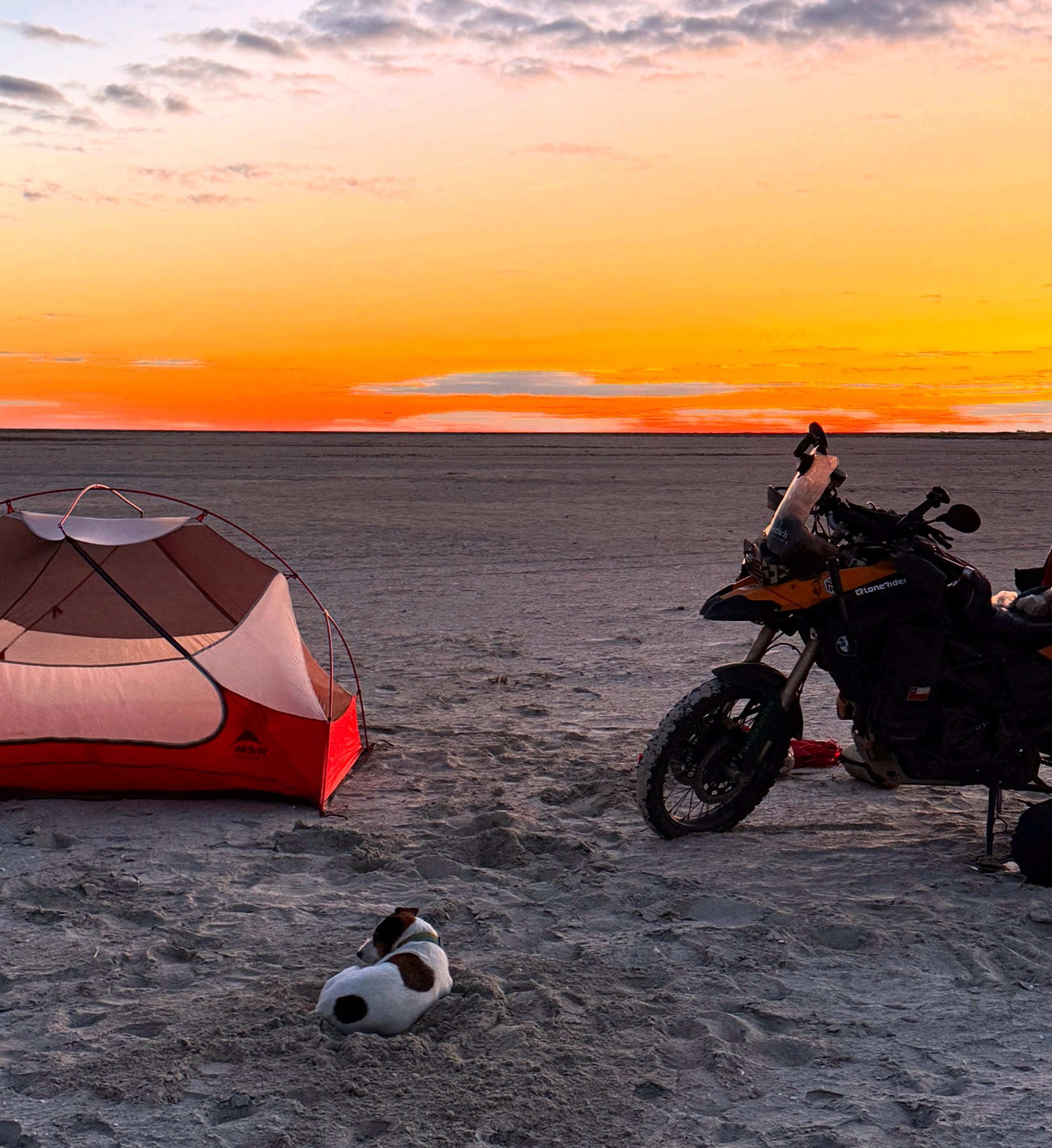
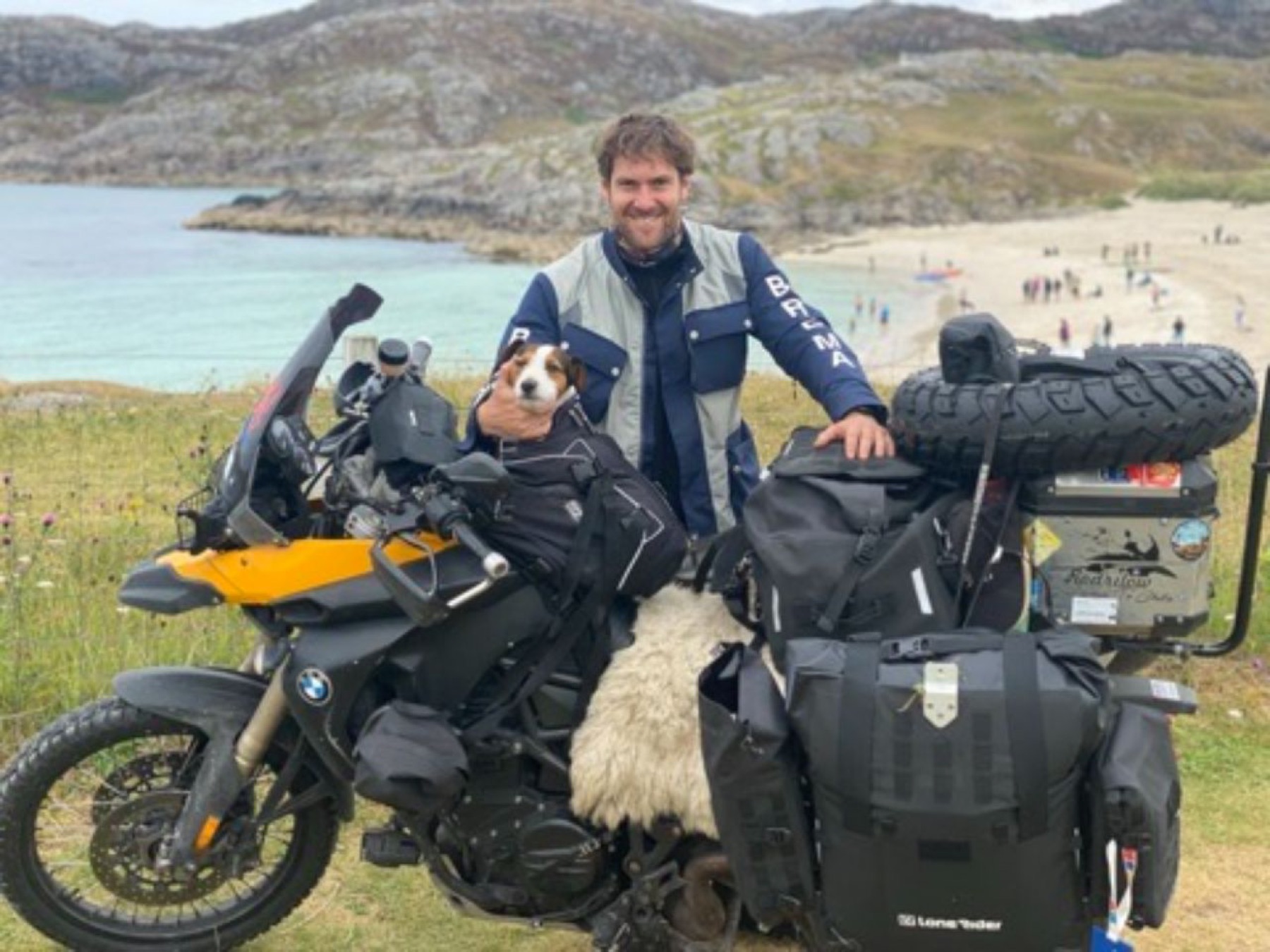
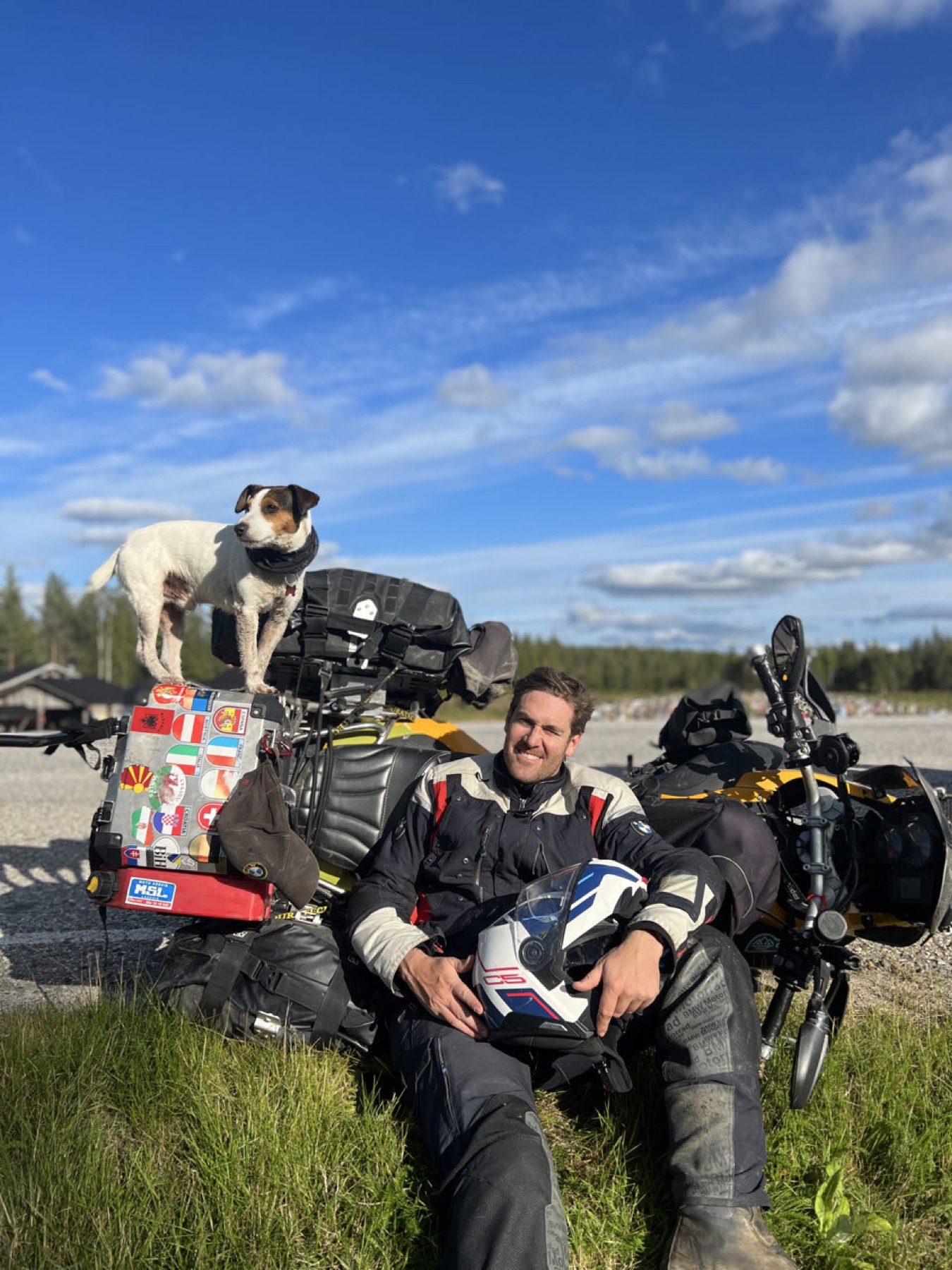
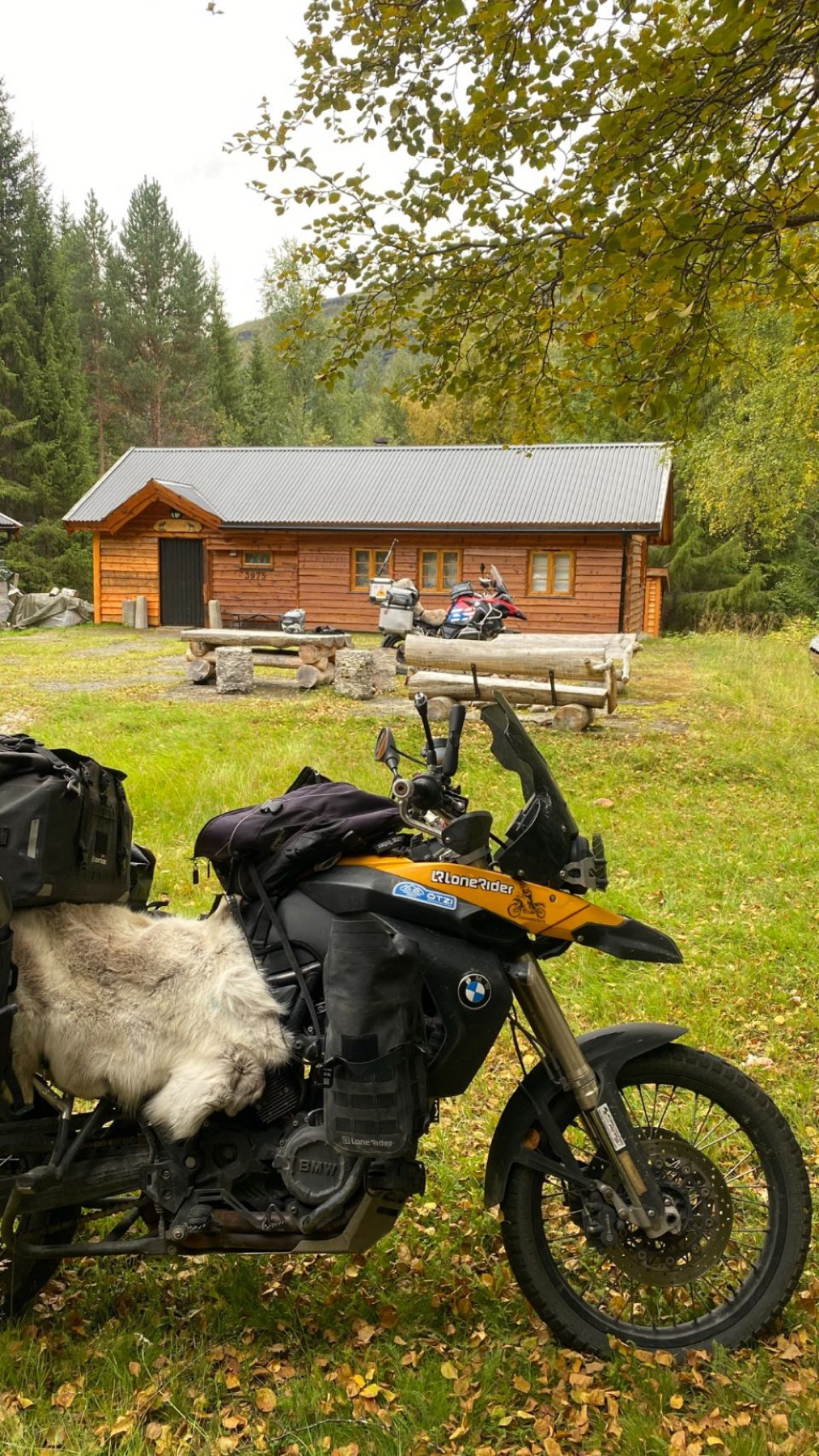 10.5Camp beside a Norwegian cabin, with the sheepskin still on the seat. Norway allows wild camping almost everywhere: the right to roam is written into law.
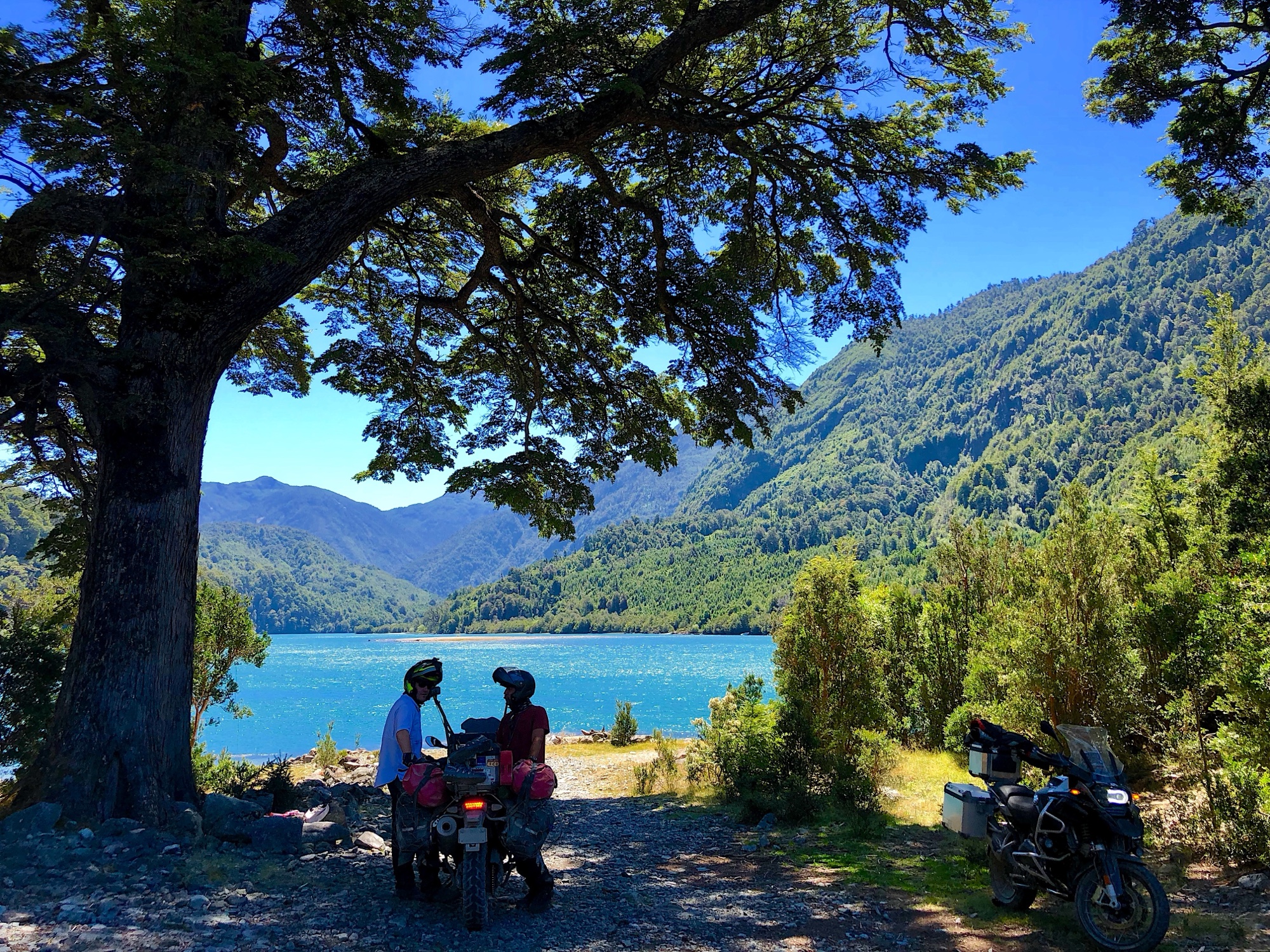
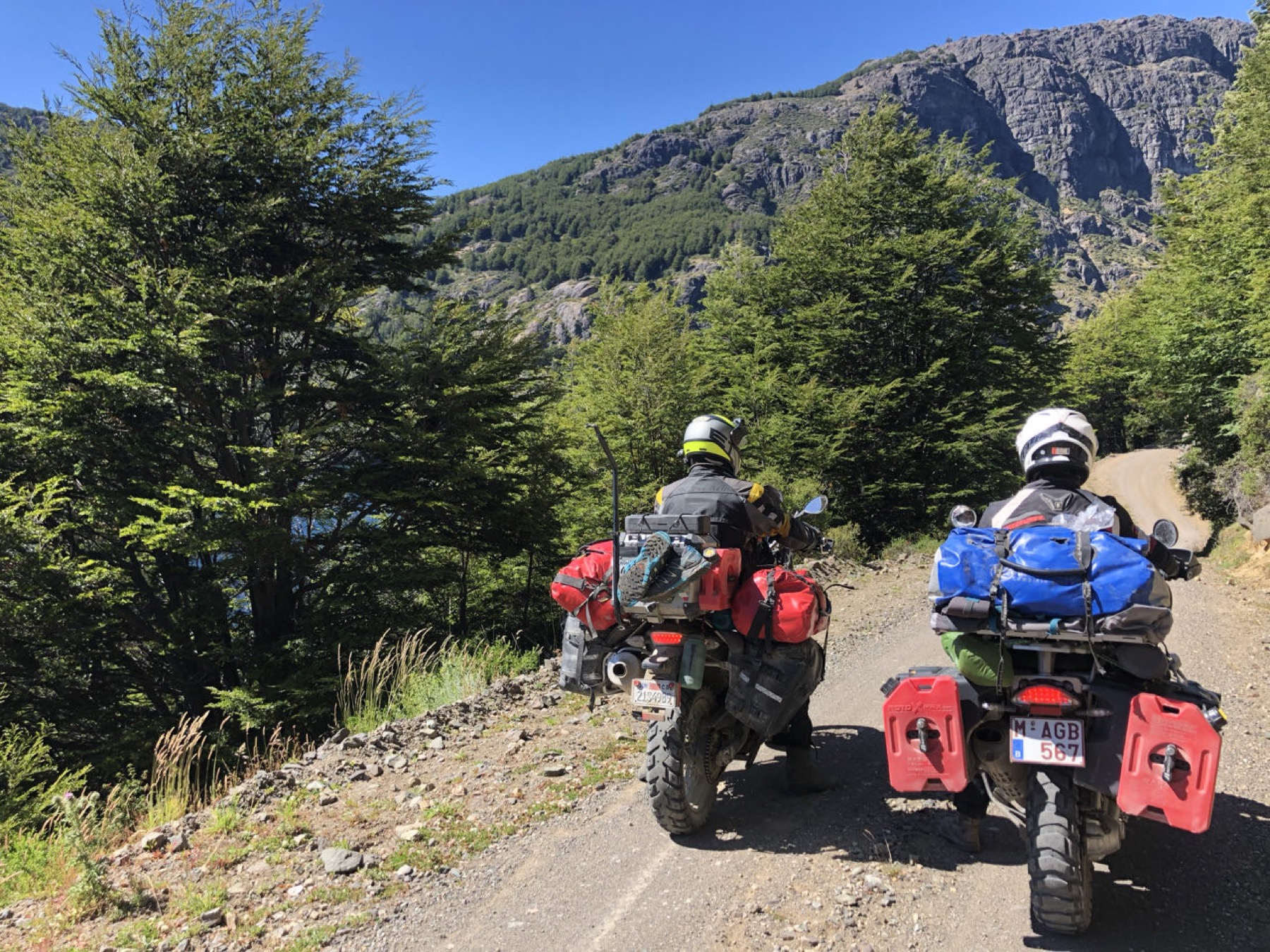
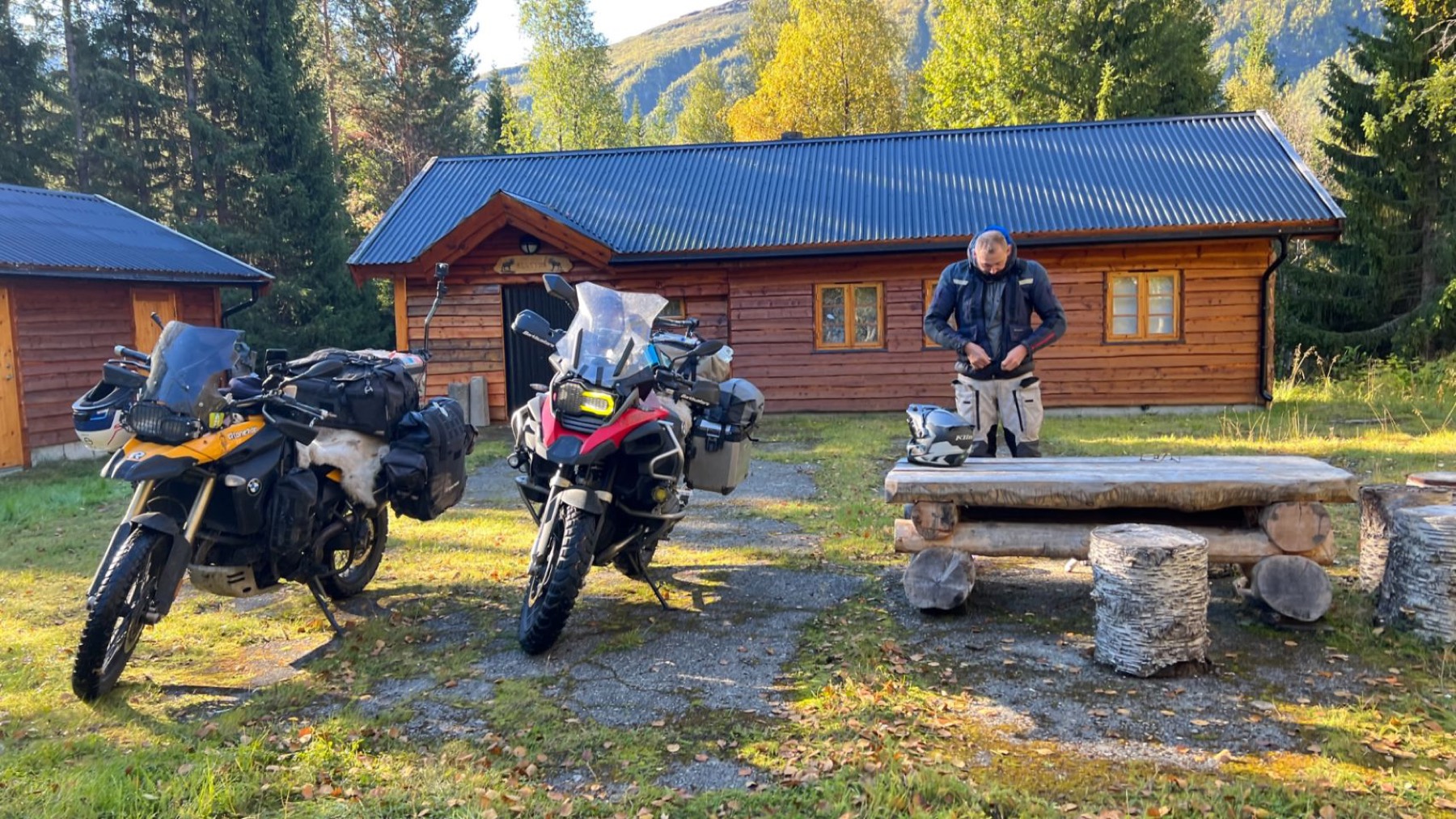 10.6Two bikes outside a cabin. I rode this leg with a German rider met on the way north.
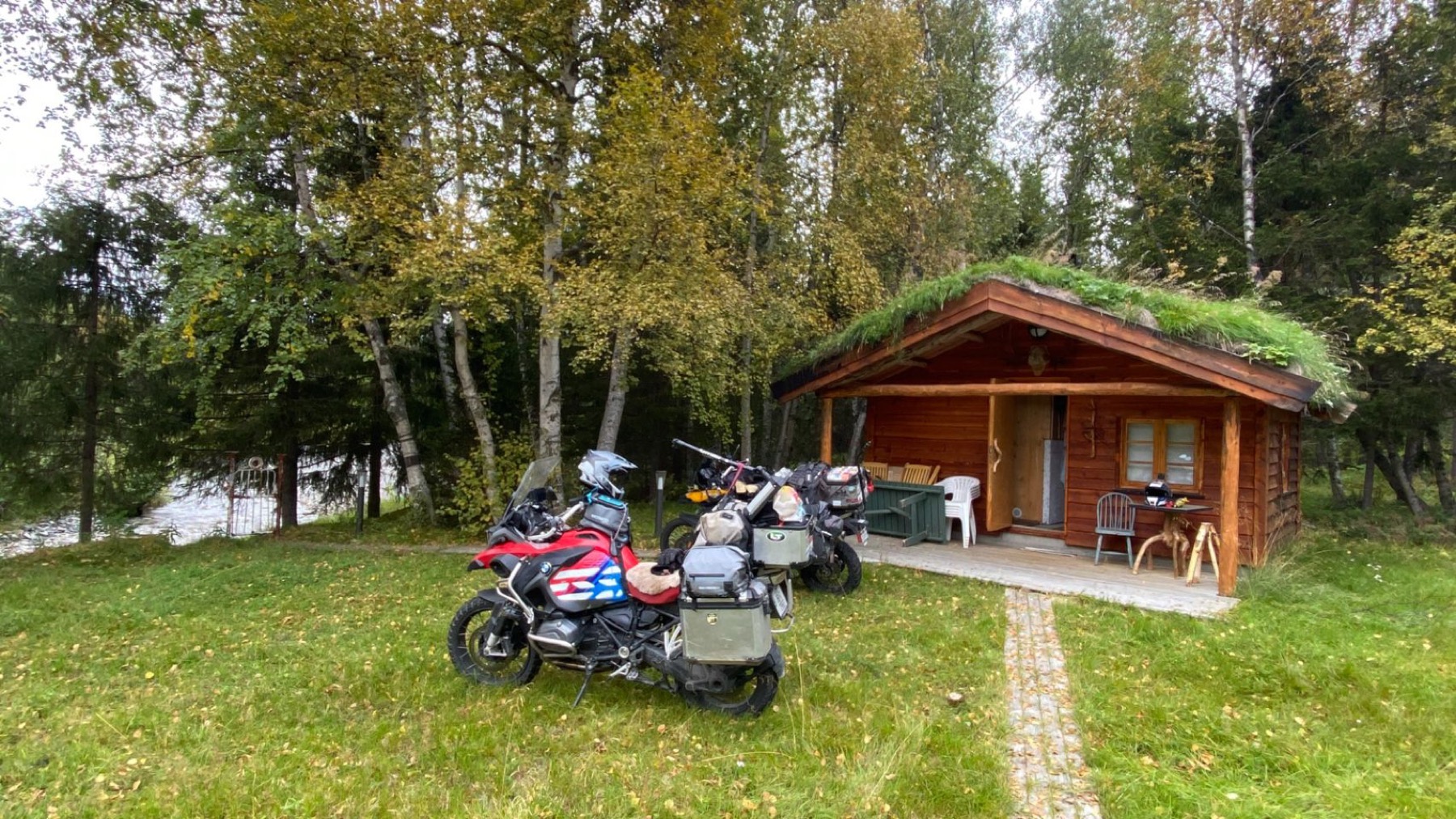 10.7A turf roof, the old Norwegian answer to insulation. Grass on the roof keeps the heat in and the wind out.
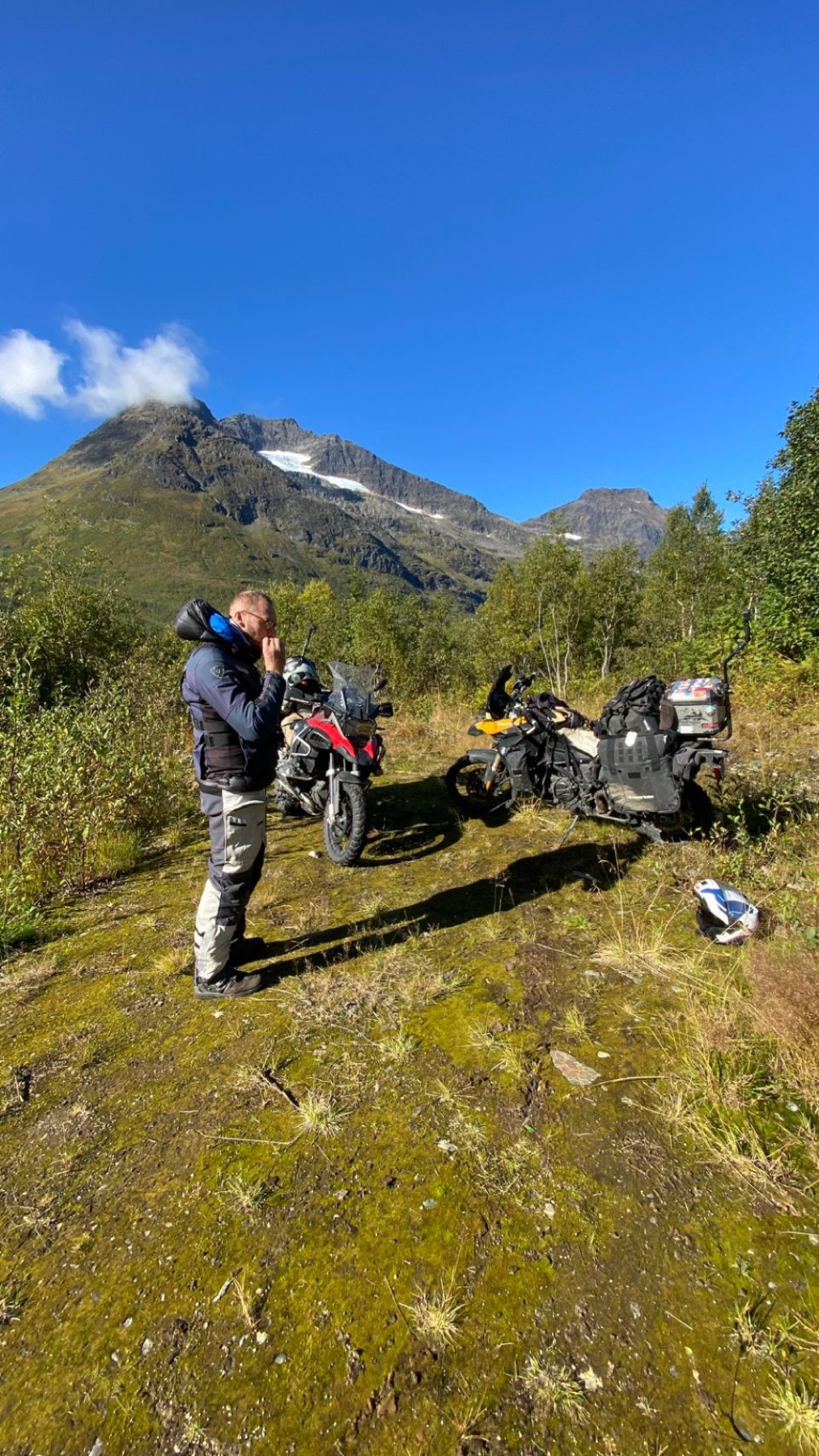 10.8Up on the tundra. Above the tree line the ground turns to moss, rock and water.
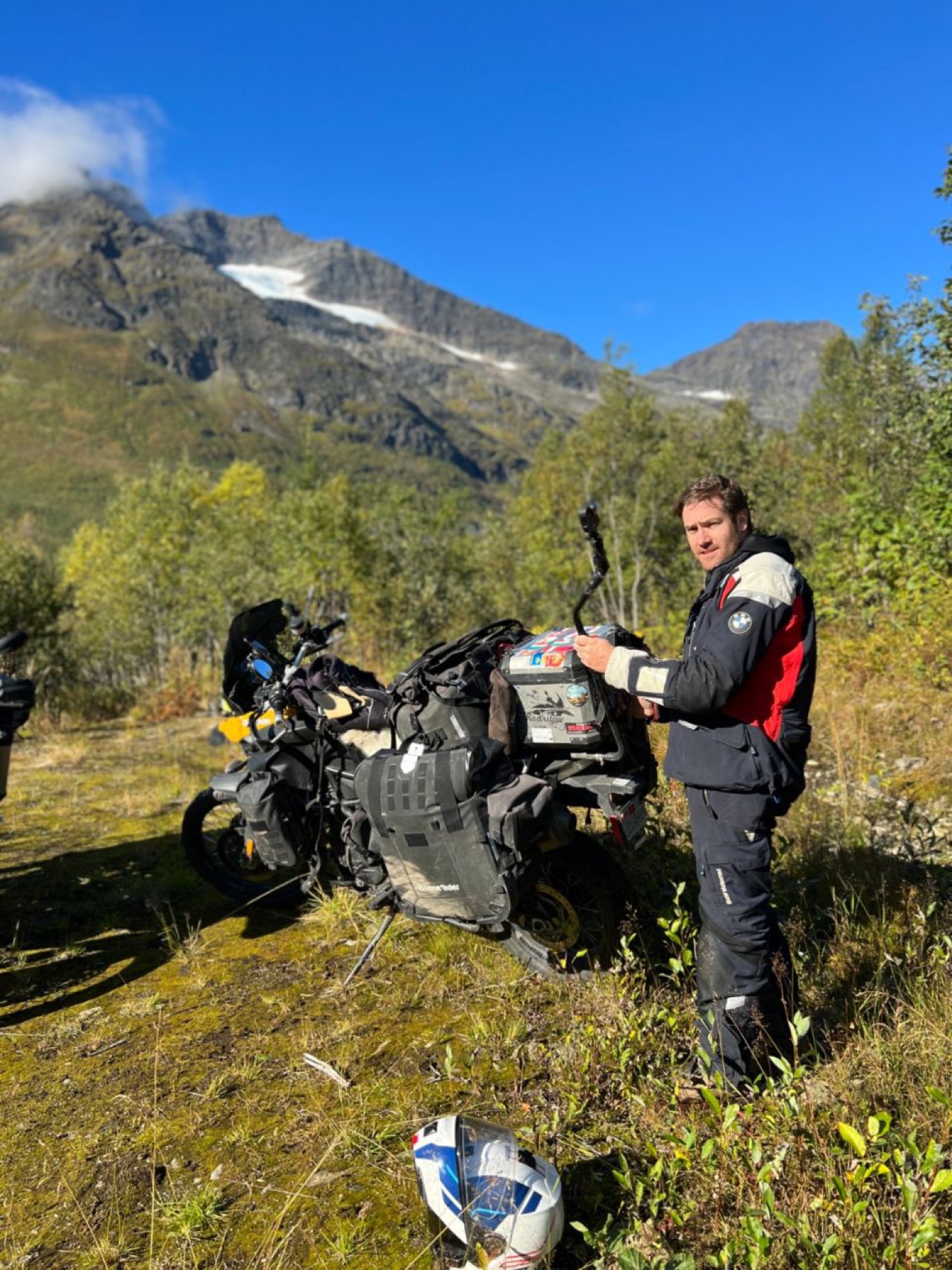 10.9A mountain pass with snow still lying in September.
 10.0
10.0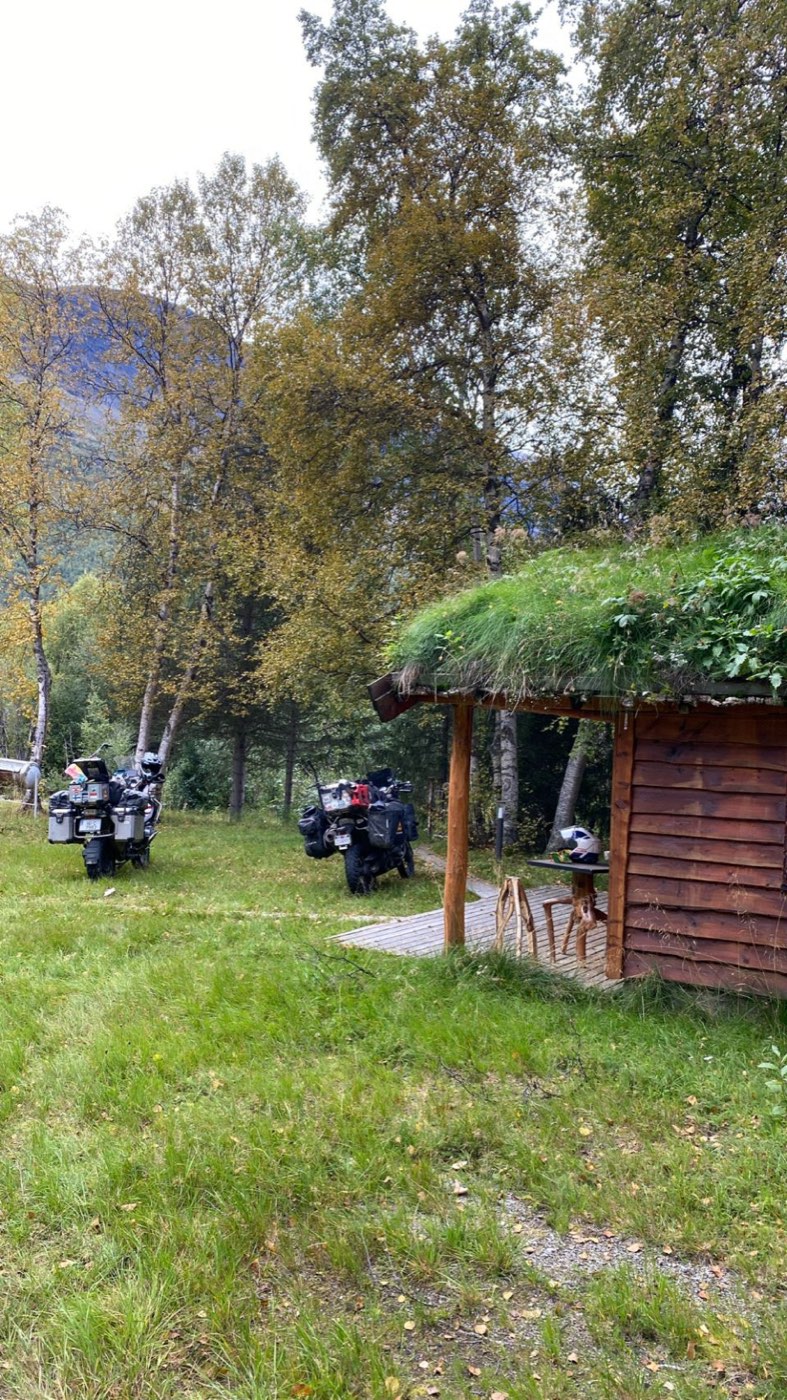 10.0
10.0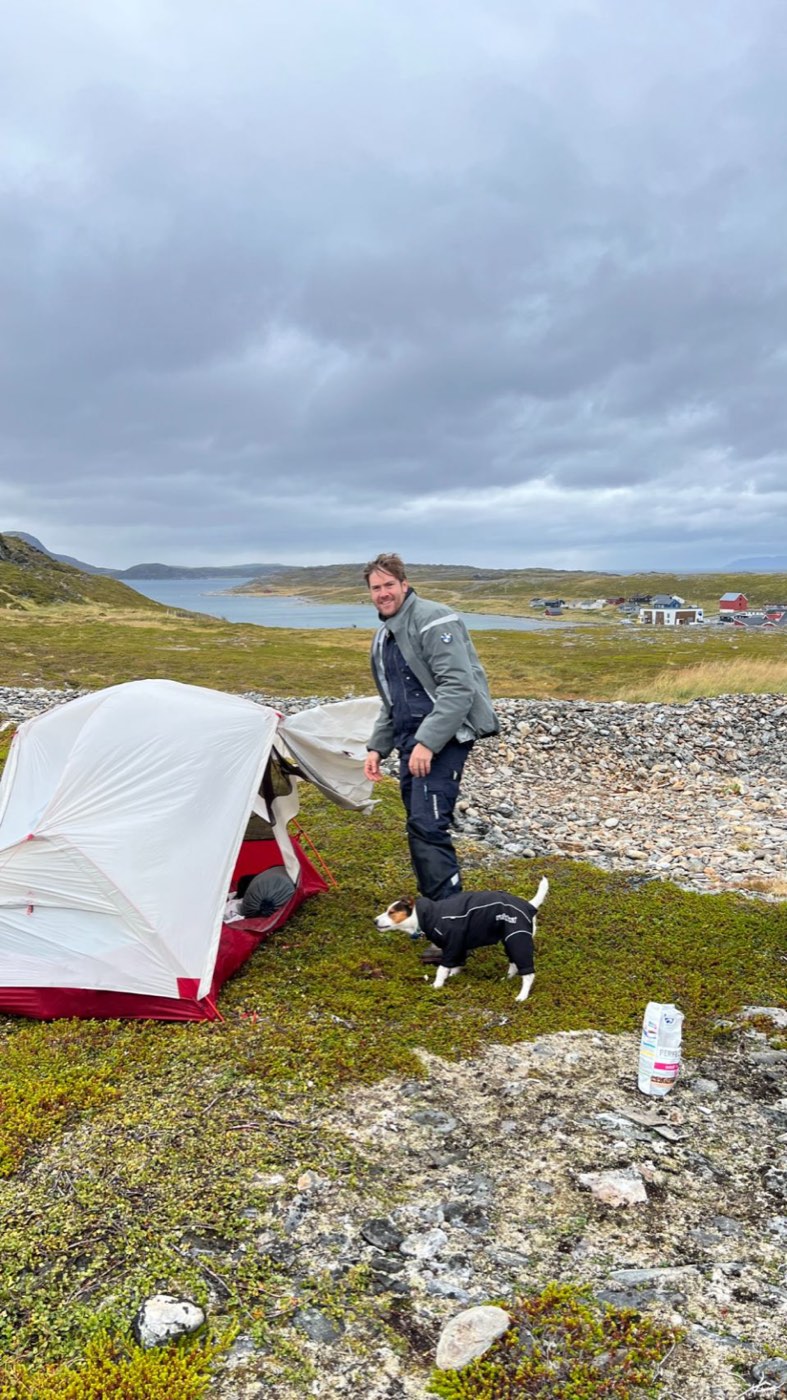 10.0
10.0Out of Russia into Finland, up through Lapland to 71 degrees north, and then the whole Norwegian coast south: the fjords, the Lofoten, the ferries, and out through Denmark into Germany. Four weeks in the autumn of 2022.
One missing stamp, and the whole trip nearly stops at Kuhmo.
The Russian leg ended at midday on 28 August, with mixed feelings. I had liked it enough that the better plan would have been to carry on north to Murmansk, a city I had visited seven years earlier while working in Kirkenes. I had promised the person who hosted me there that I would come back one day on a motorcycle, and I had imagined arriving to keep that promise more than once. Lucas was waiting on the Finnish side, and my brother Tomas at Rovaniemi, so it did not happen.
In the queue at the border I realised I had never given Jacko his parasite treatment, and that without it we would be sent back, with no chance of finding a vet out there. I borrowed a pen from the officer checking my own papers, went to a corner, and filled in the signature, the place and the time in Saint Petersburg, working backwards from how many days ahead the treatment has to be given.
At the window the passport had a signature but no stamp. They went to fetch somebody else. There was no way to contact the vet I had picked at random off Google Maps, so in very poor English they let me understand that I was through this time and should be more careful next time.
That was a close one. Without it I would have had to wait about five days, because it has to be given that far in advance to work.
What the road kept
The monument is the excuse. The coast is the reason.
Everyone rides north for the globe on the cliff, and it is worth standing there. But the part that stays with you is the three thousand kilometres afterwards, with a ferry every few hours and a mountain coming out of the sea at every turn.No tent, whisky, and a dog who picked the better sleeping bag.
I met Lucas again the same day, both of us with a week of stories to catch up on. We loaded up with food at the supermarket and went looking for somewhere to wild camp.
The place they found was spectacular, at the end of a track deep in mud. There were cabins, locked, and they tried and failed to get into them. So they built a big fire and slept out in the open with no tent, drinking whisky and beer and watching the stars.
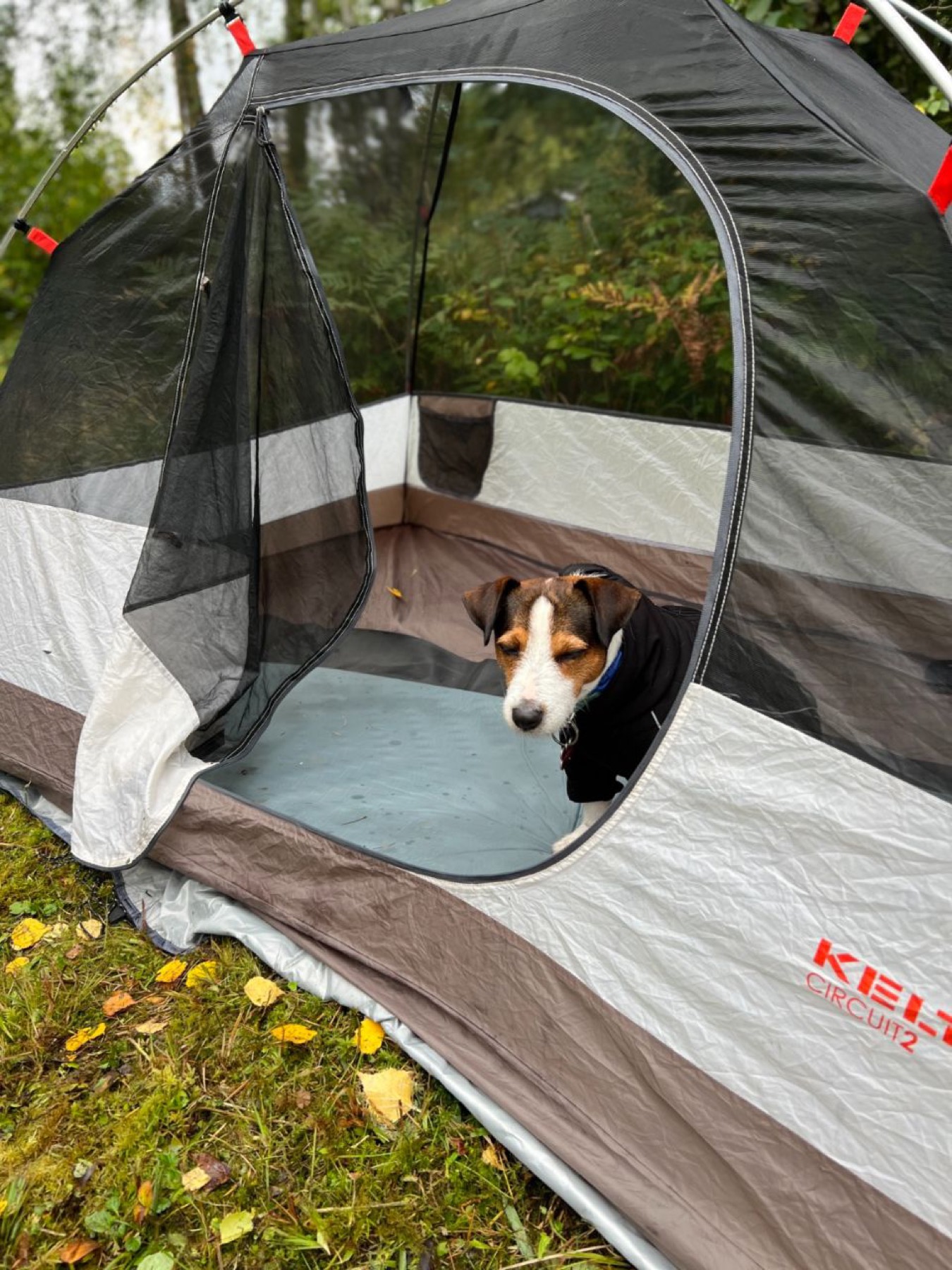
Jacko worked out fairly quickly that my sleeping bag was too narrow, and moved into Lucas's instead. Lucas took him in.
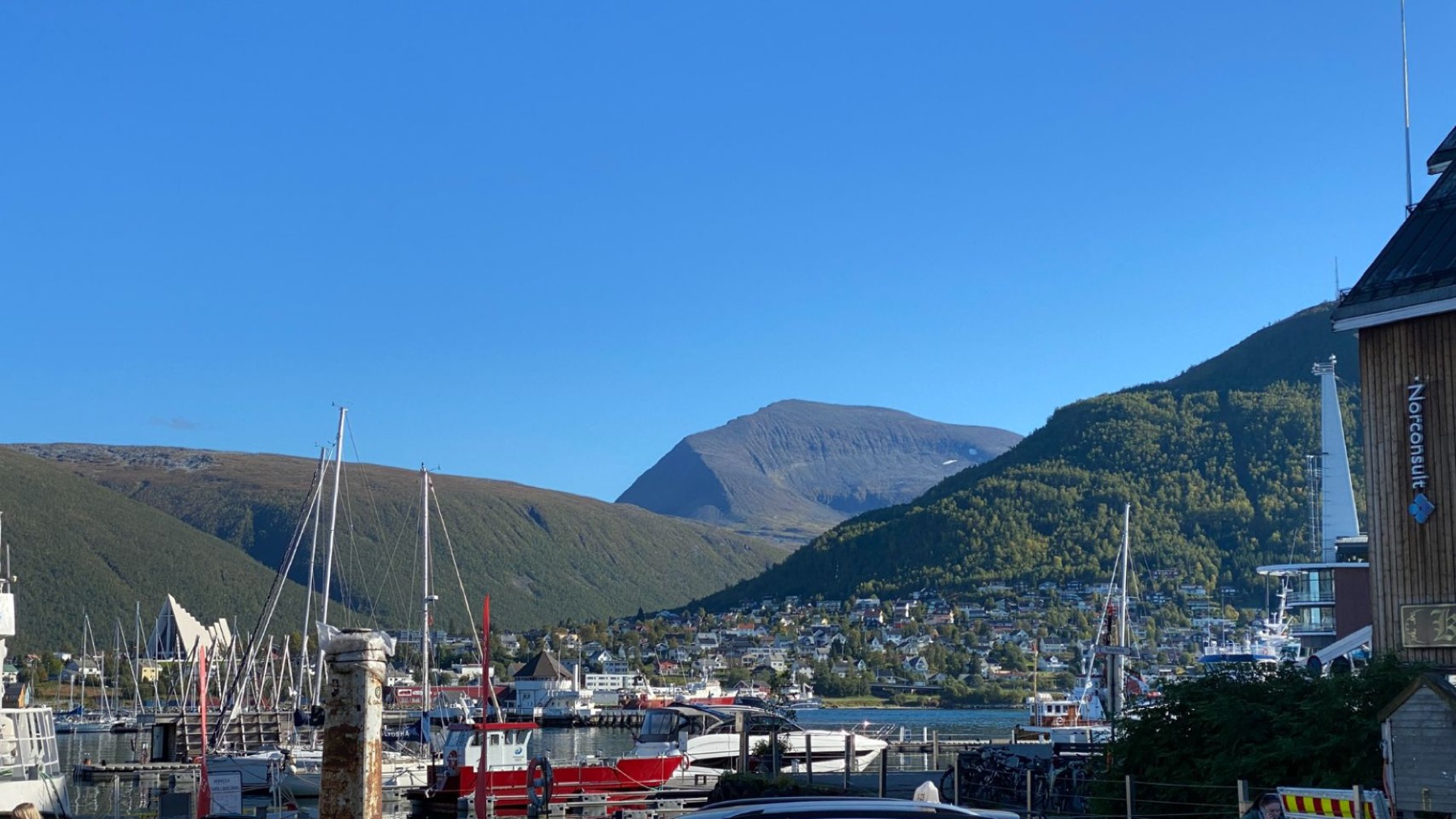 10.10Tromso, the largest city this far north, wedged between the mountains and the sea.
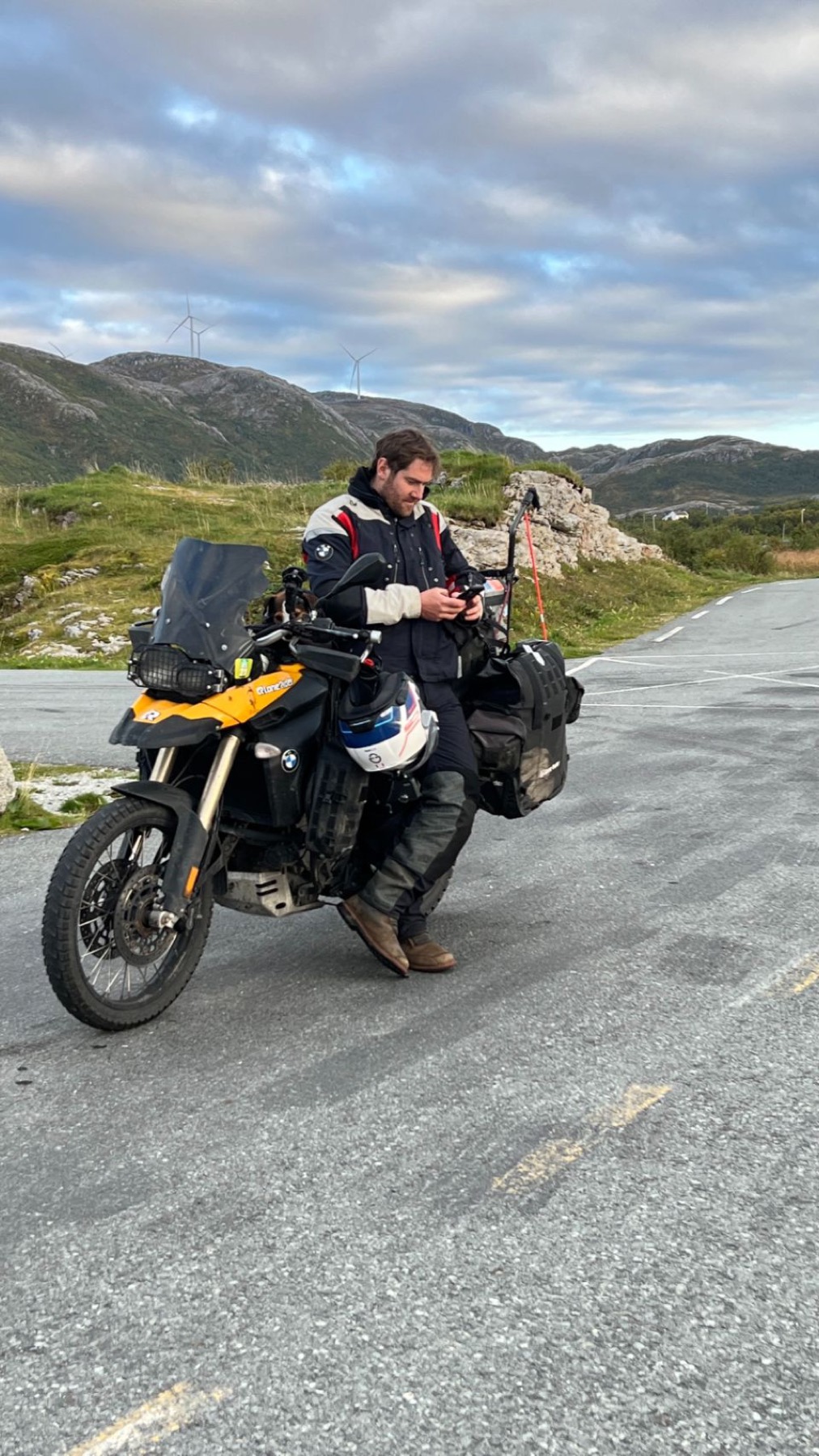 10.11Riding south. From the North Cape it is around three thousand kilometres to Hamburg, and every one of them is worth taking slowly.
Chilean wine on the Arctic Circle.
At Rovaniemi, where the Arctic Circle crosses the town, I met my brother Tomas and Tomas's Finnish partner. They were waiting with good Chilean wine, proper avocado of the kind you get at home, and smoked salmon.
It is a long way from Santiago to sixty six degrees north. It is not a long way from a table with your brother at it.
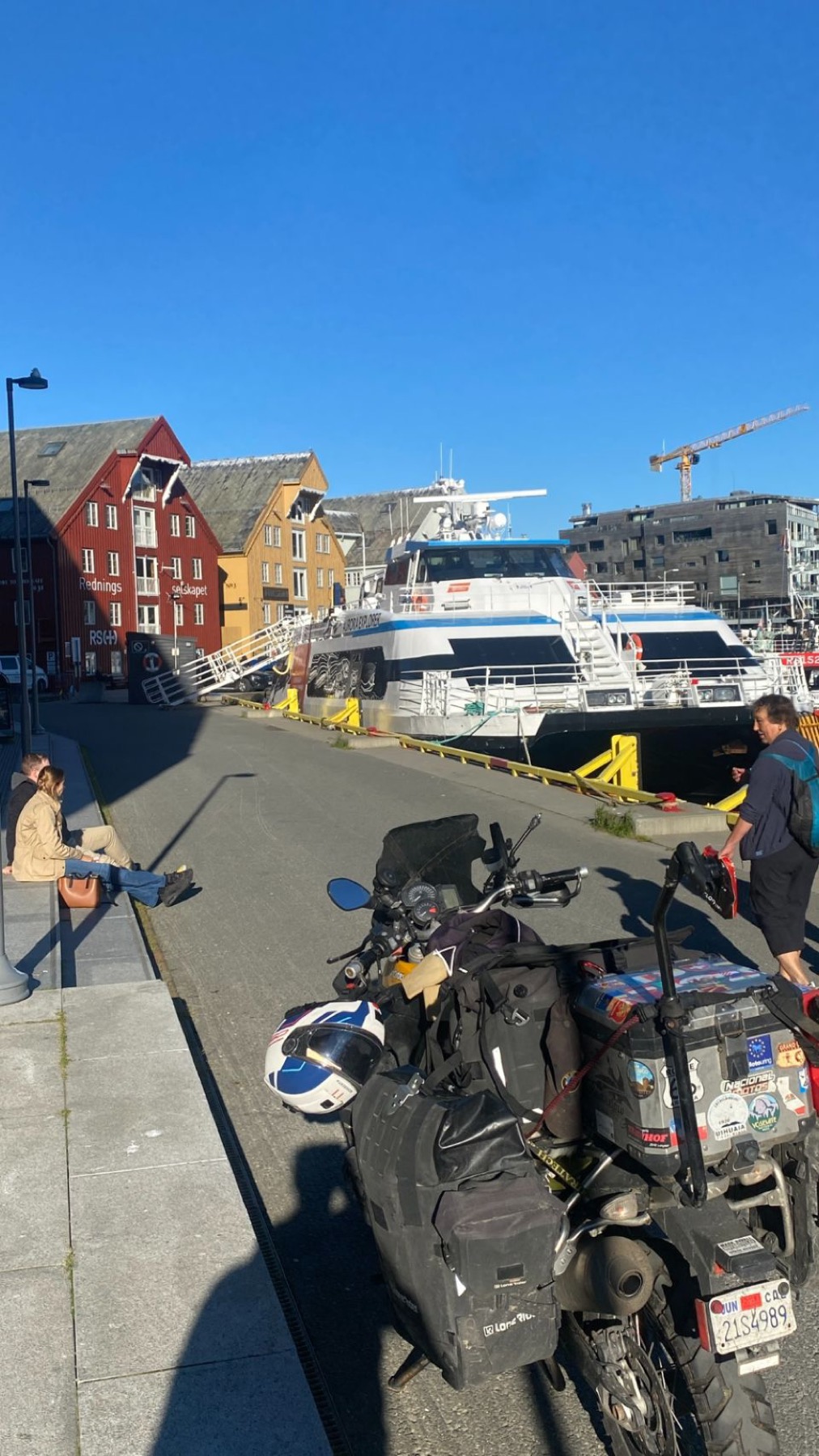 10.12A working harbour street. Everything up here arrives and leaves by water.
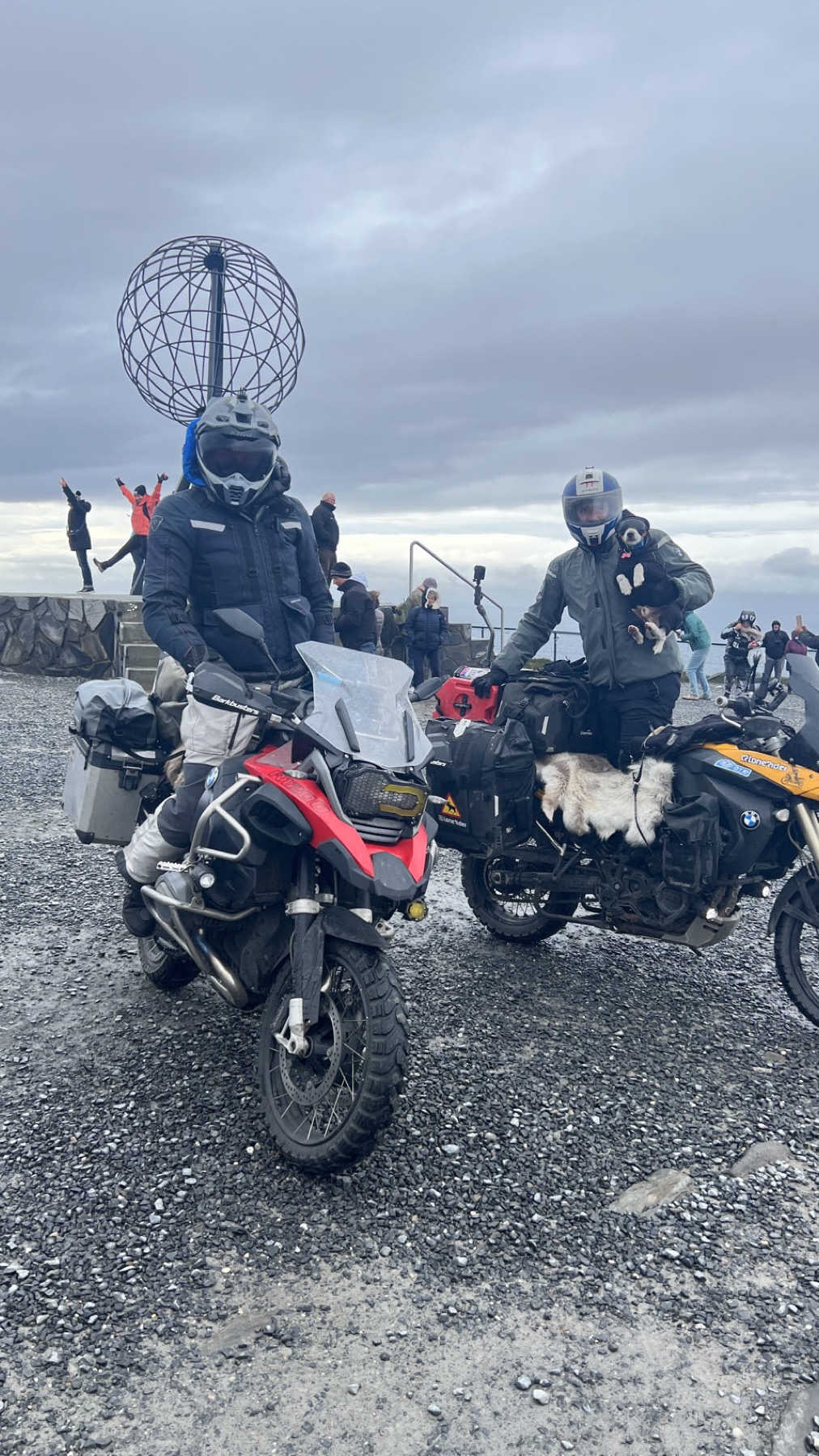 10.13Grey weather, which is the normal weather. Rain is part of the plan on this coast.
Out of Russia, and the north begins.
The crossing into Finland at Kuhmo changed everything at once: forest, lakes, and roads with nobody on them. Rovaniemi sits on the Arctic Circle, and from there north the trees start to give up.
By Inari the country is tundra, Sami land, and reindeer standing in the road as if the road were theirs, which in practice it is.
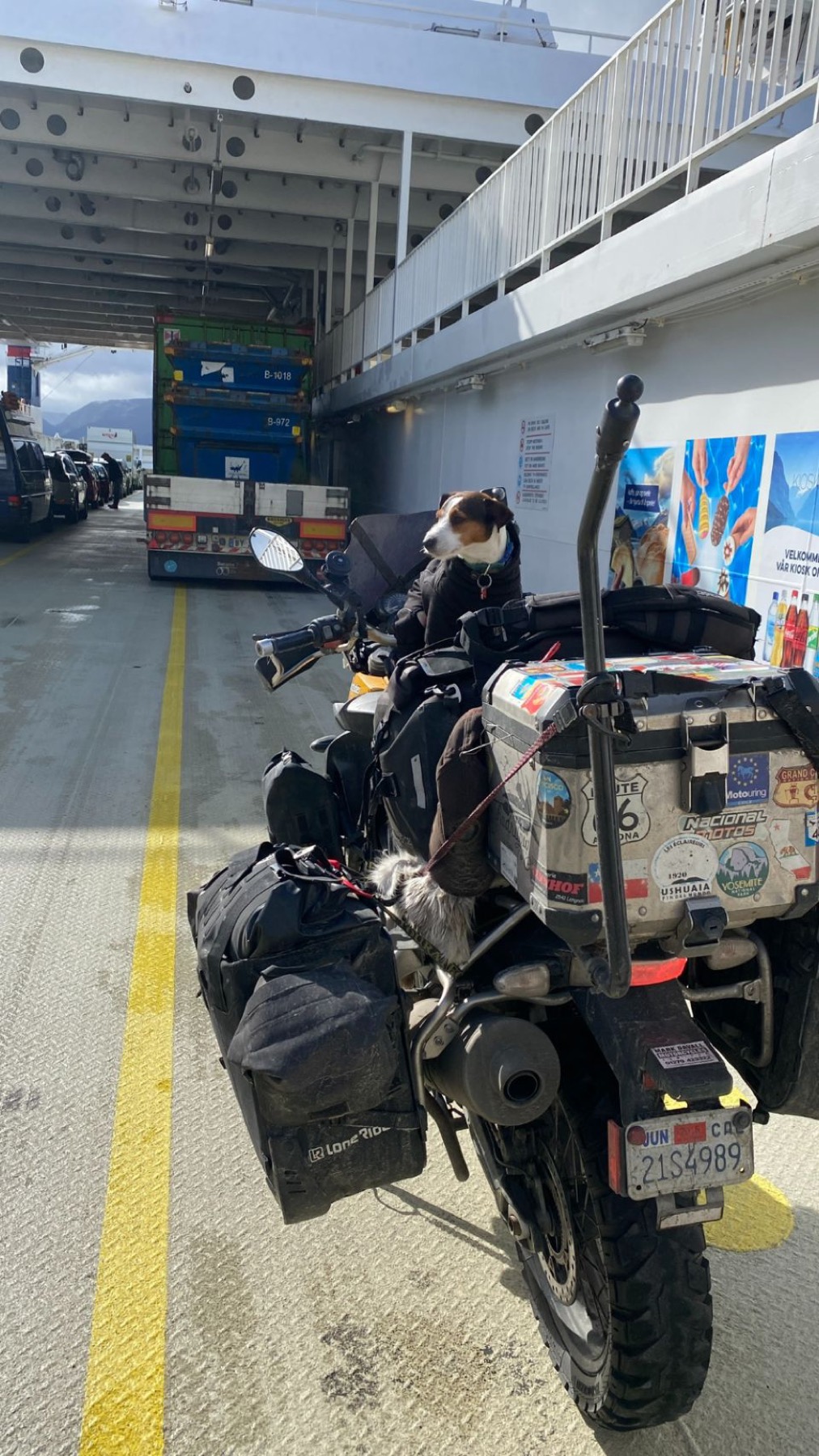 10.14On the ferry. Between Tromso, Senja, the Lofoten and Bodo the road is broken by water again and again, and each crossing is part of the route.
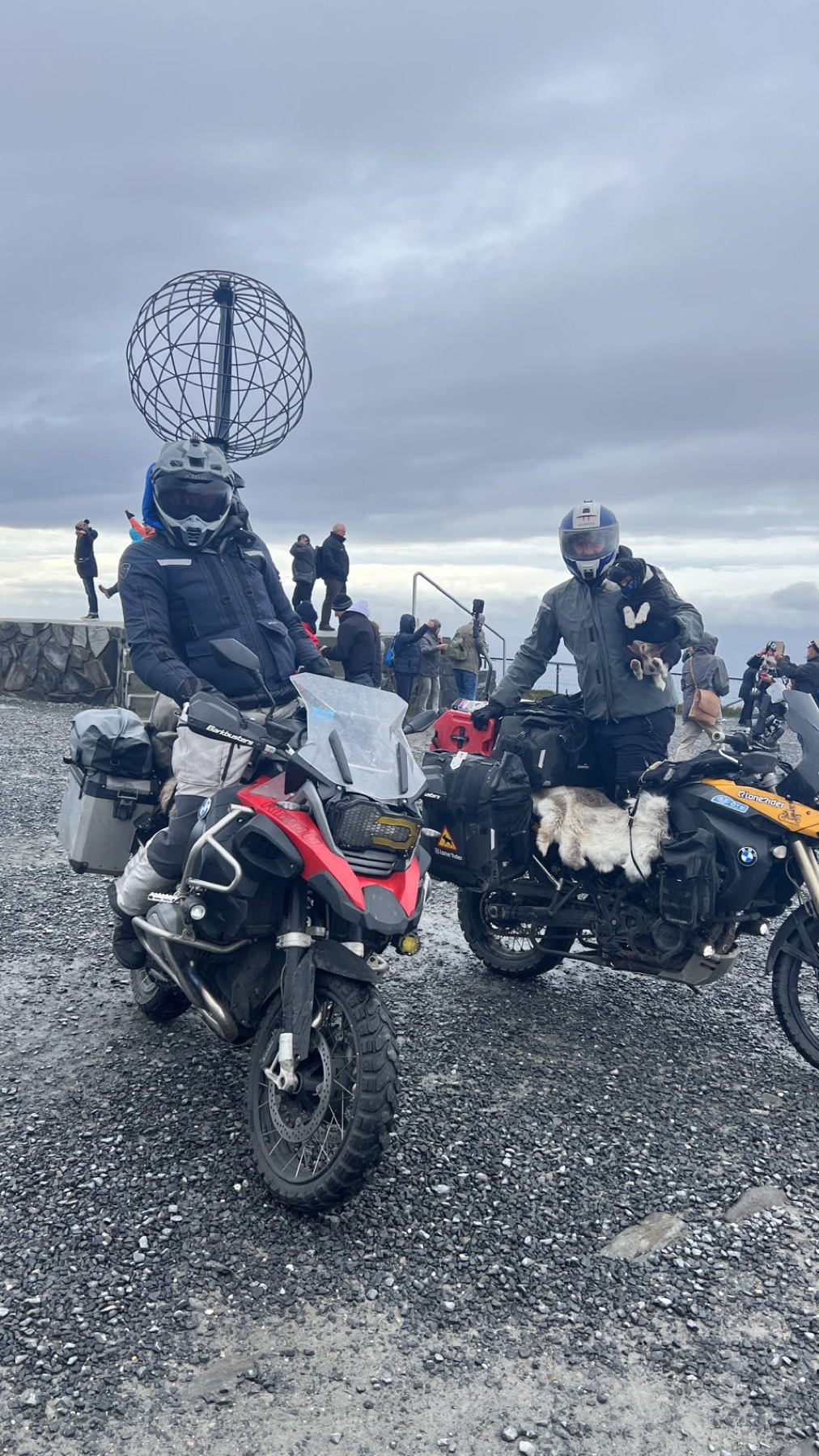 10.15The end of the continent, from a distance.
Seventy one degrees north.
The cape is a cliff three hundred metres above the Barents Sea, with a steel globe on the top of it and nothing beyond but water and ice. Getting there means crossing Norway's northernmost county on roads that run out of trees, then out of shelter, then almost out of light.
It is not a beautiful place in the postcard sense. It is grey, wind blasted and often in cloud. That is the point: you ride to it because the continent stops there.
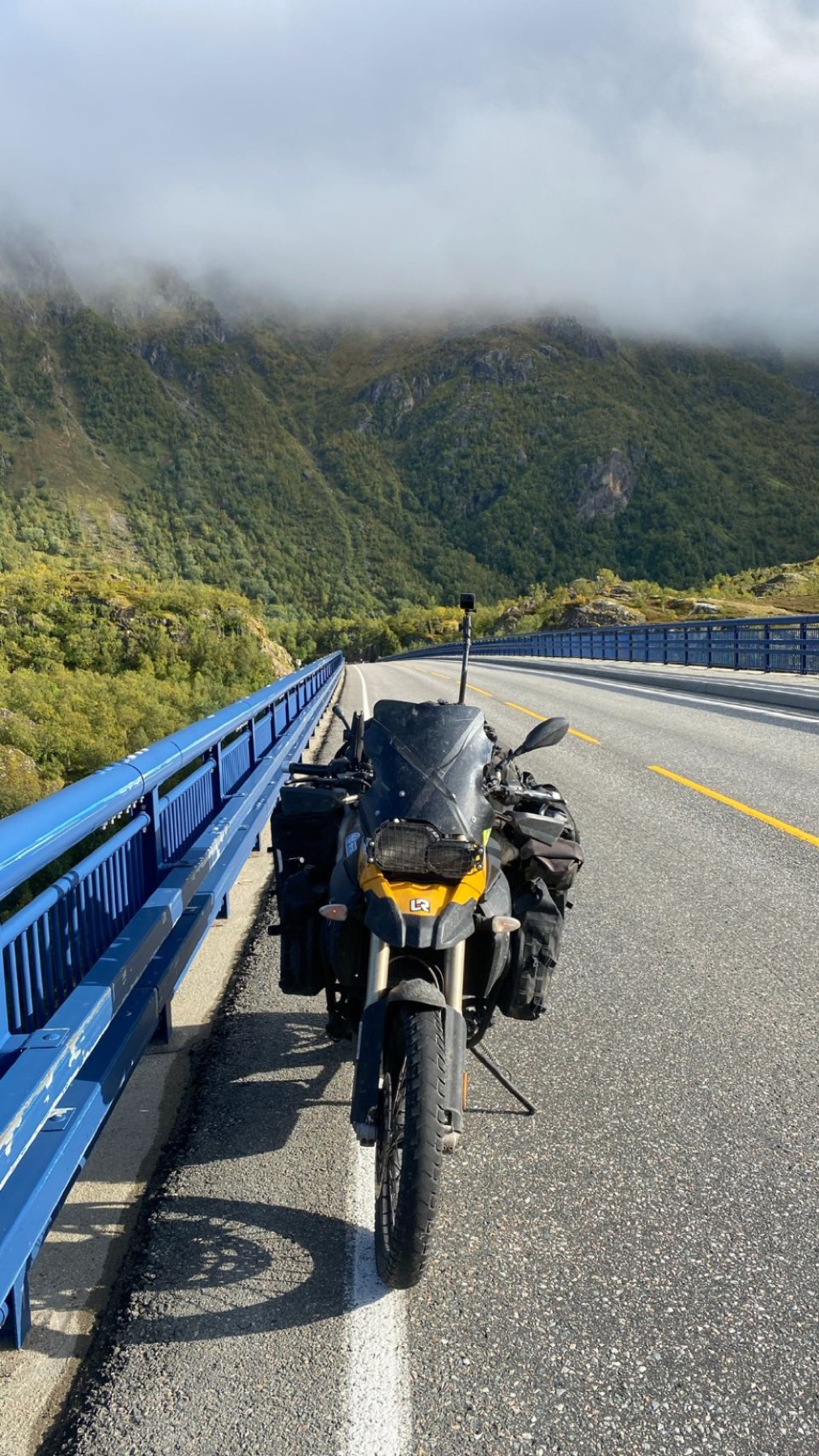 10.16A road cut into the mountain. Norway has more than a thousand road tunnels, because there is often no other way through.
Then three thousand kilometres of the best road in Europe.
The way south is the reward. Tromso, wedged between mountains and sea. Senja. The Lofoten islands, where the peaks come straight out of the water and the villages sit on stilts along the shore. Bodo, Molde, Bergen, Stavanger.
Norway's coast is so broken that the road is not continuous: it is a chain of stretches joined by ferries and by more than a thousand tunnels. The crossings are not an interruption, they are the route.
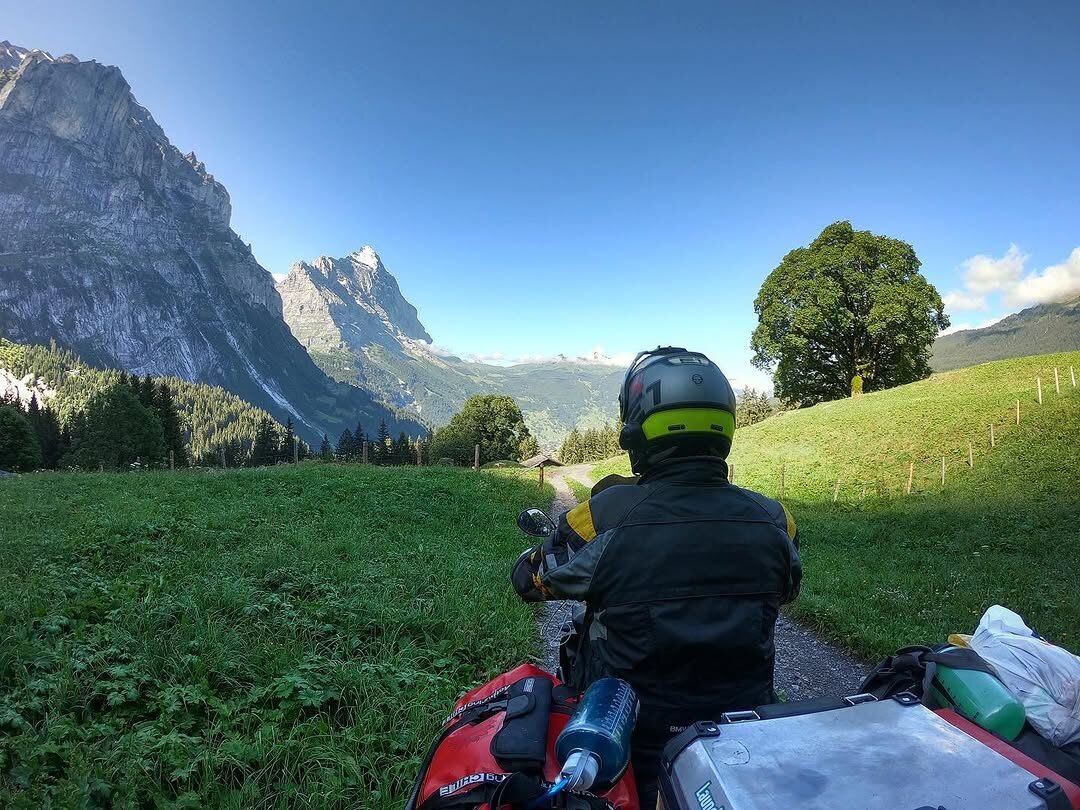
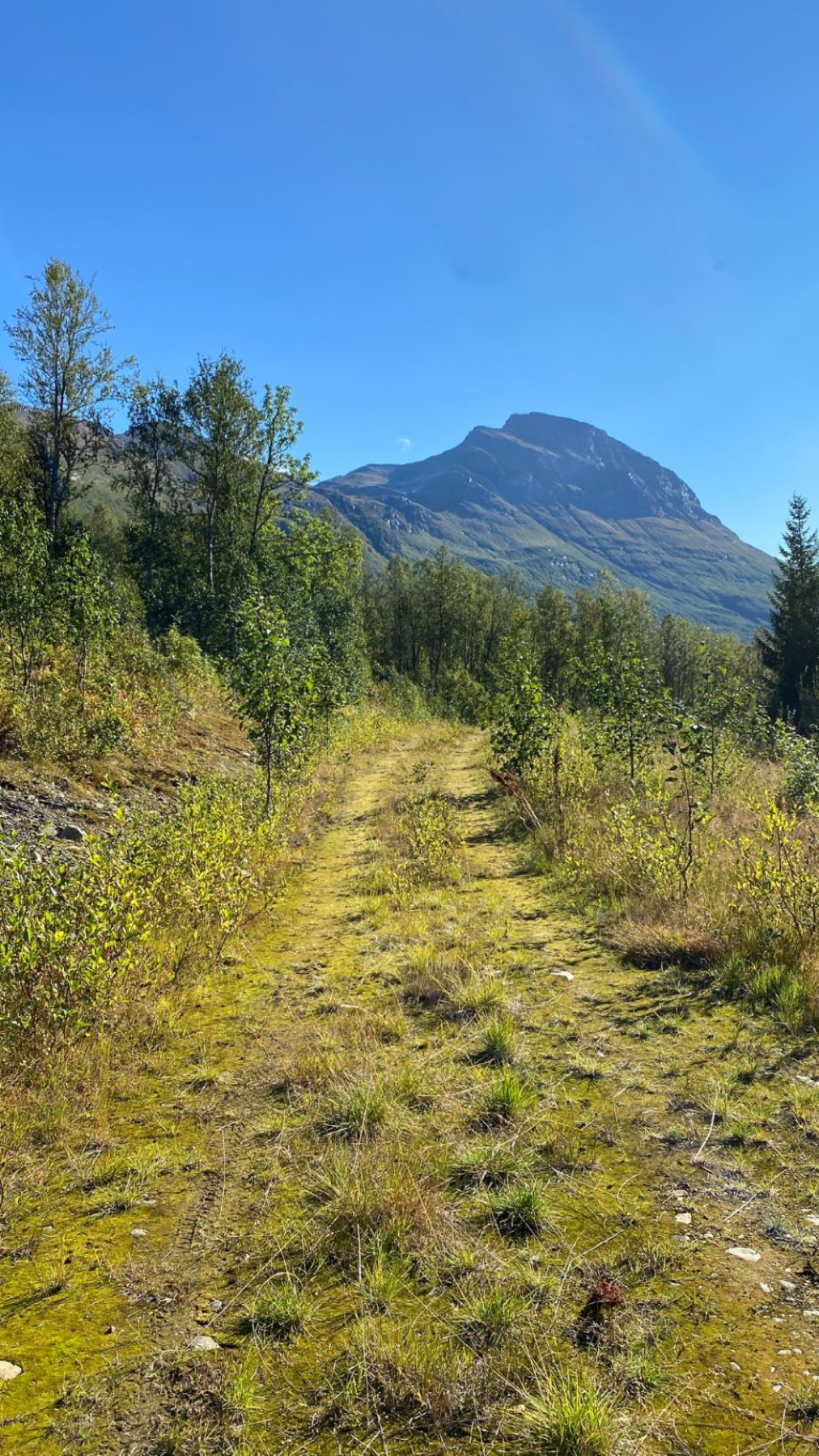 10.17The track ahead. Between the fjords the country opens into wide green valleys.
You can sleep almost anywhere, and you will need to.
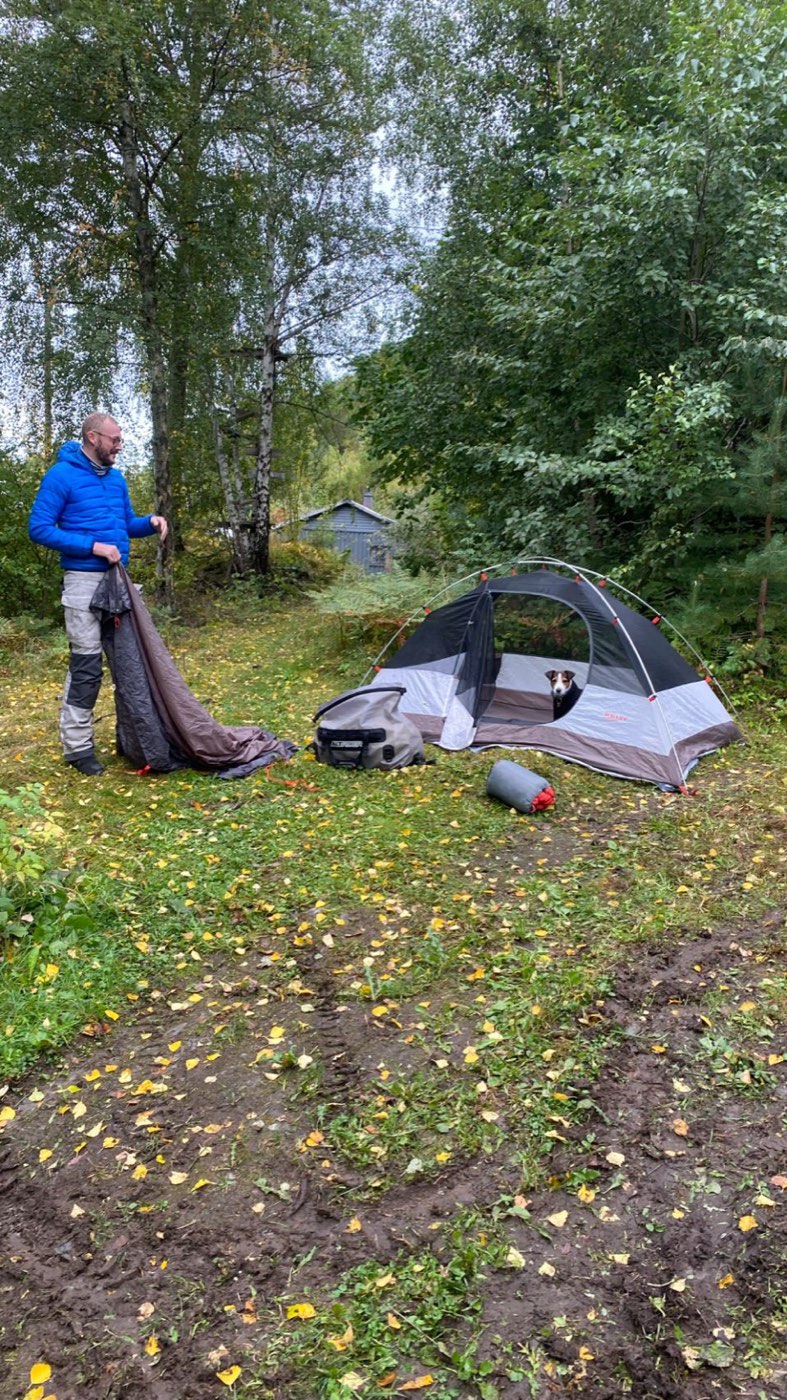
Norway's right to roam allows camping on open land almost everywhere, which is just as well: this is one of the most expensive countries in Europe. Turf roofed cabins, a fire, a sheepskin on the seat and a dog in the tent.
September in the north means the birch is already turning, the rain arrives sideways, and the light in the evening lasts for hours. Then Sweden briefly, Denmark, and the border into Germany, where the ride ends.
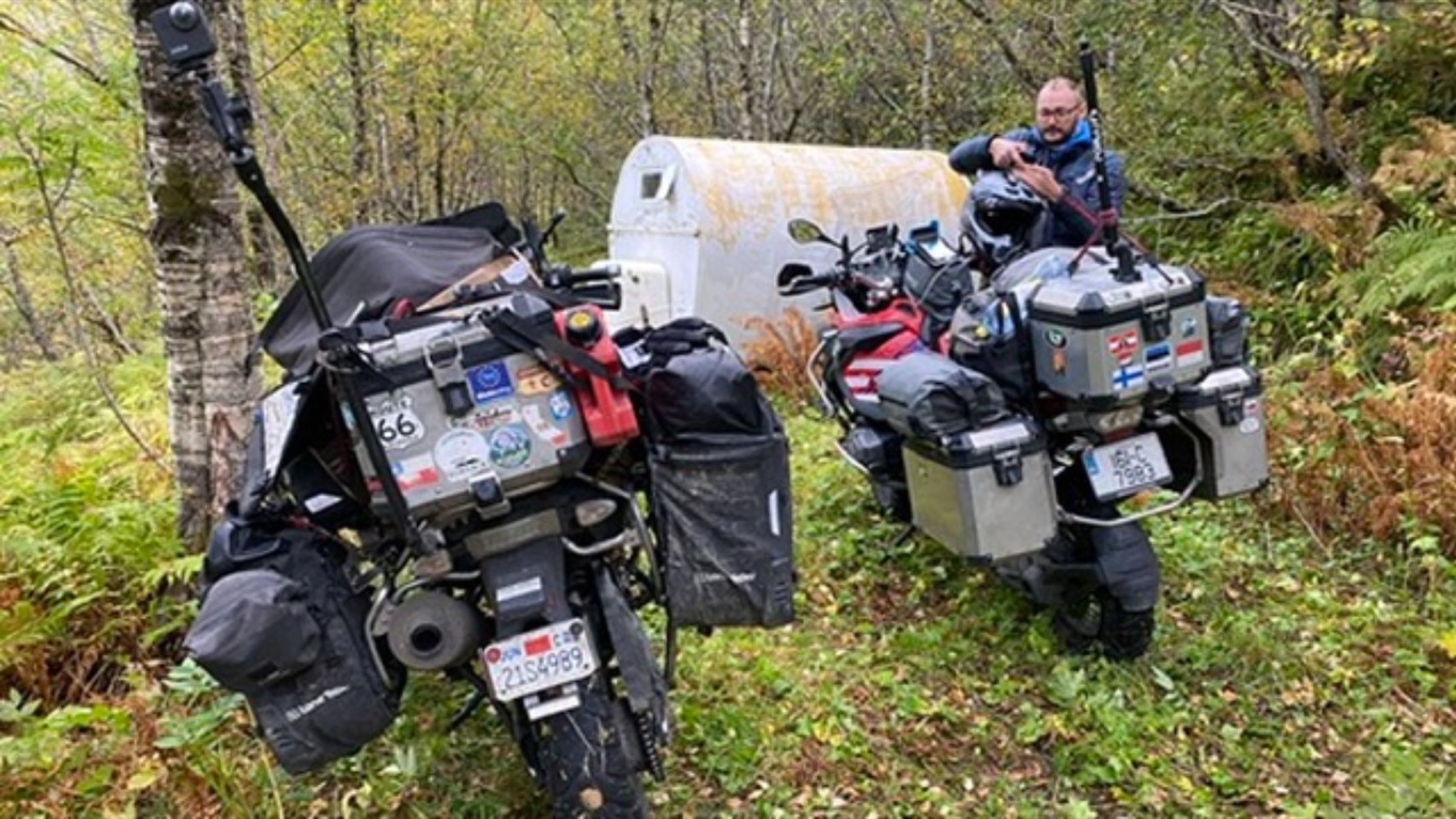 10.18Two loaded bikes in the birch. September in the north means the colour is already turning.
The field archive
158 more frames from the road
Everything else from the folder, in the order it was taken.
212223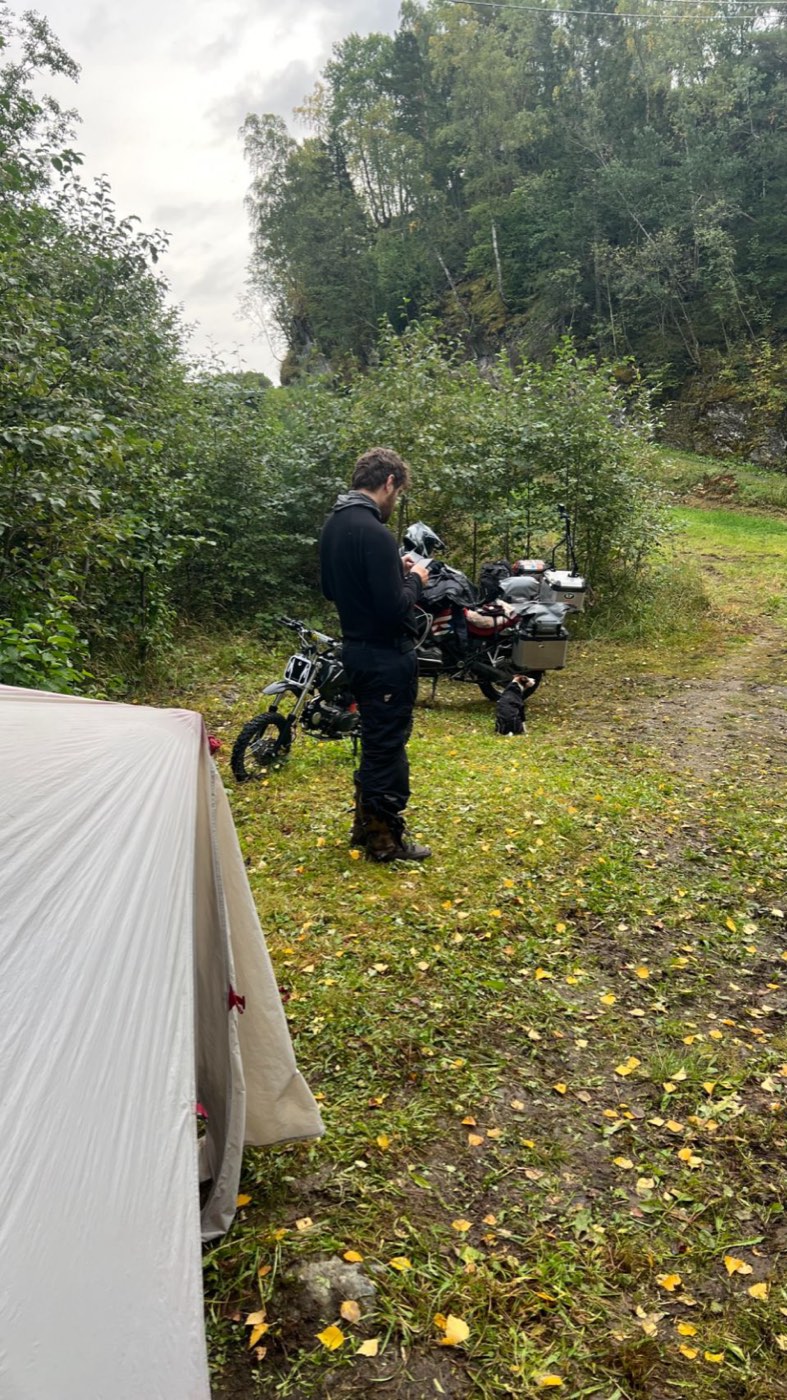 24
24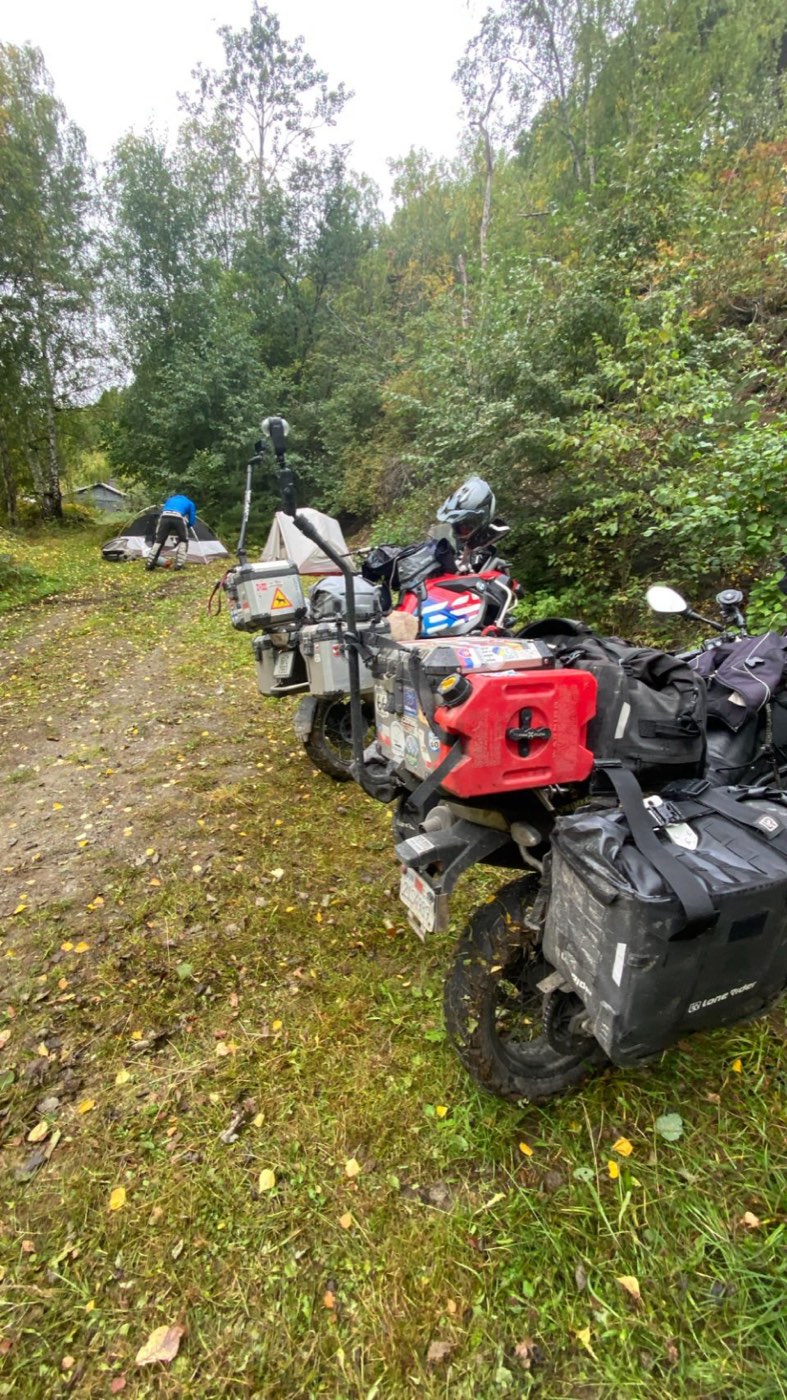 25
25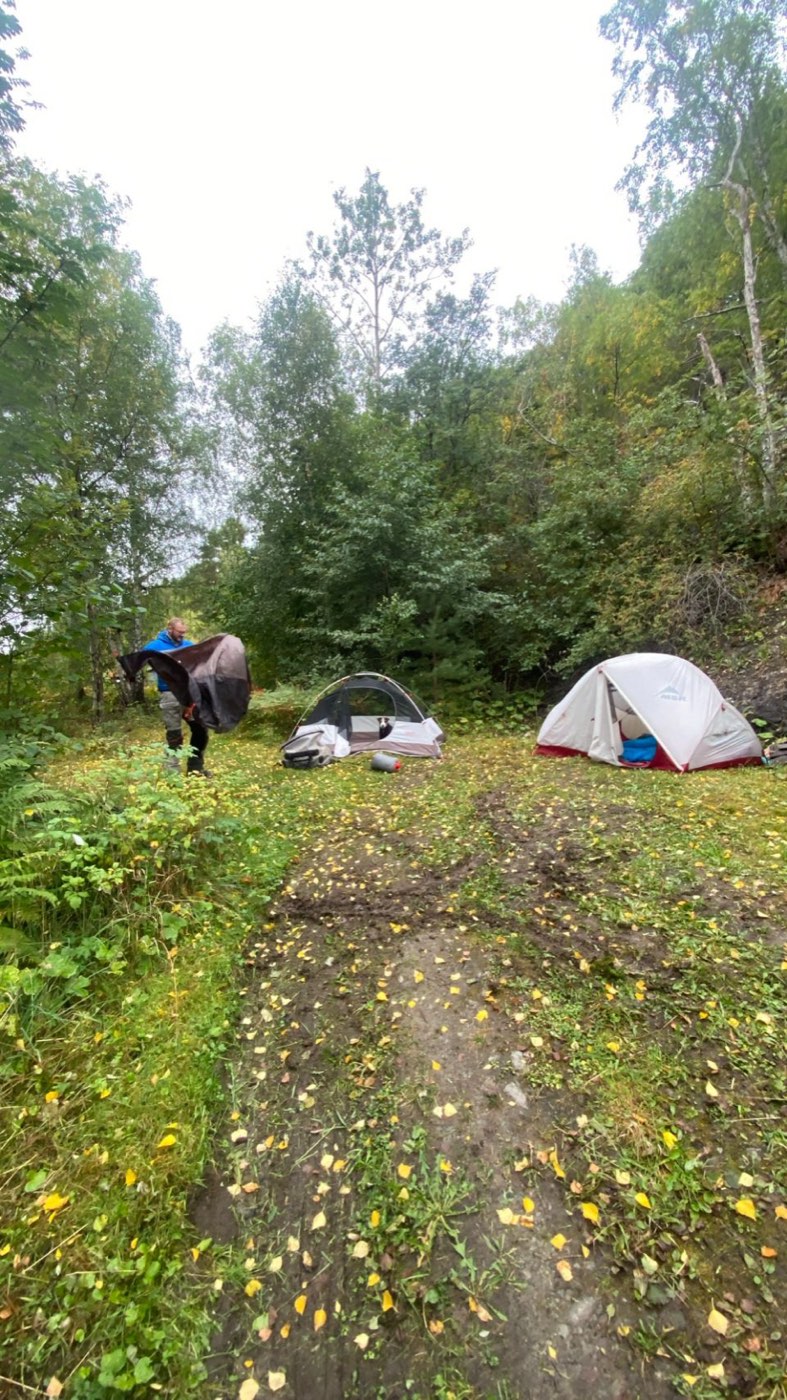 26
26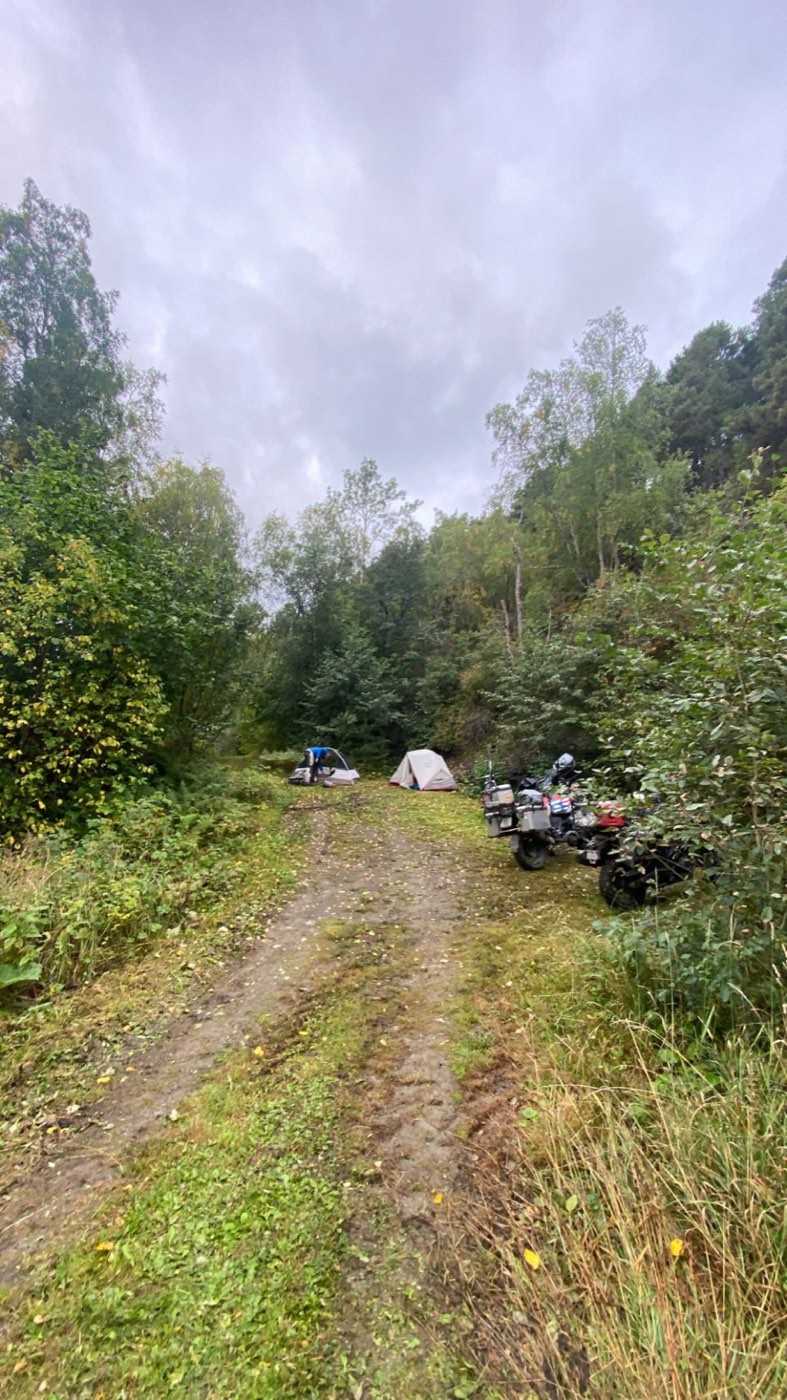 27
27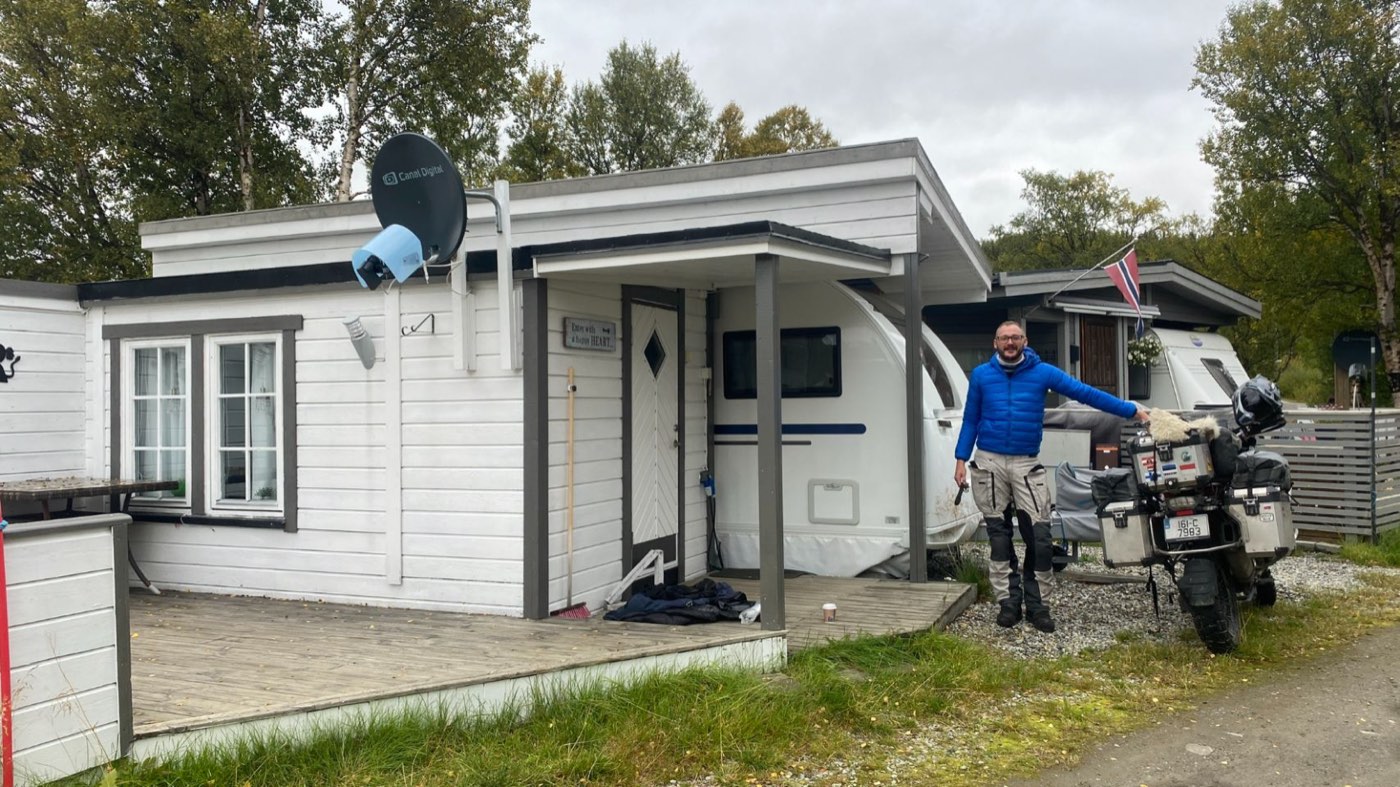 28
28 29
29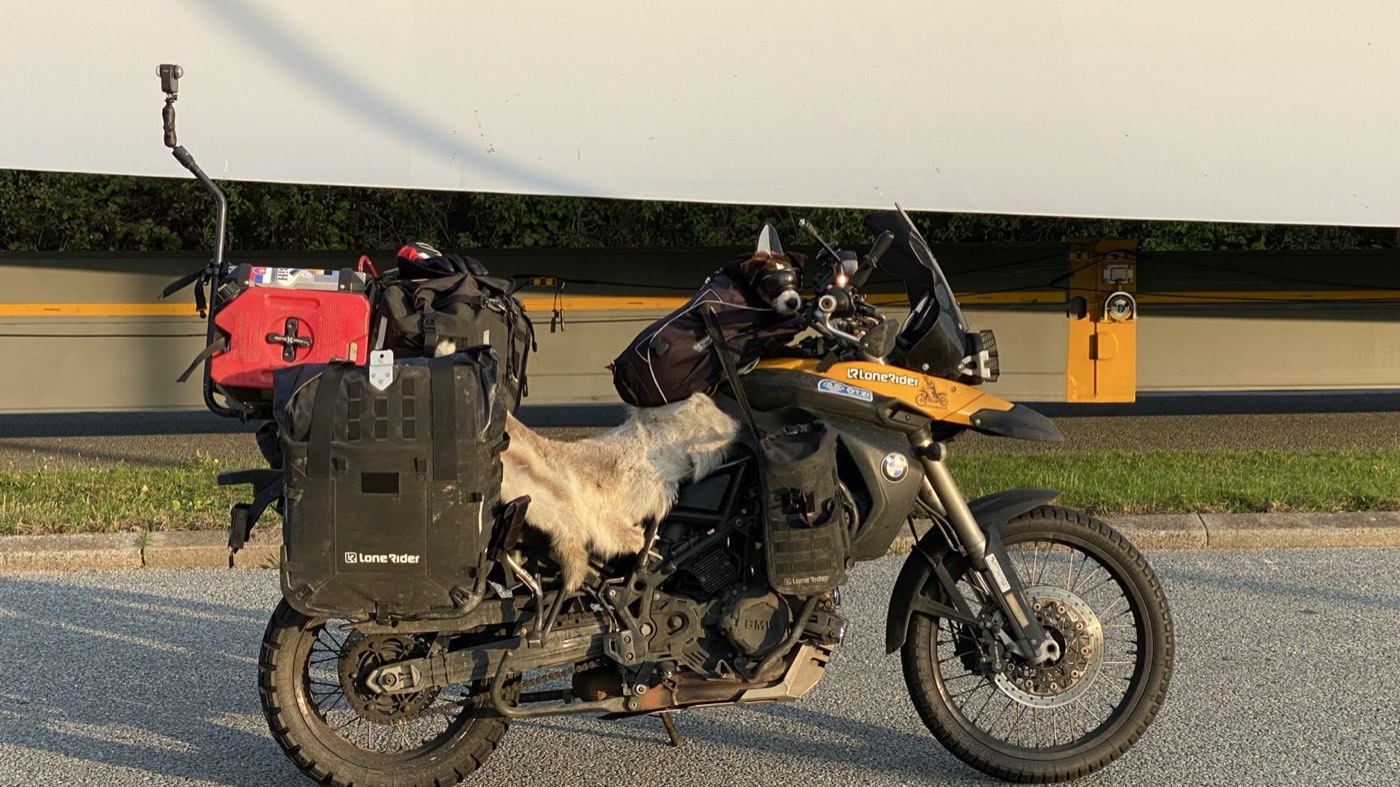 30
30 31
31 32
32 33
33 34
34 35
35 36
36 37
37 38
38 39
39 40
40 41
41 42
42 43
43 44
44 45
45 46
46 47
47 48
48 49
49 50
50 51
51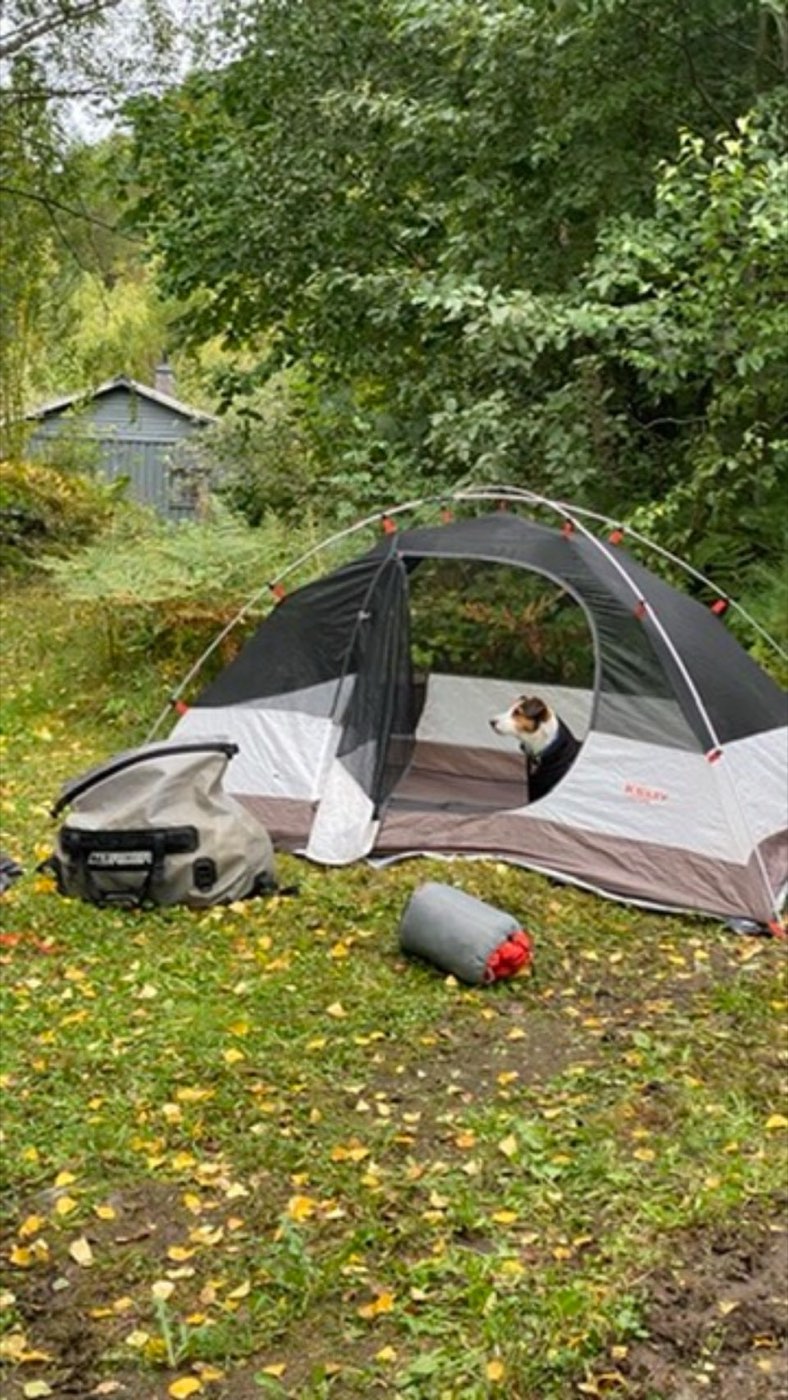 52
52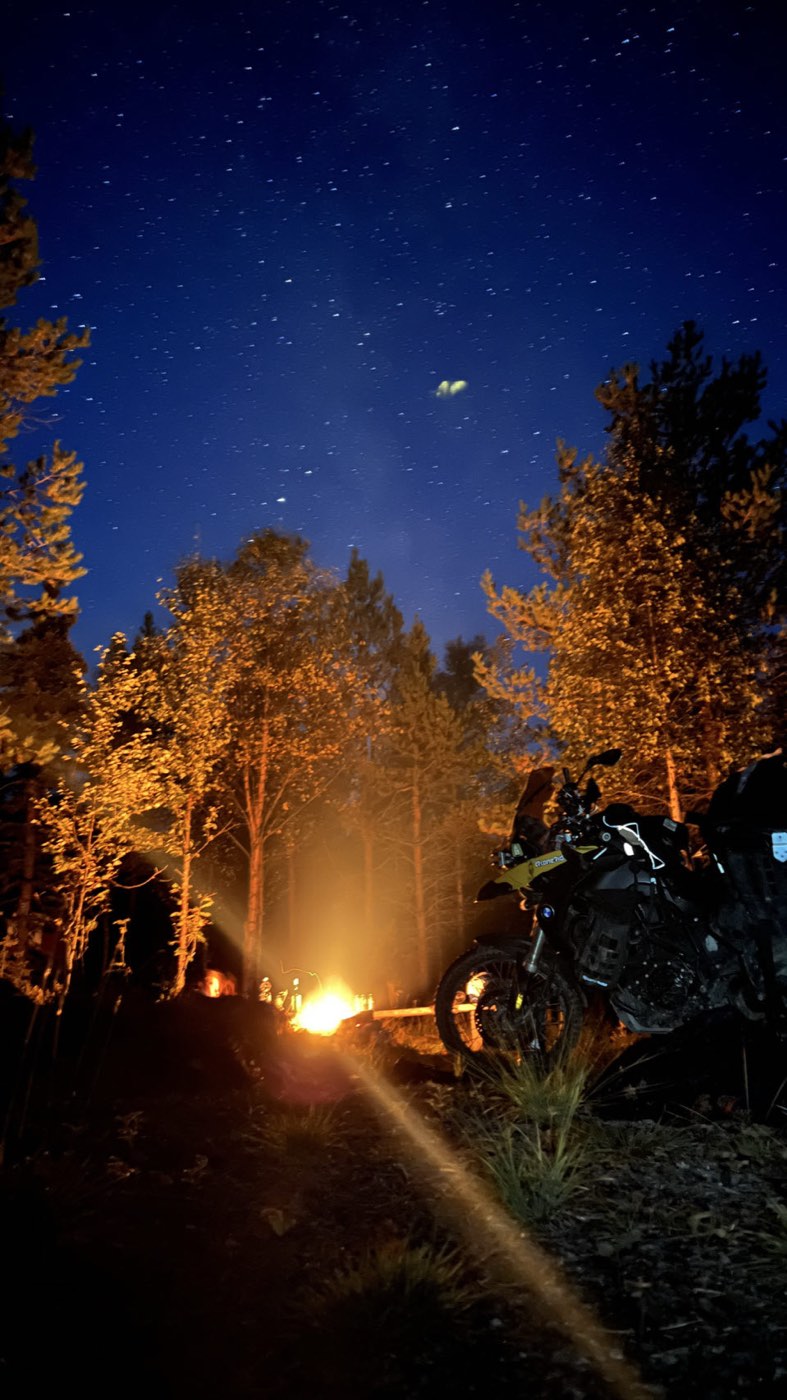 53
53 54
54 55
55 56
56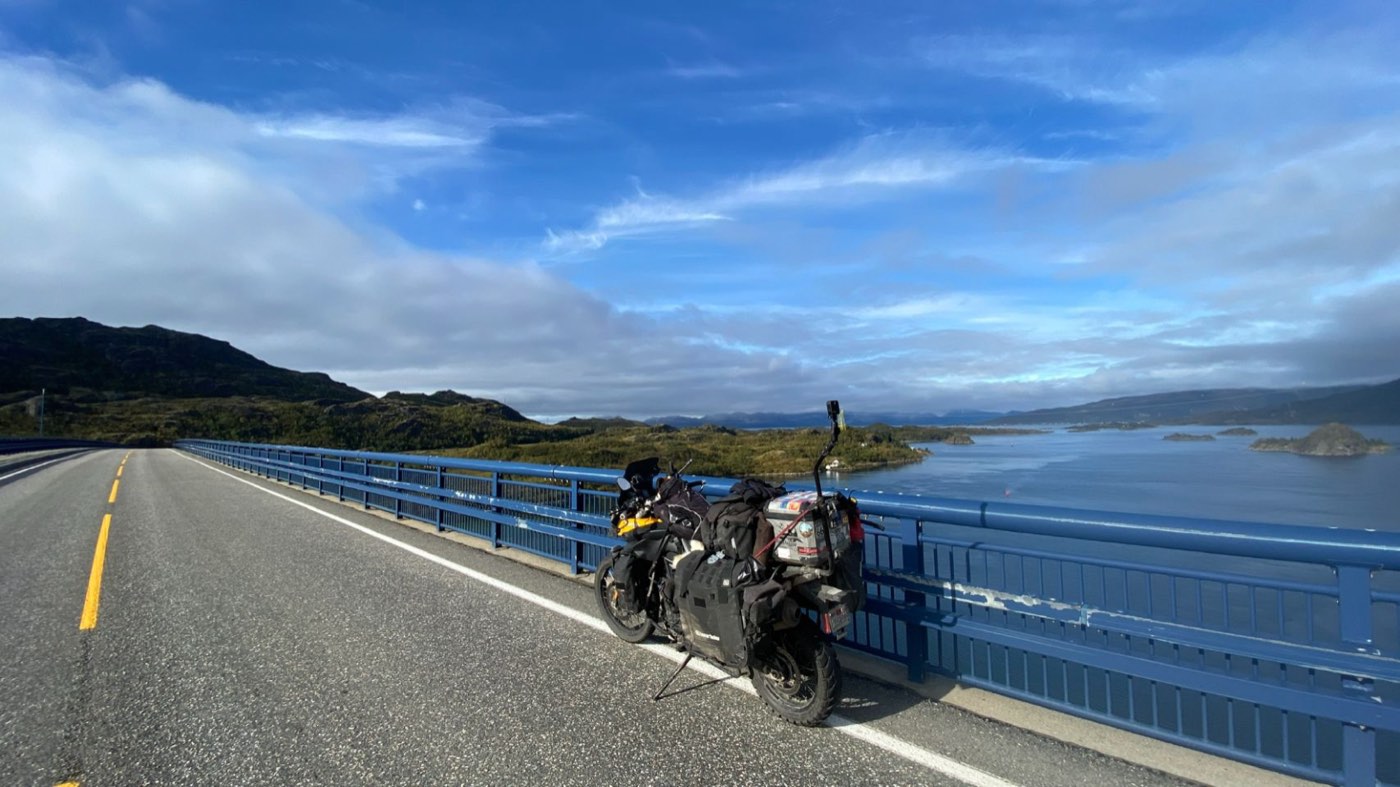 57
57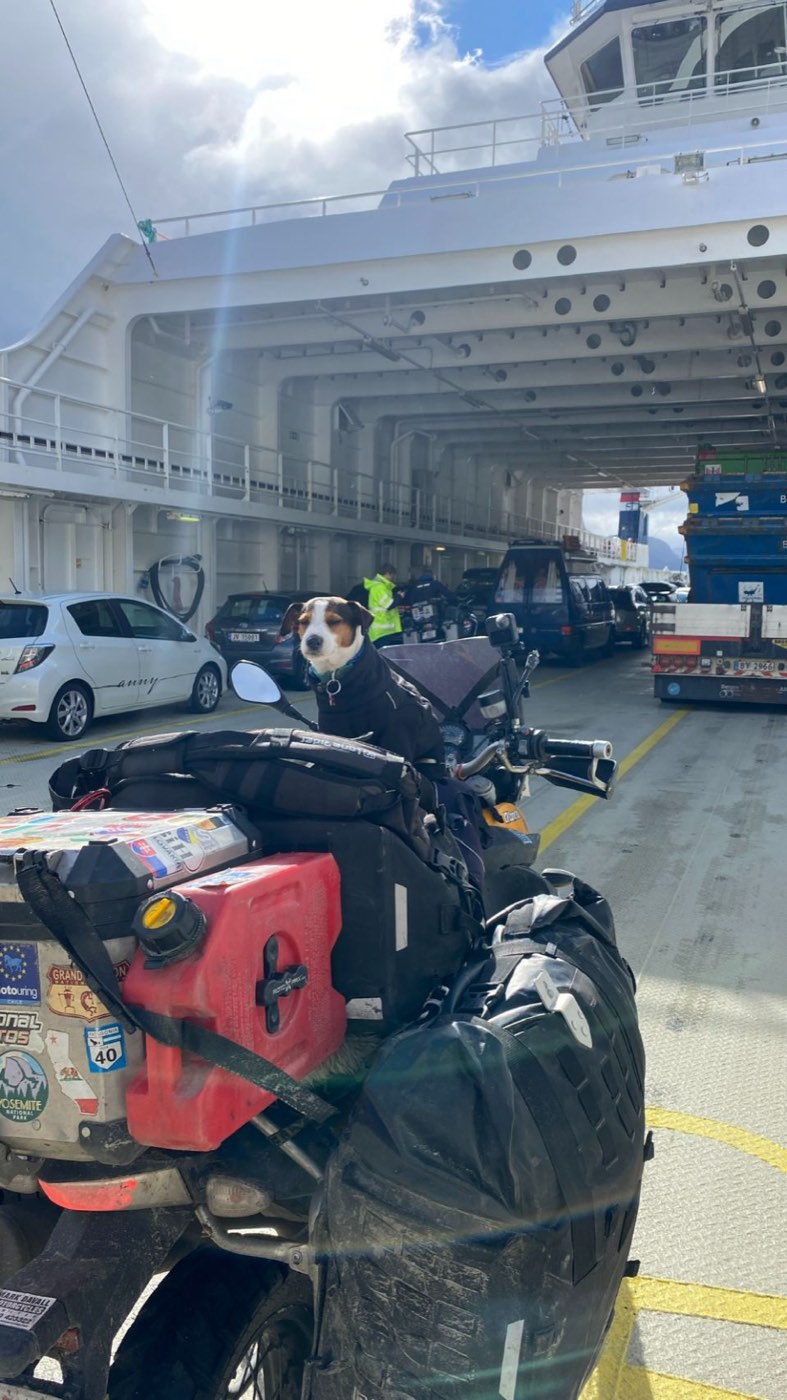 58
58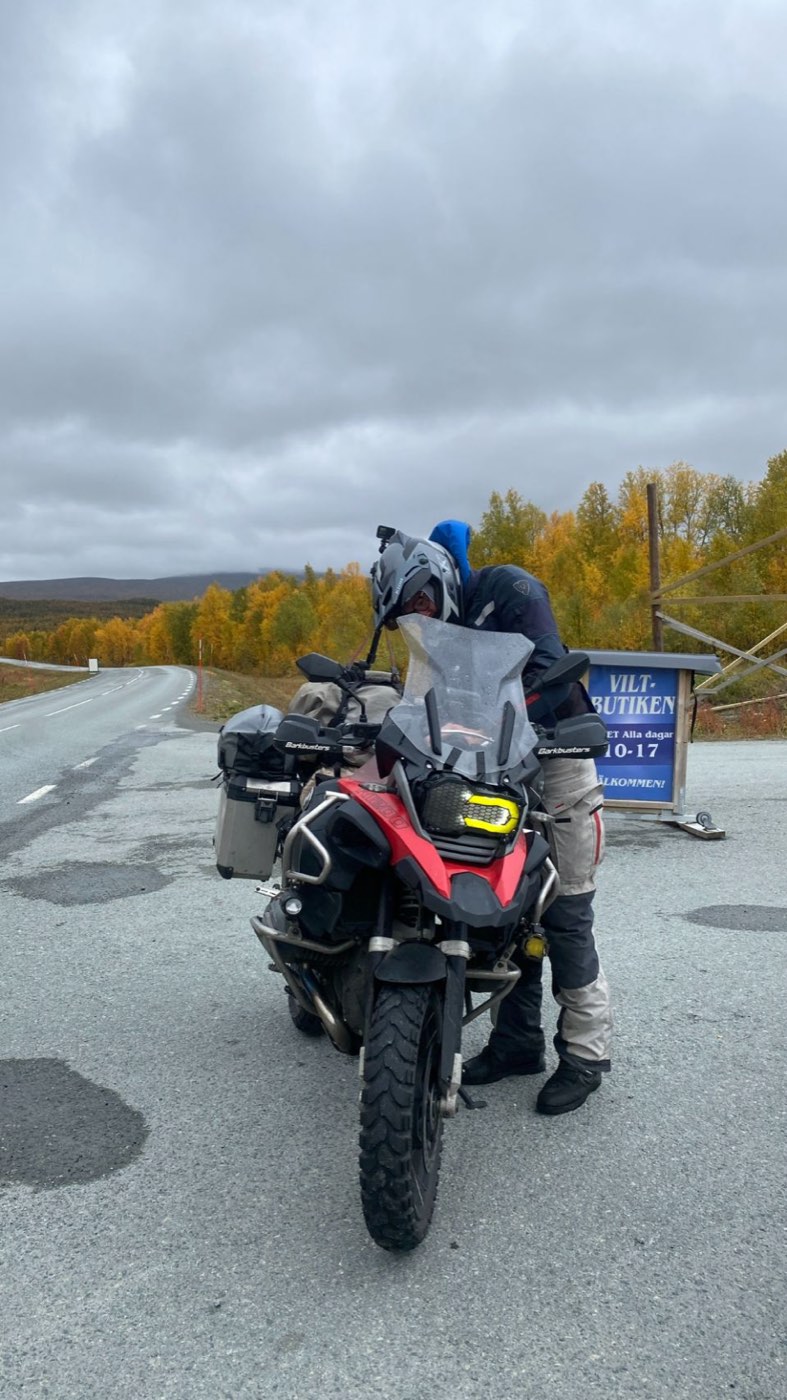 59
59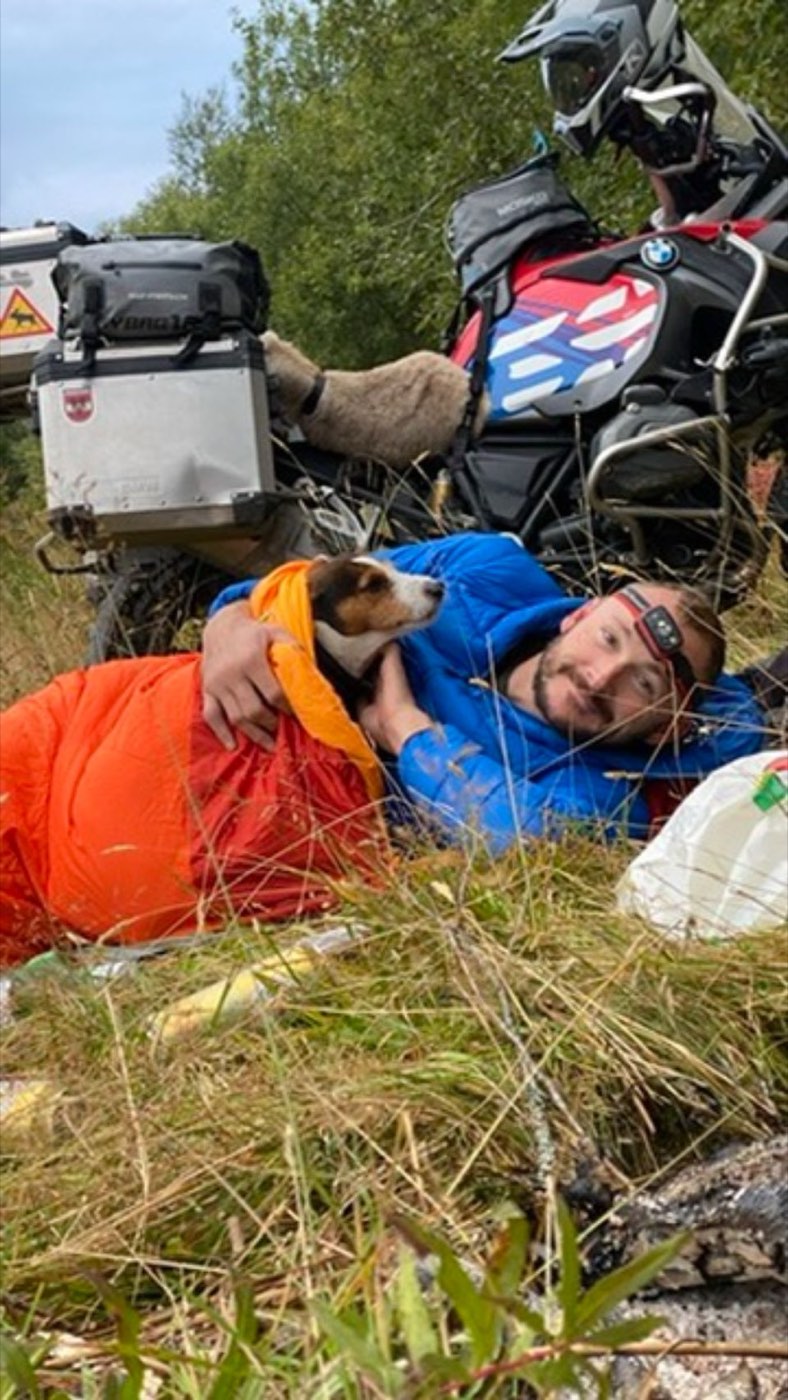 60
60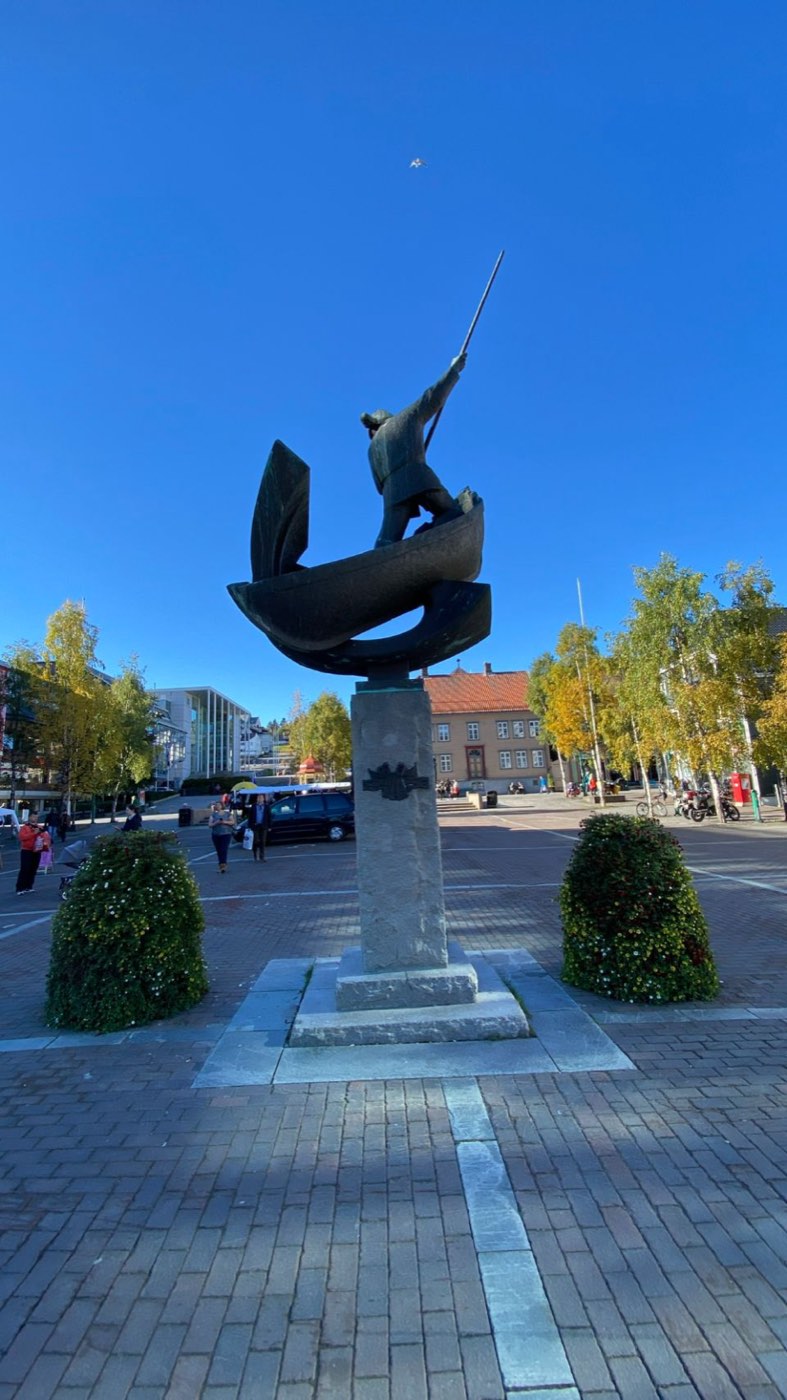 61
61 62
62 63
63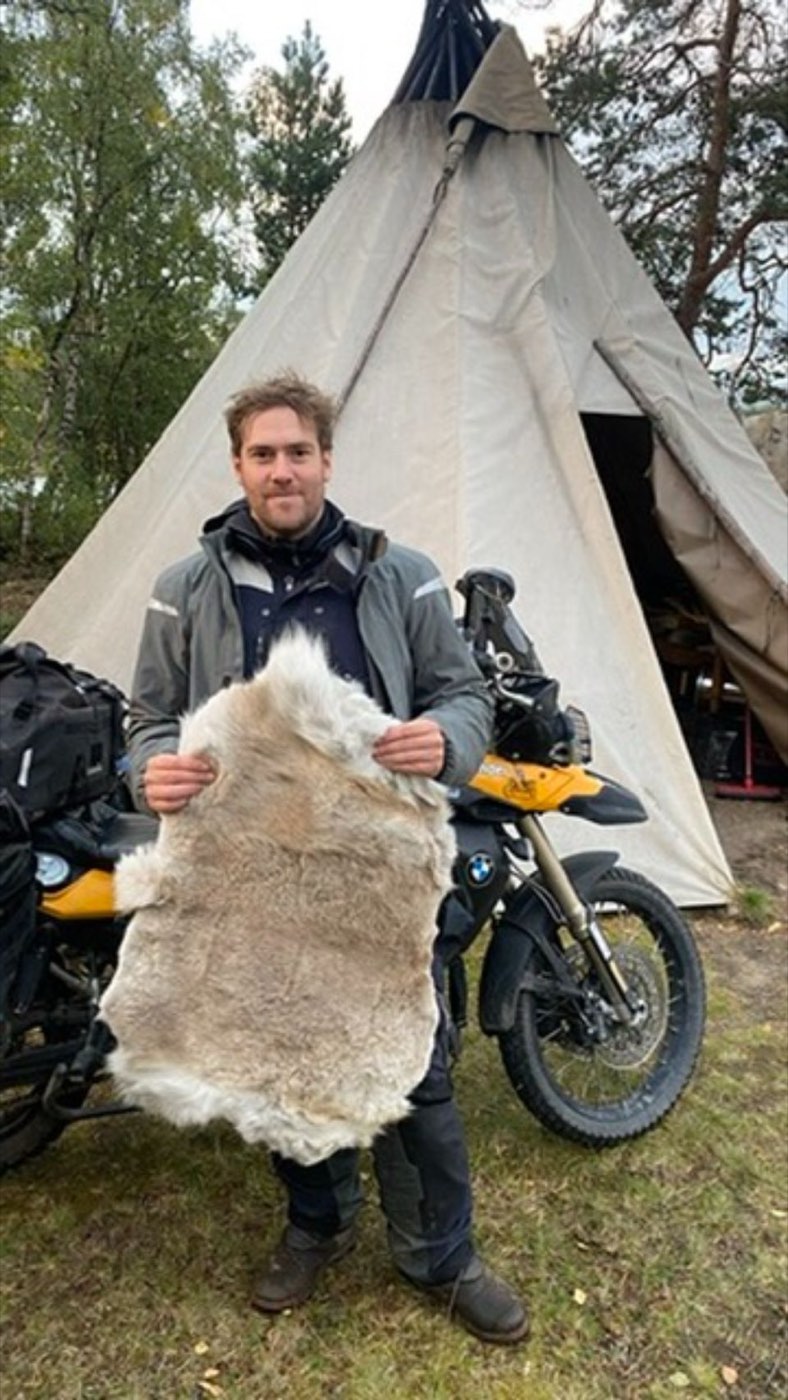 64
64 65
65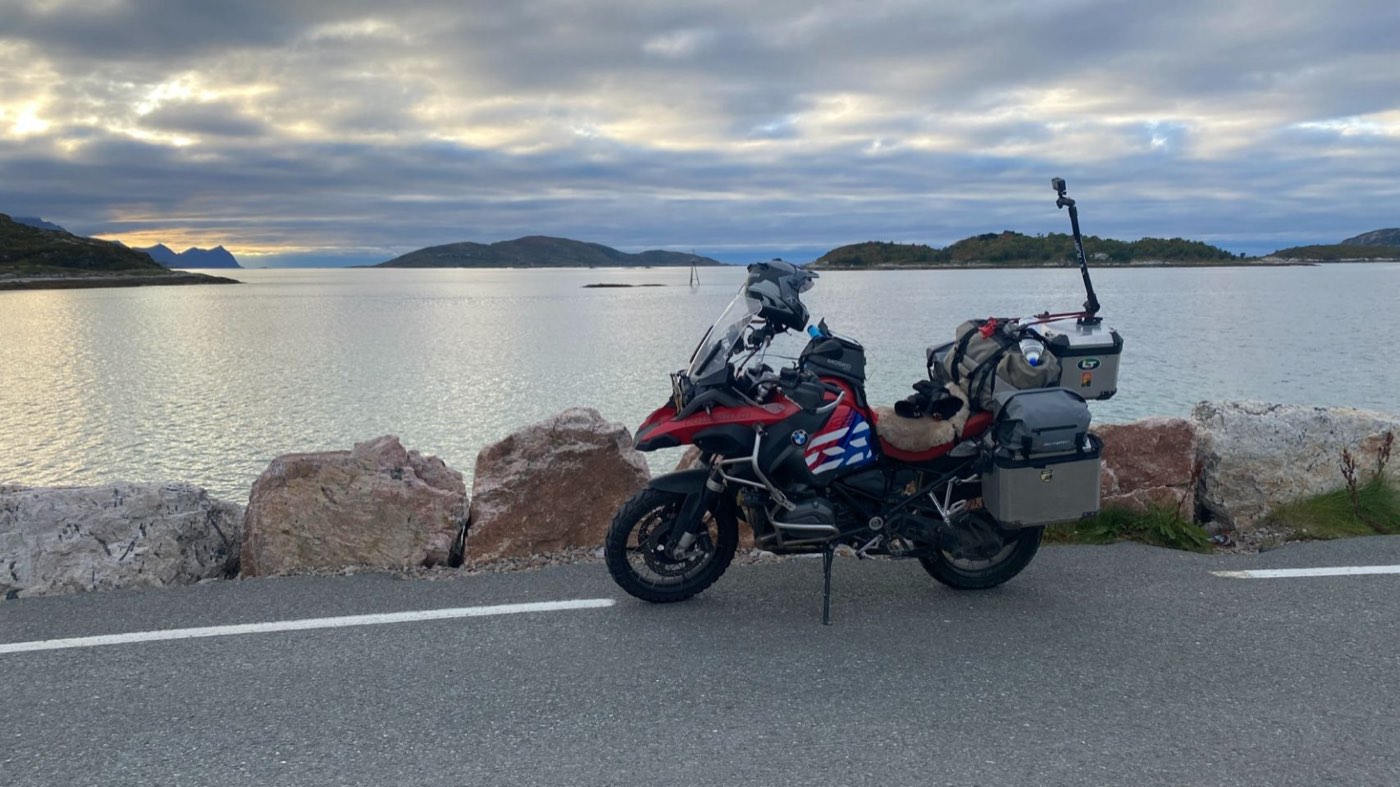 66
66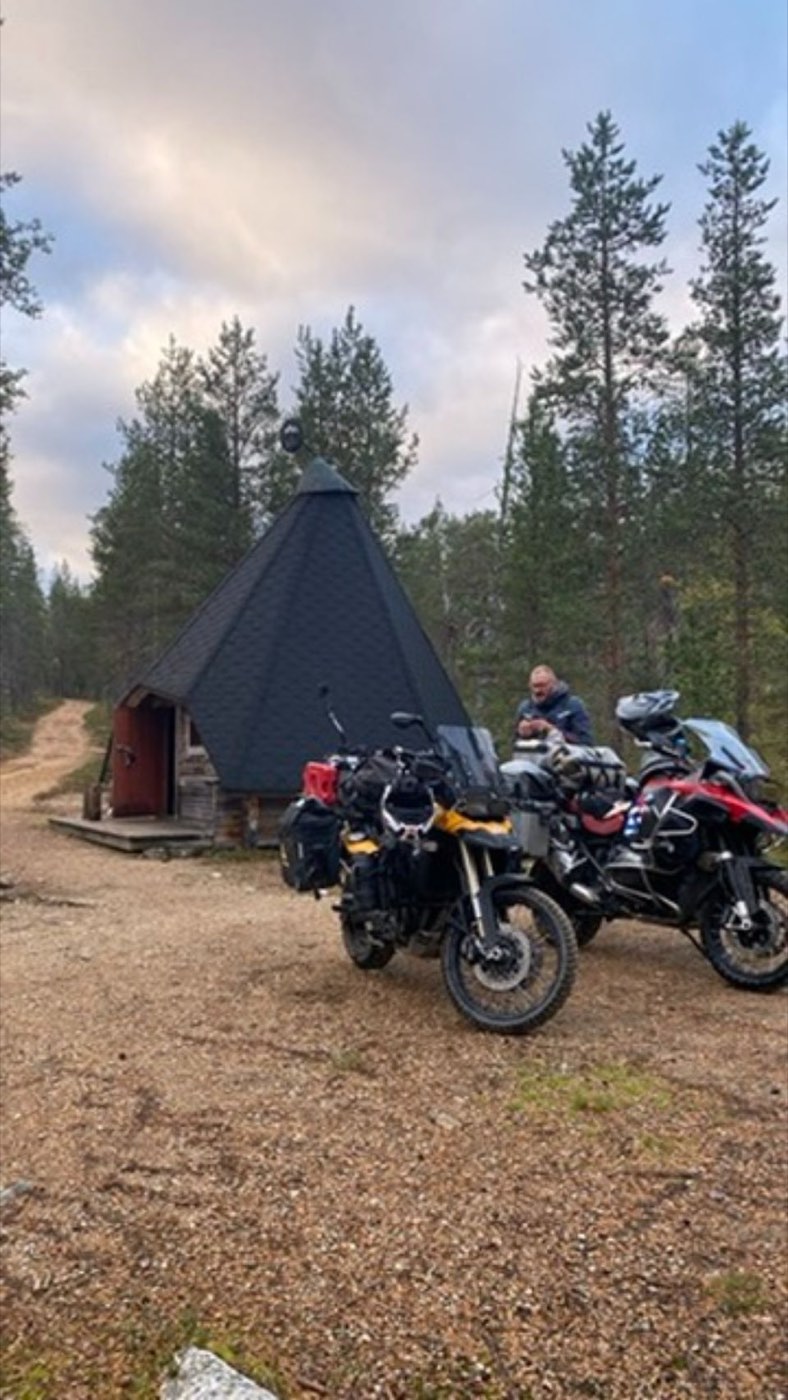 67
67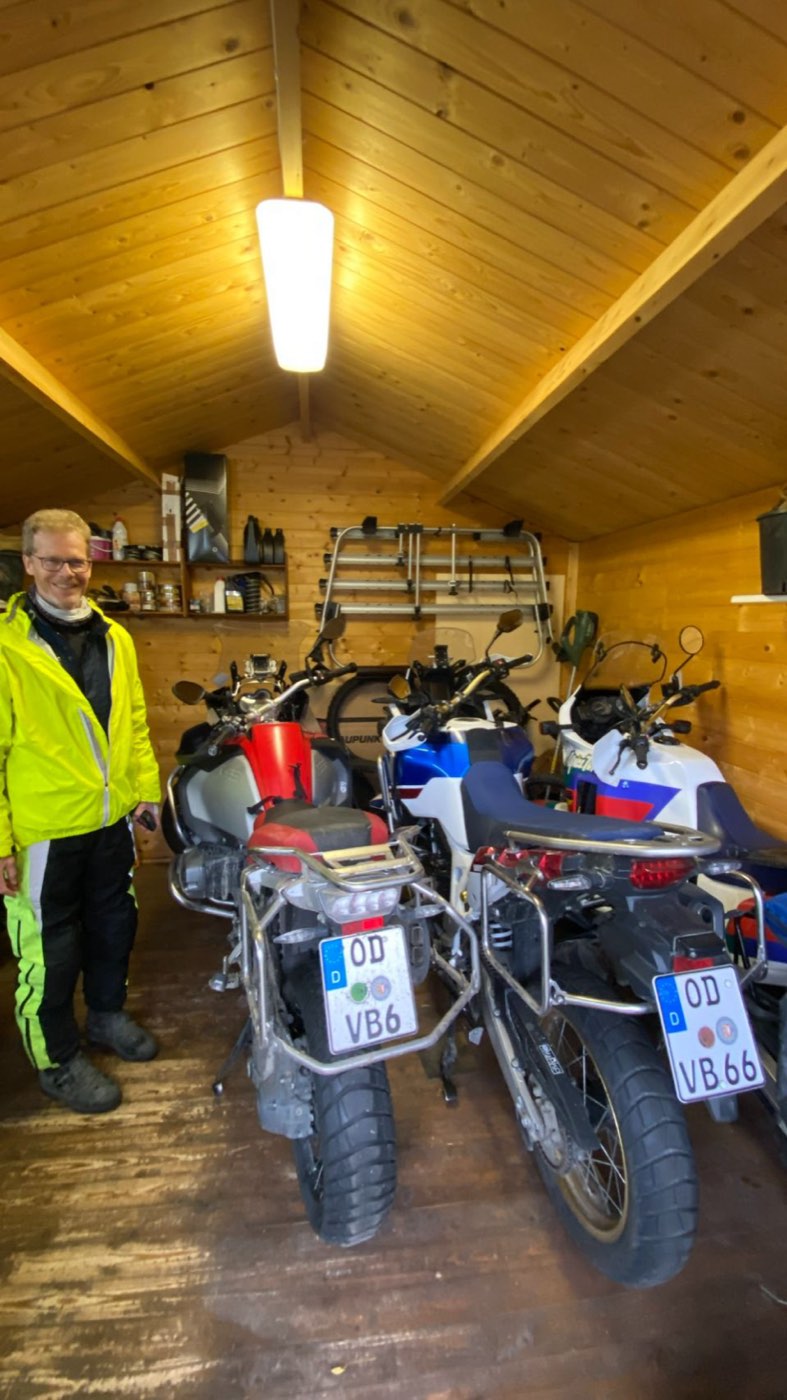 68
68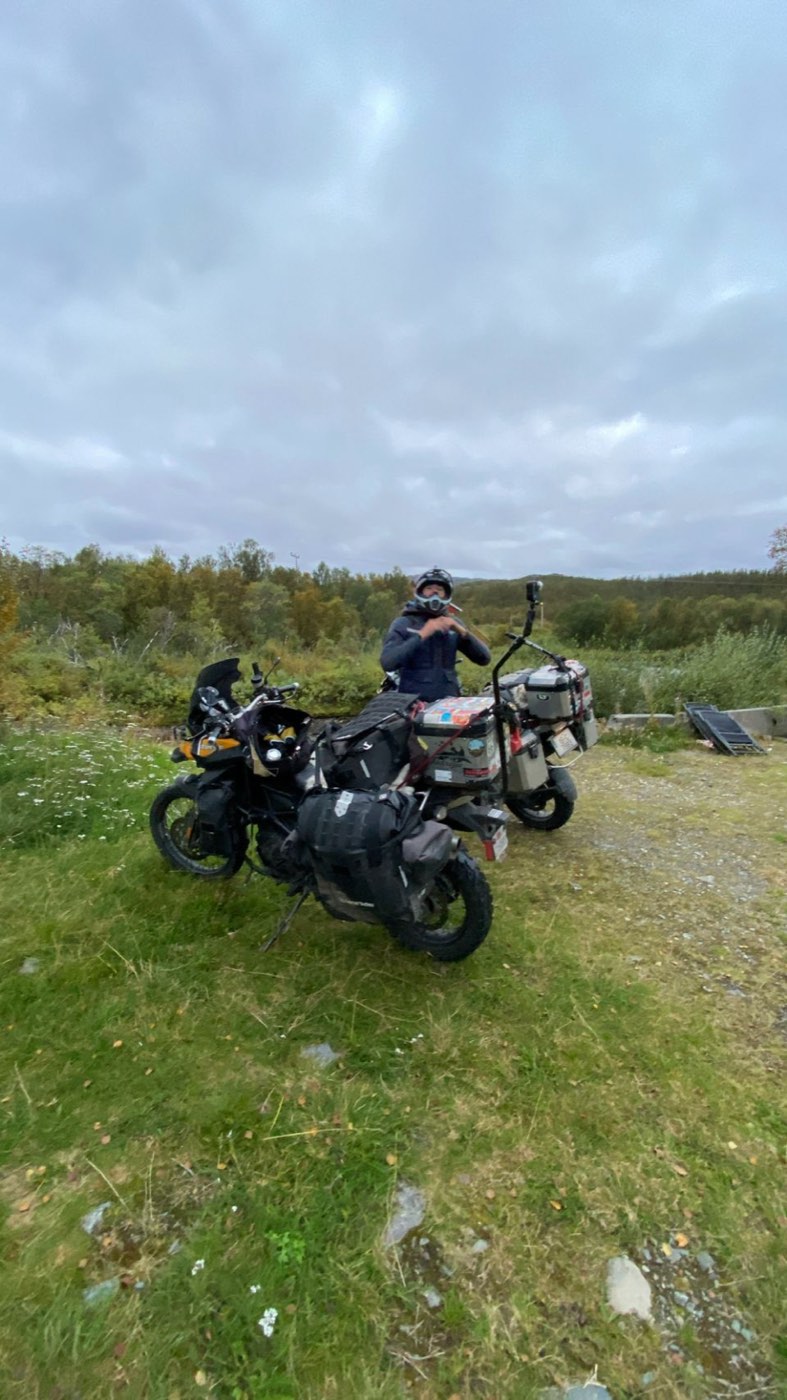 69
69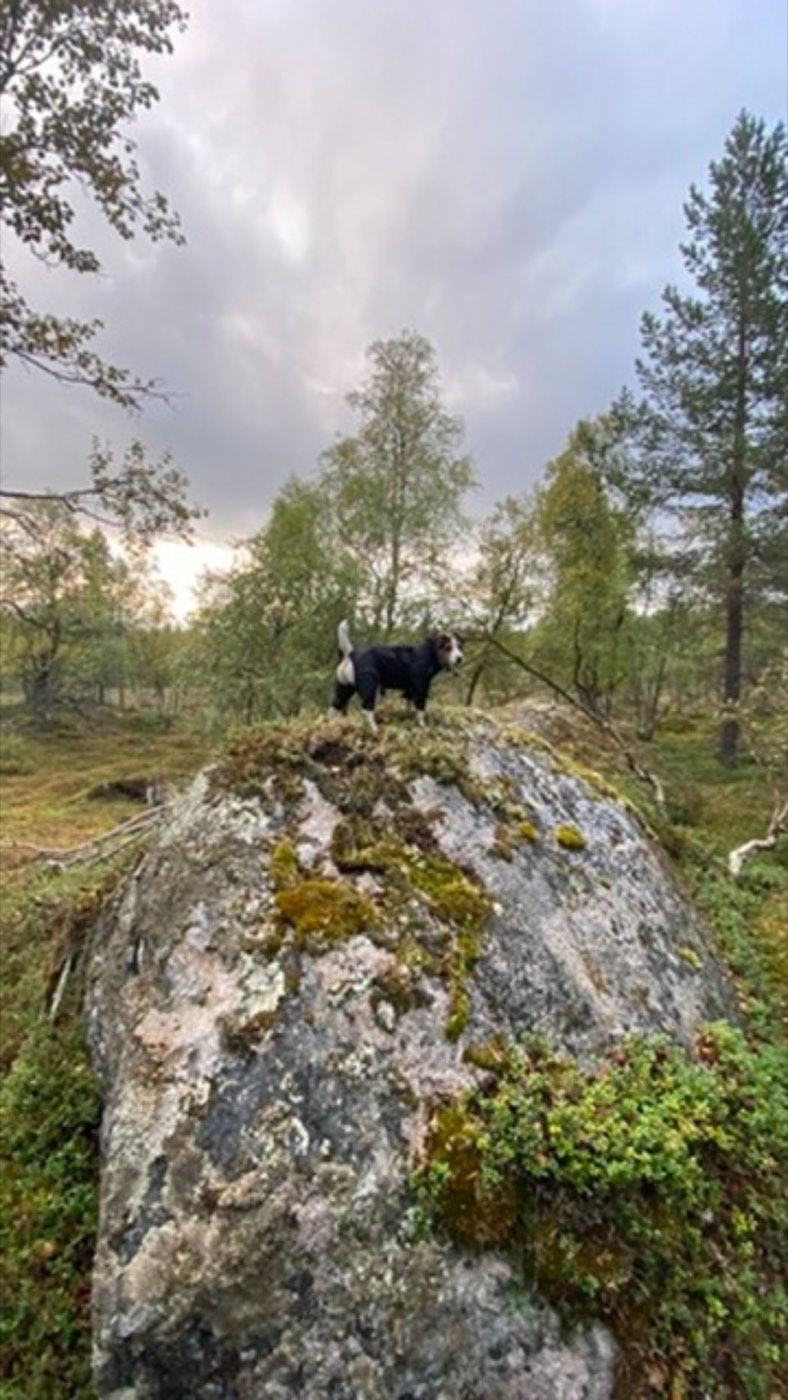 70
70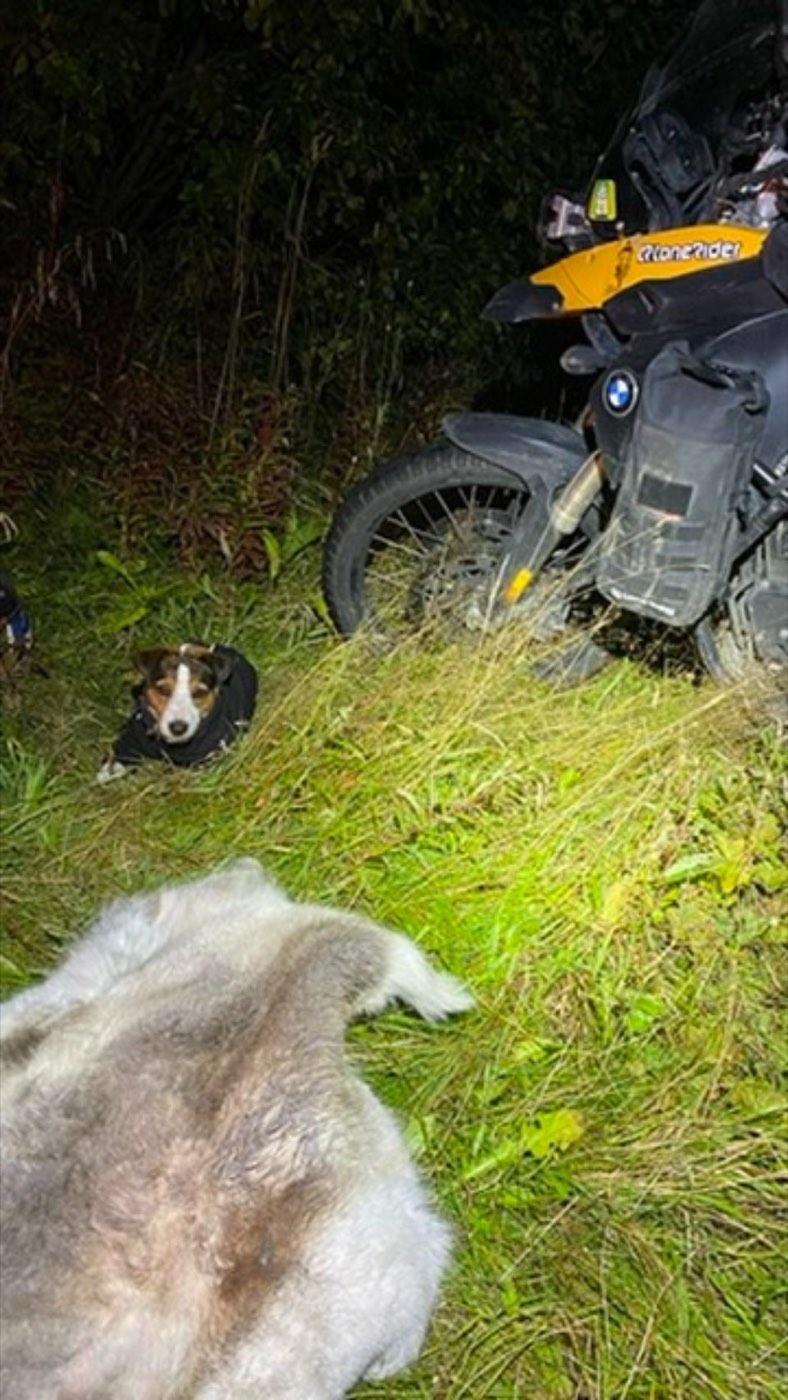 71
71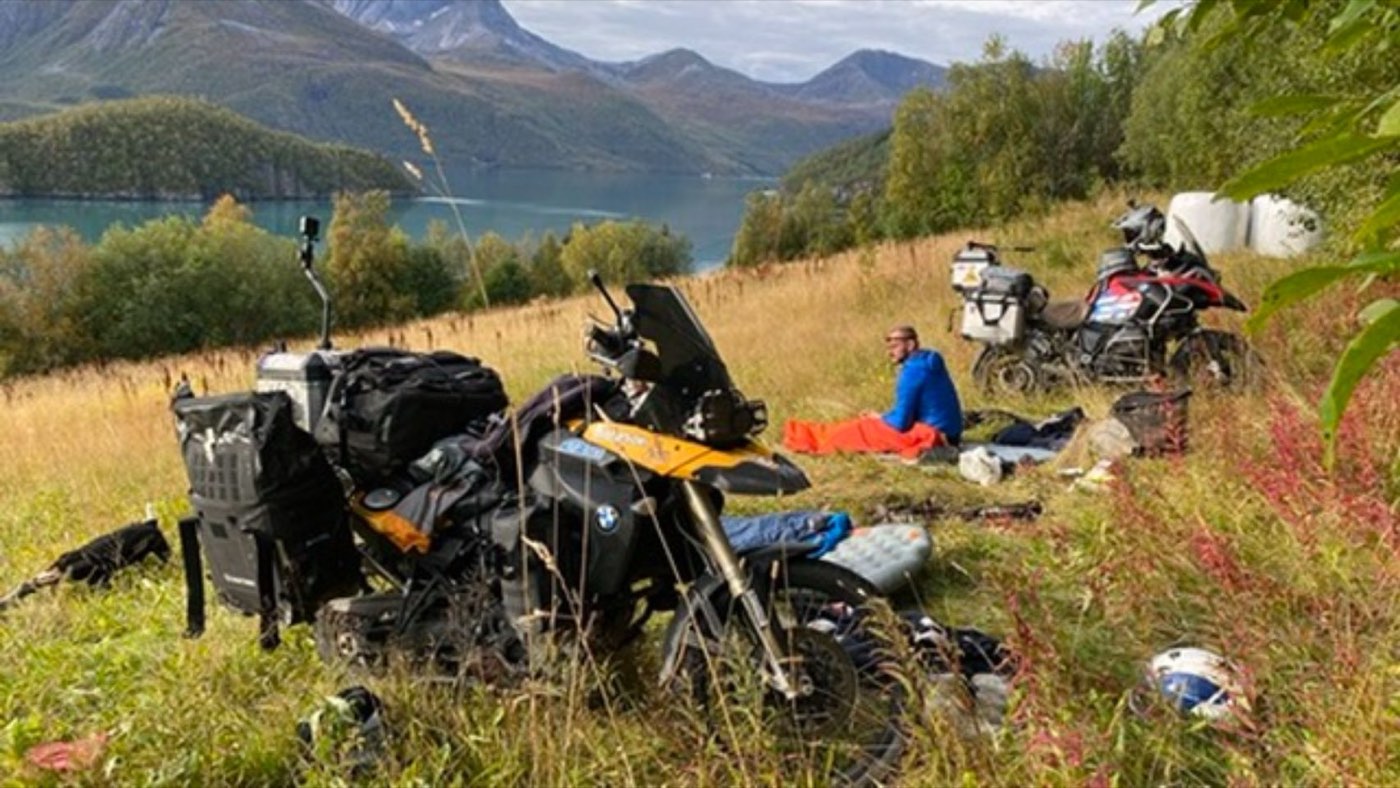 72
72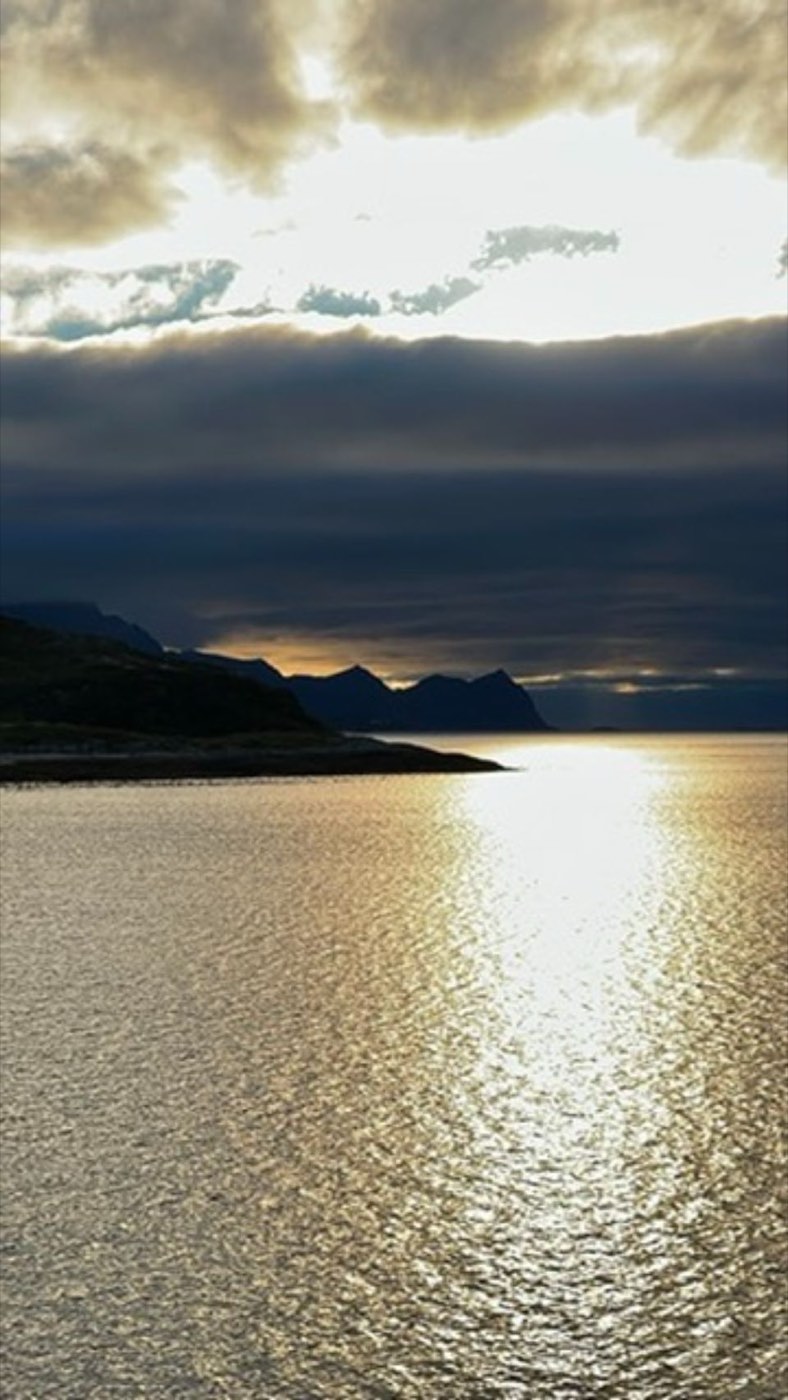 73
73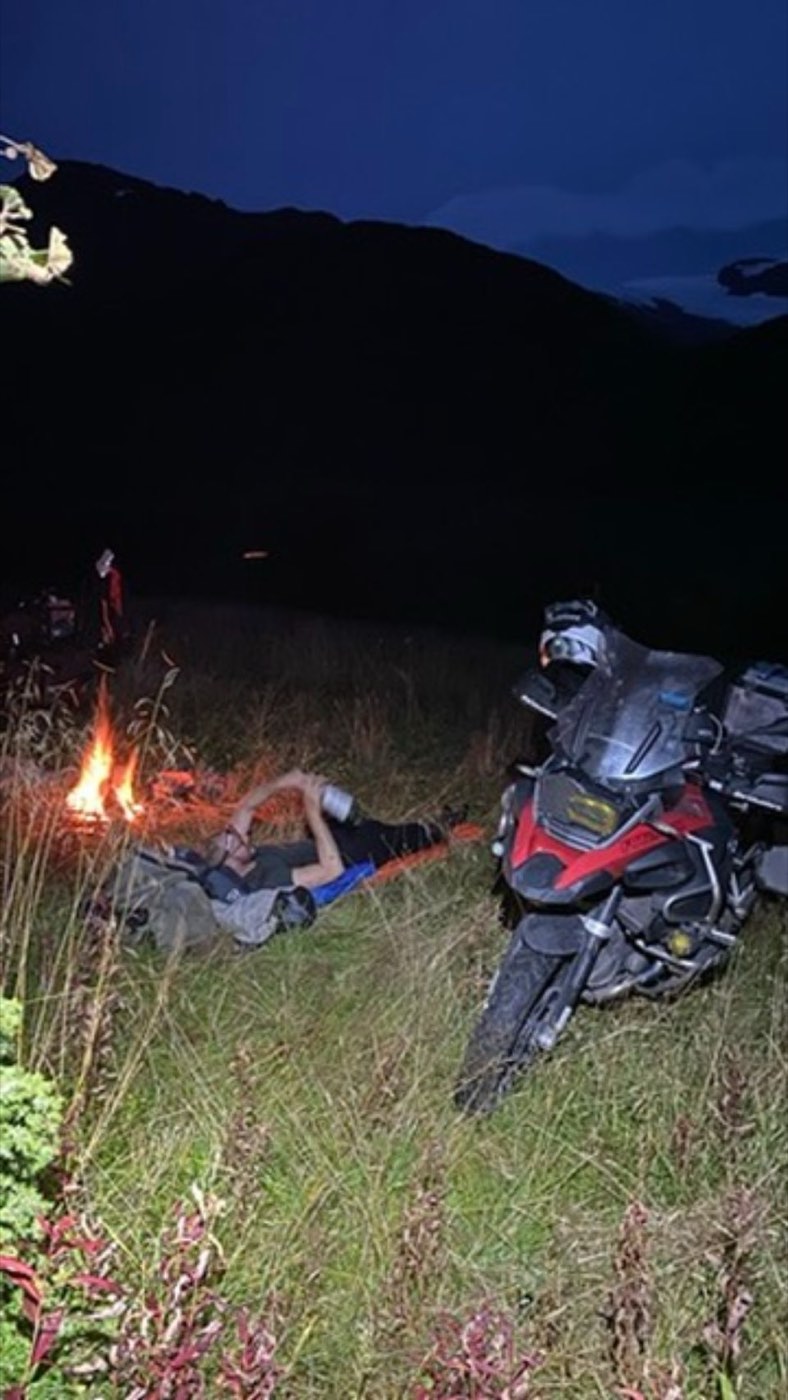 74
74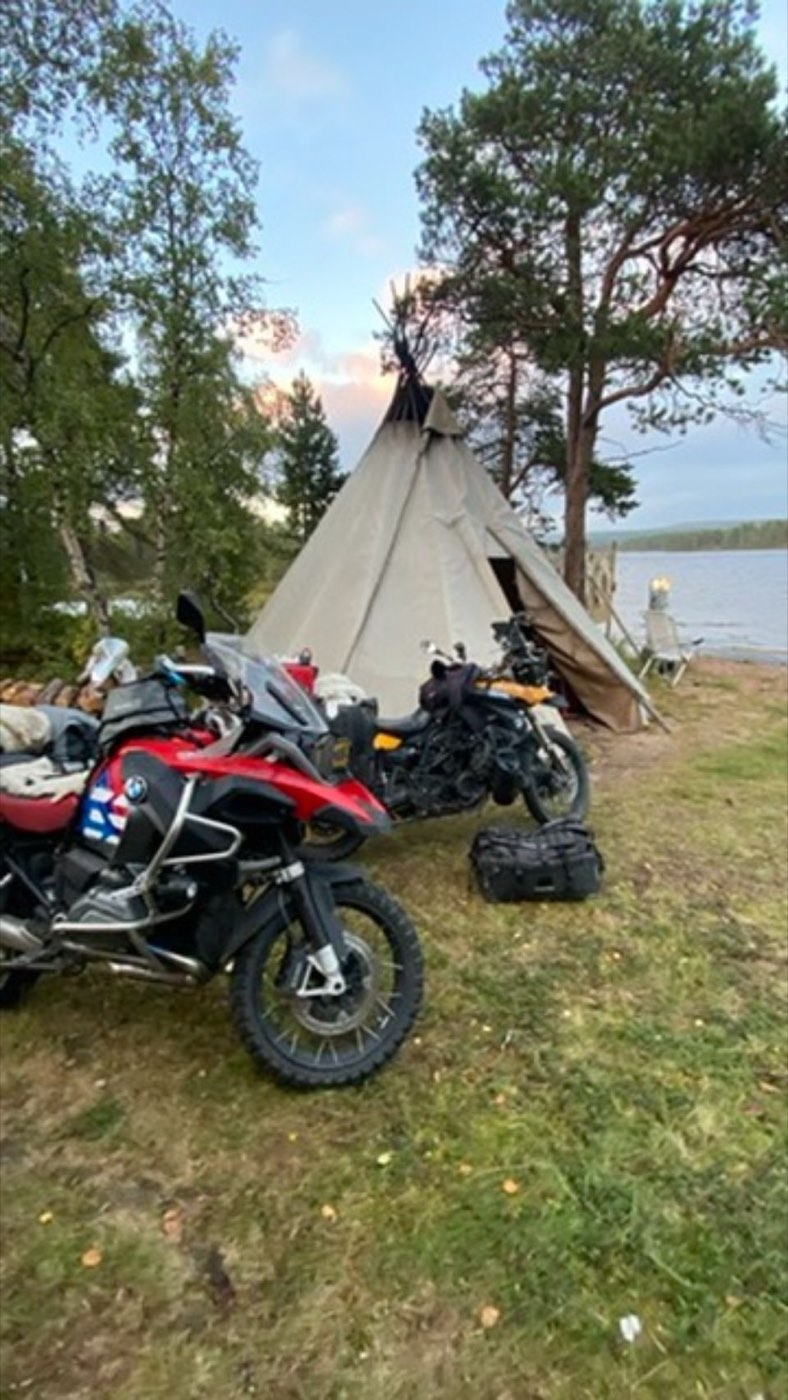 75
75 76
76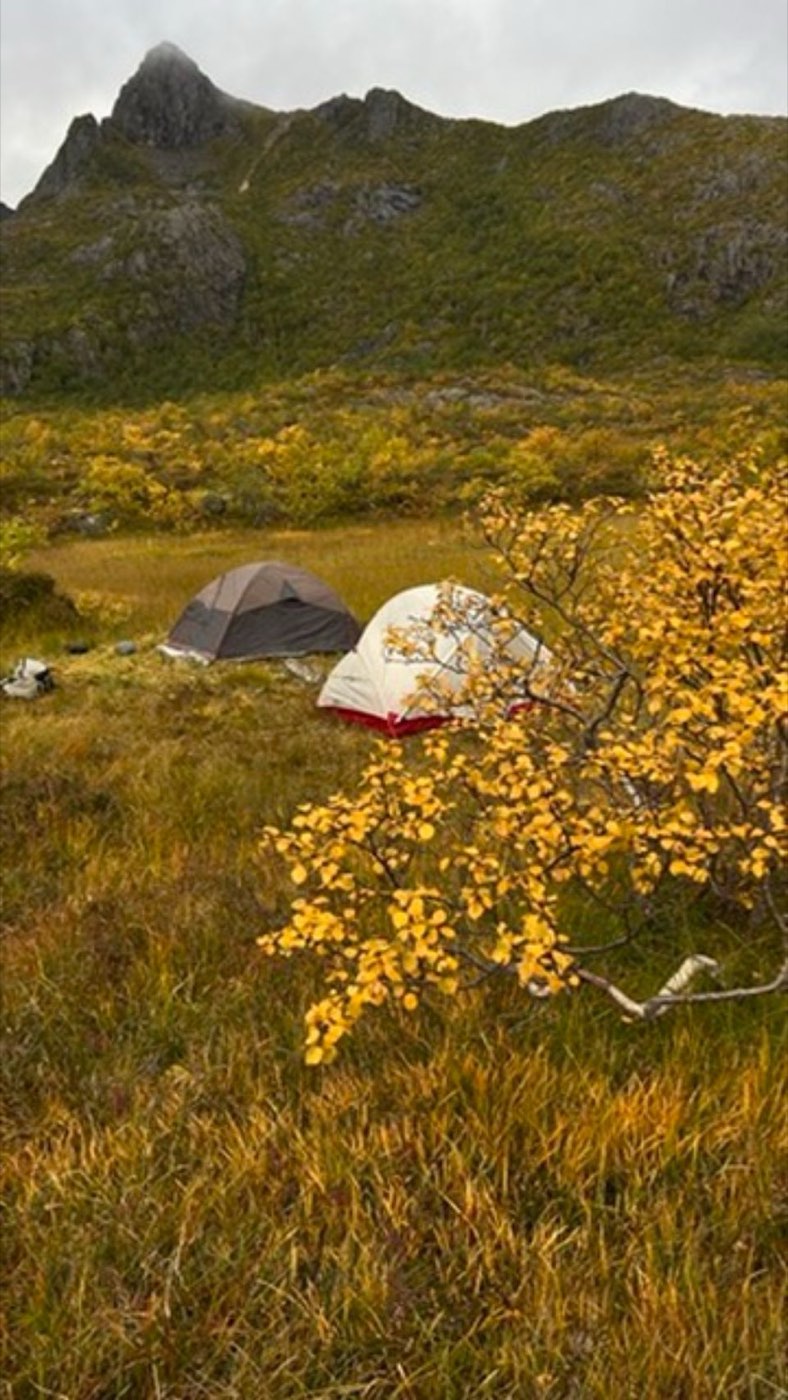 77
77 78
78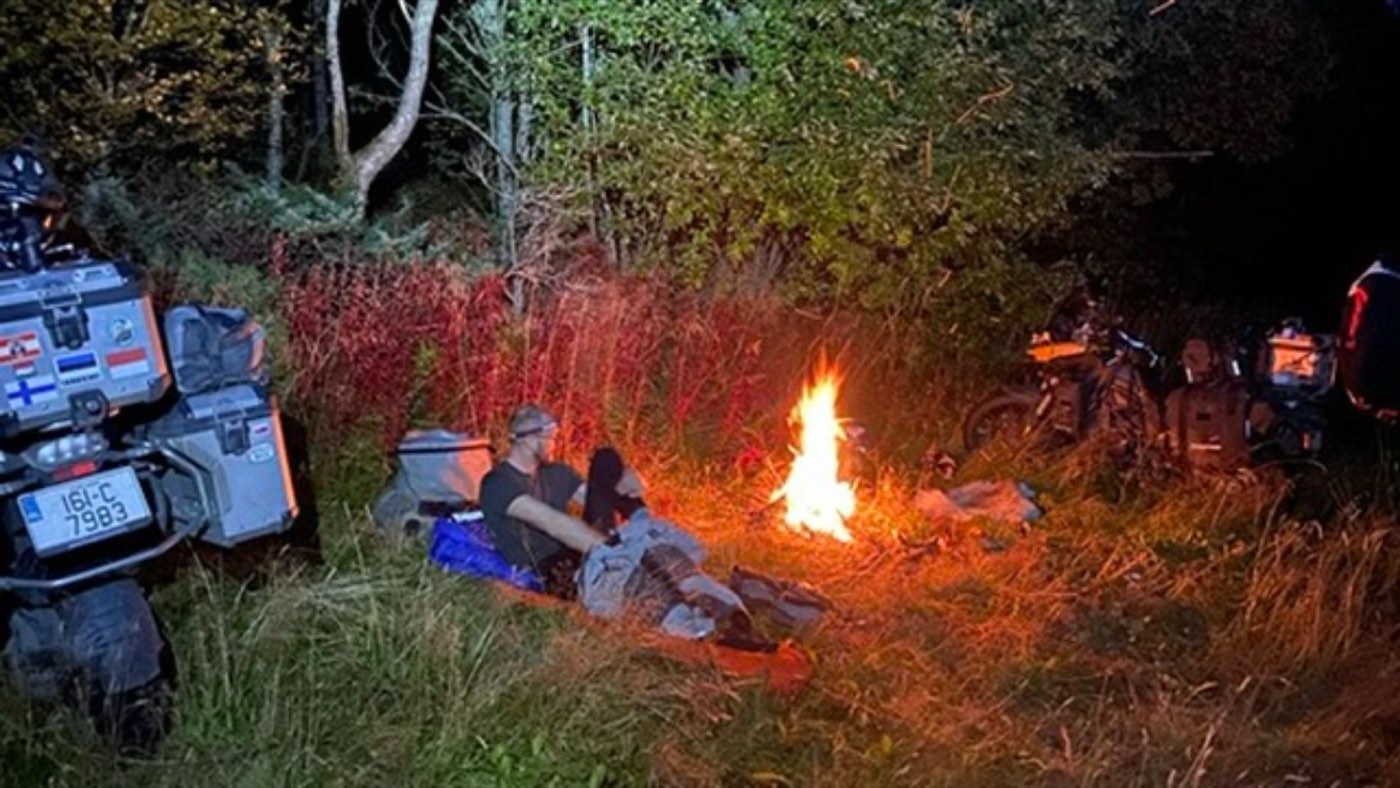 79
79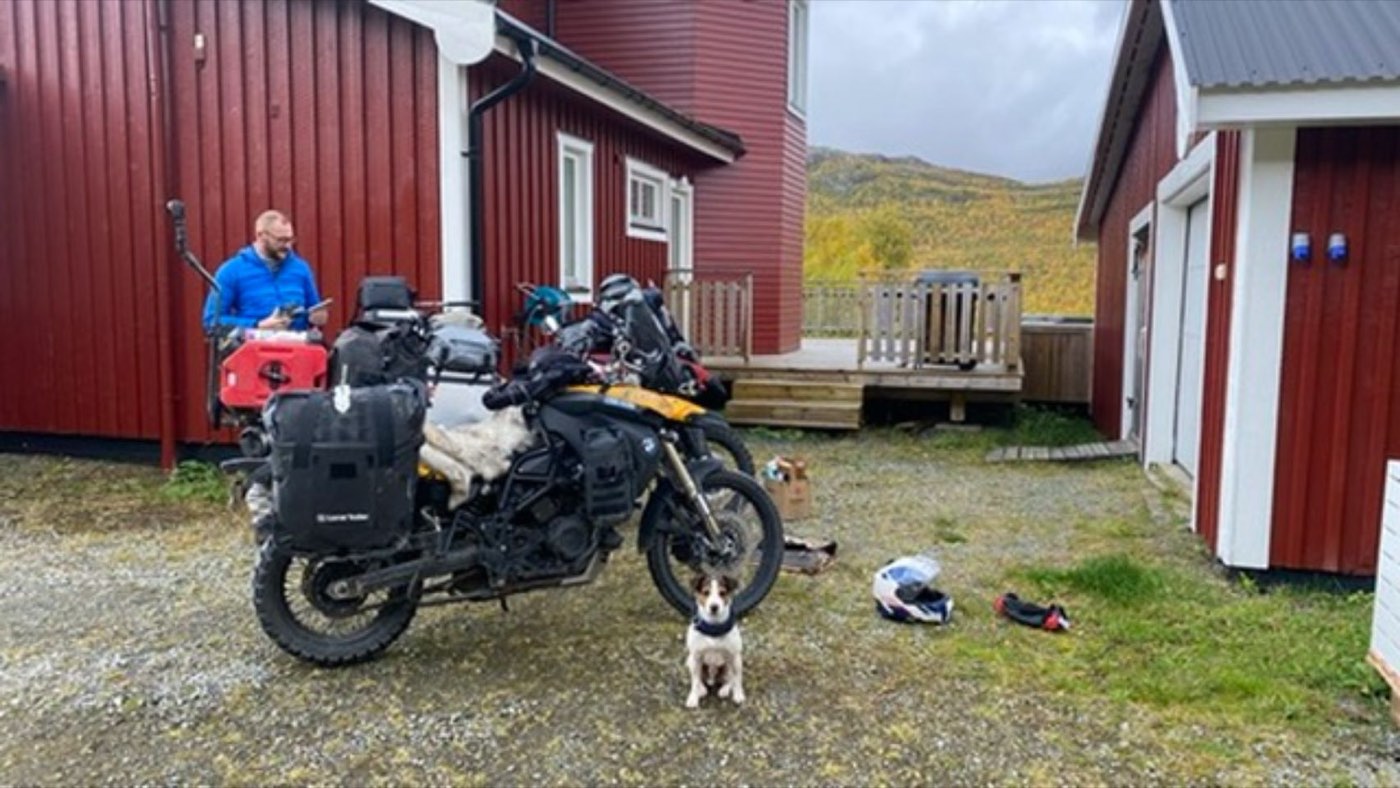 80
80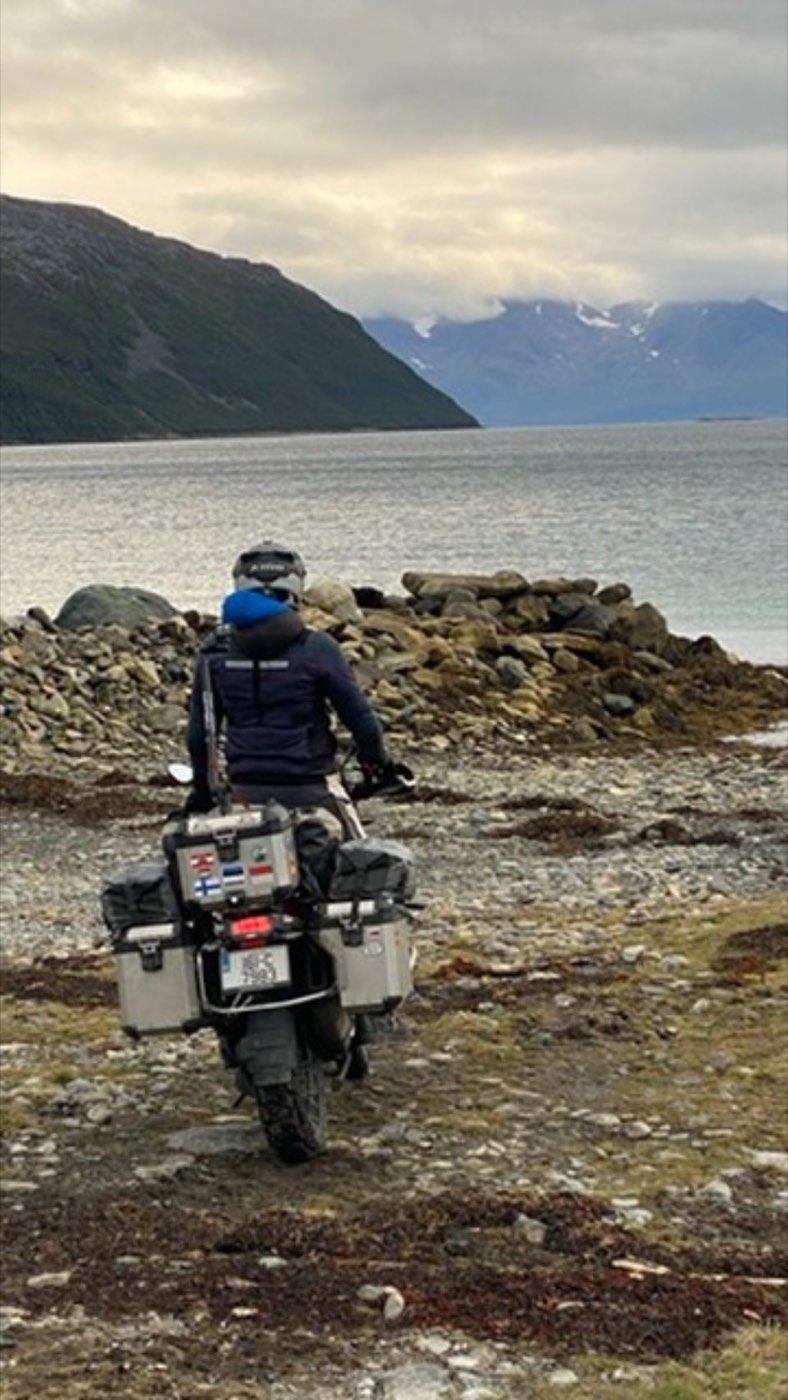 81
81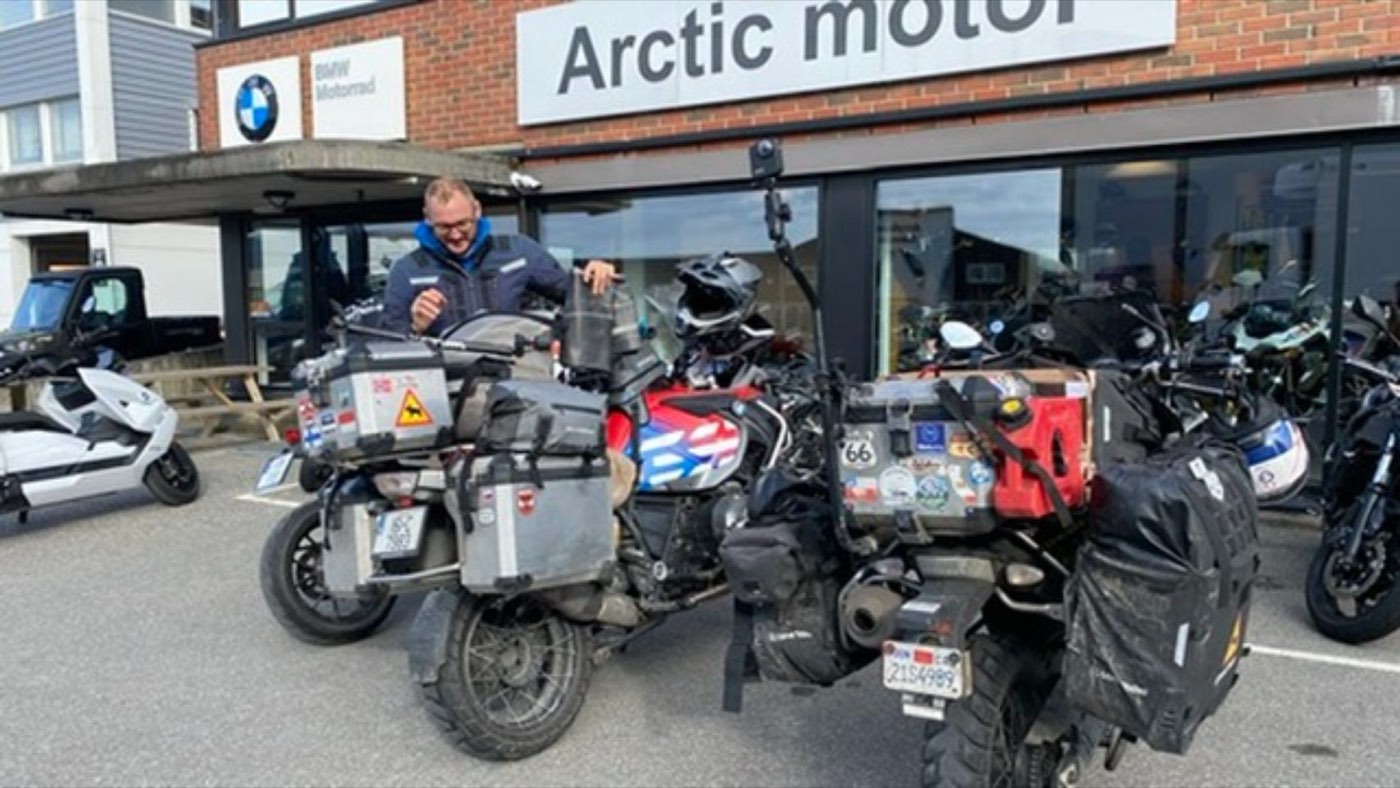 82
82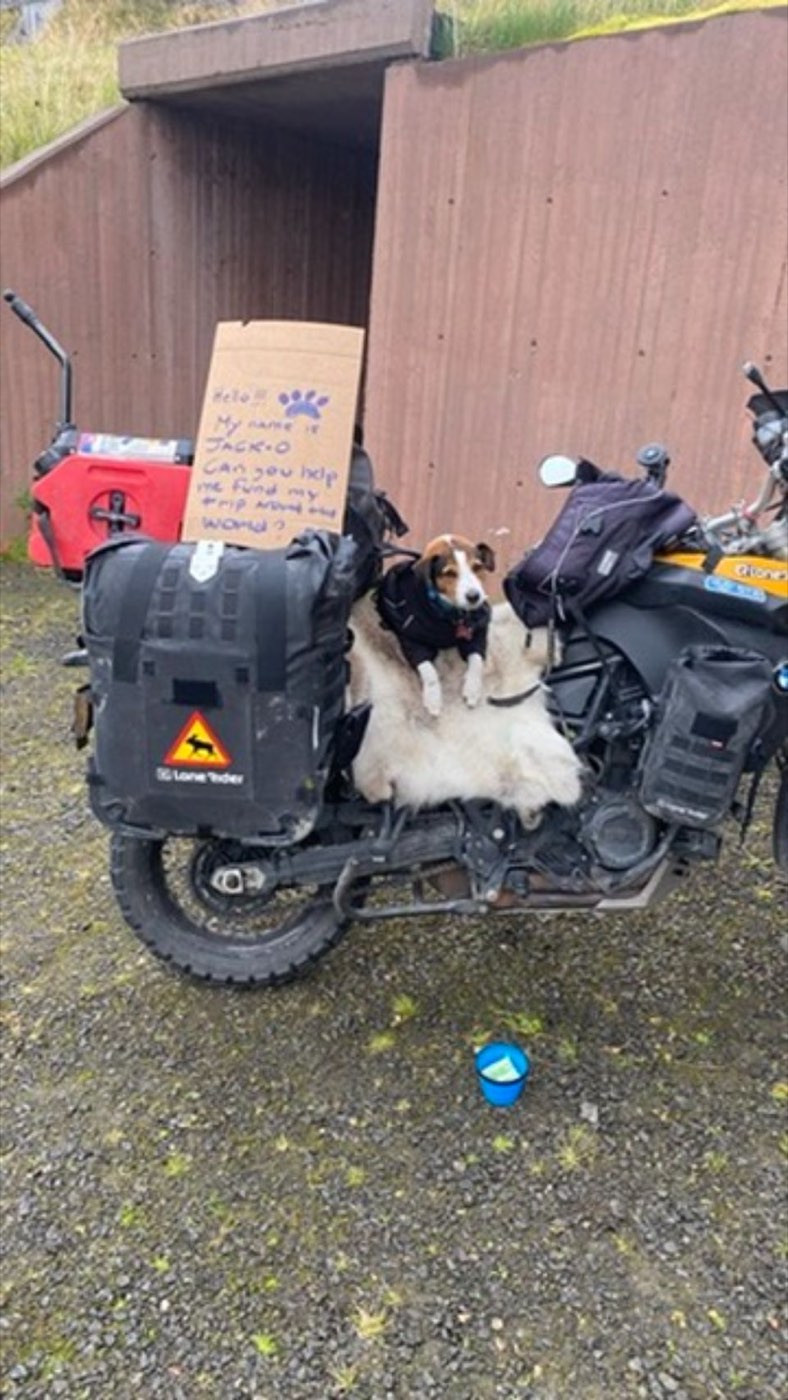 83
83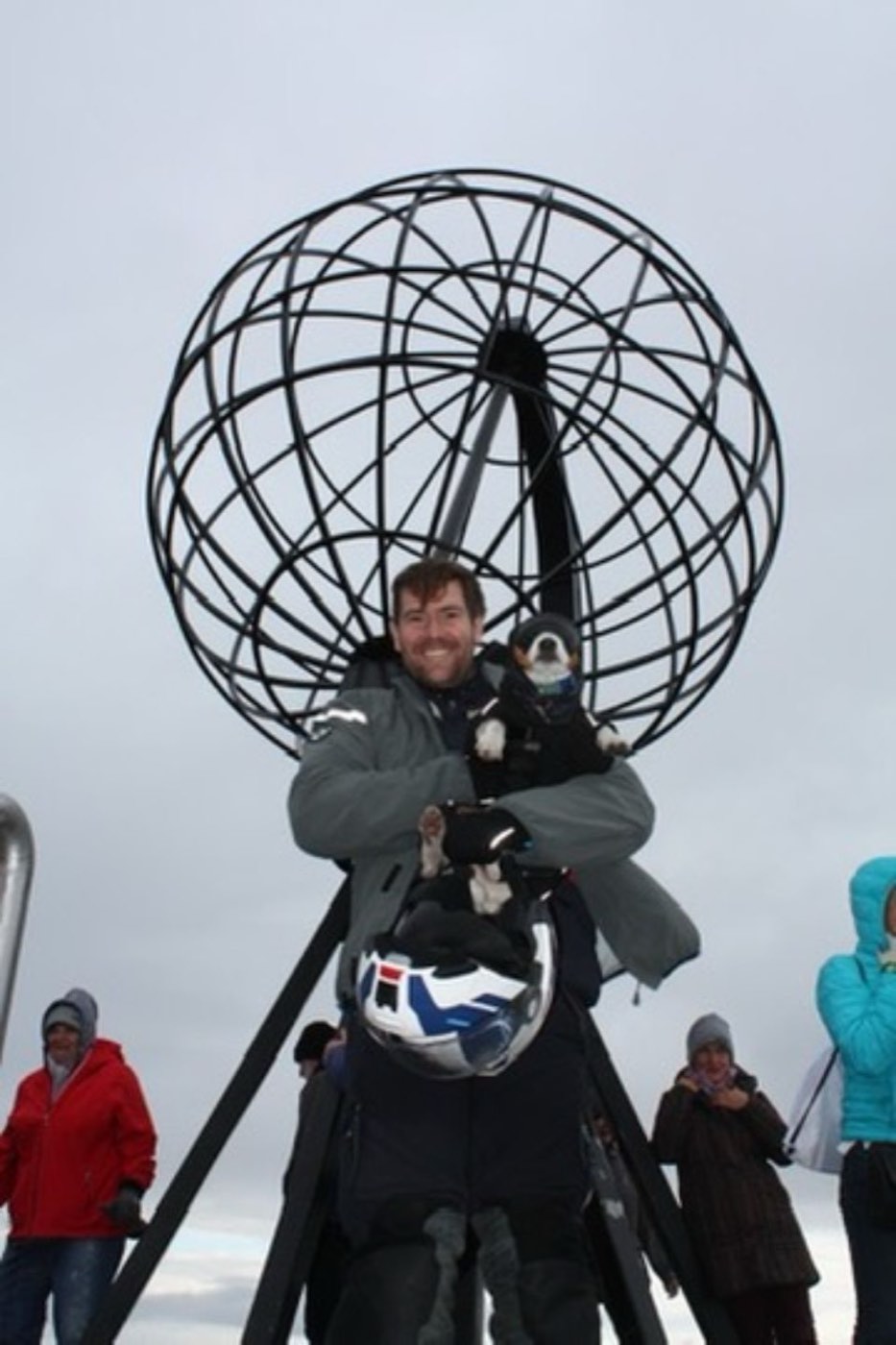 84
84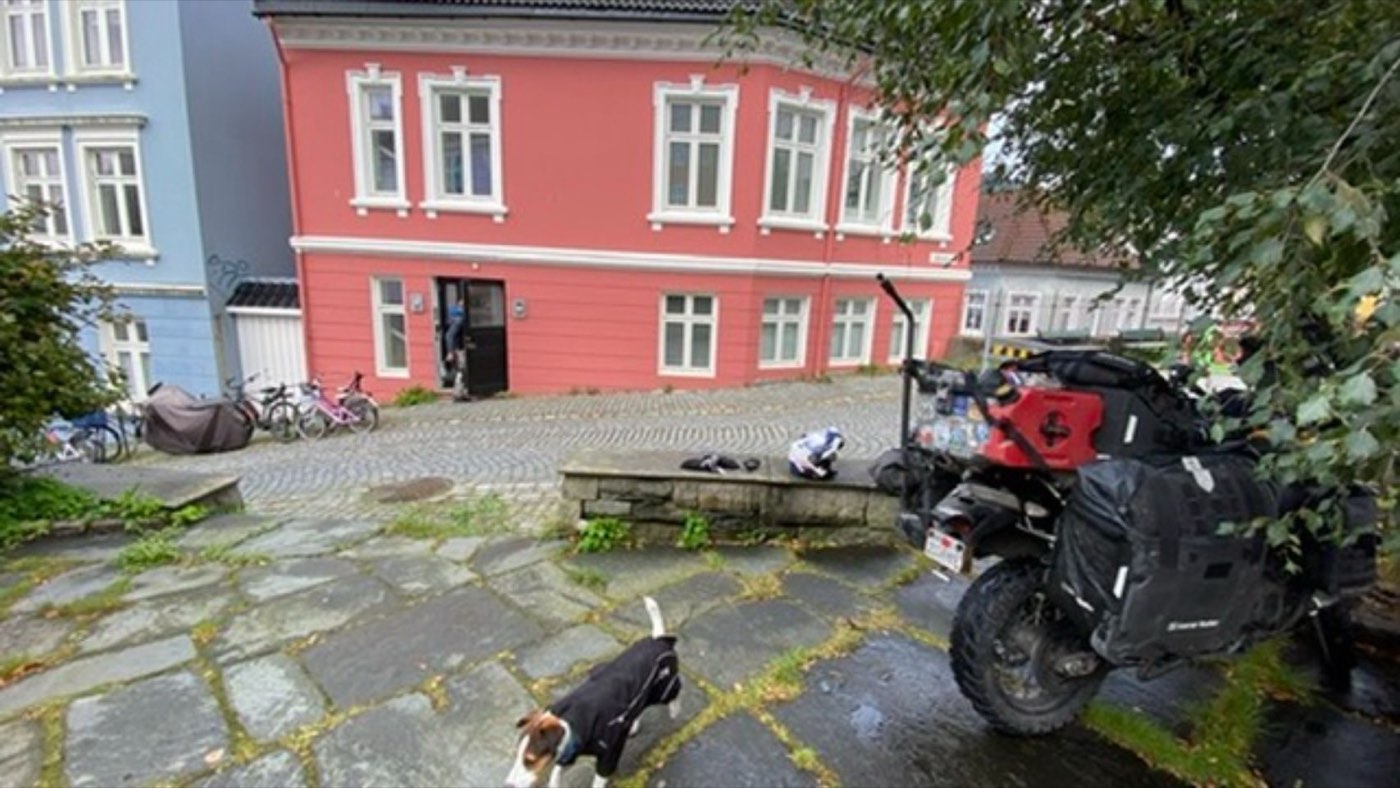 85
85 86
86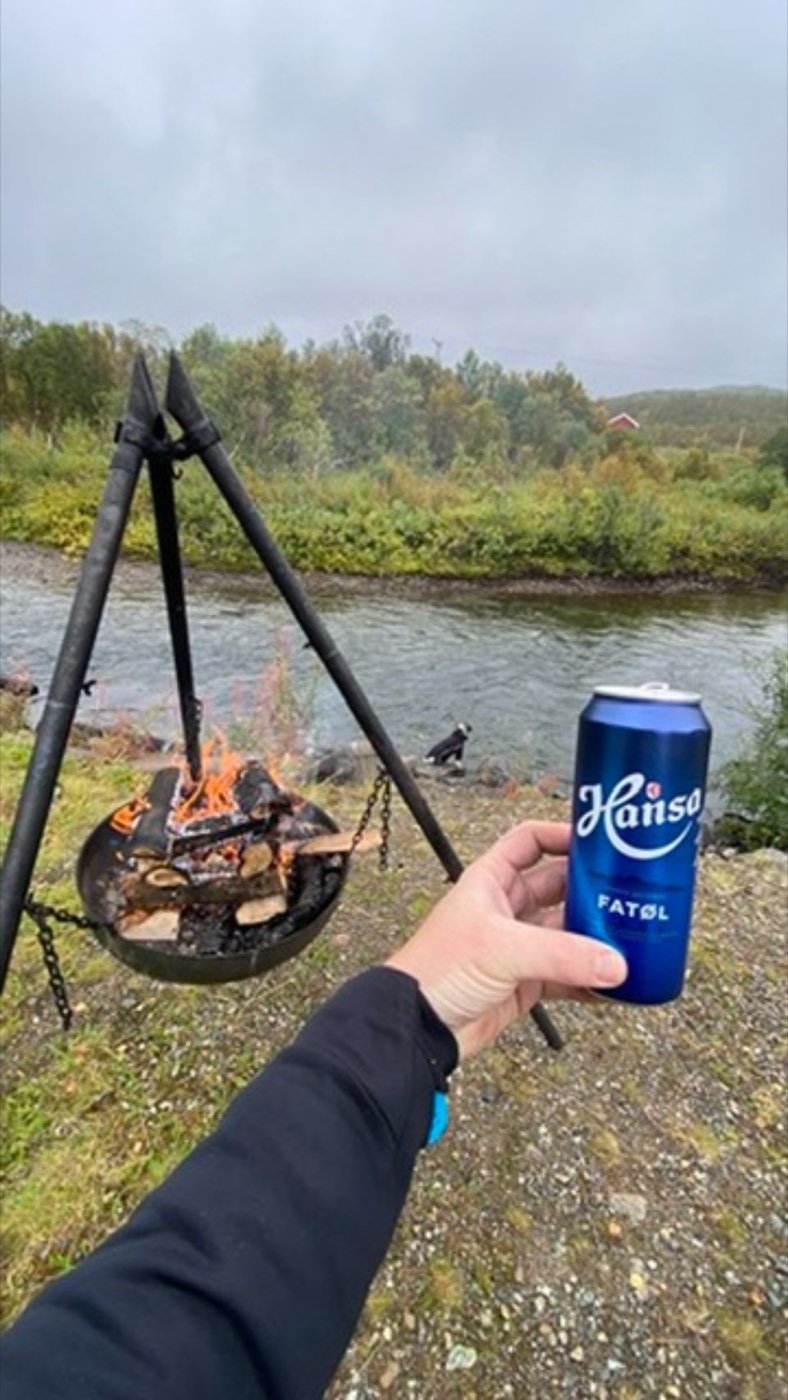 87
87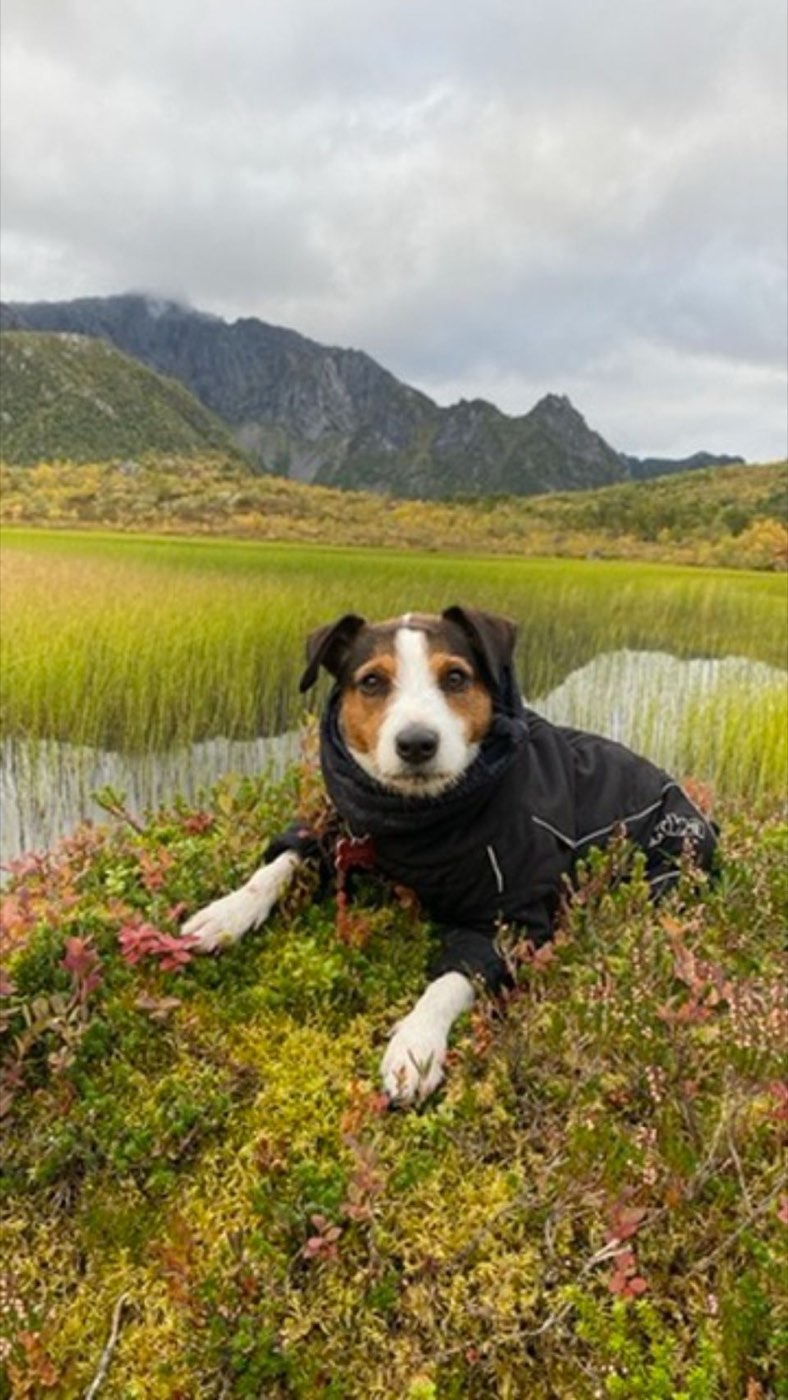 88
88 89
89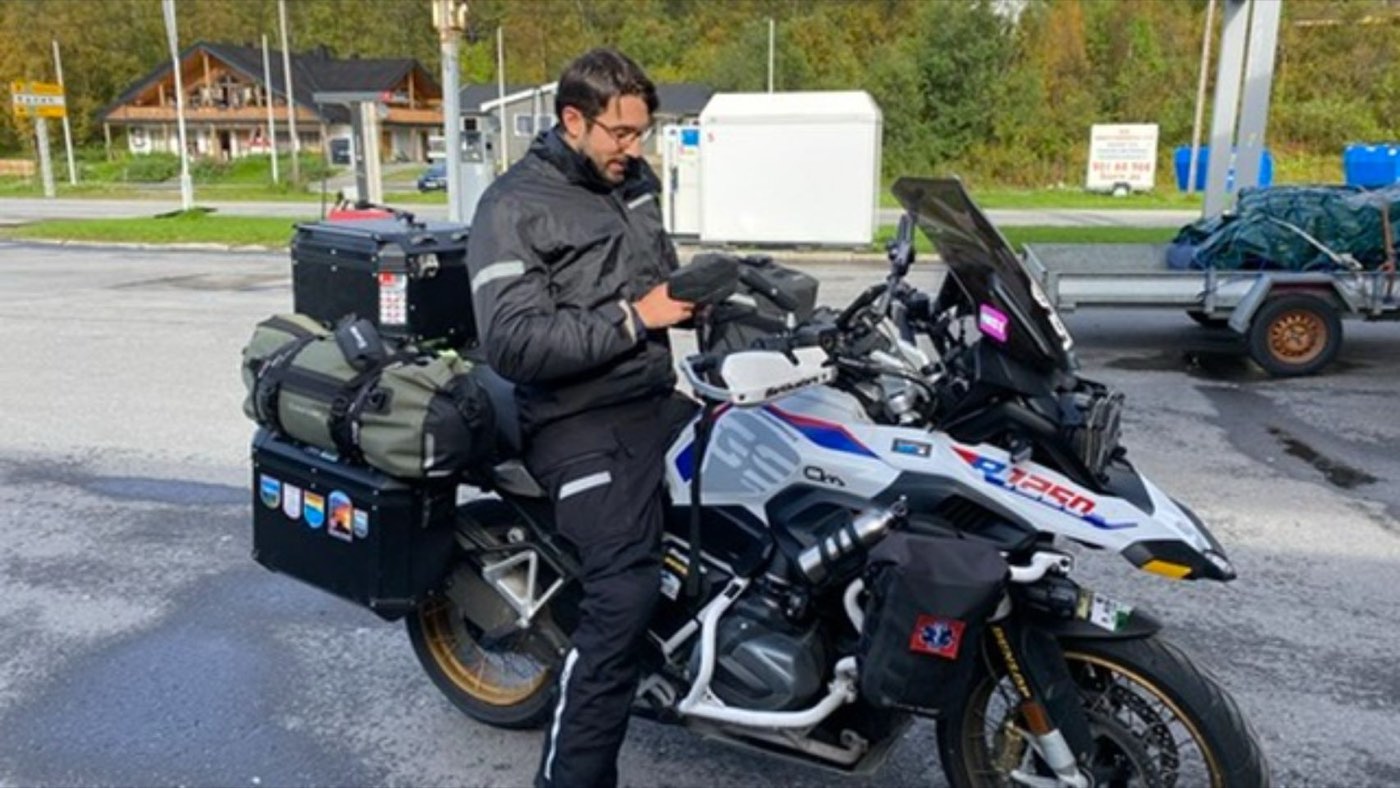 90
90 91
91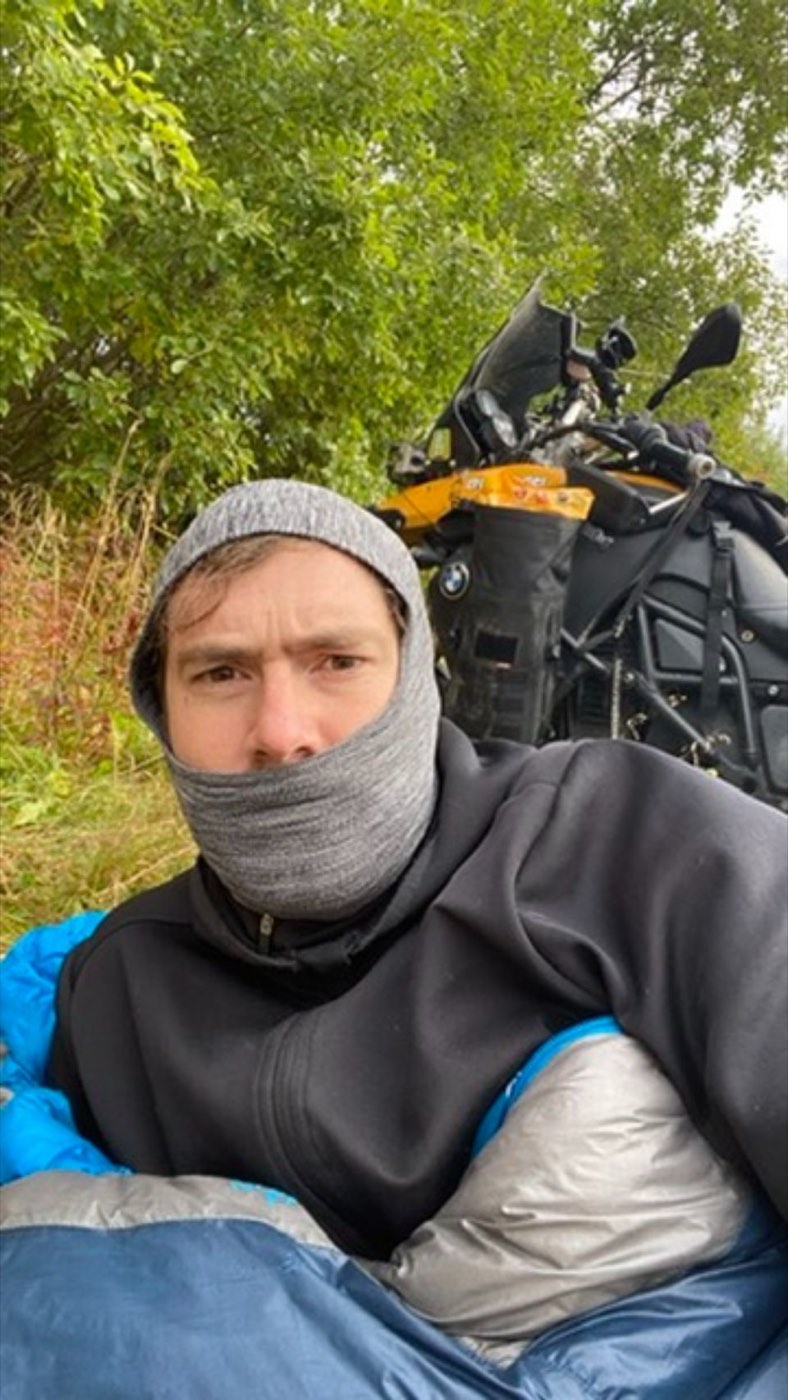 92
92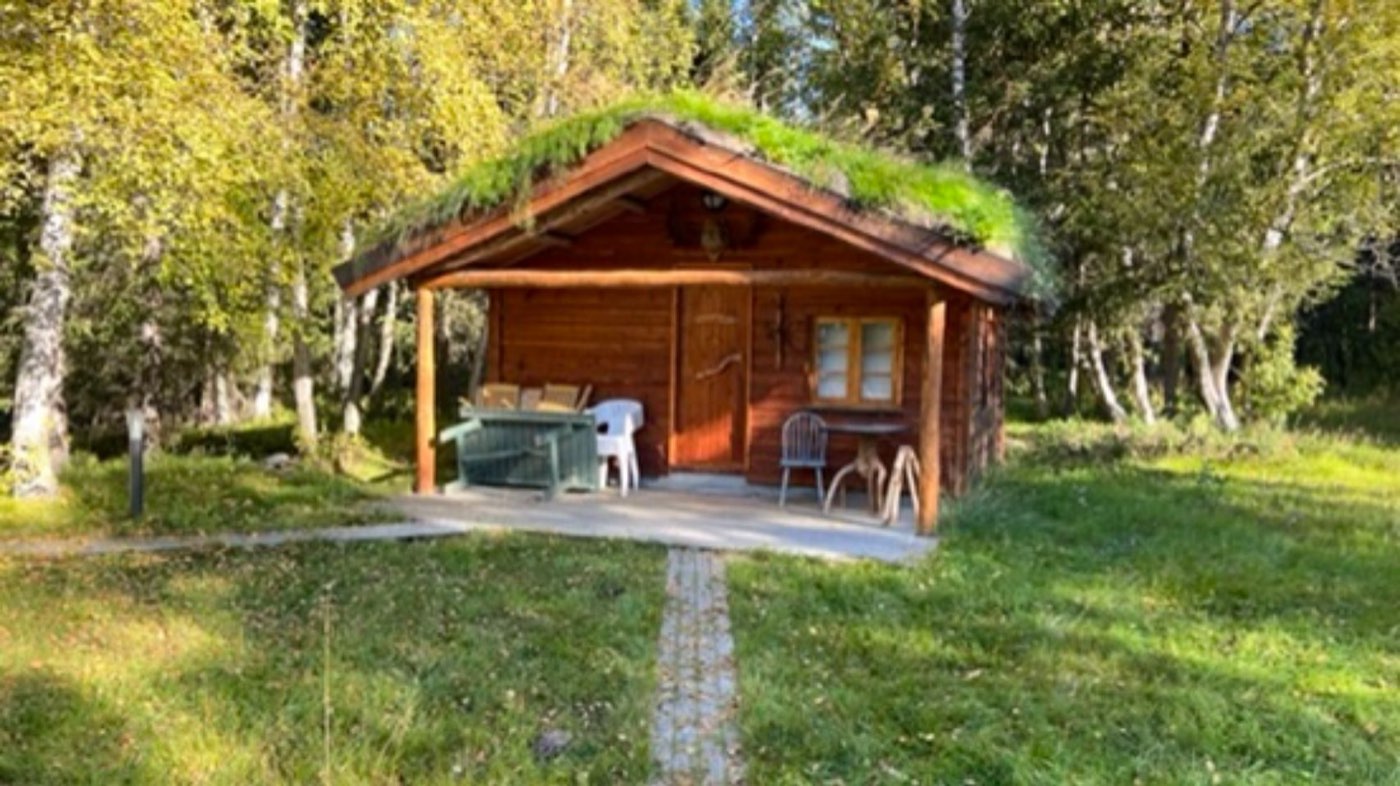 93
93 94
94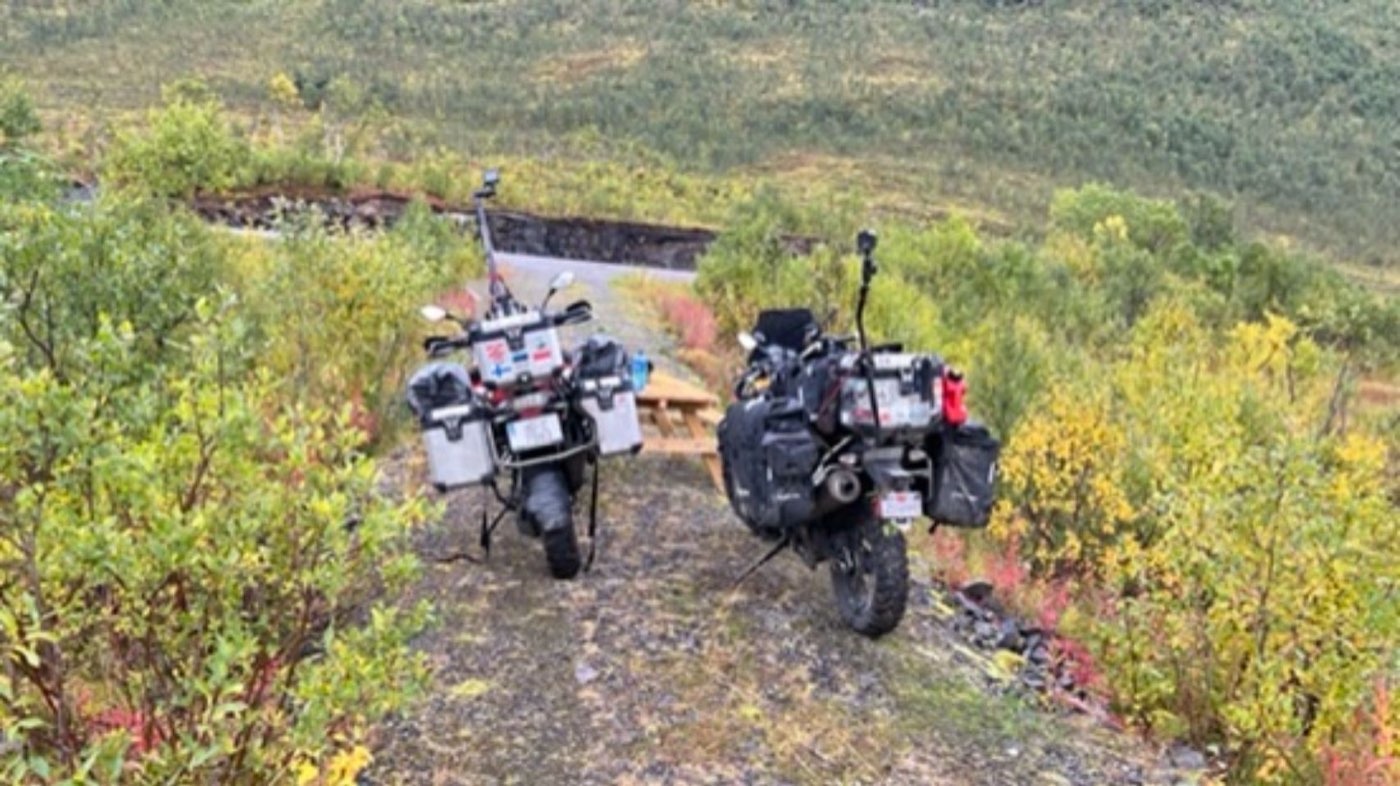 95
95 96
96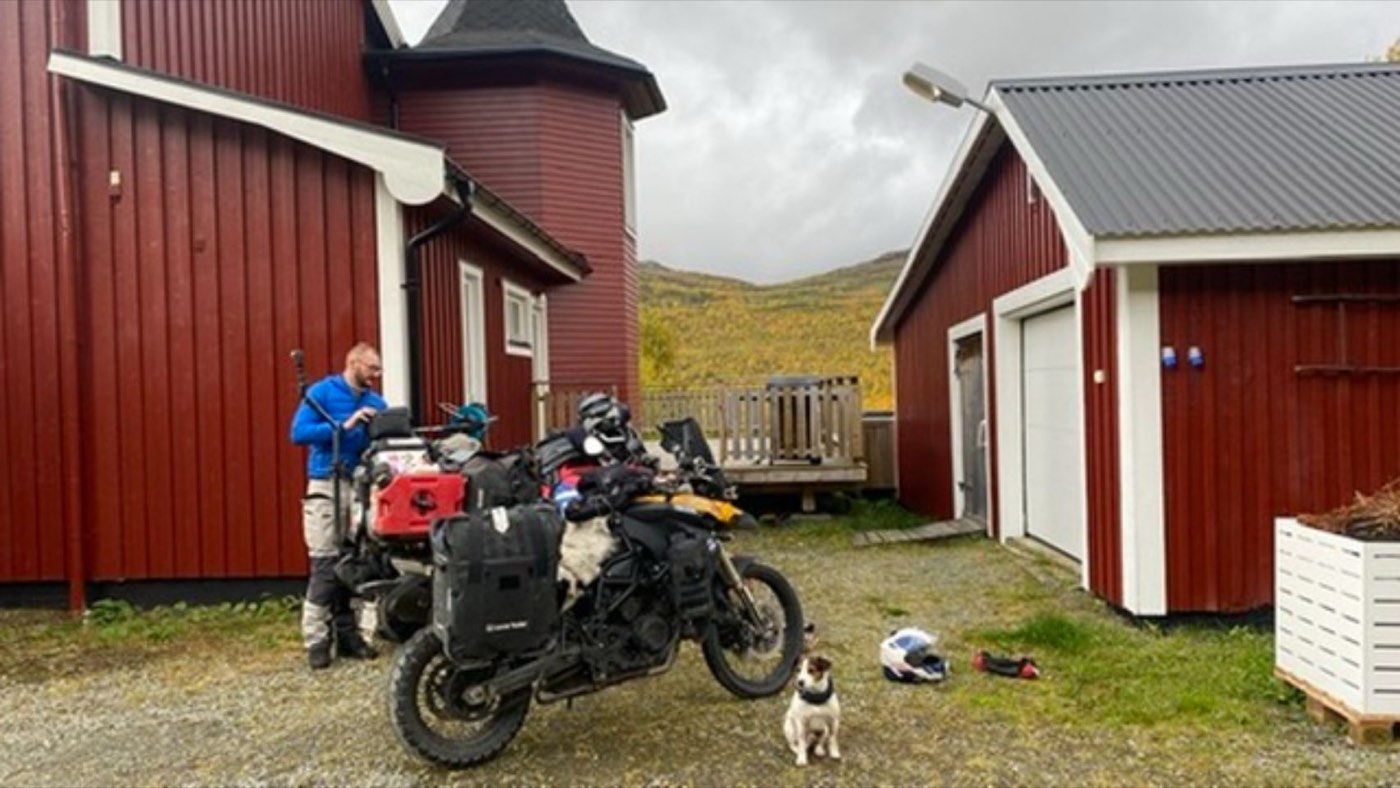 97
97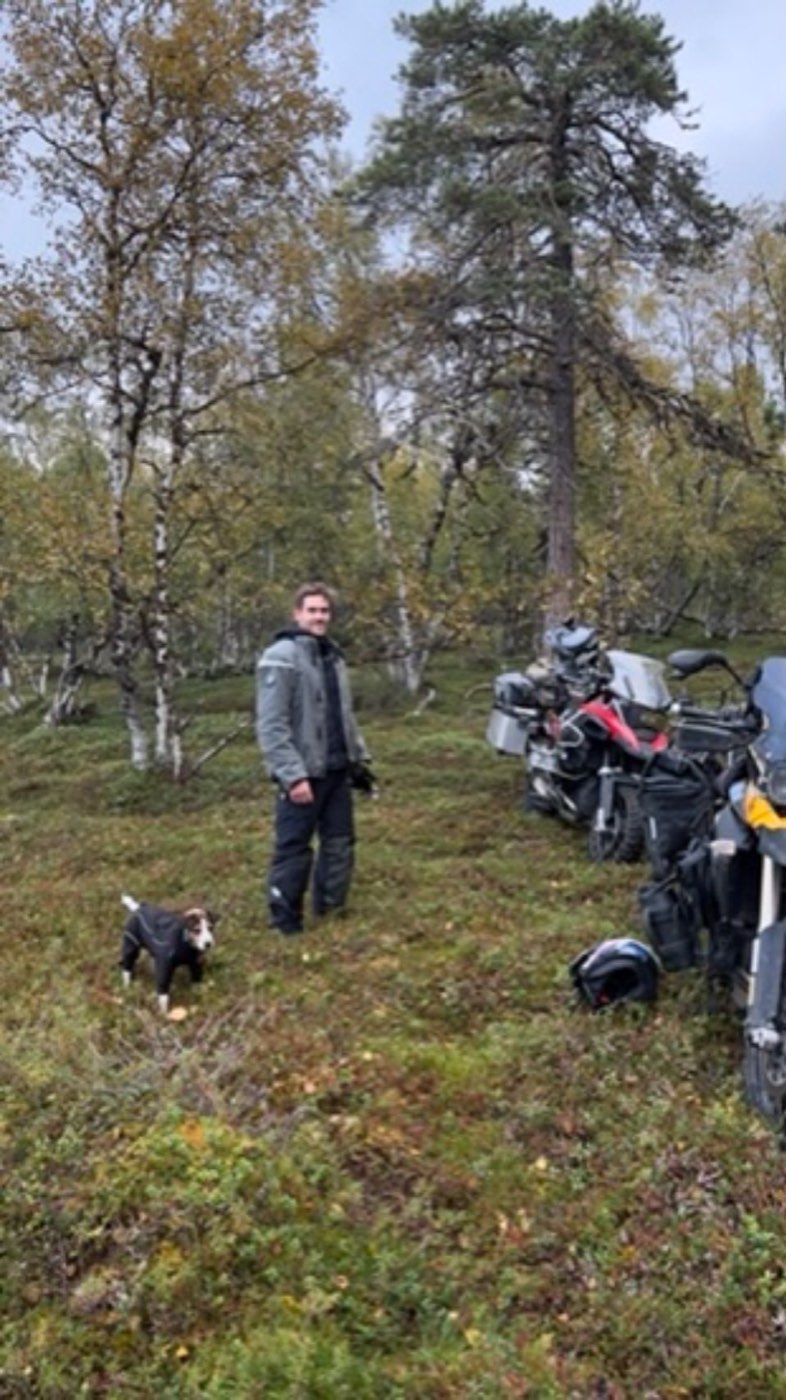 98
98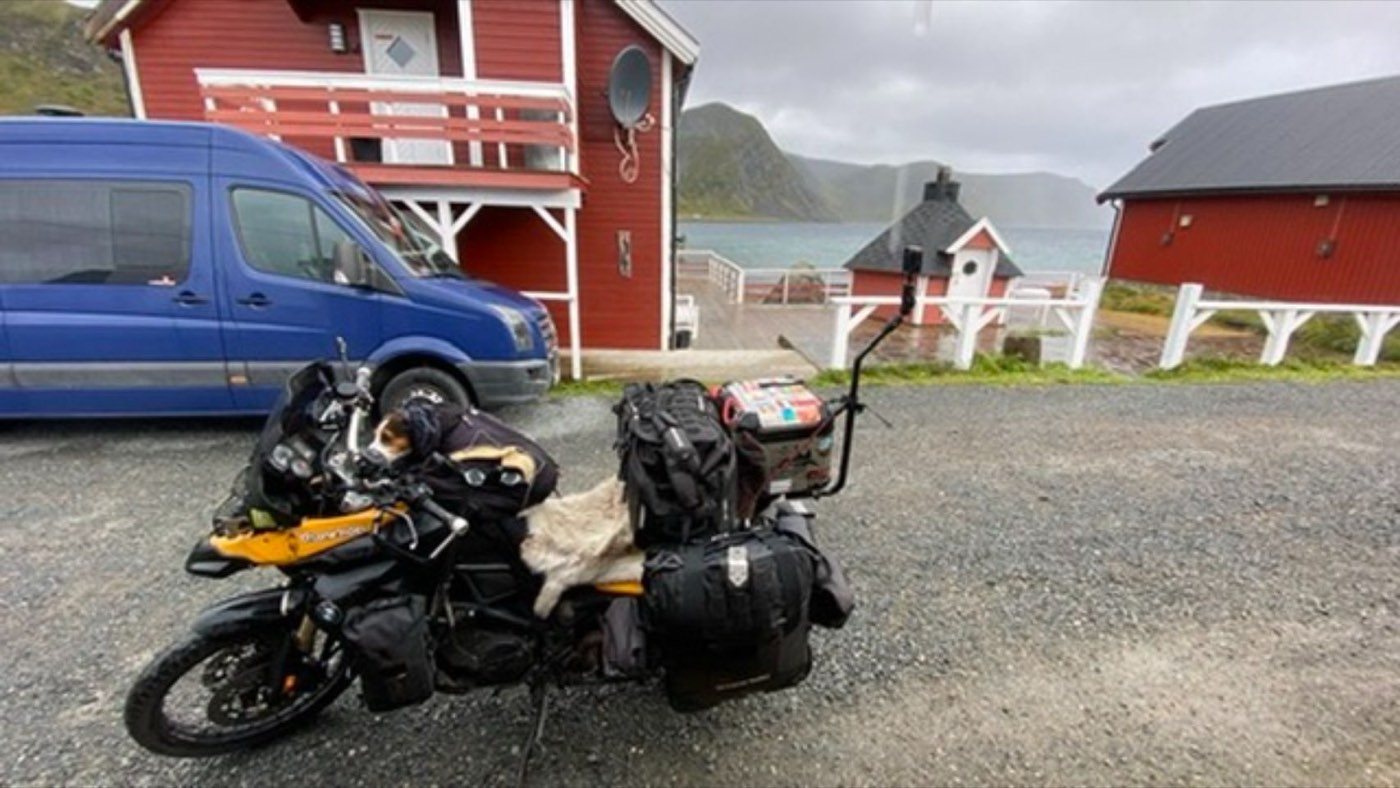 99
99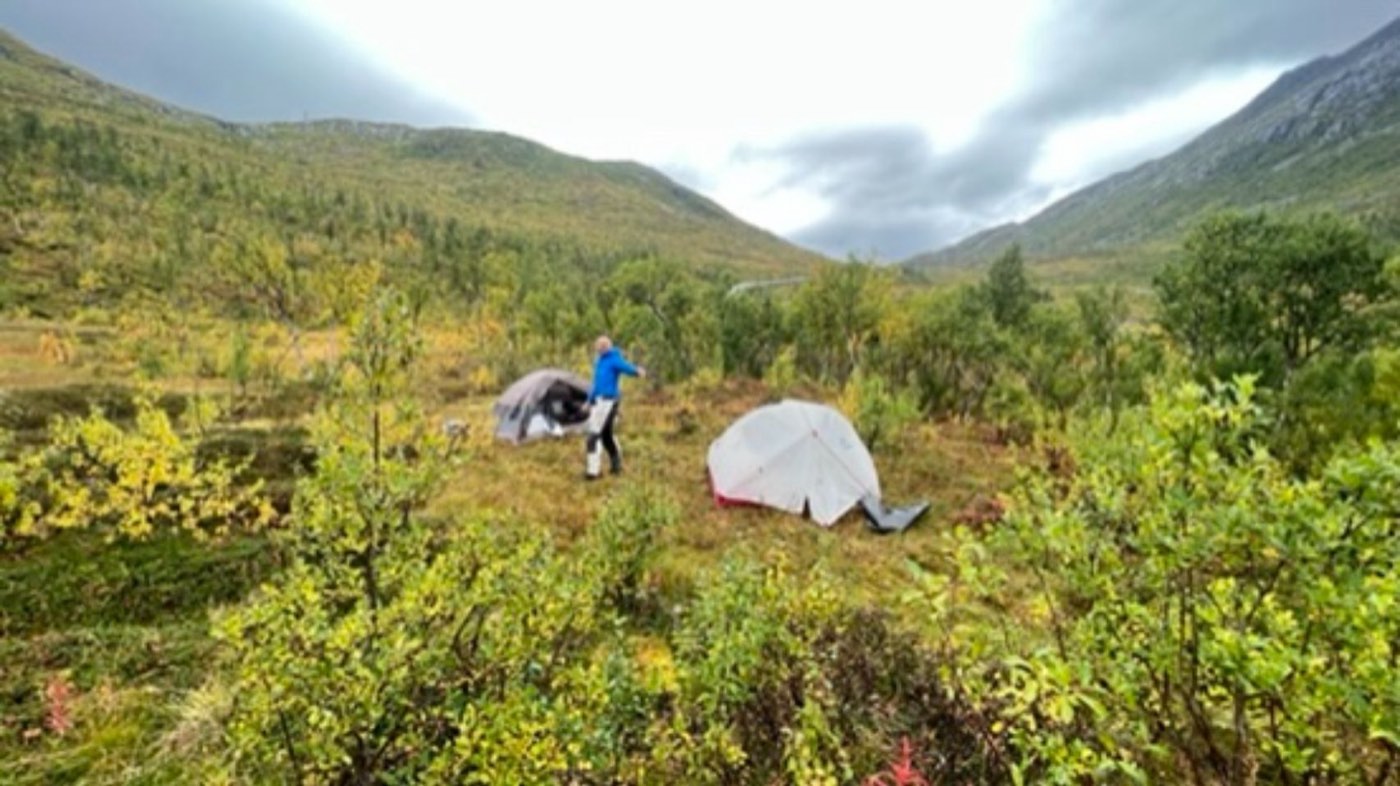 100
100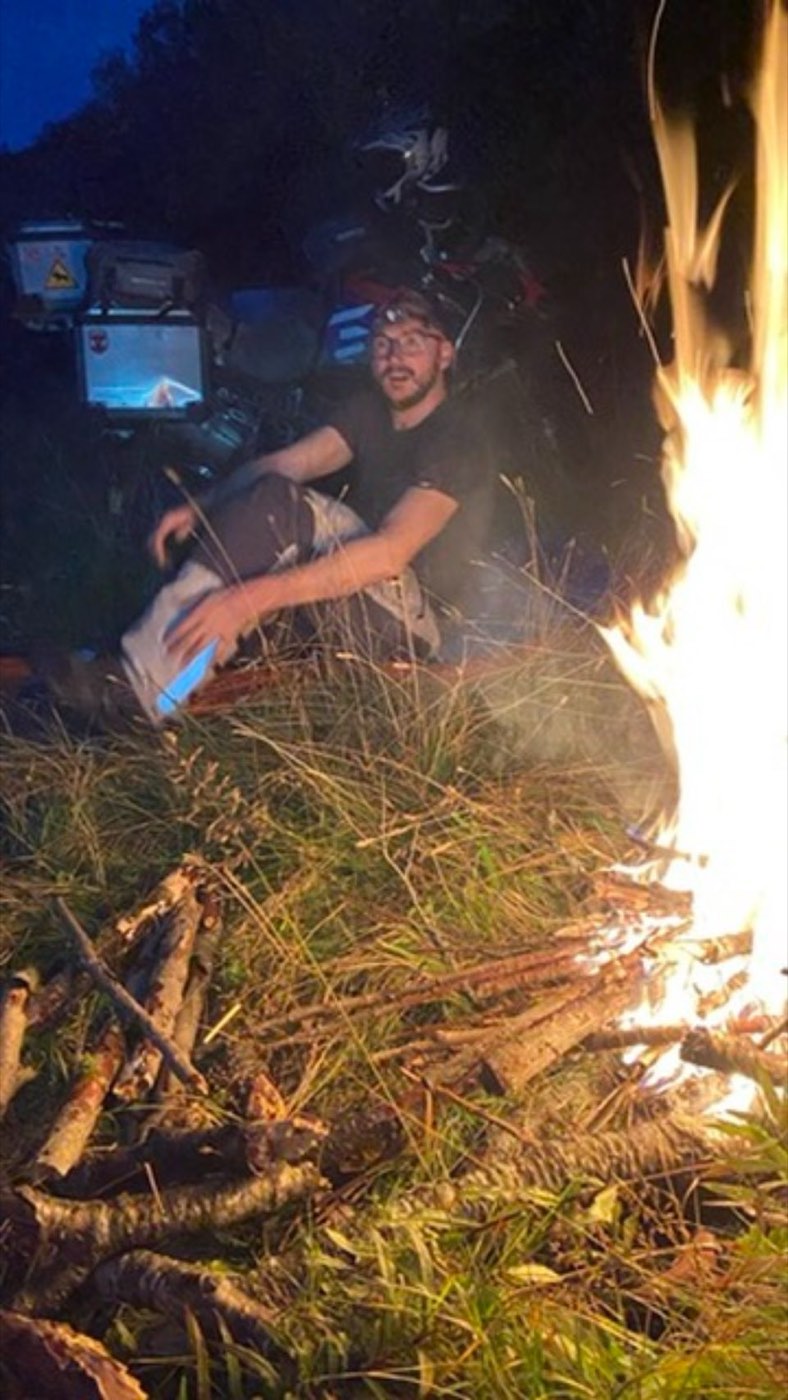 101
101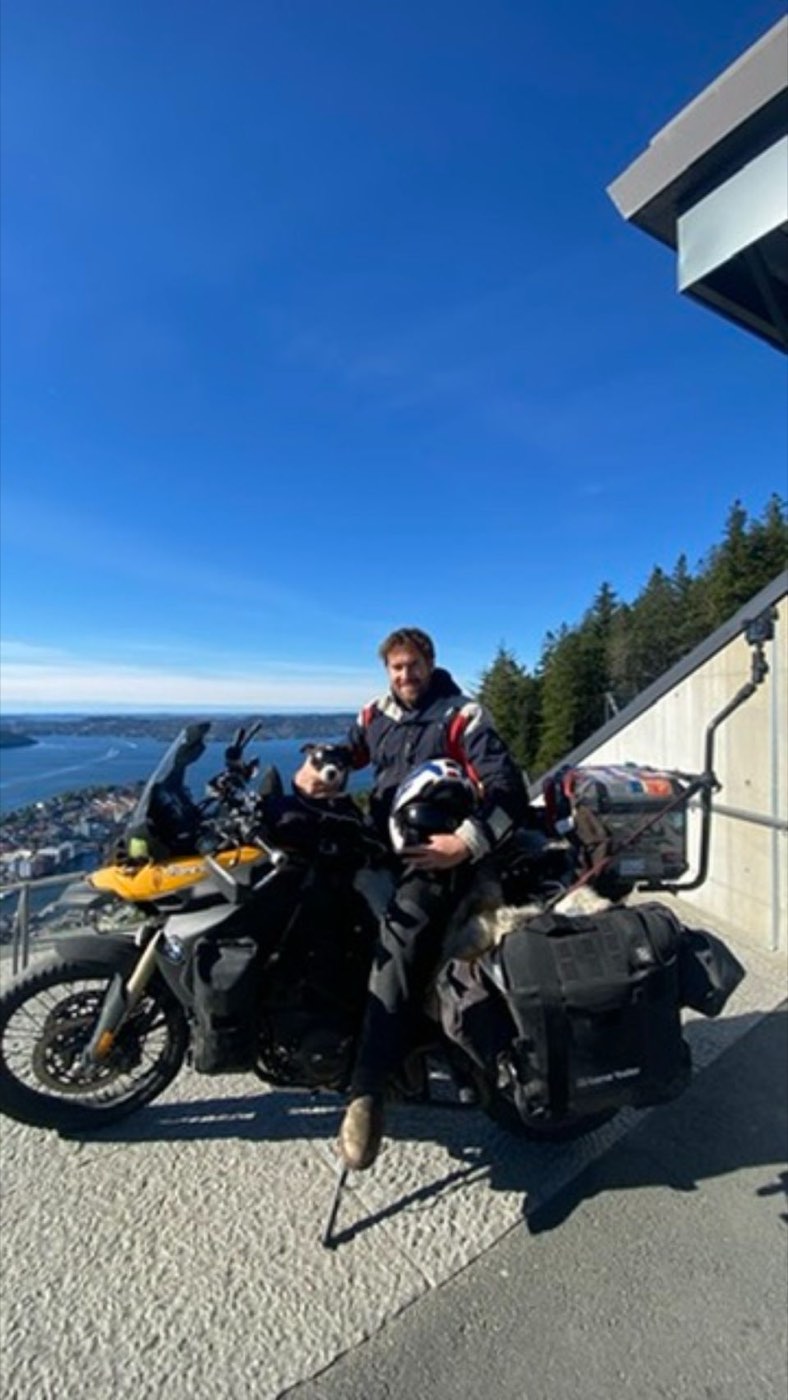 102
102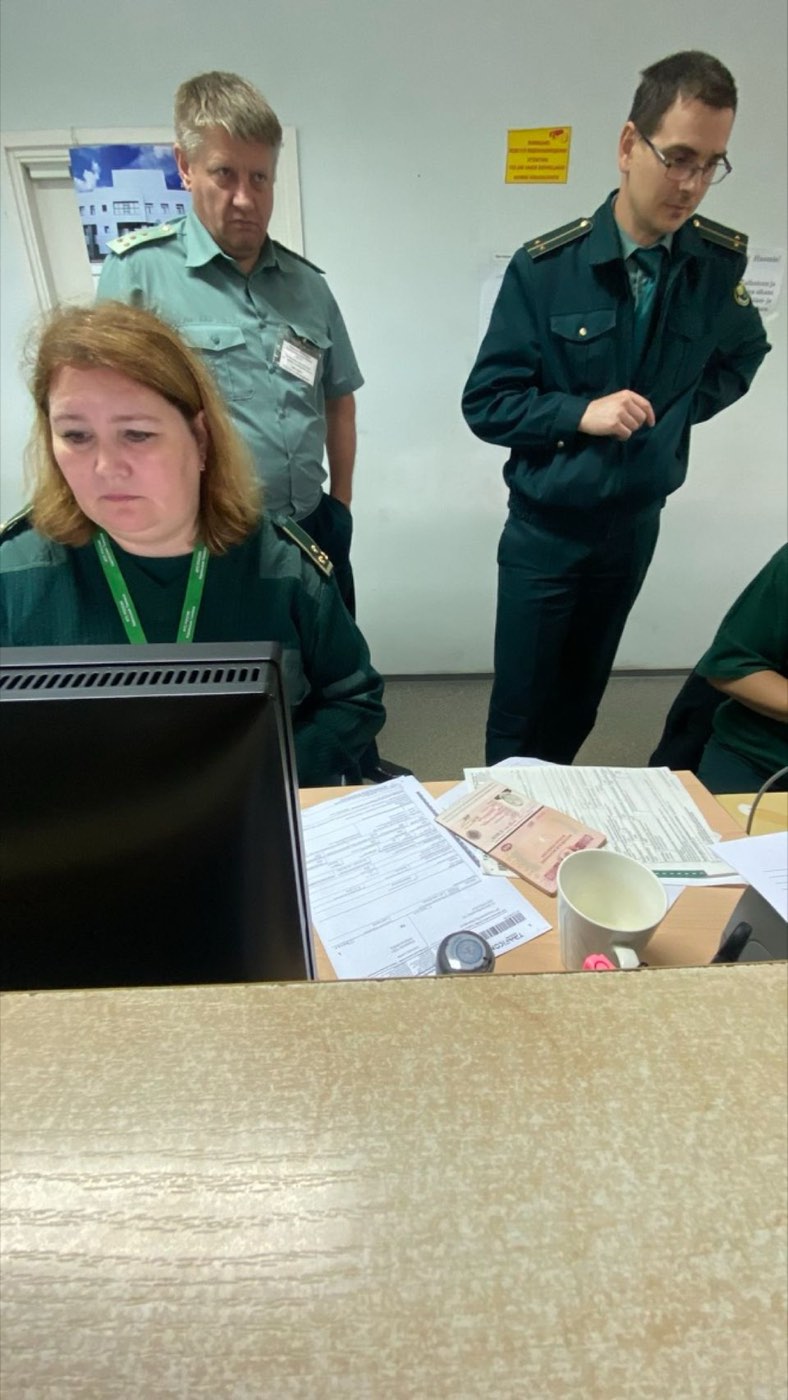 103
103 104
104 105
105 106
106 107
107 108
108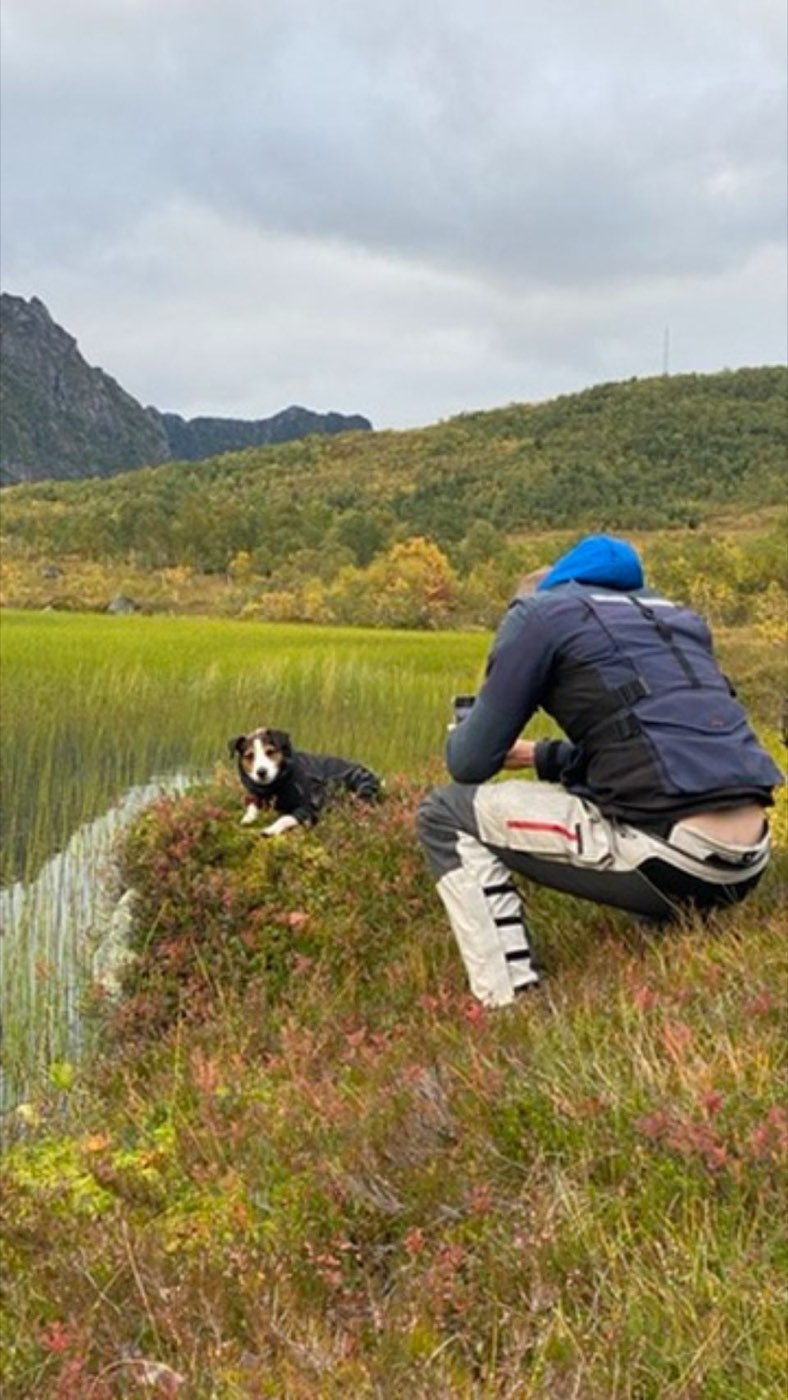 109
109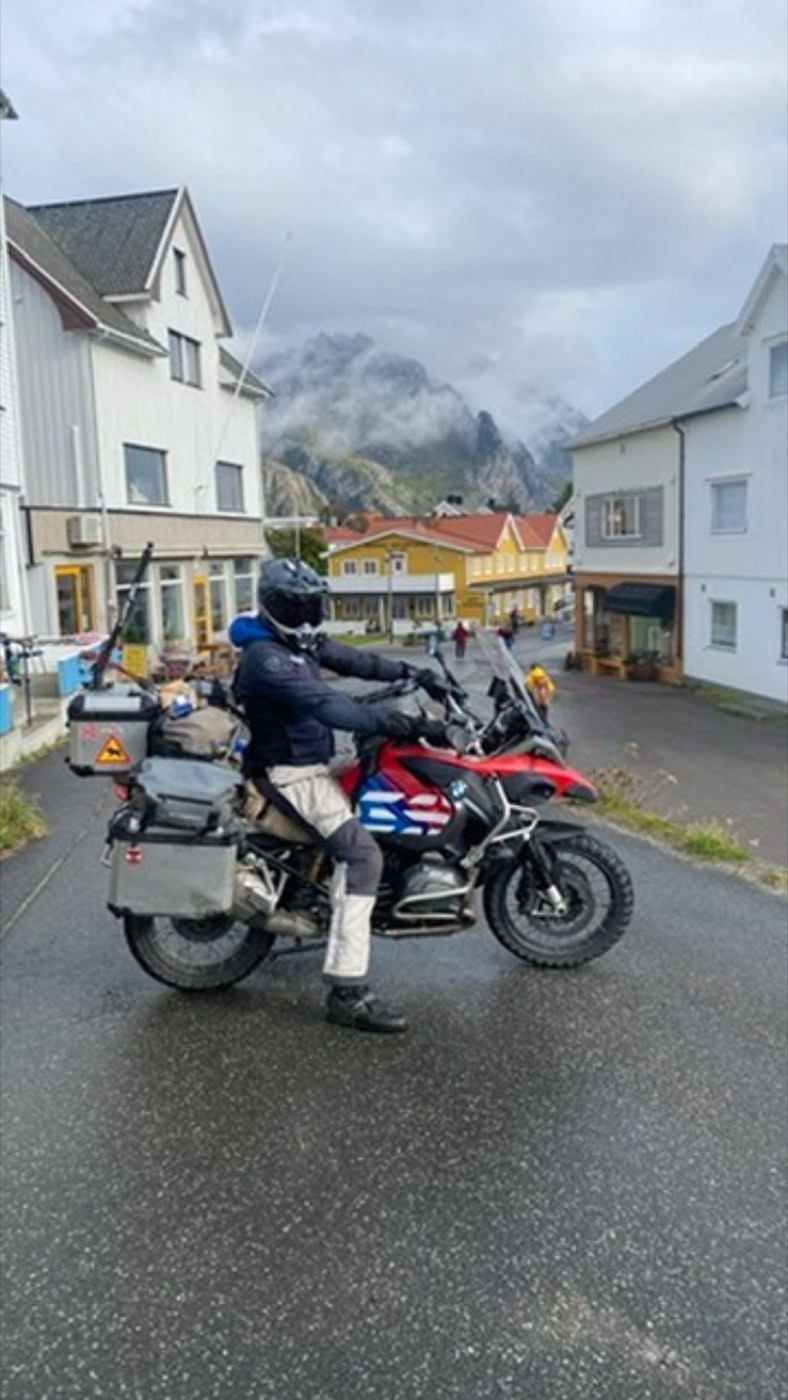 110
110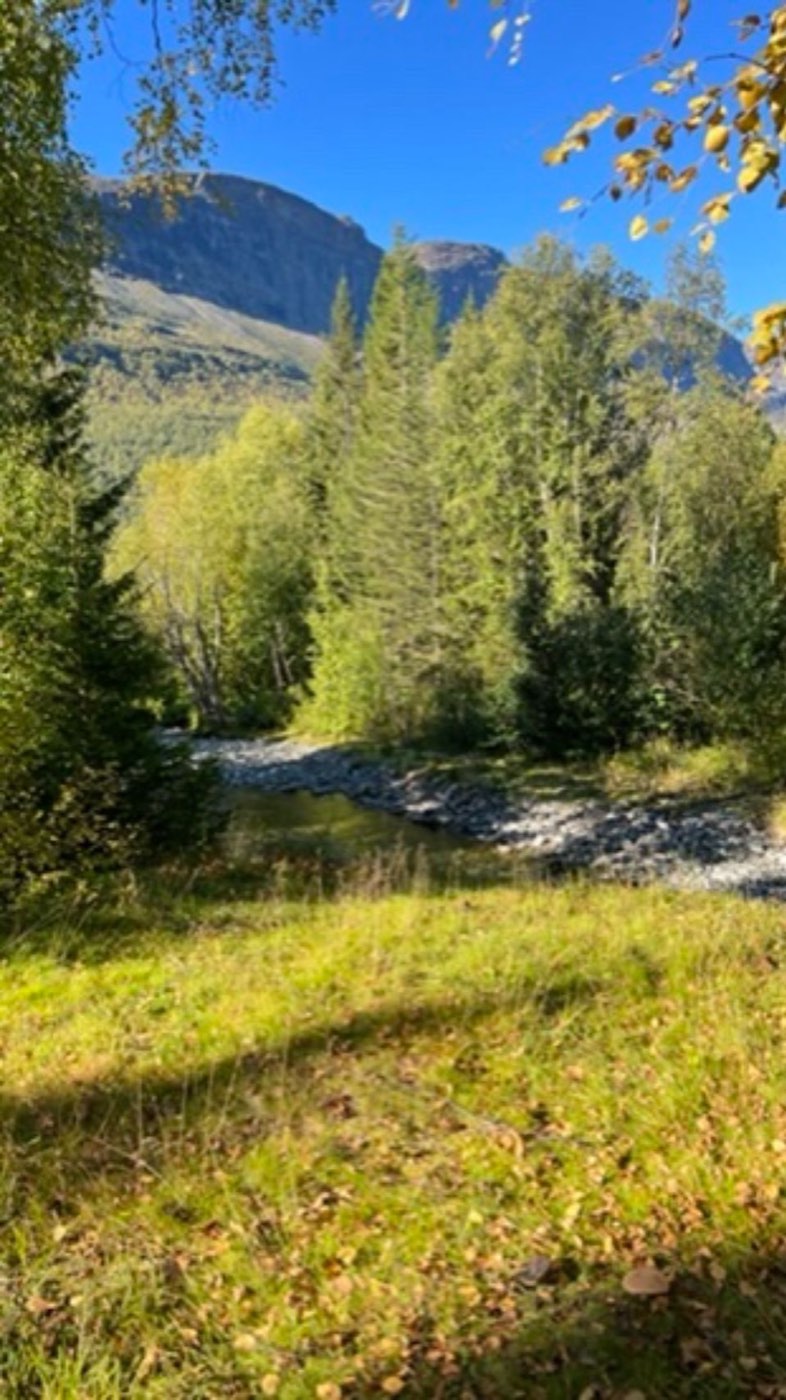 111
111 112
112 113
113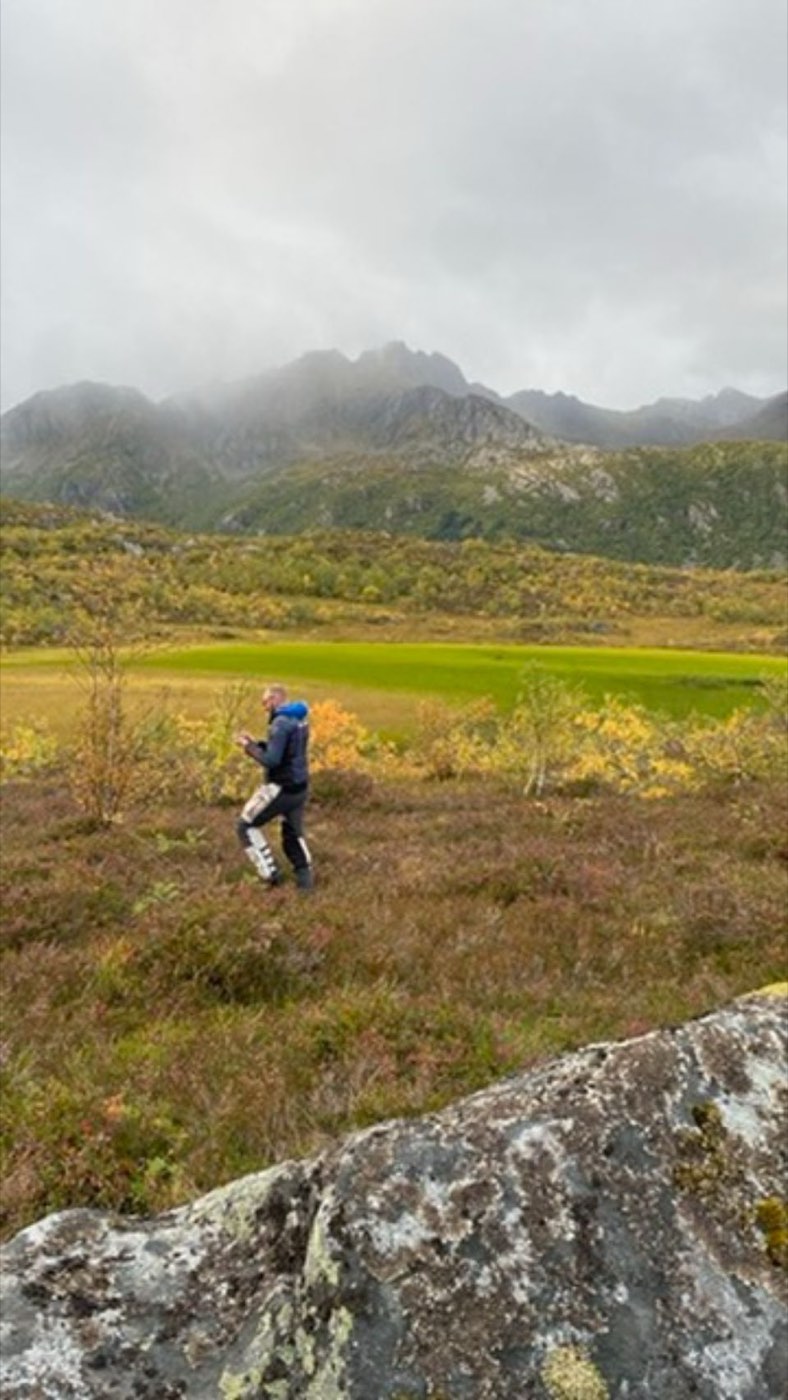 114
114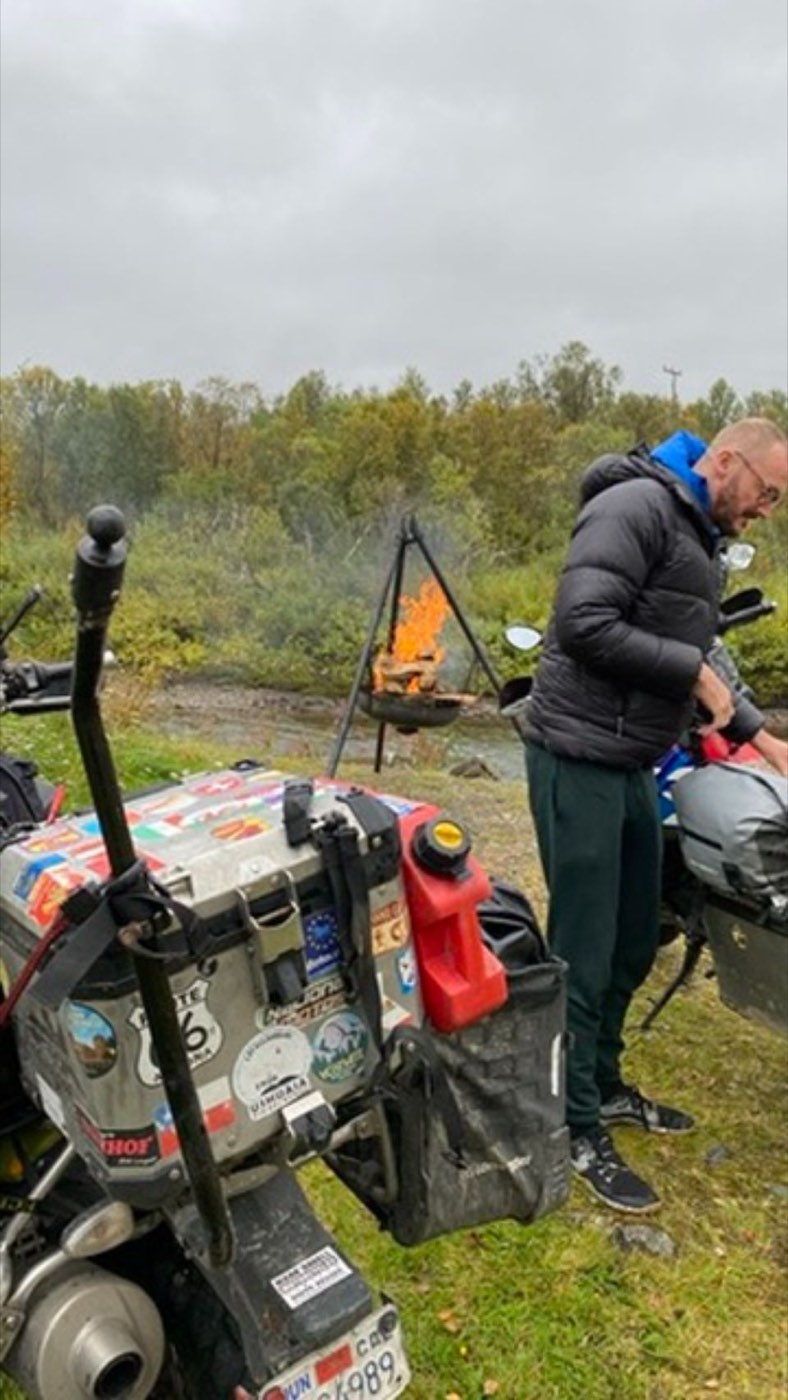 115
115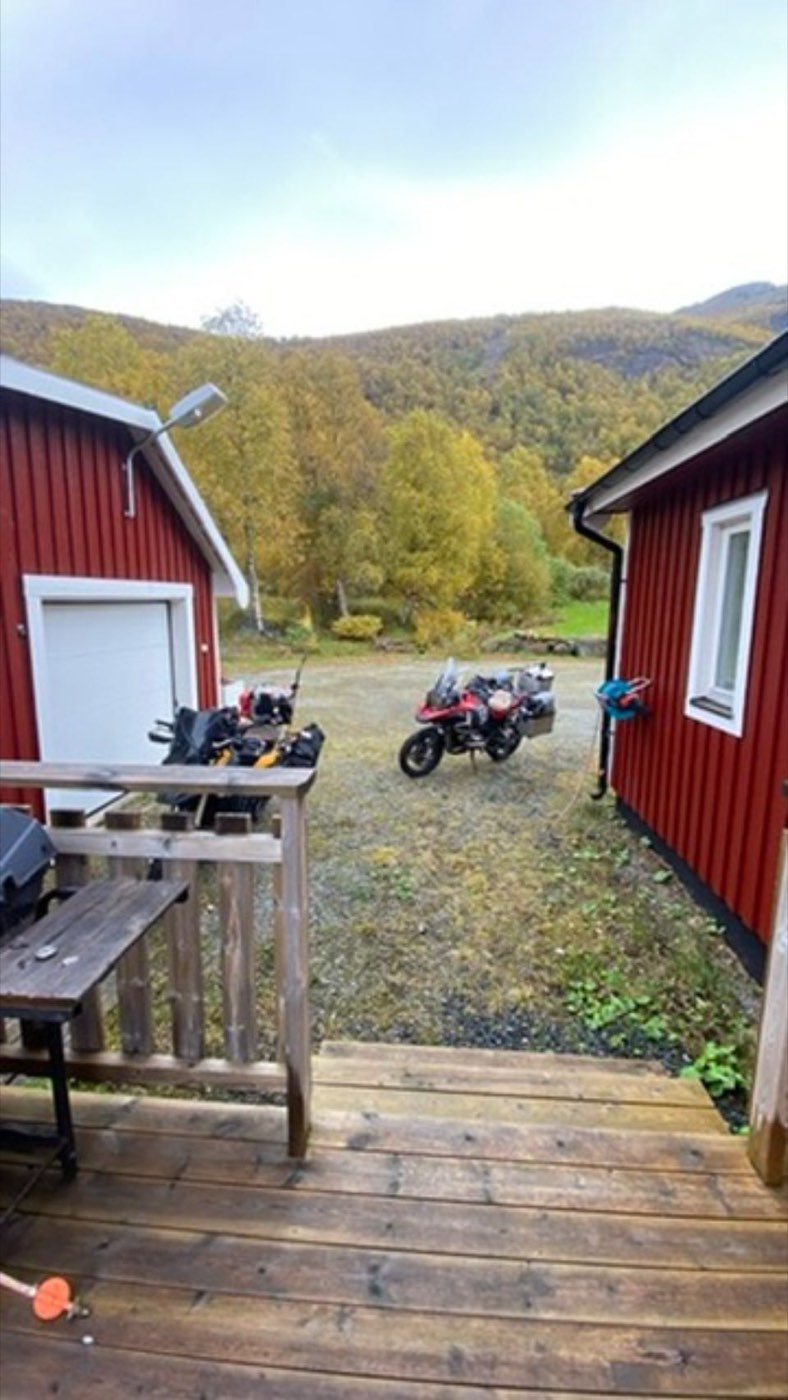 116
116 117
117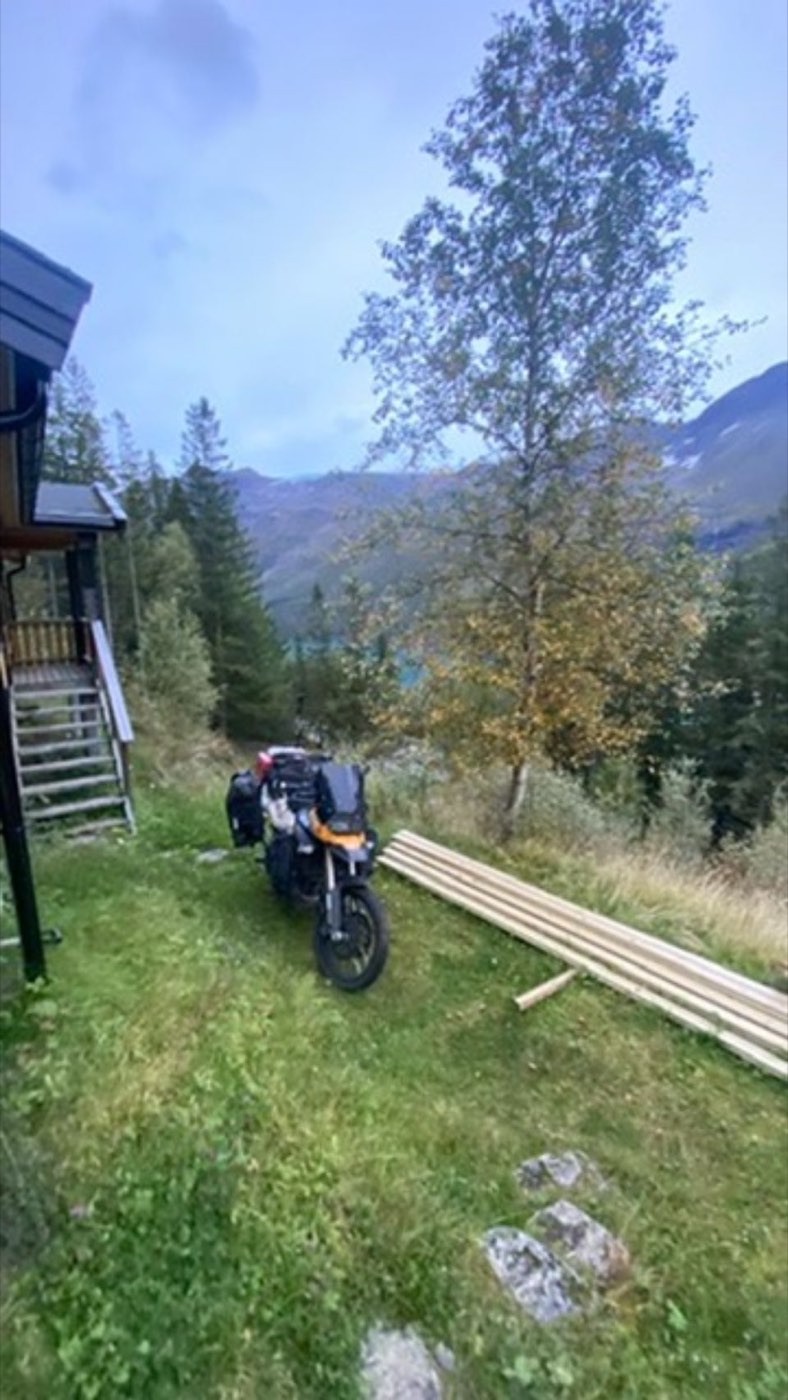 118
118 119
119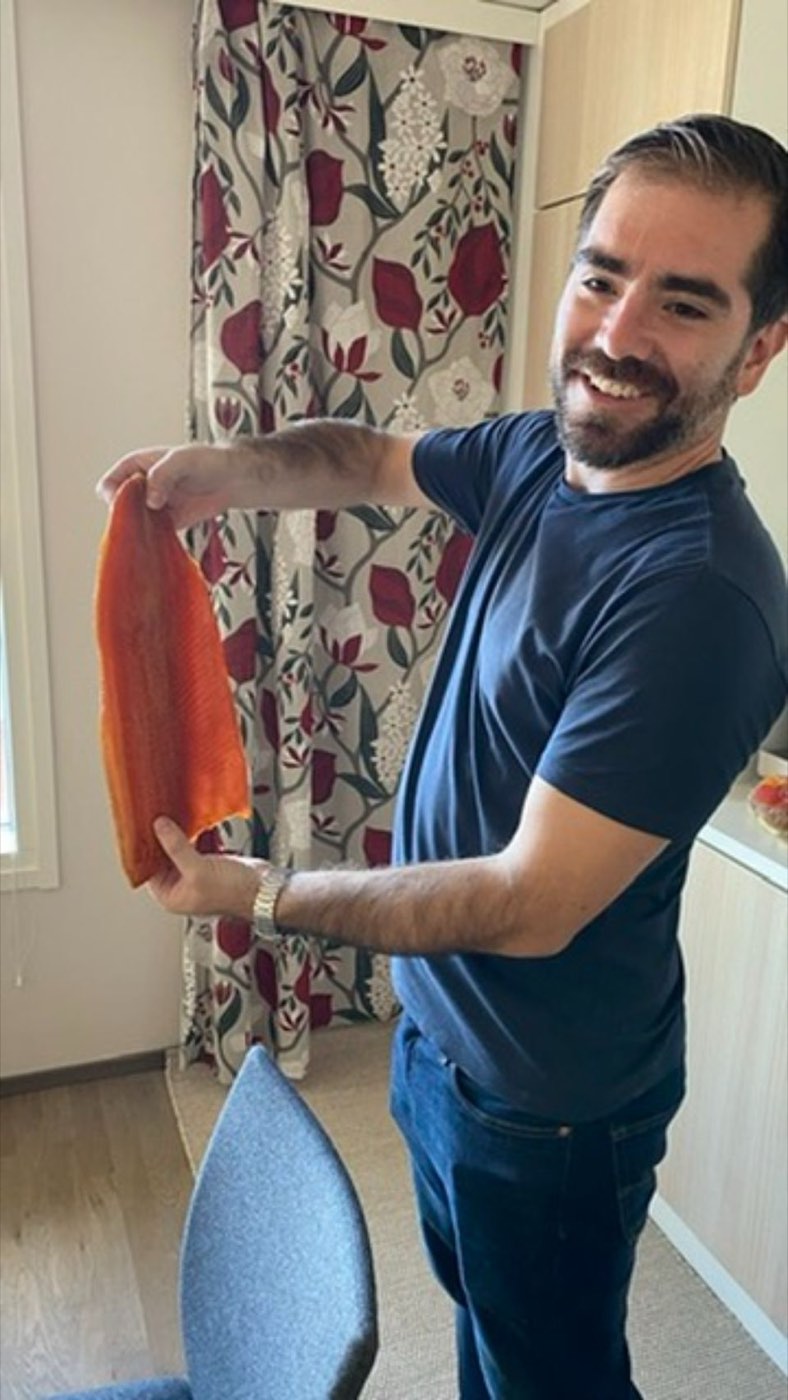 120
120 121
121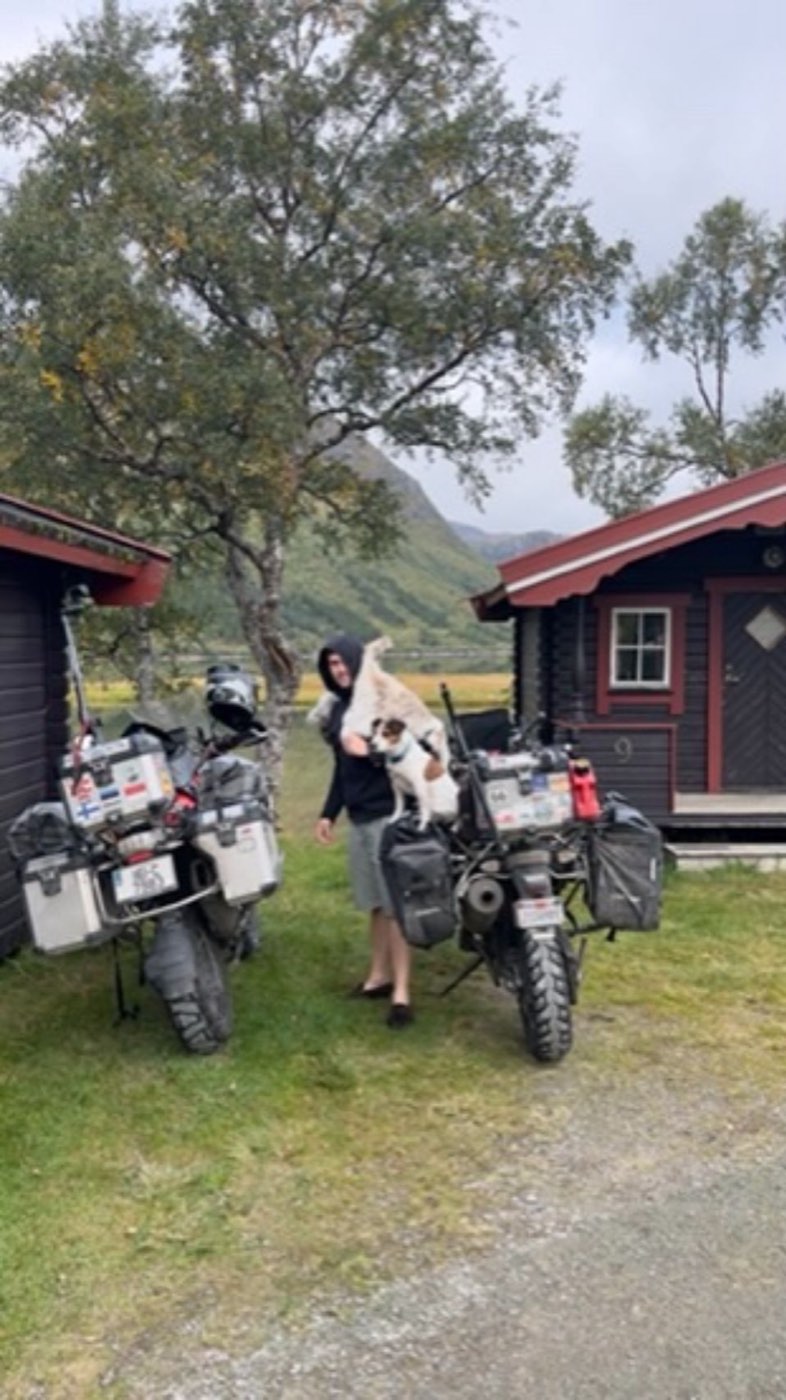 122
122 123
123 124
124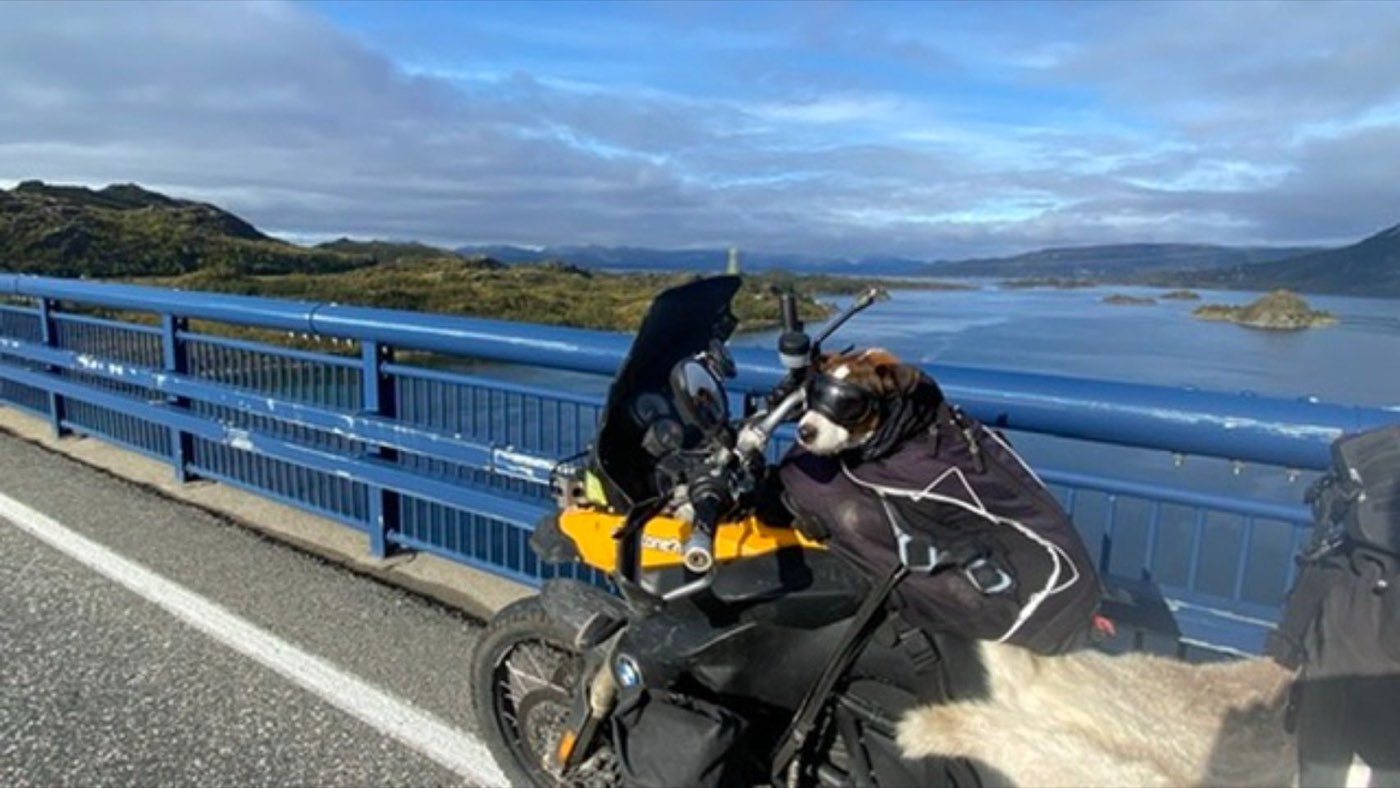 125
125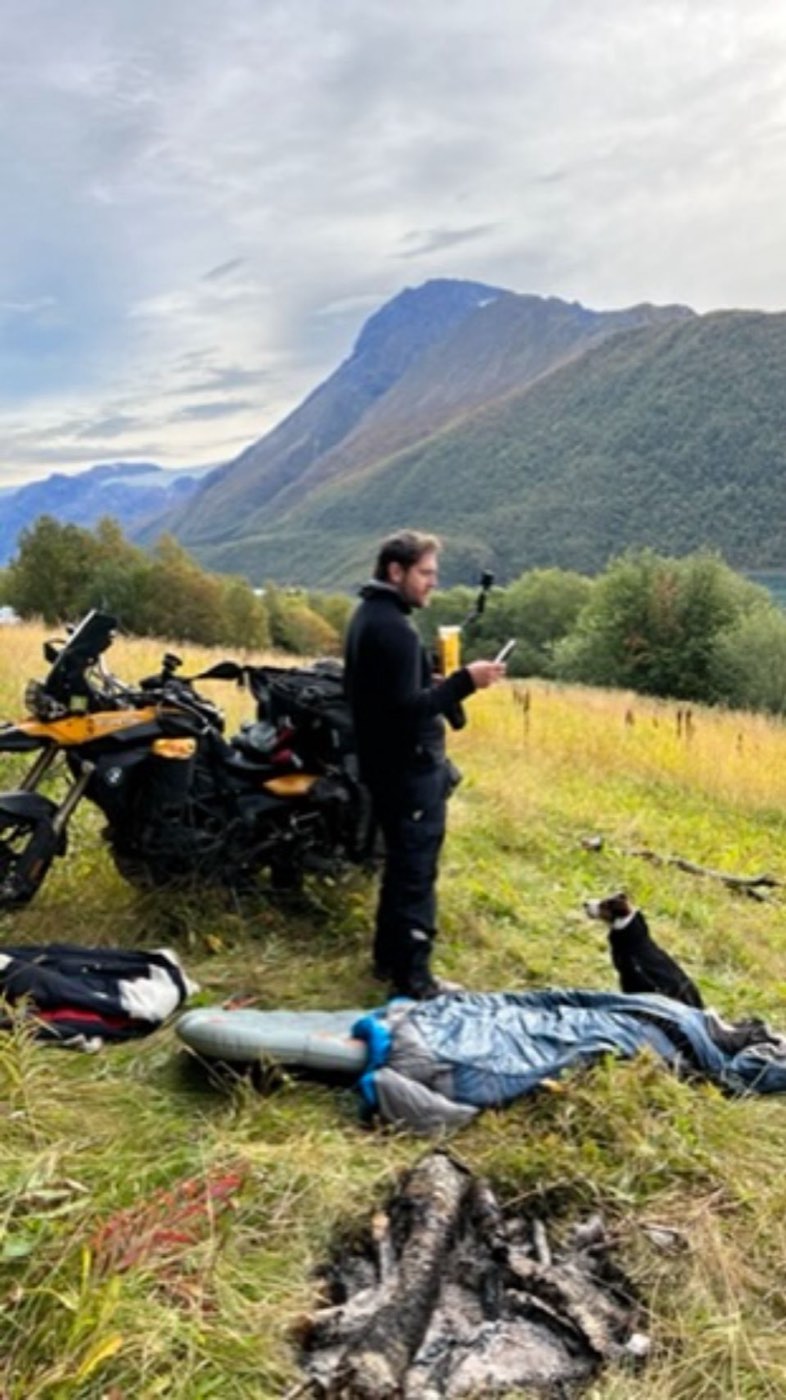 126
126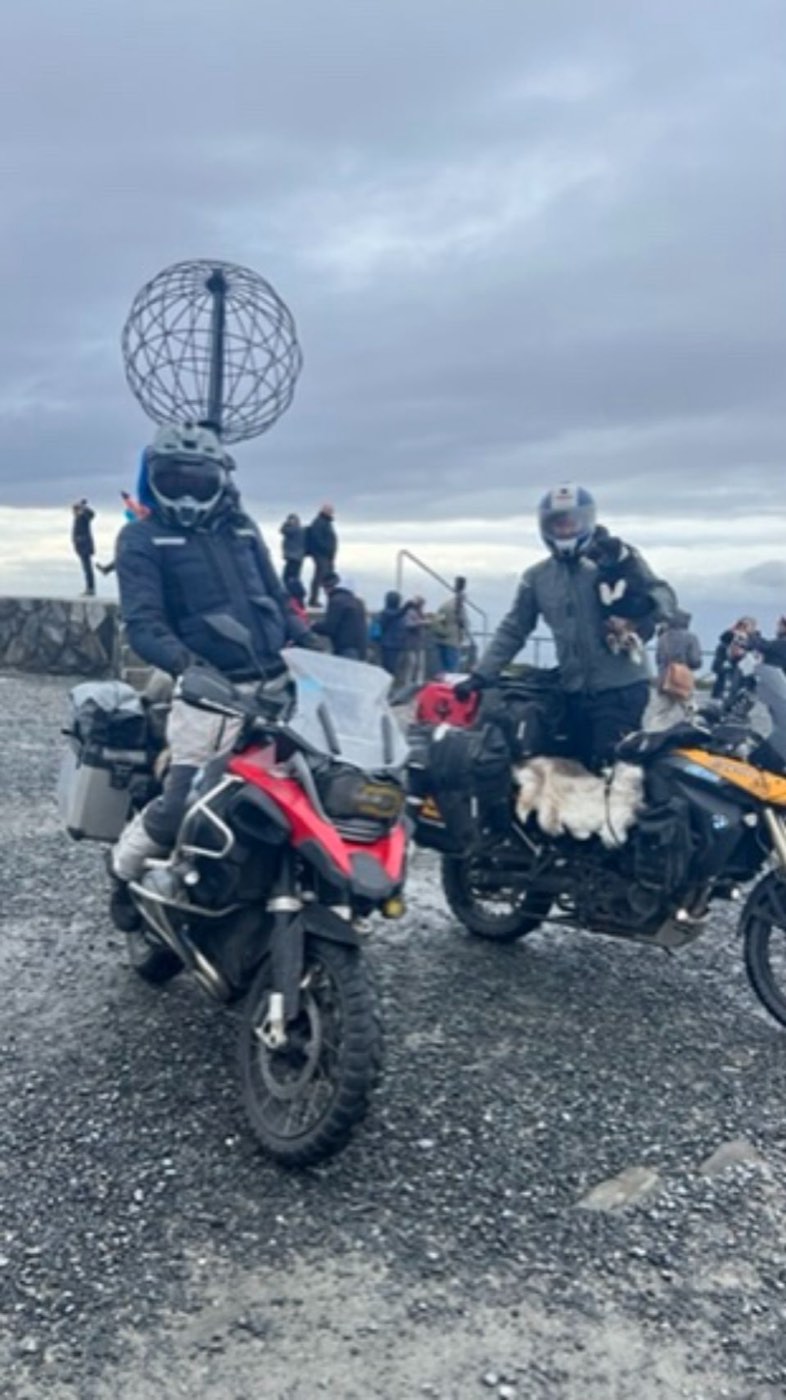 127
127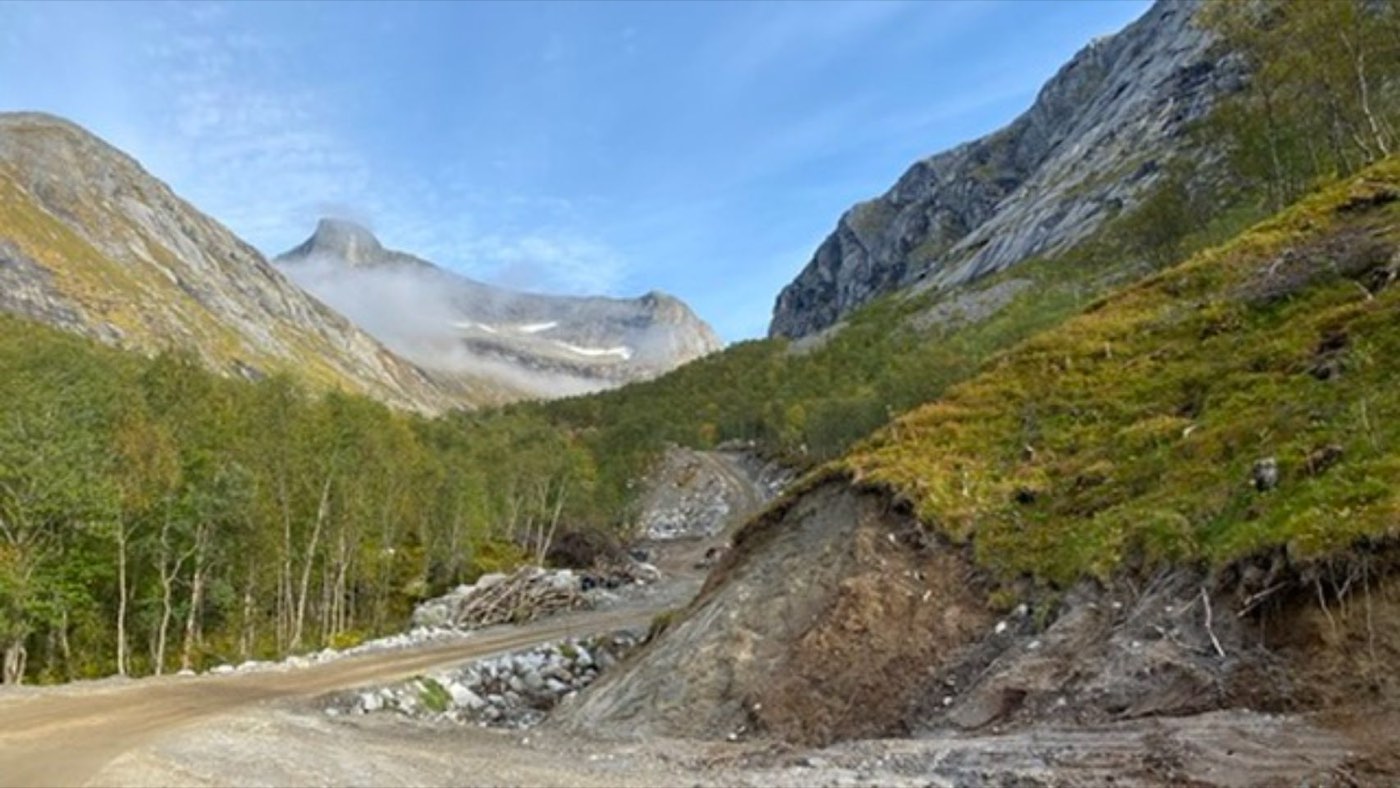 128
128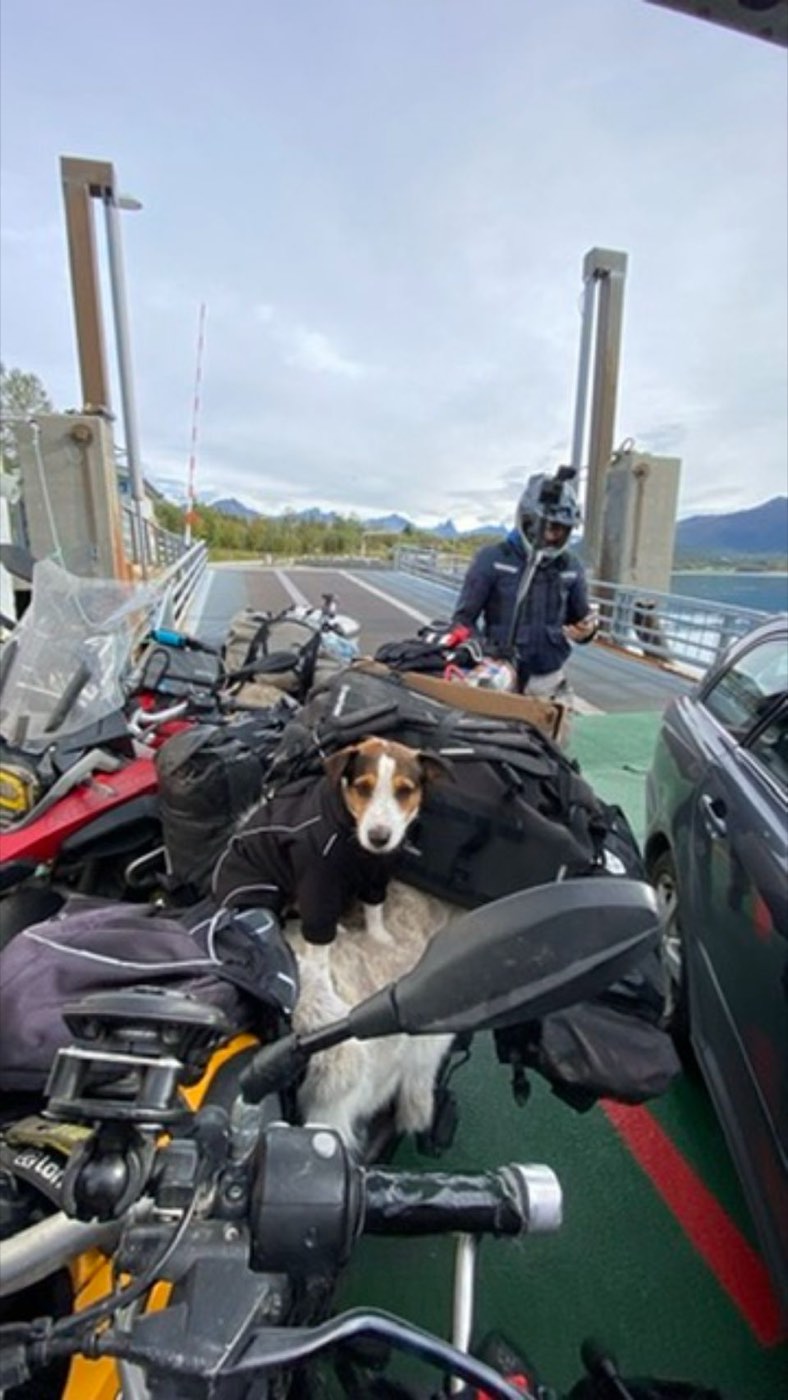 129
129 130
130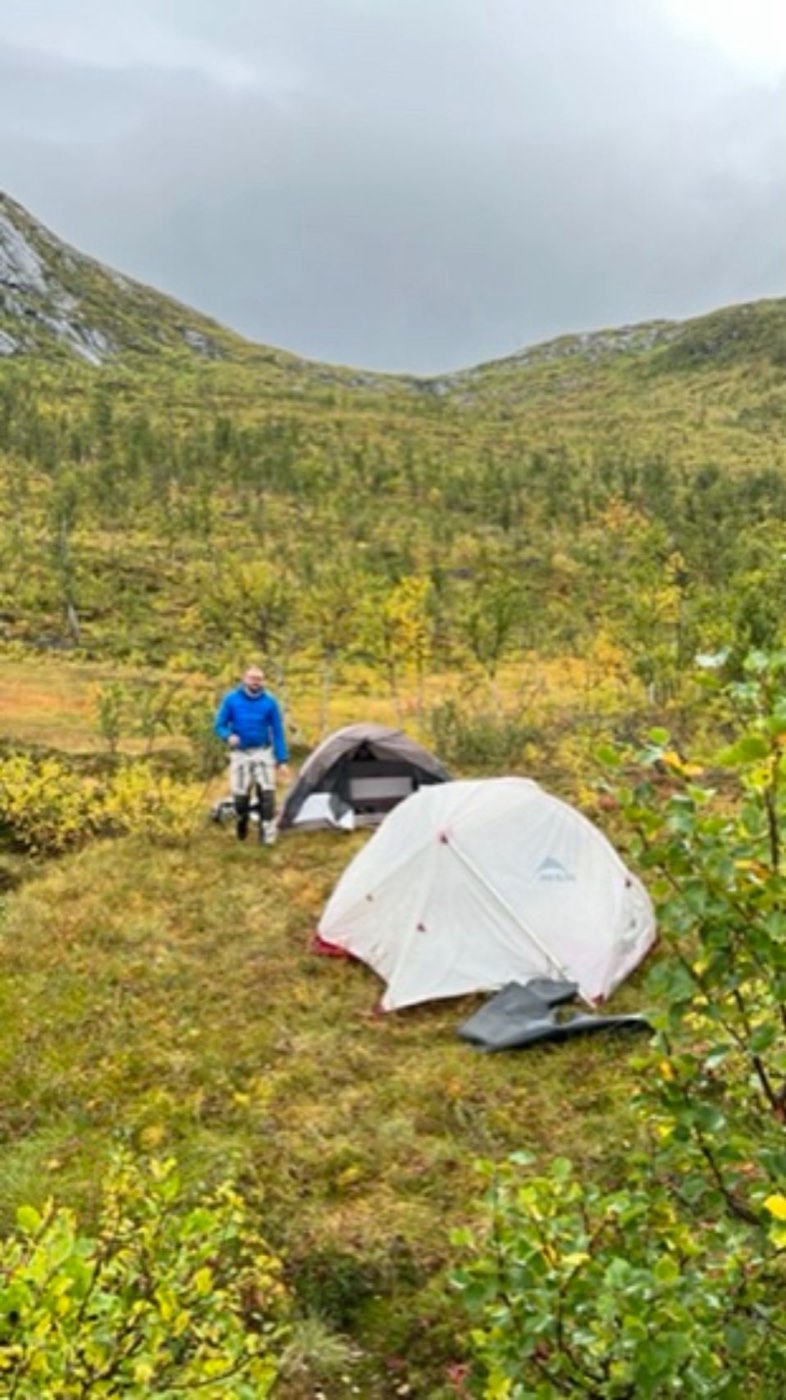 131
131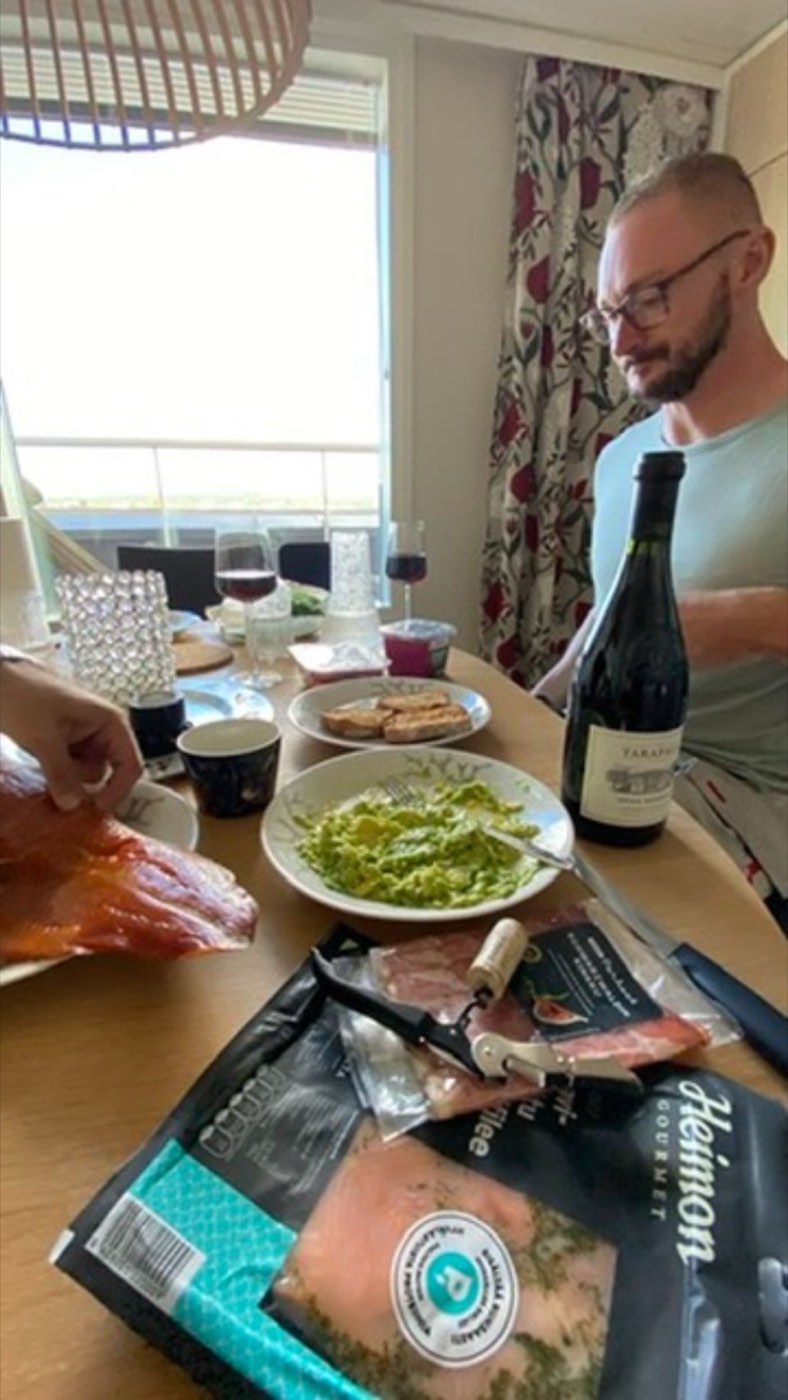 132
132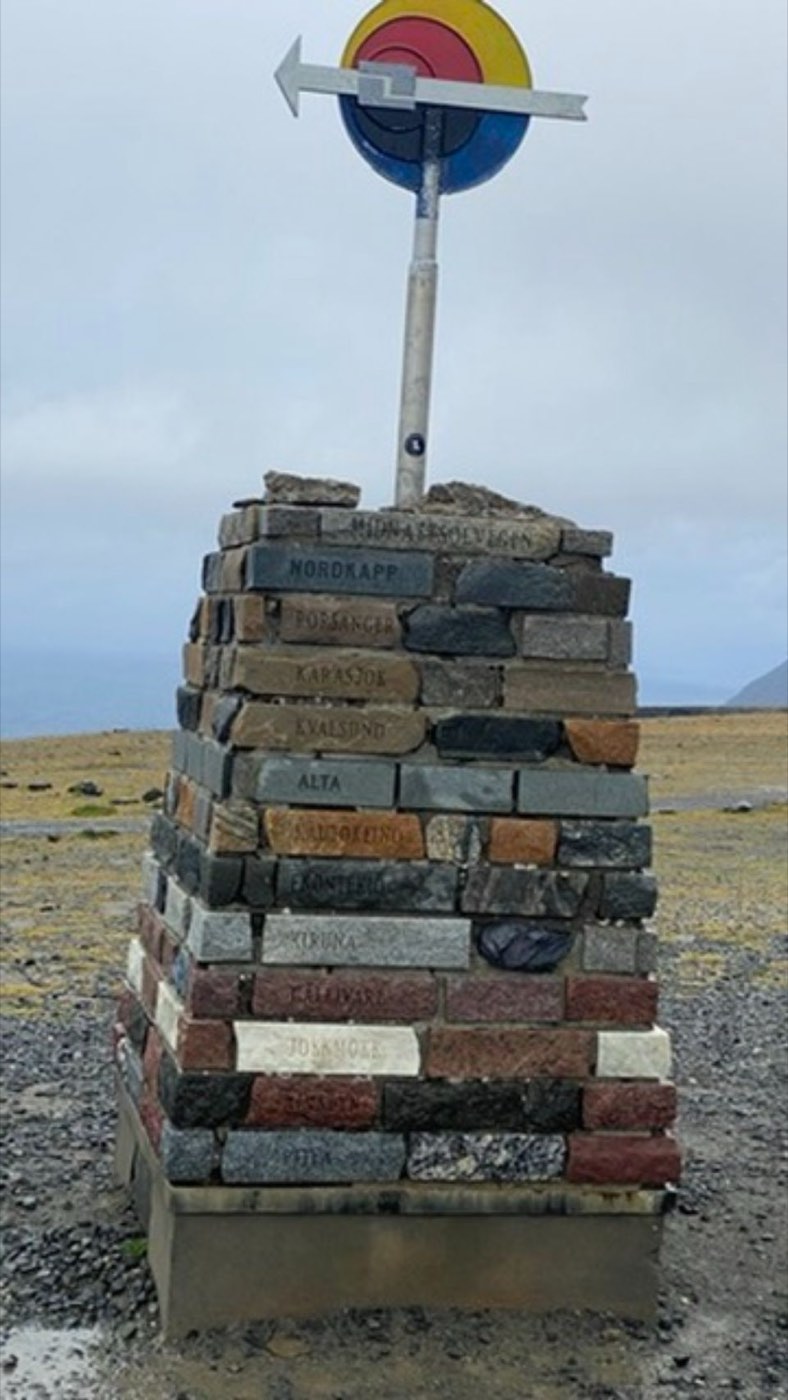 133
133 134
134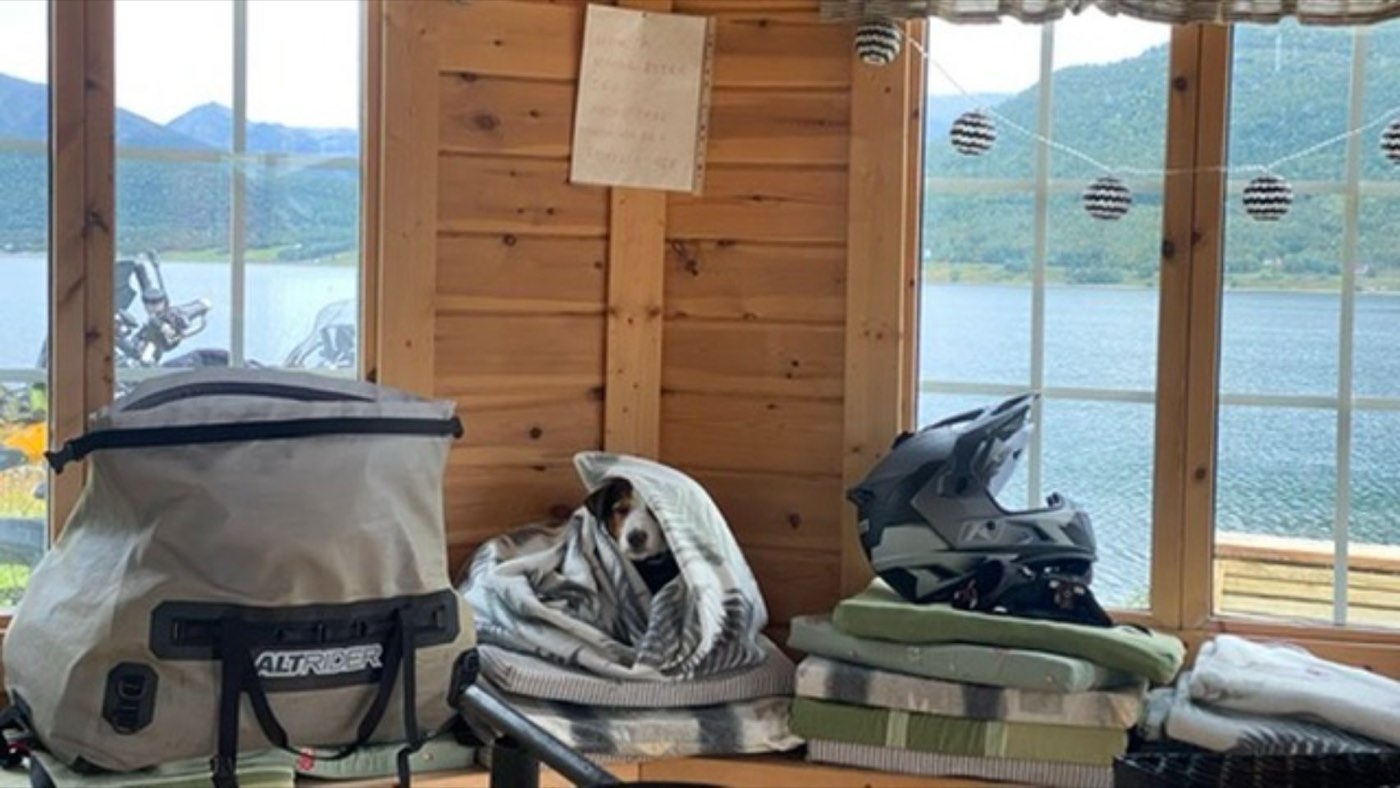 135
135 136
136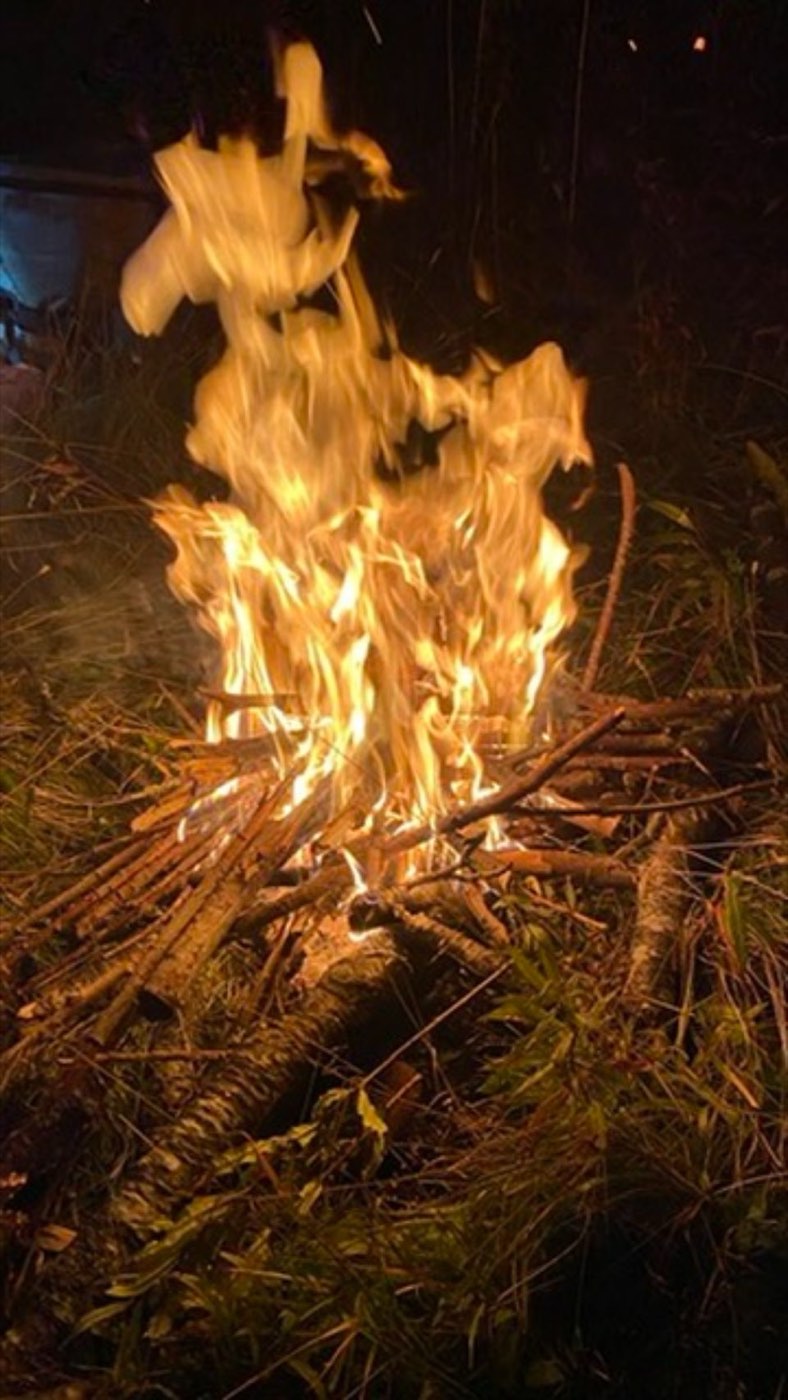 137
137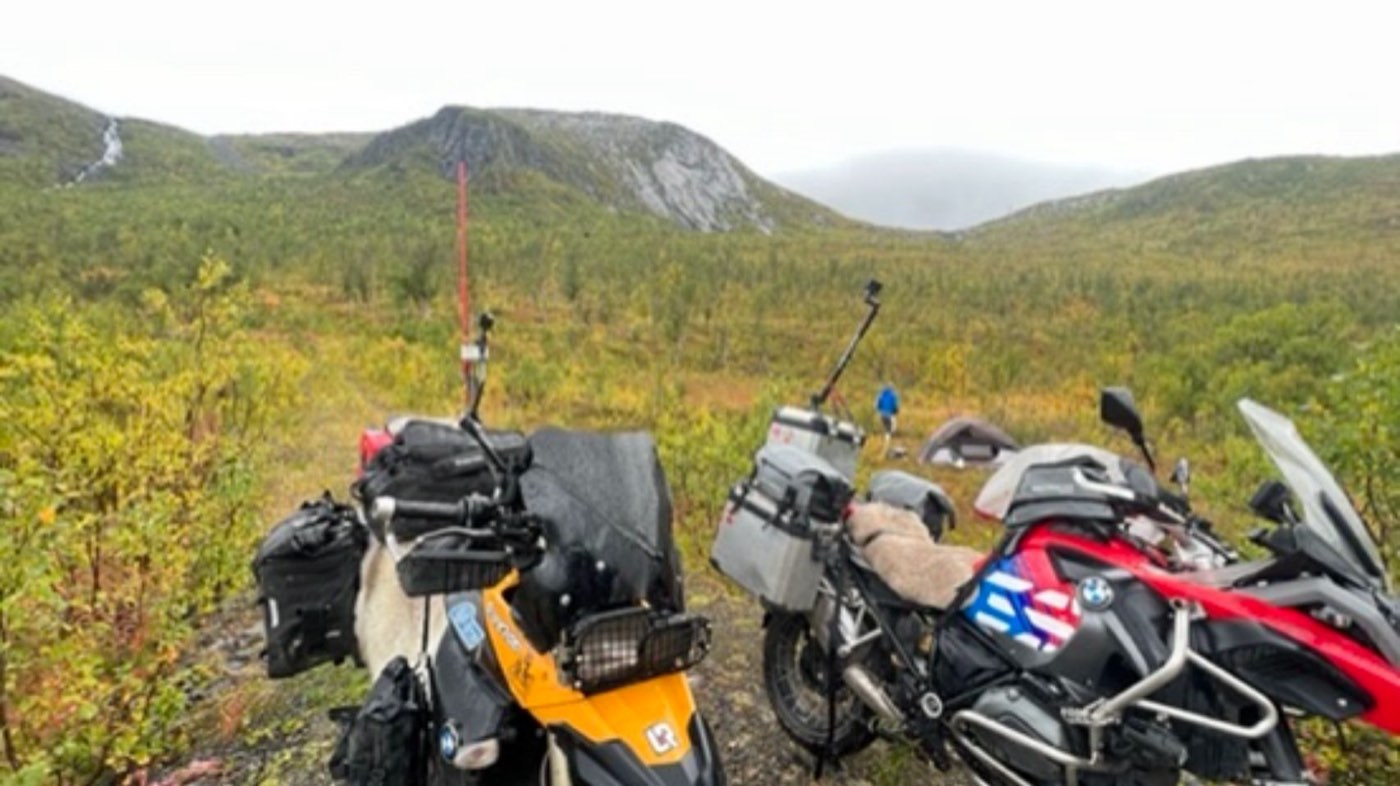 138
138 139
139 140
140 141
141 142
142 143
143 144
144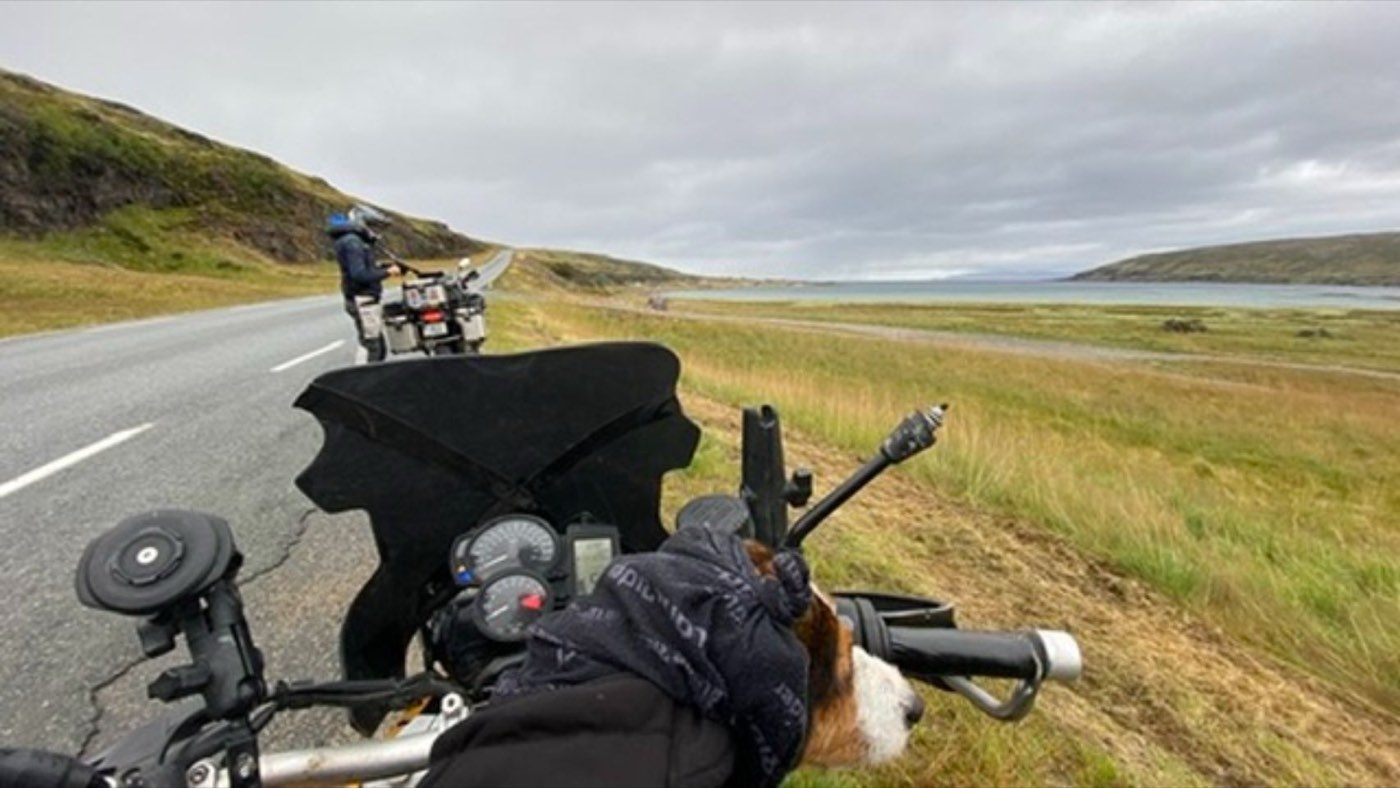 145
145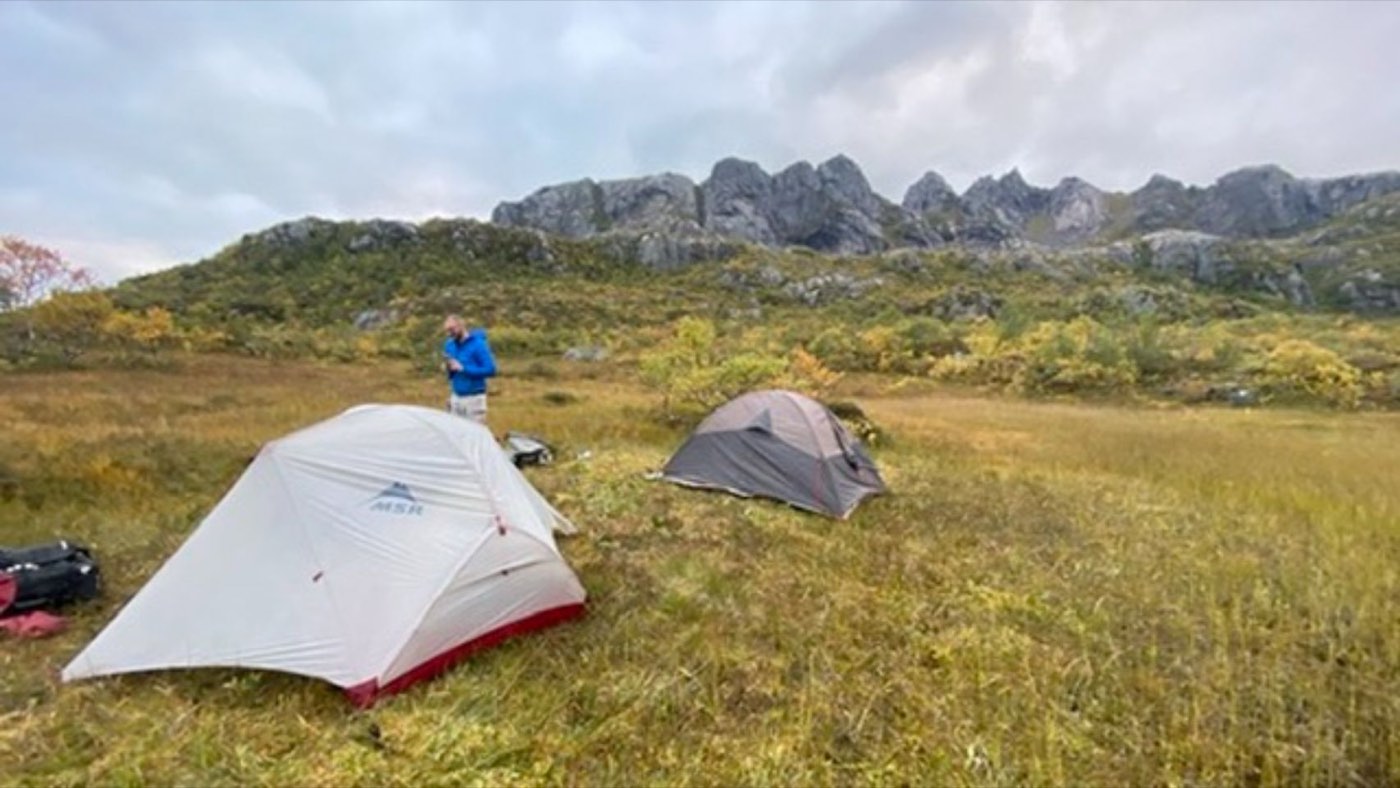 146
146 147
147 148
148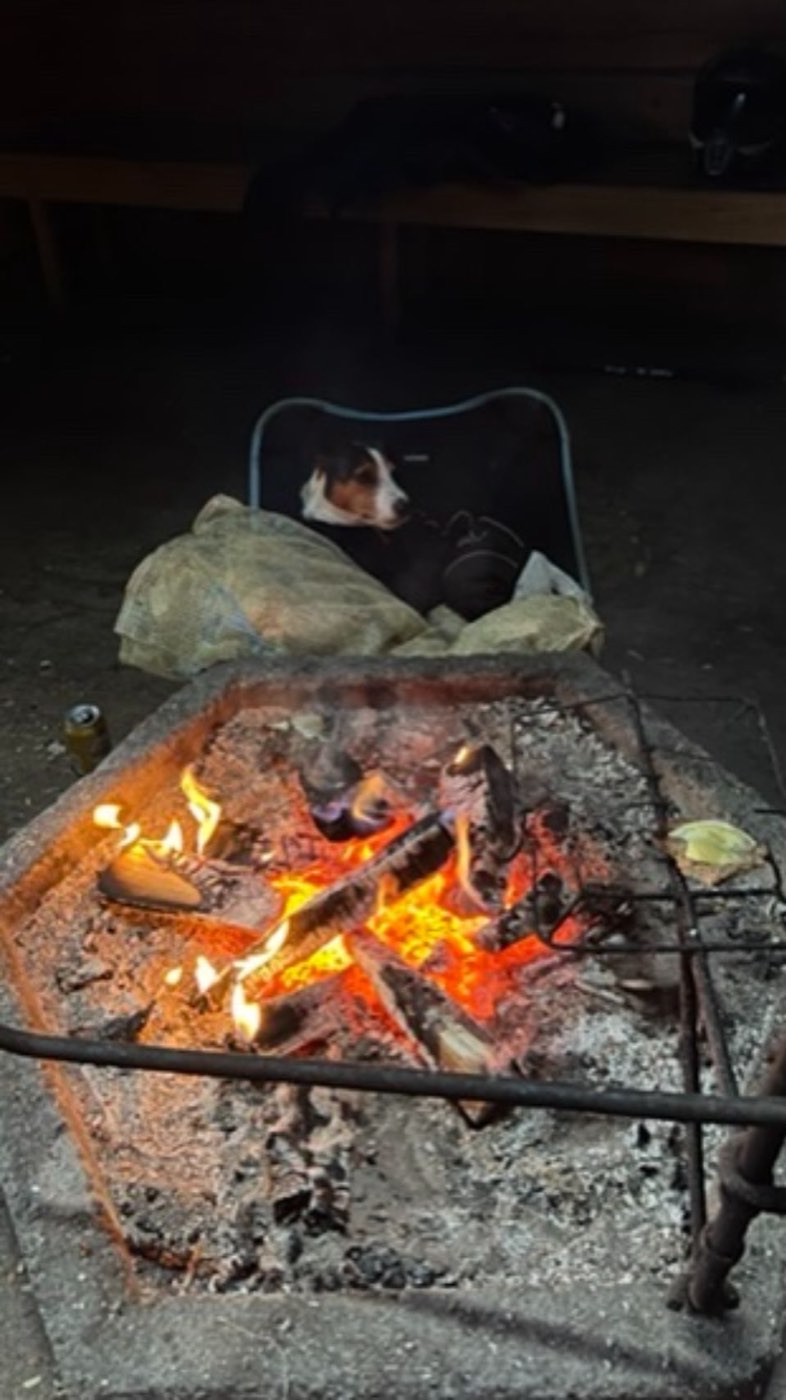 149
149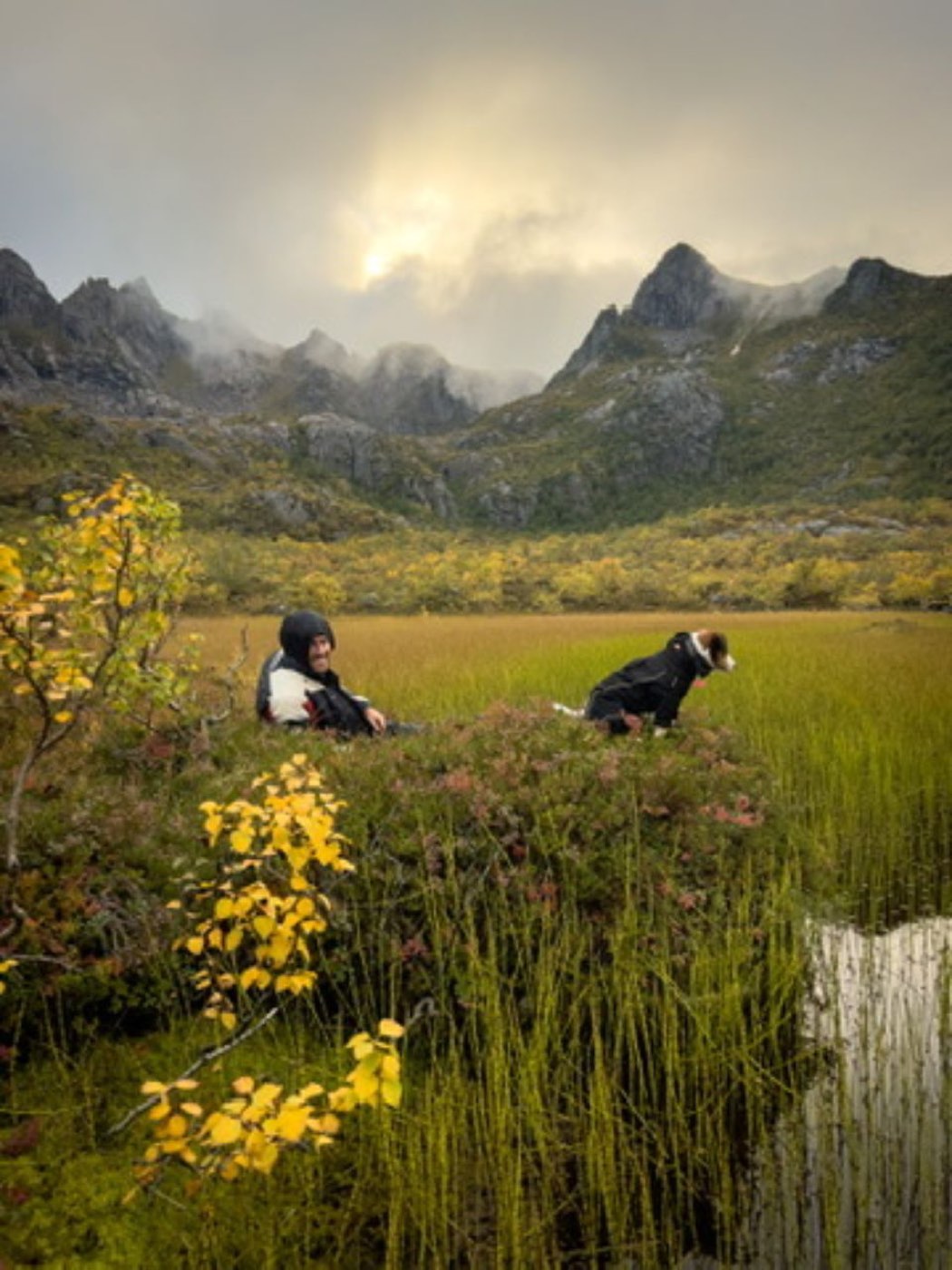 150
150 151
151 152
152 153
153 154
154 155
155 156
156 157
157 158
158 159
159 160
160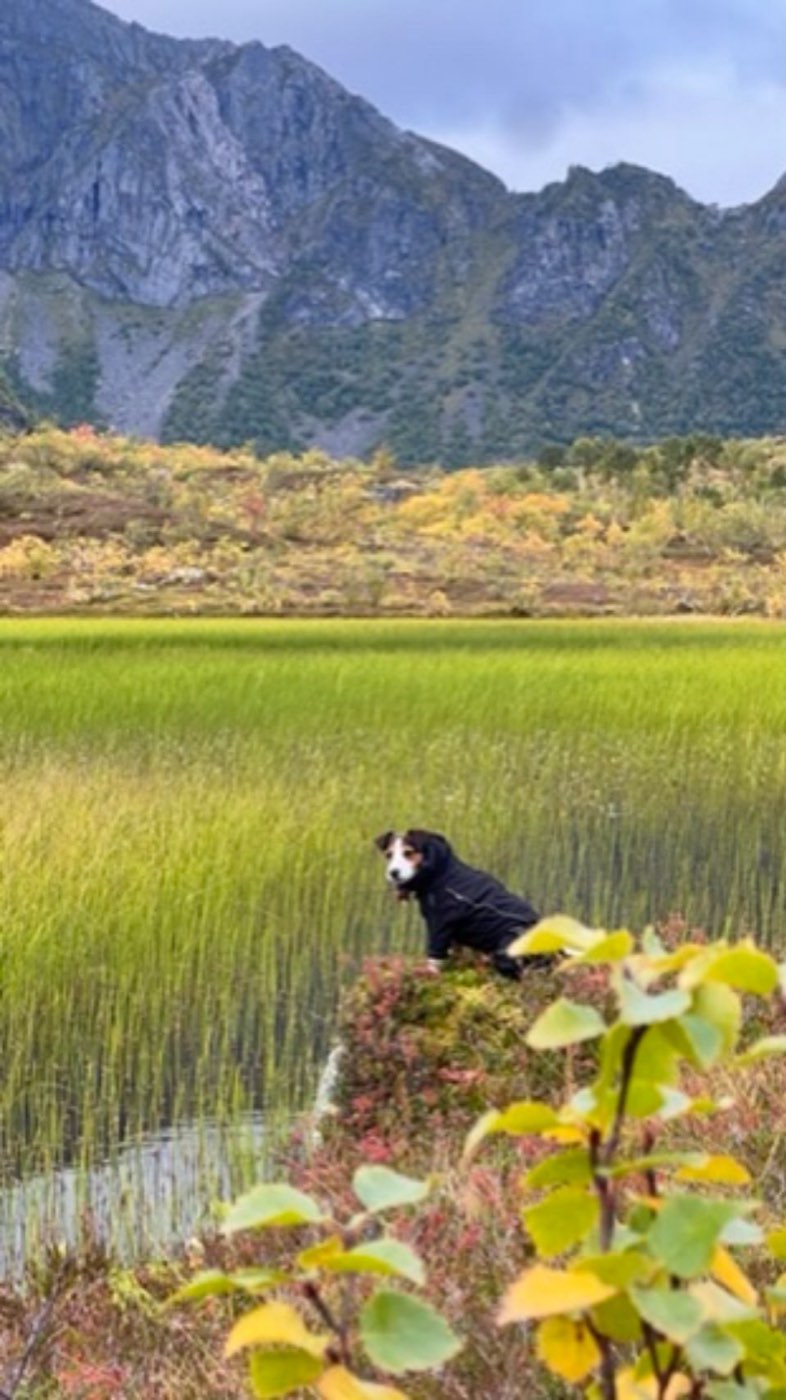 161
161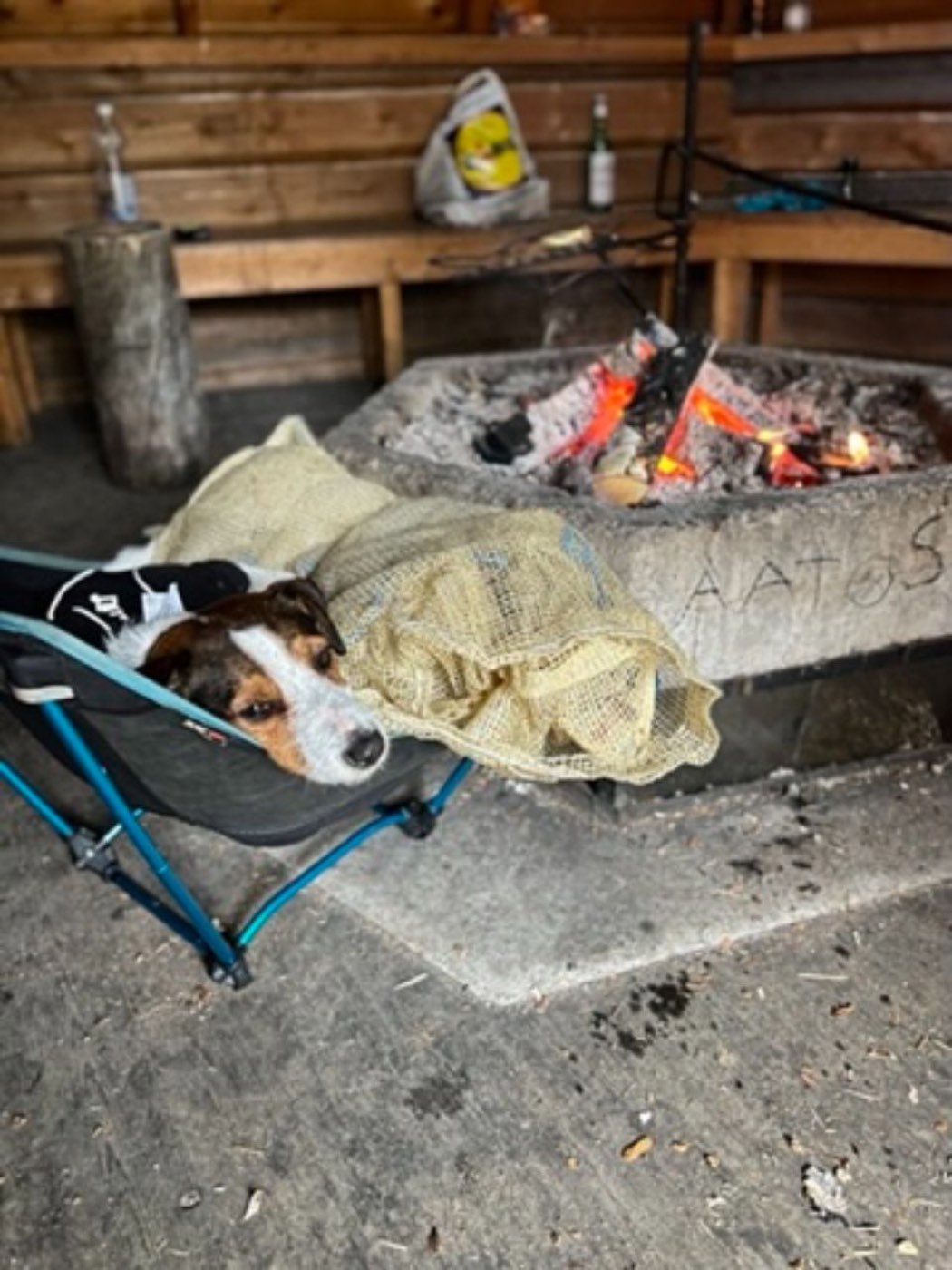 162
162 163
163 164
164 165
165 166
166 167
167 168
168 169
169 170
170 171
171 172
172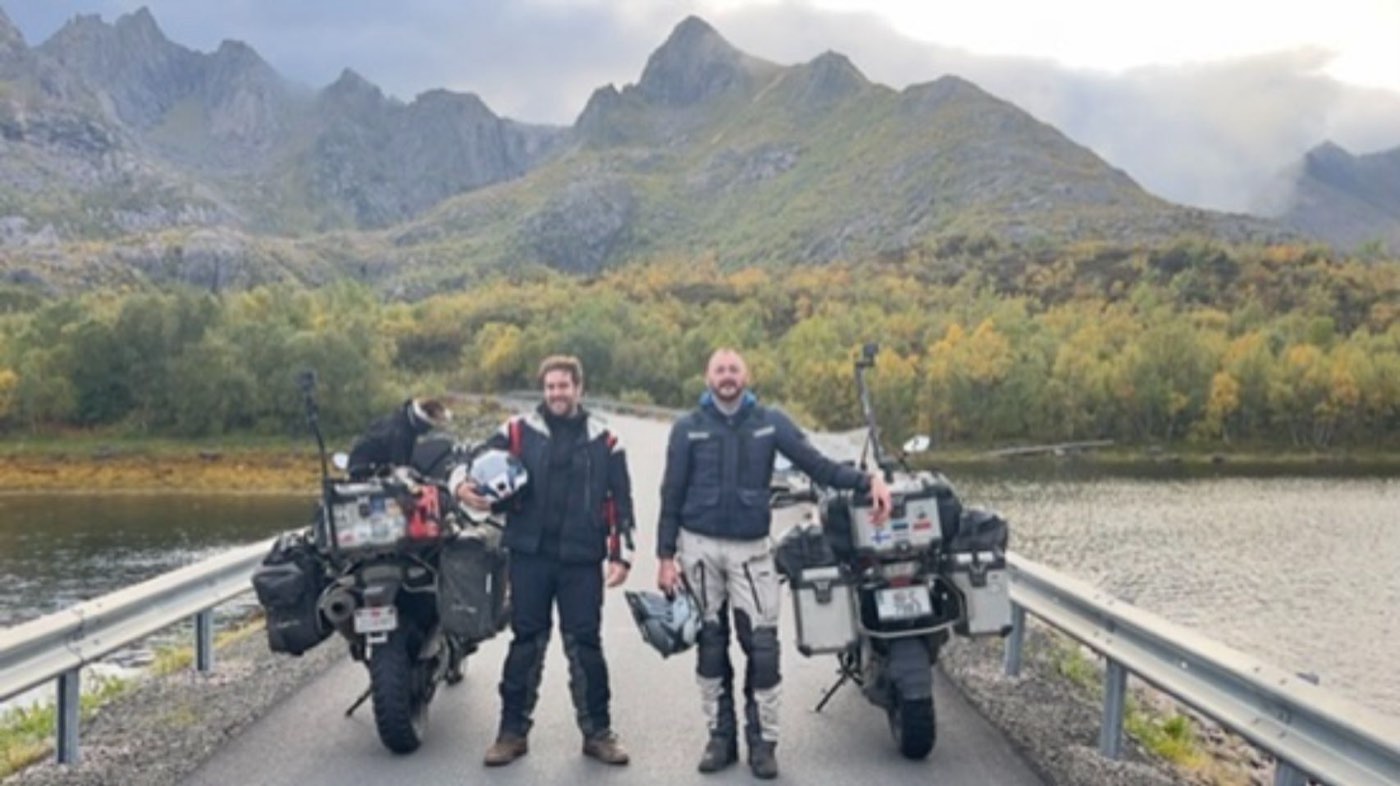 173
173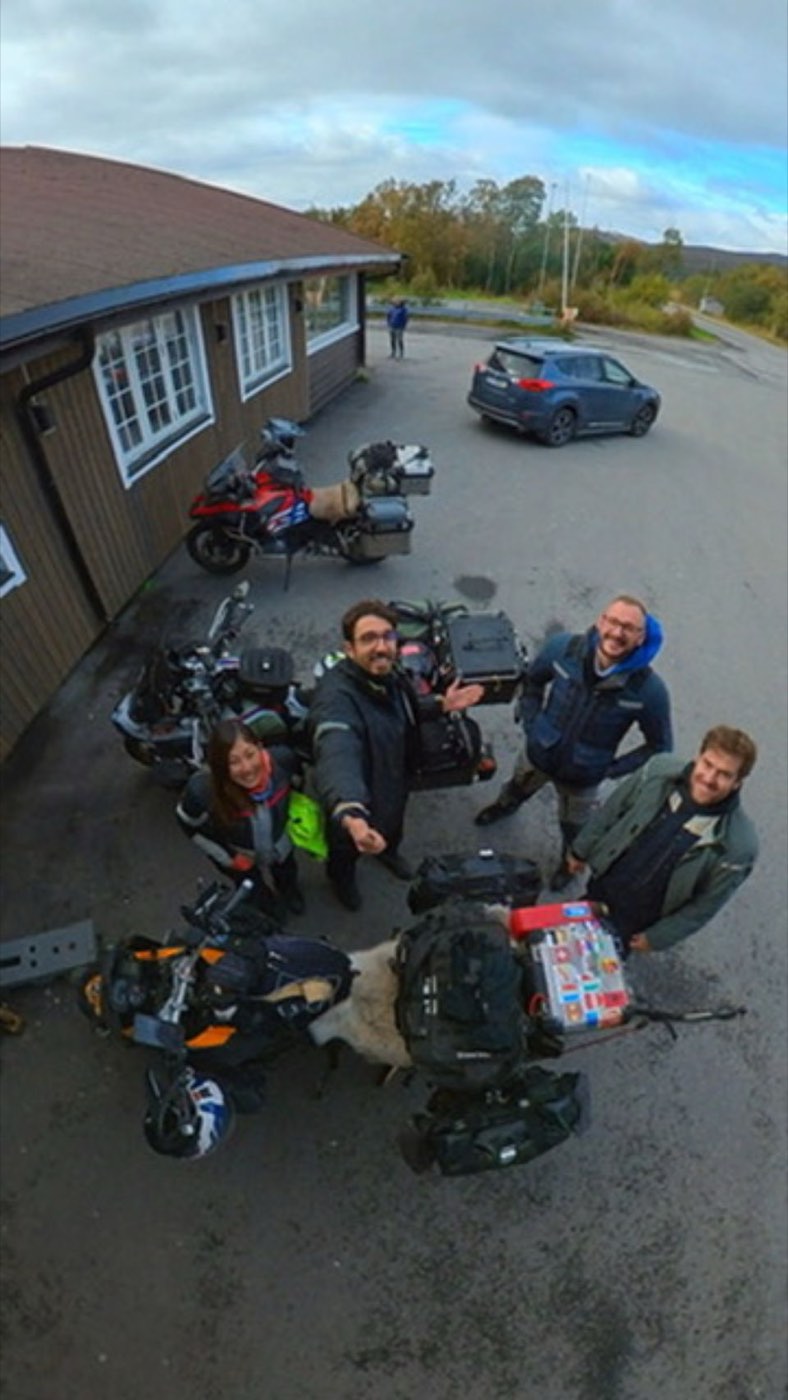 174
174 175
175 176
176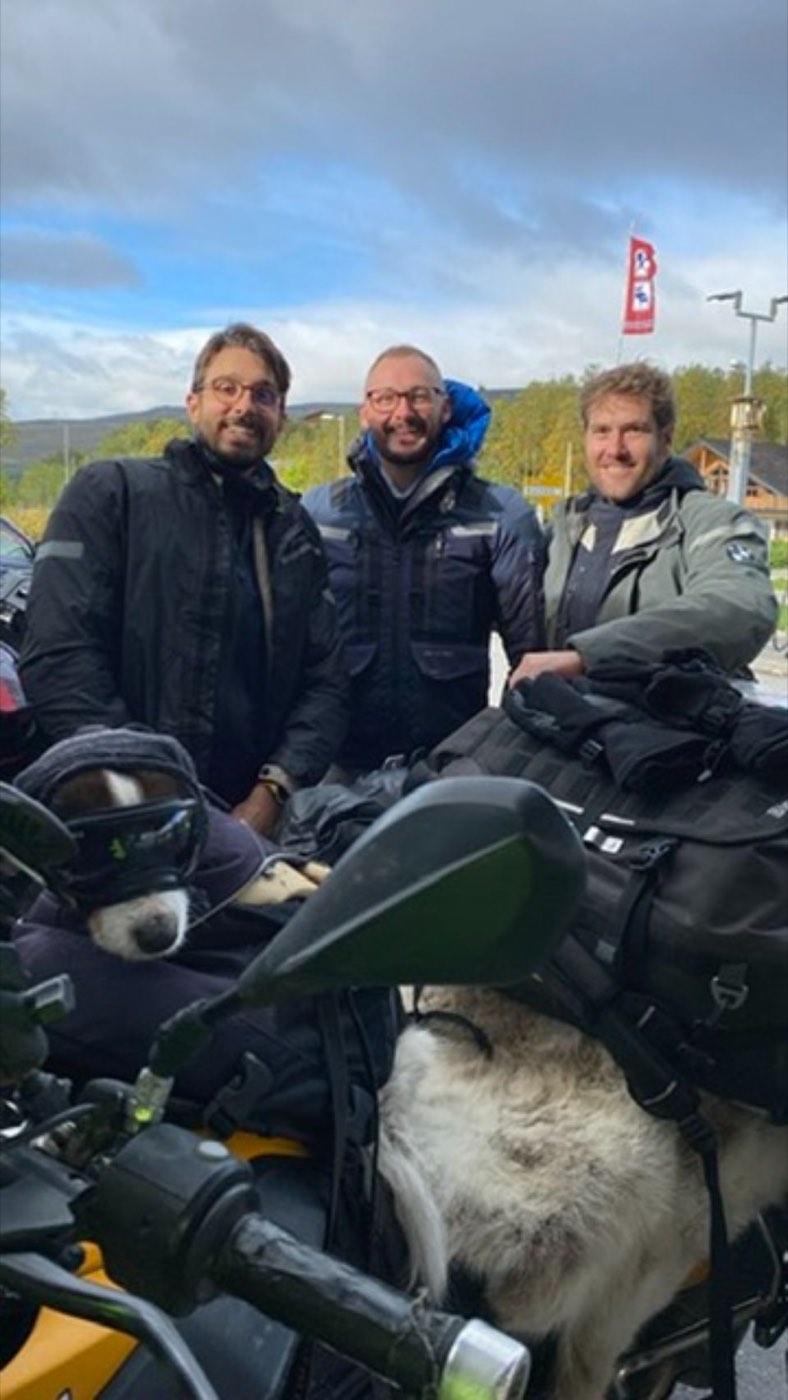 177
177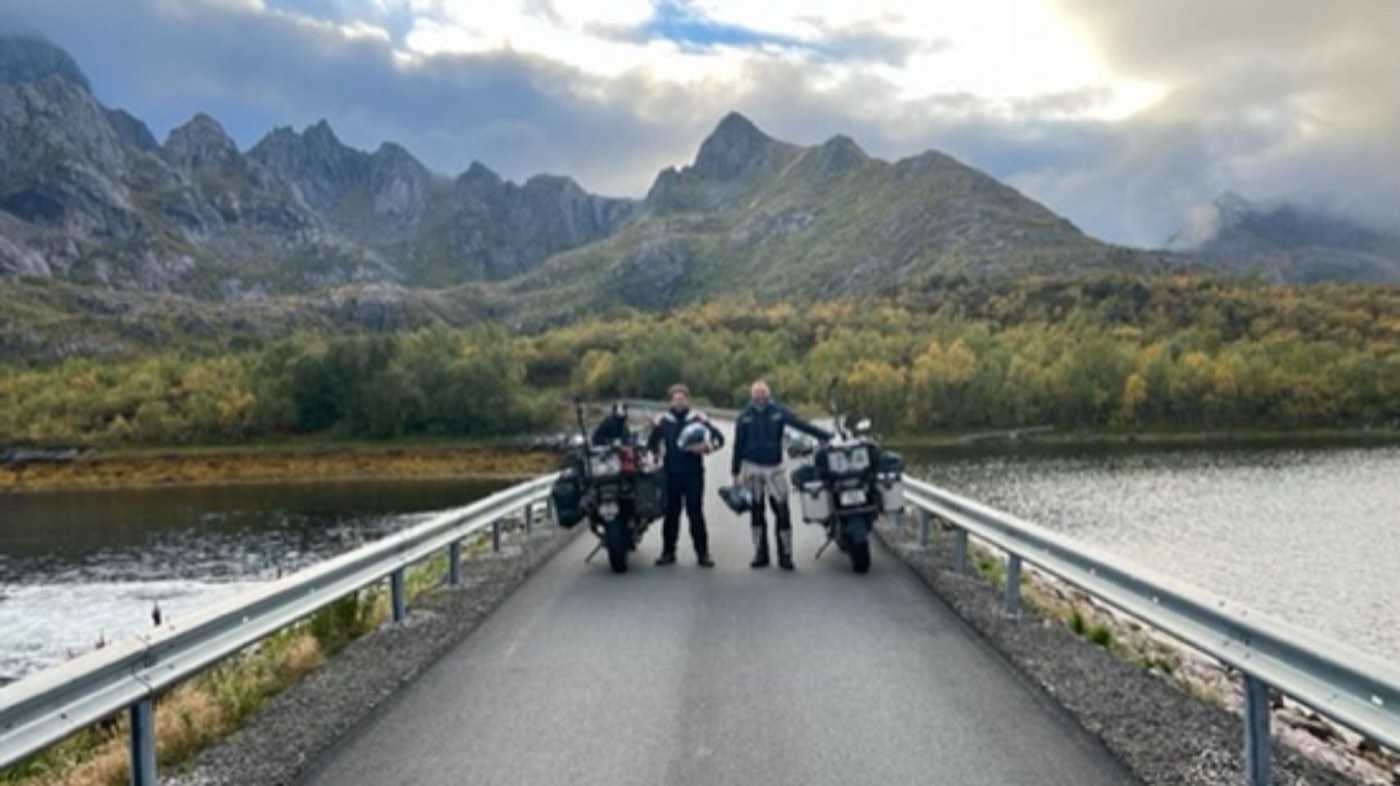 178
178