

Field note 06 The Silk Road
Everyone says do not go. Then you go.
Six days across northern Iraq in August 2025: the wreckage of Mosul, a citadel lived on for seven thousand years, a prison kept as it was found, and one invitation to tea after another.From Rodrigo's road archive
Touch or hover a marker on the route to see what is there.
The Silk Road
Everyone says do not go. Then you go.
Six days across northern Iraq in August 2025: the wreckage of Mosul, a citadel lived on for seven thousand years, a prison kept as it was found, and one invitation to tea after another.
- 1 weekAcross northern Iraq
- 8Stops on the route
- 2025The year
Six days across northern Iraq in August 2025: the wreckage of Mosul, a citadel lived on for seven thousand years, a prison kept as it was found, and one invitation to tea after another.
The country everyone warns you about.
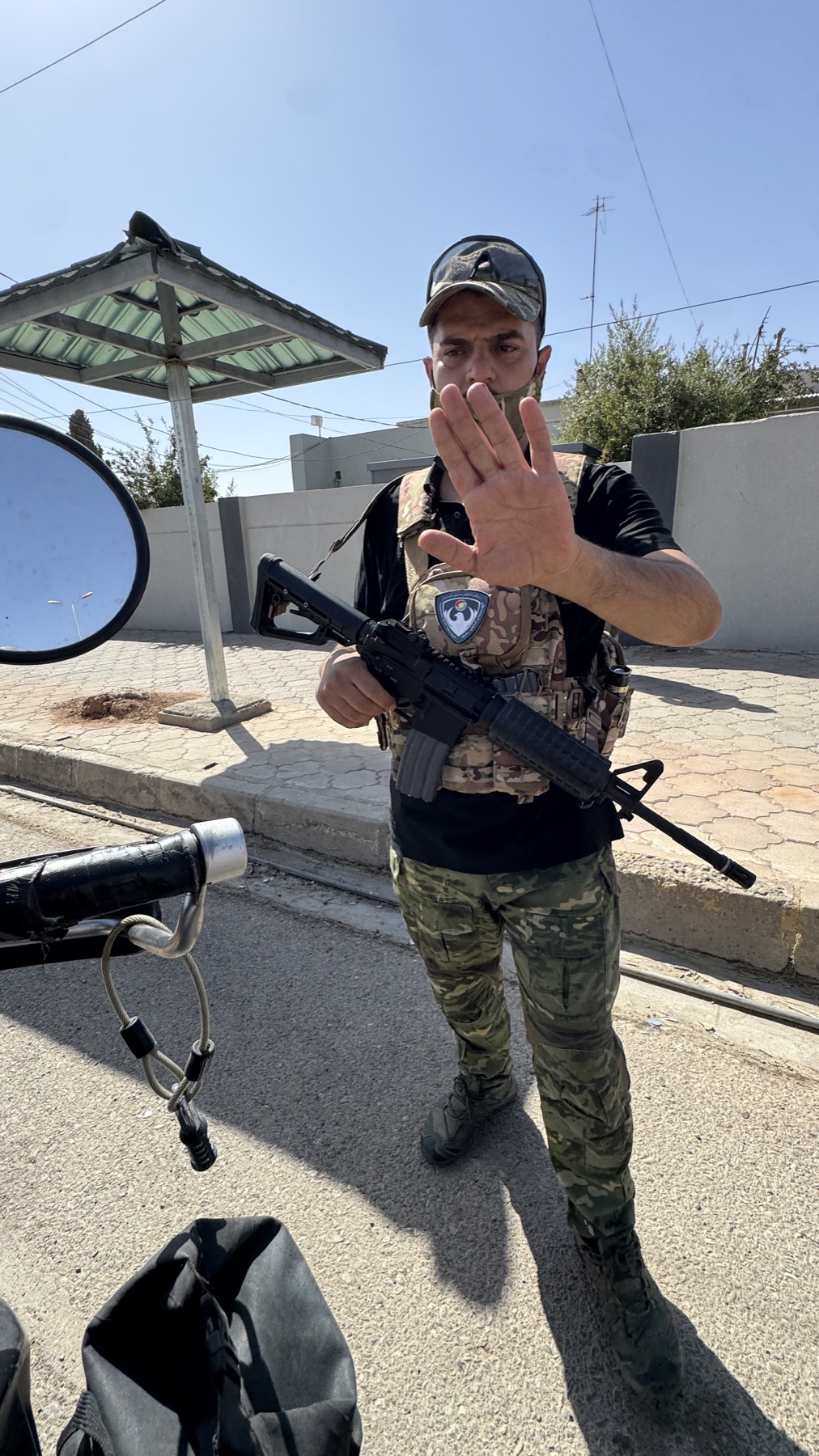
Say Iraq and people picture one thing. The road in from Turkey at Zakho leads to another: the Kurdistan Region, self governed since 1991, with its own parliament, its own security forces and its own flag flying over the checkpoints.
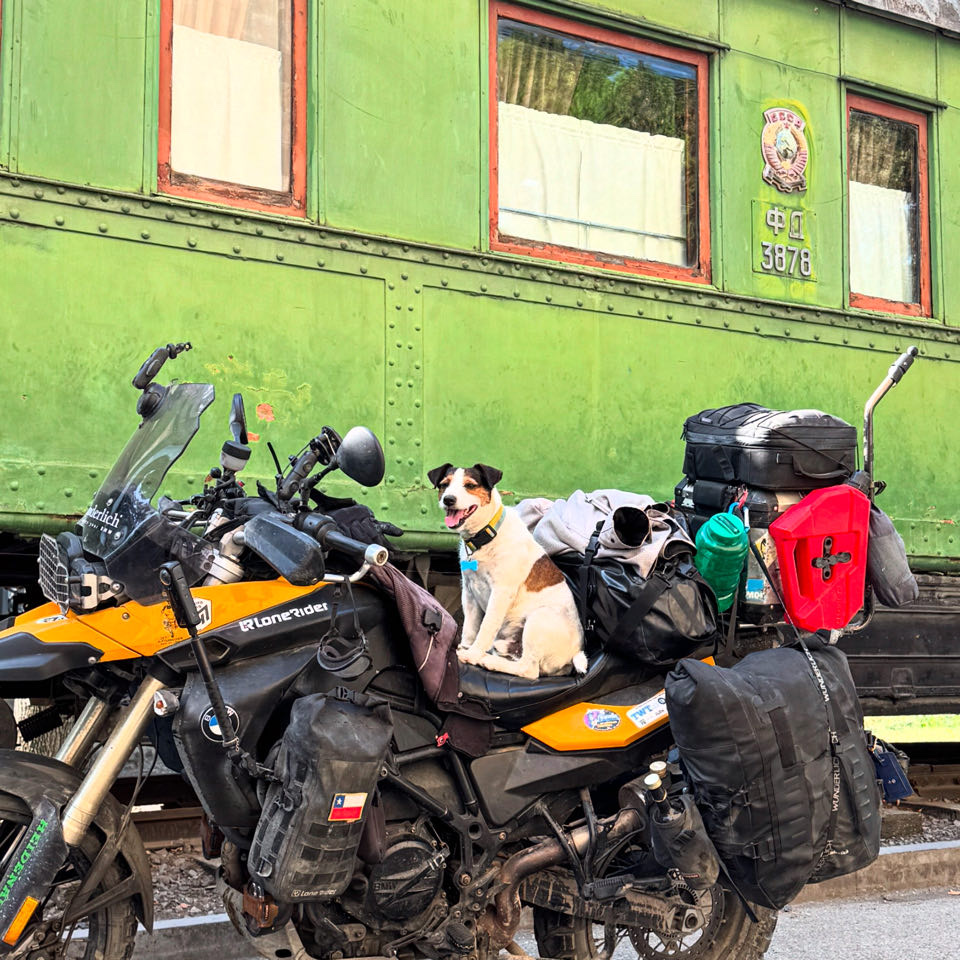
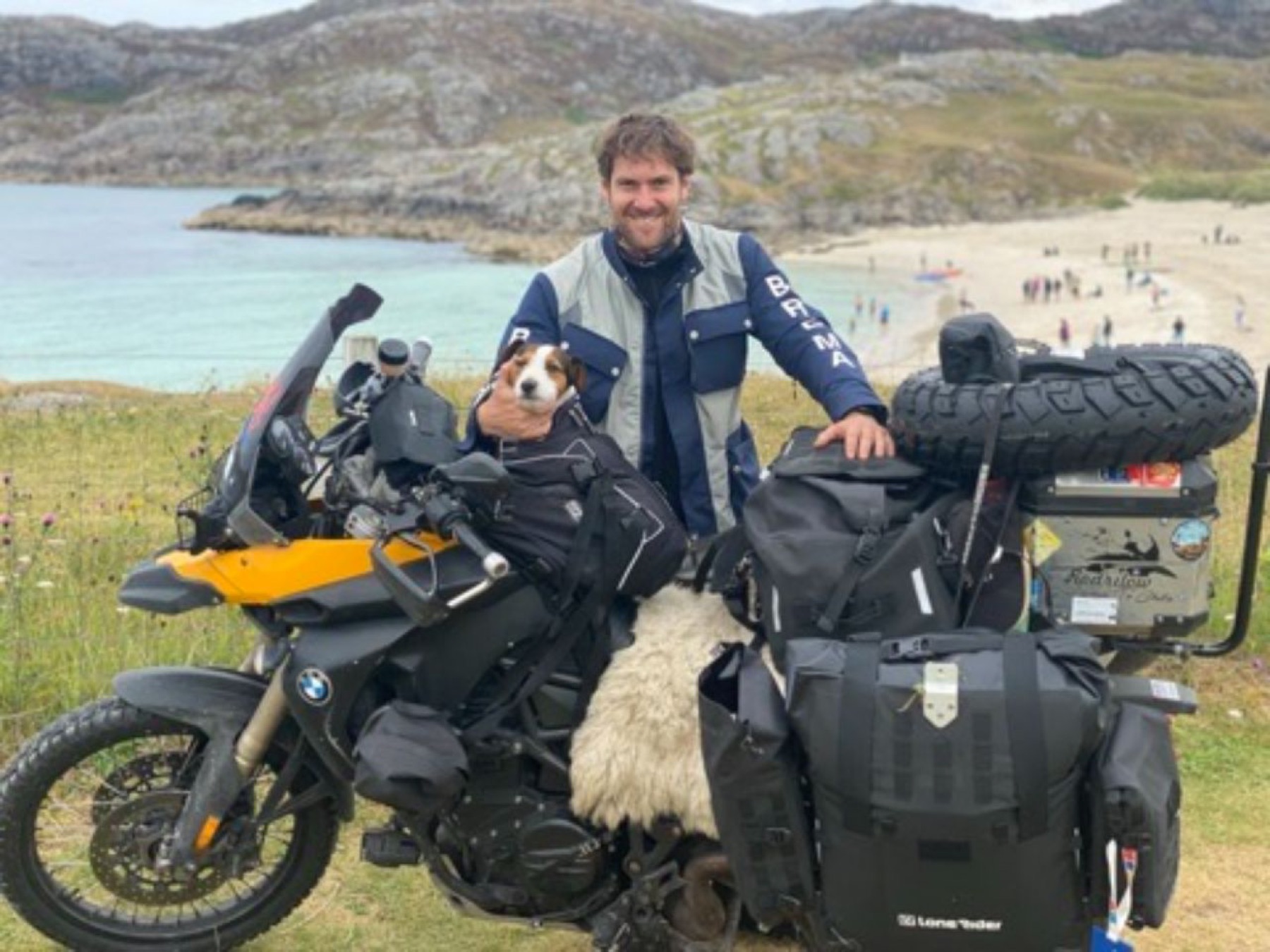
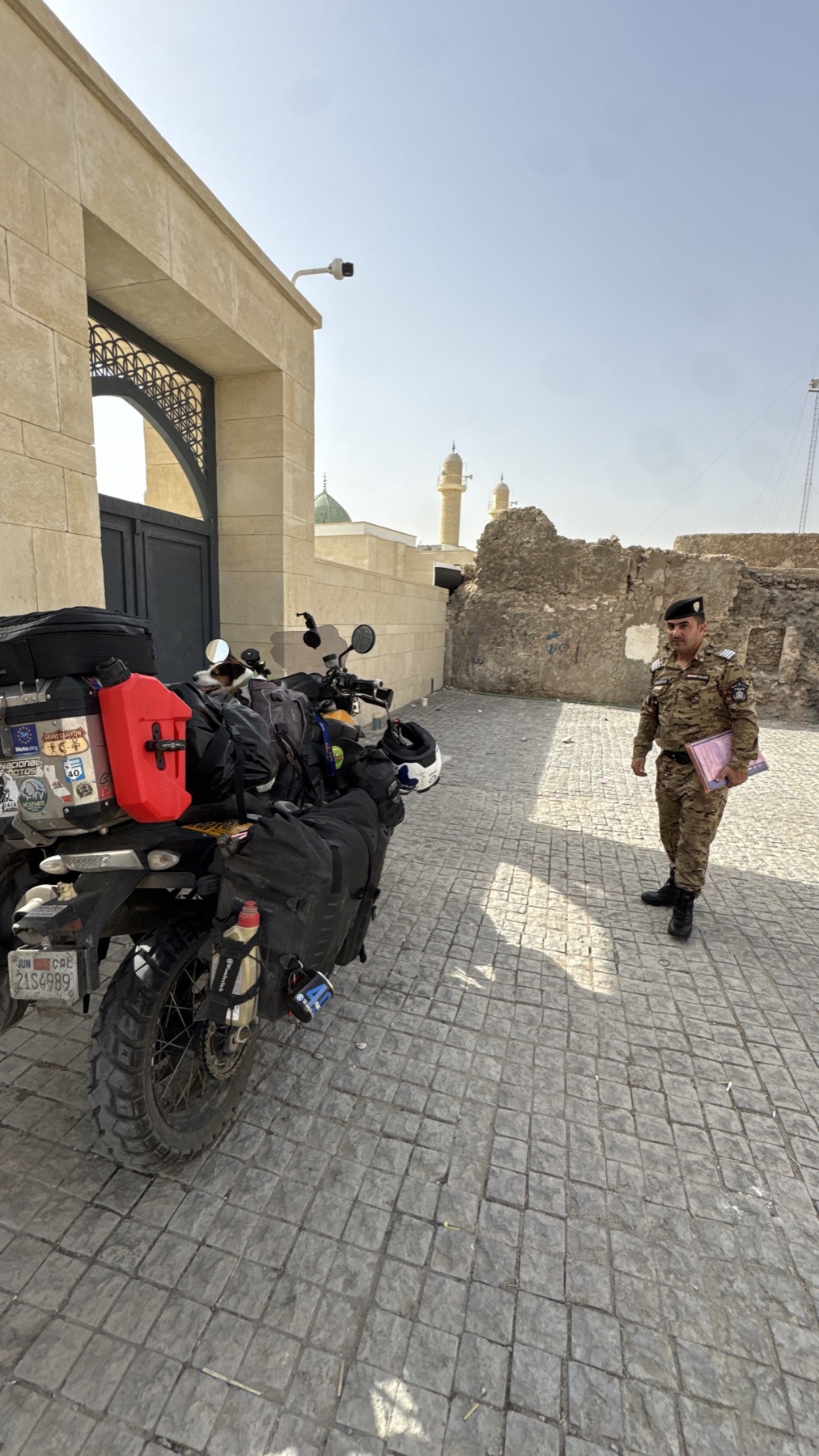
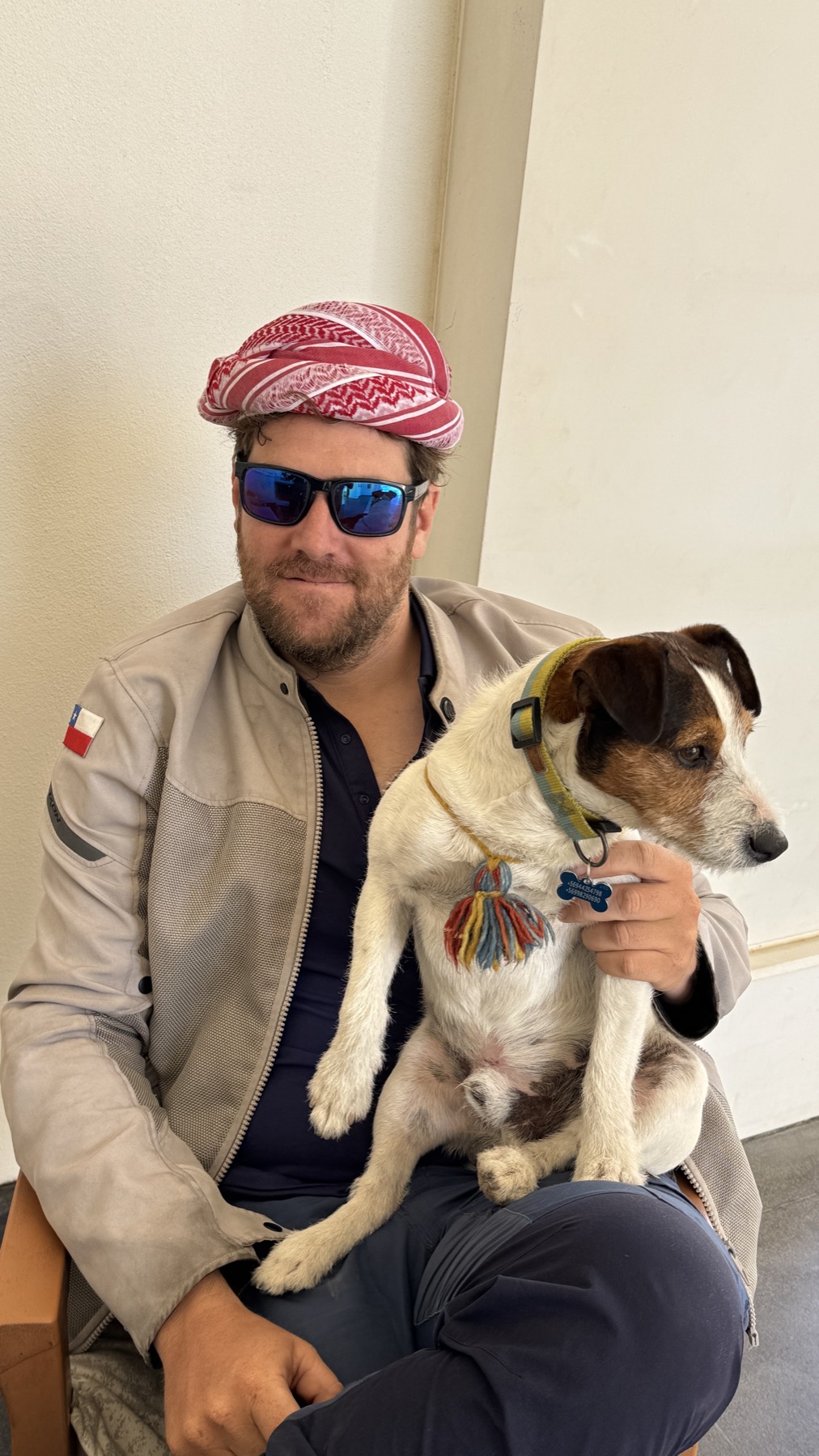
The paperwork takes a while and the checkpoints are frequent. What is on the other side of them is a mountain country of orchards, gorges and towns built on rock, where nobody can quite believe a Chilean has arrived on a motorcycle with a dog.
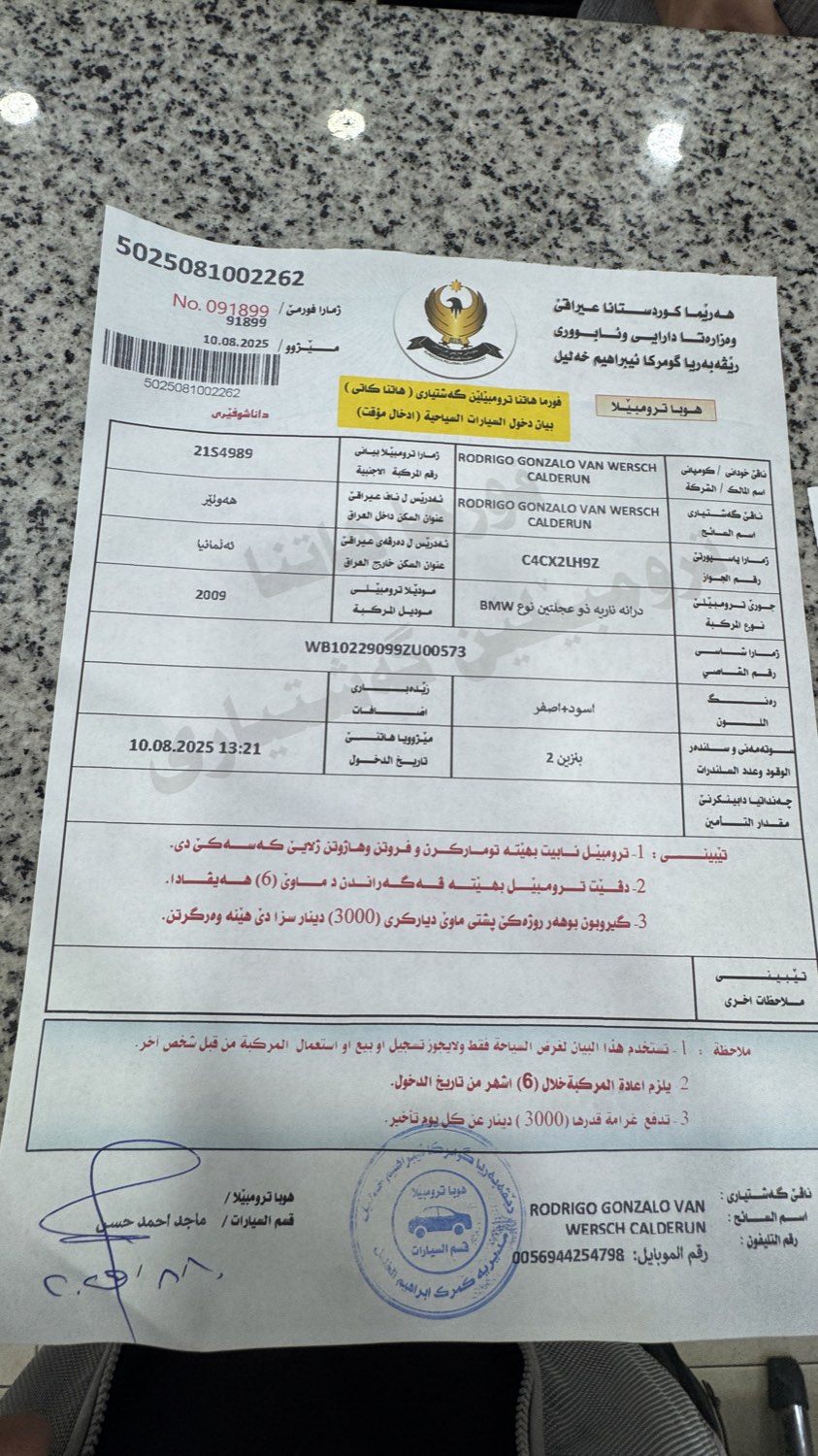
Crossing out of Turkey took no questions at all. Crossing in was a wall of heat. The visa is done at the border and costs seventy five euros, which I could pay by card, and then at the very end came another thirty five dollars in cash that I did not have. No working card, no notes, no way through.
A man with Swiss plates and an Iraqi face, driving a black car, saw the look on my face. He did not know me. His passenger had a hundred dollar note, they went and changed it, and they paid the thirty five for me and would not take anything back. That was the first hour in the country, and it set the tone for the rest of it.
What the road kept
A country is not its headlines.
Northern Iraq carries damage that is impossible to look away from and a welcome that is impossible to explain to anyone who has not been. Both are true at once. That is the reason to ride it slowly, with your own eyes.A city still standing in its own rubble.
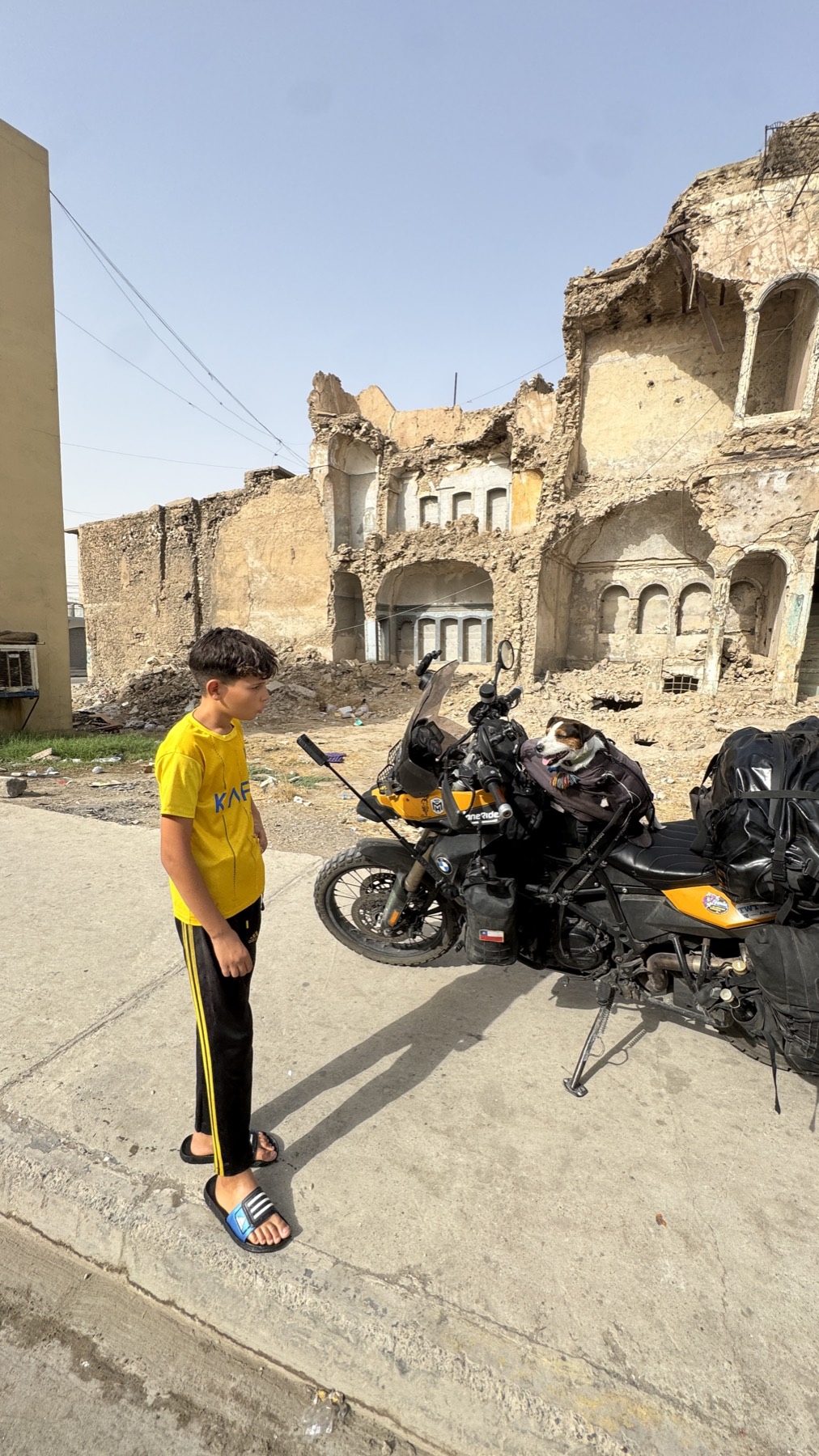
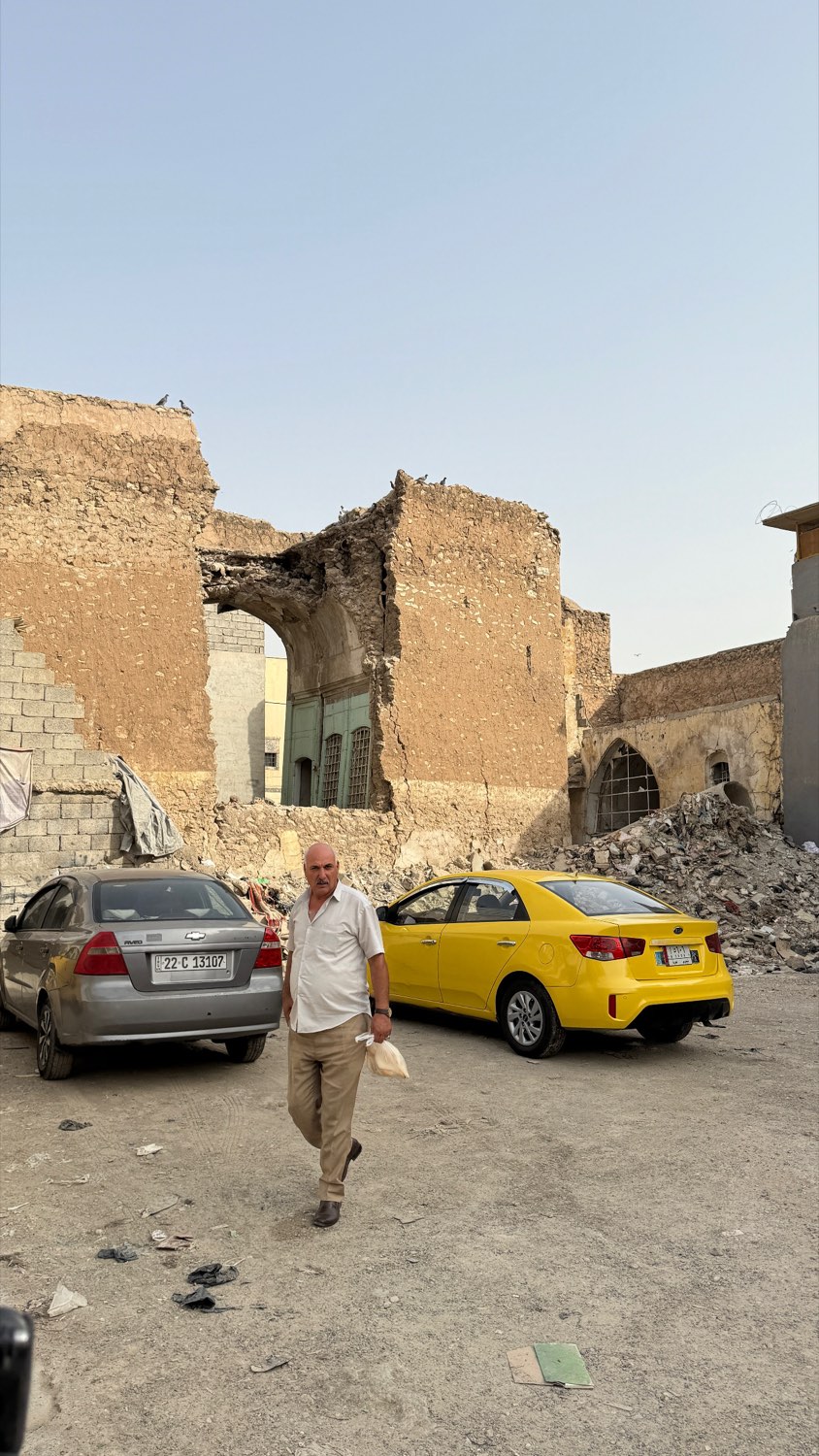
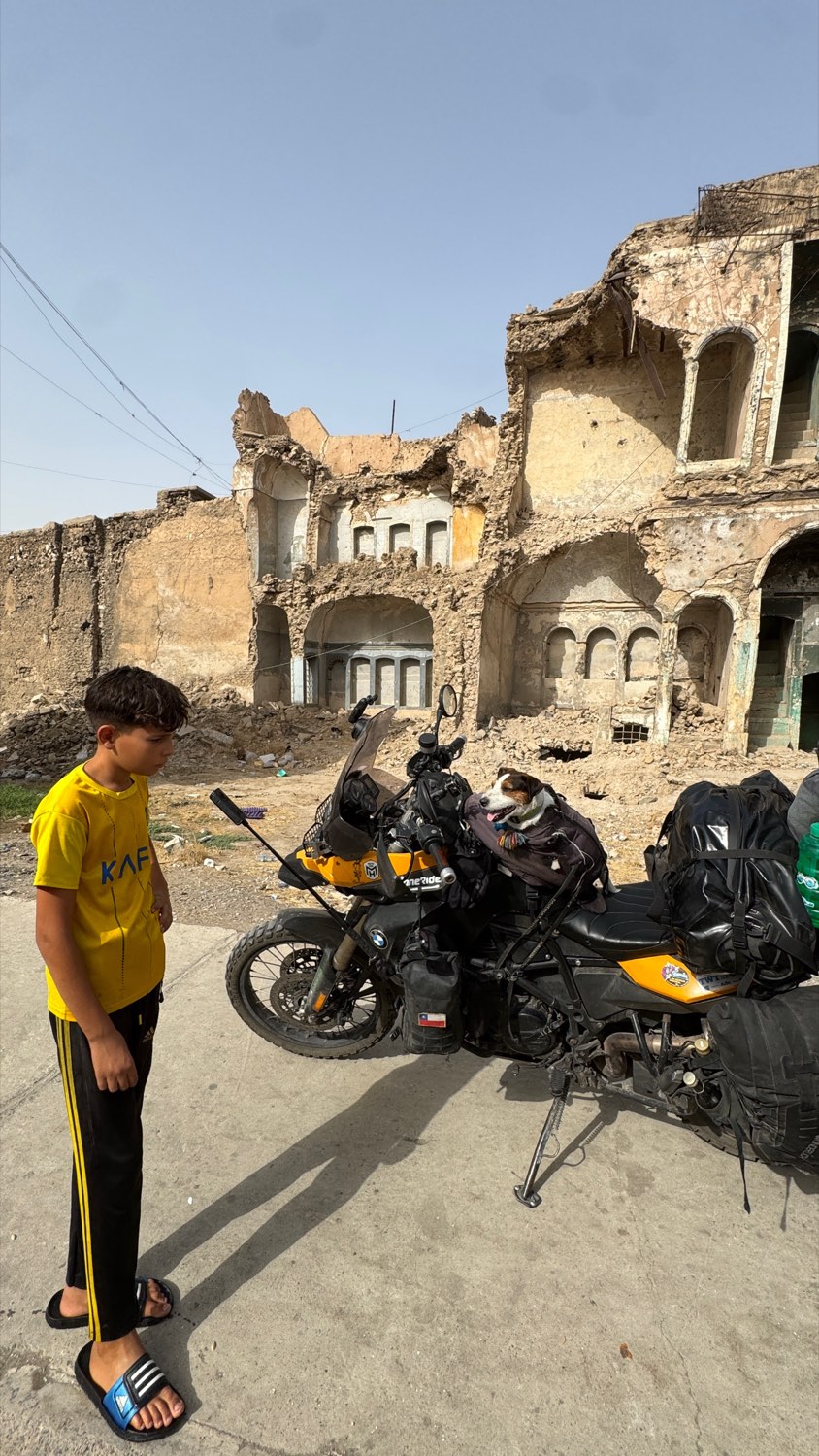
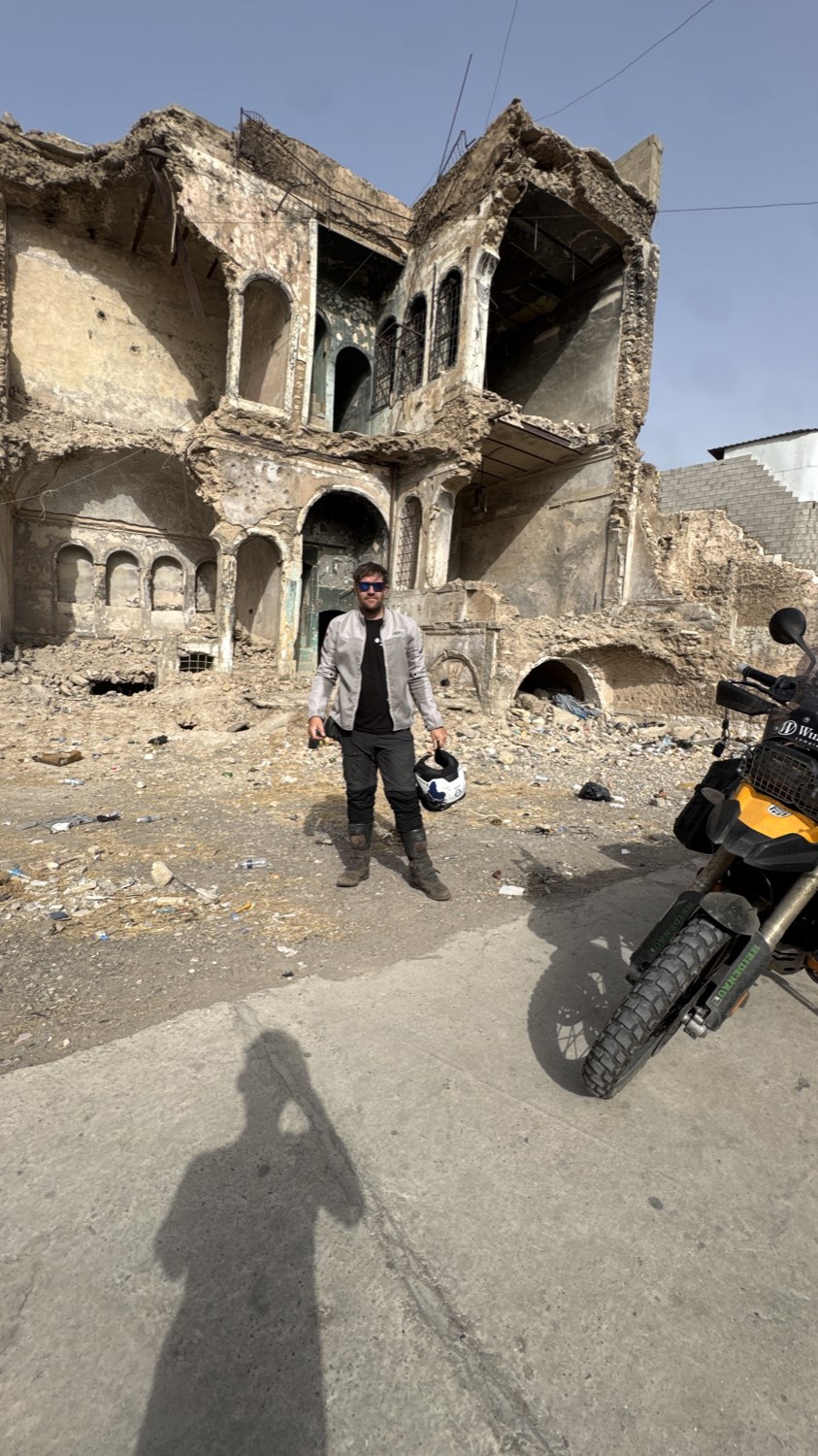
Mosul sits on the Tigris, two hours south west of Erbil. Its old town was taken by the Islamic State in 2014 and retaken street by street in 2016 and 2017, and whole blocks of it are still exactly as that left them: floors hanging, staircases open to the sky.
People live in it. Shops trade under buildings with their fronts torn off, traffic moves through streets half filled with rubble, and the leaning minaret that was the city's emblem is being rebuilt stone by stone. It is not a ruin anyone visits. It is a city getting on with it.
By ten in the morning it was 42 degrees, by eleven 44, and the middle of the day would go higher again. In August this part of Iraq passes 50. The only humane hours to ride are between five and ten, so that is when I rode.
On a roundabout near the old town stands a luxury hotel behind high walls, with armed soldiers at every corner and a spiked plate that sinks into the road to let you in. Inside it is cold marble and silence and diplomats. I sat there filthy, in dusty boots, drinking a six euro cappuccino that cost more than my food for the day, a few hundred metres from women walking their children home through streets that are still rubble.
Baghdad was four hours south, and Hatra out in the desert, and beyond them Babylon and the Sumerian cities. I wanted all of it. But the thermometer said 44 before noon, and Jacko was panting on the back and depending entirely on what I decided. I turned north instead. The right call is not always the impressive one.
Leaving Mosul I realised the reserve light was on, with nothing but flat dry country ahead. I stopped and mimed pumping fuel at a group of men by the road until one of them understood and pointed on. What I found was a patch of bare earth with a rusted hand pump, and a man dressed head to foot in white working the lever by hand, like 1920. It was 89 octane. The engine complained about it for the next hour, and I did not care.
Seven thousand years on the same hill.
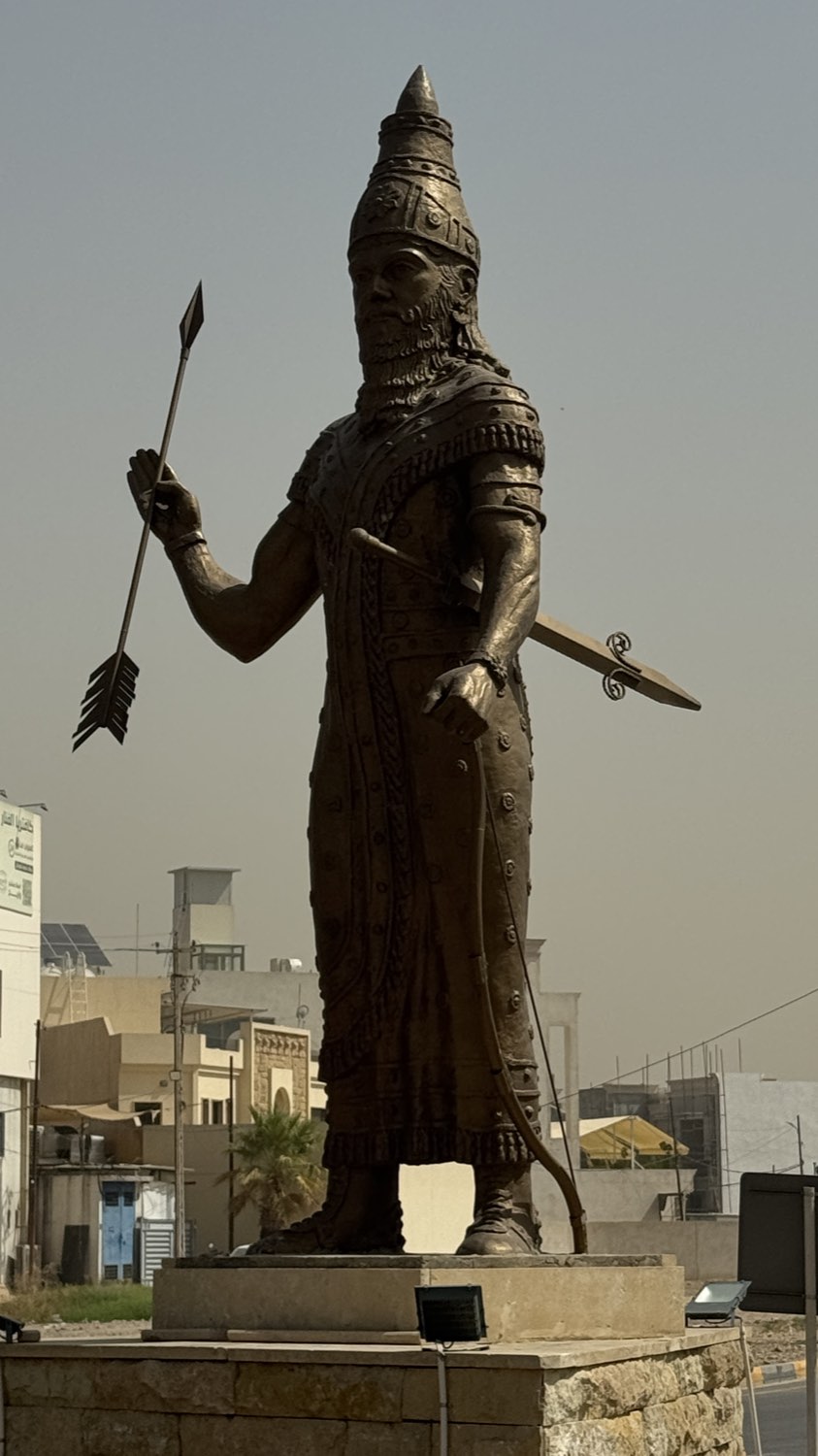
Erbil is one of the oldest continuously inhabited places on earth. The citadel is not a monument beside the city, it is the mound the city grew on, occupied layer over layer since before writing, and now a UNESCO World Heritage site.
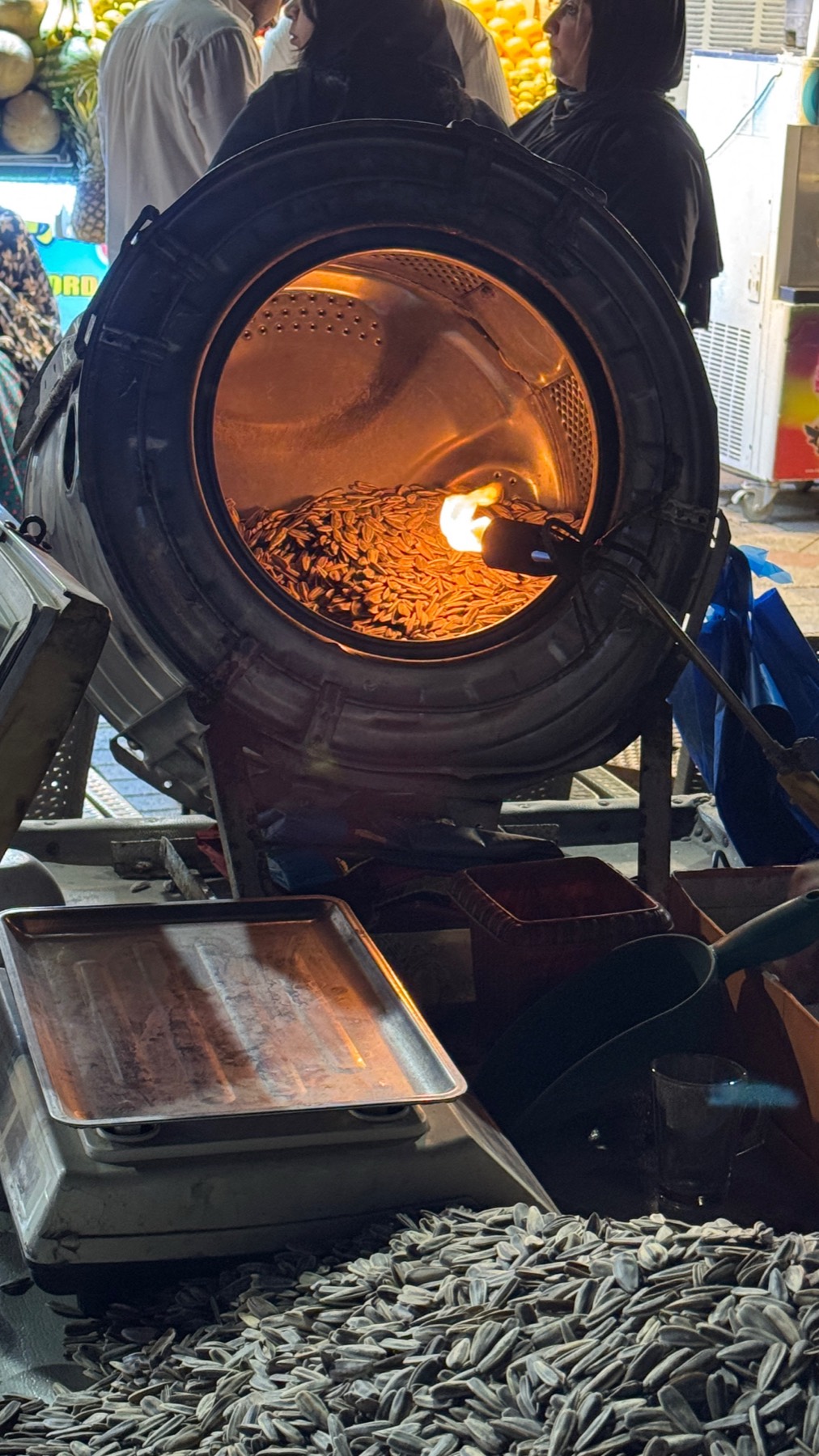
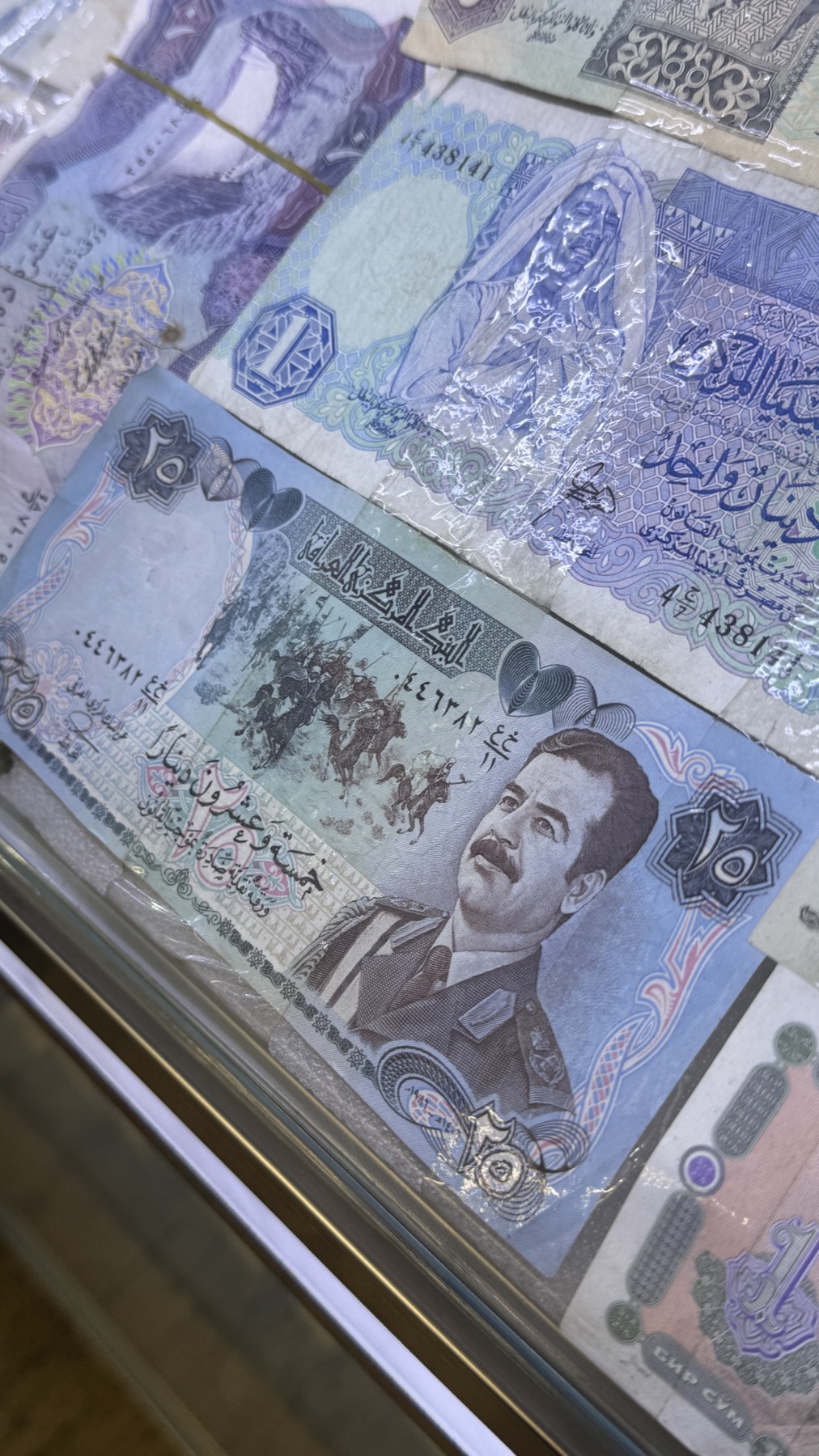
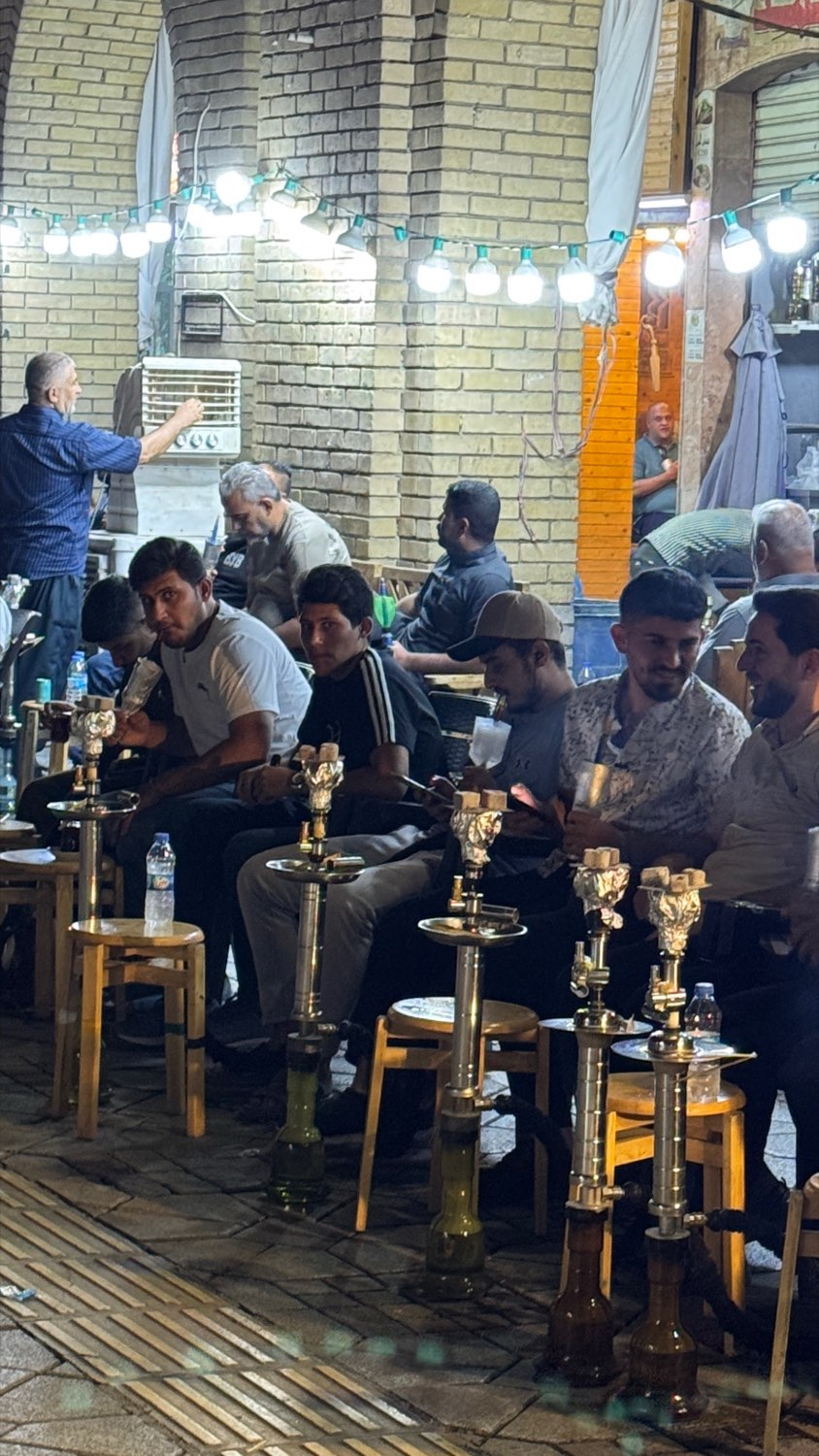
Below it the bazaar runs on tea, carpets and money changers with bricks of dinars stacked in the window. At night the fountains in the square go up and the whole city comes out to sit around them.
The building they decided not to repair.
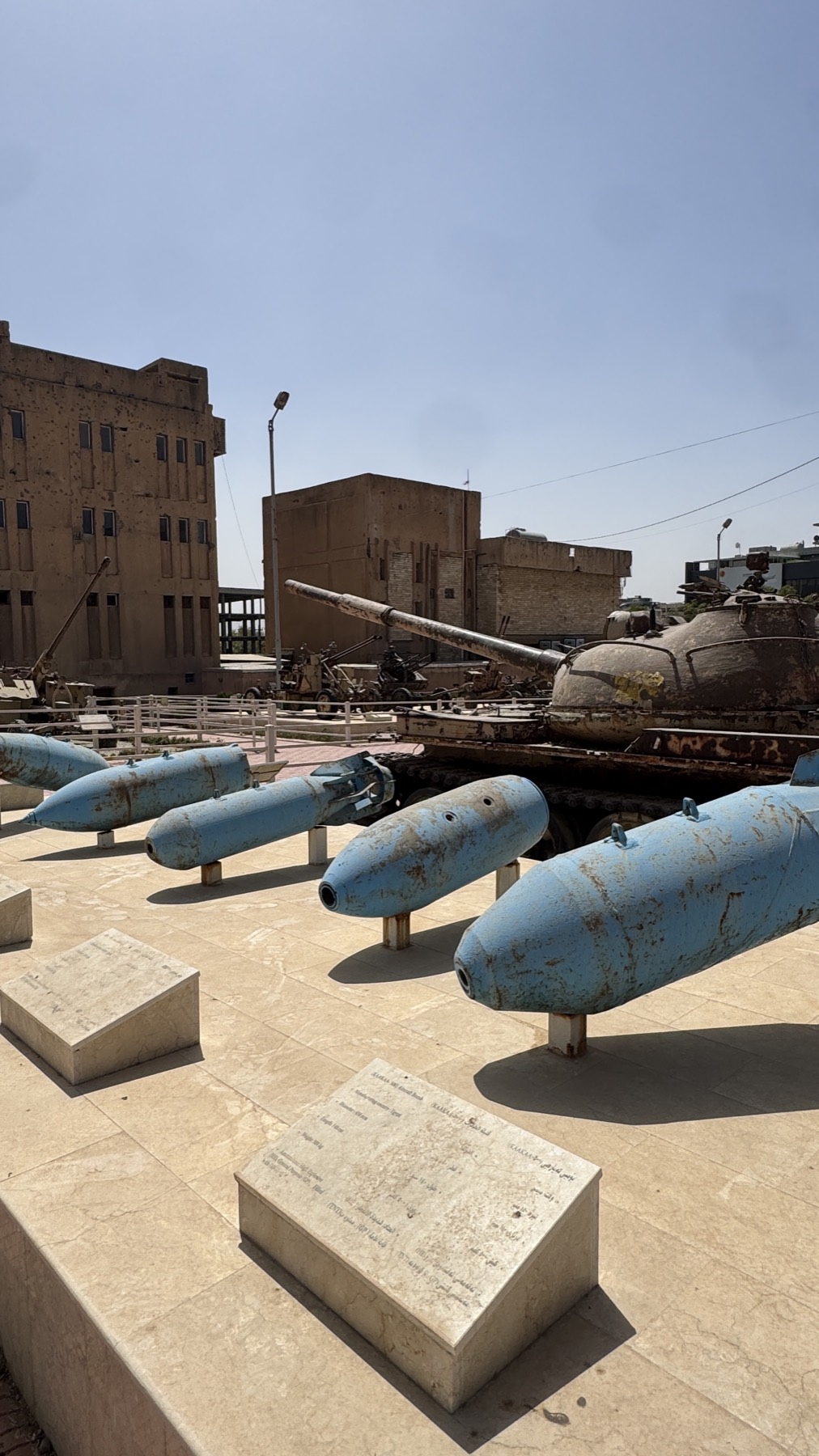
Amna Suraka, the Red Security building, was the regime's headquarters in Sulaymaniyah. After 1991 the Kurds kept it exactly as they found it: the shelled walls, the cell blocks, the corridors.
The tanks that shelled it are parked in the yard. Inside, one hall is lined with mirror fragments, one for each person killed in the Anfal campaign of the late 1980s. It is the hardest hour of the whole crossing and the one that explains the most.
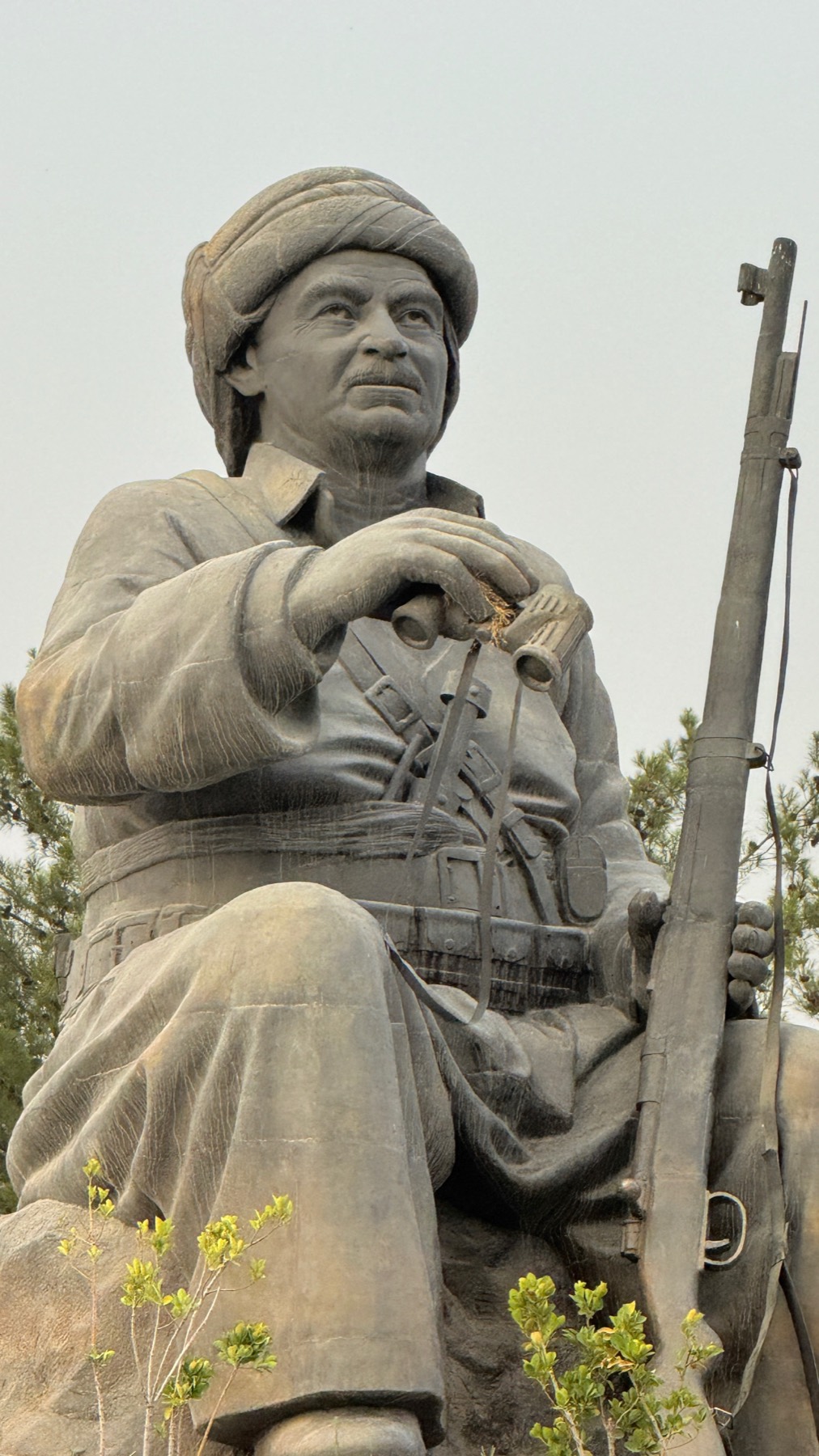
Then the road turns north and climbs.
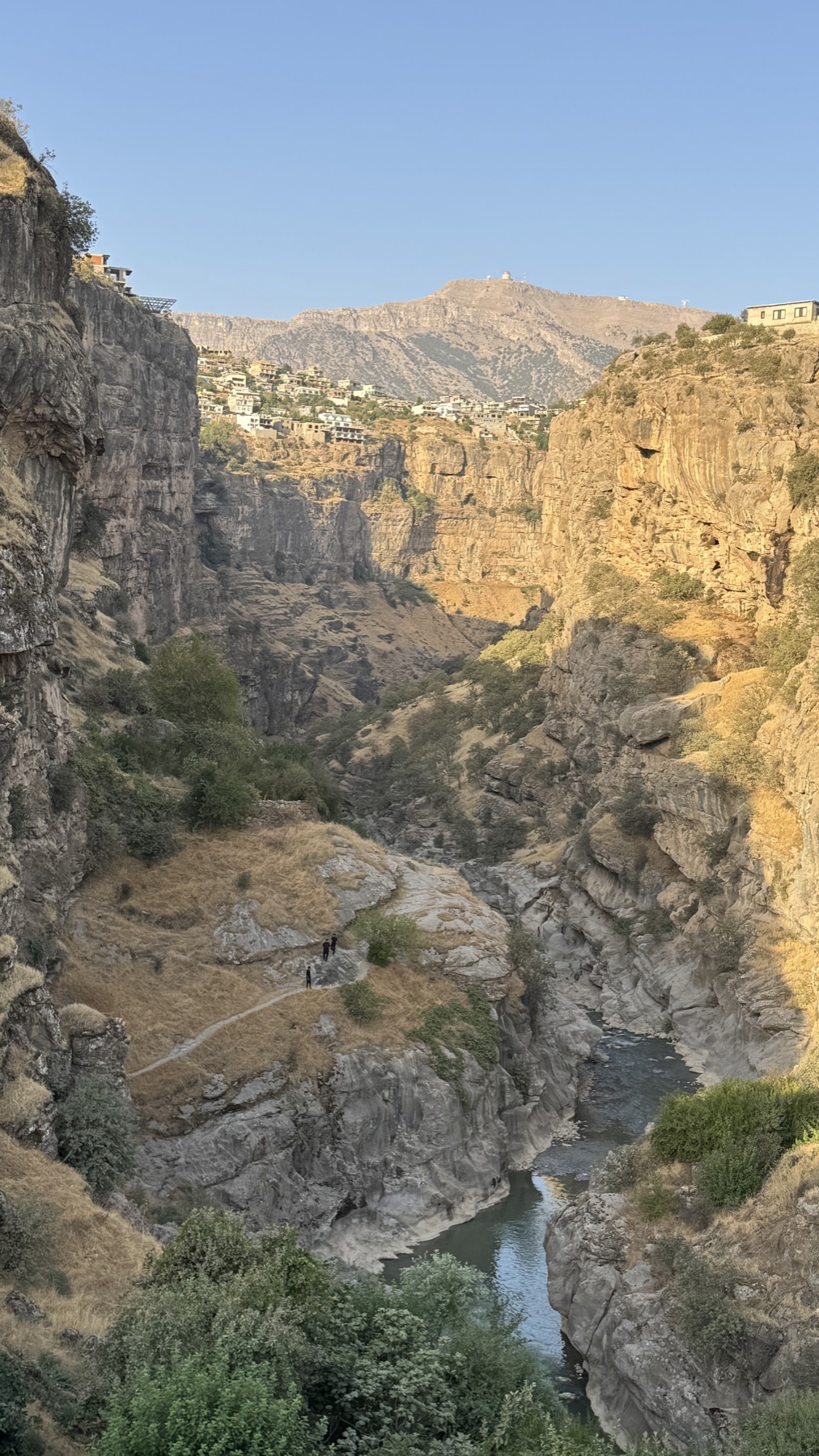
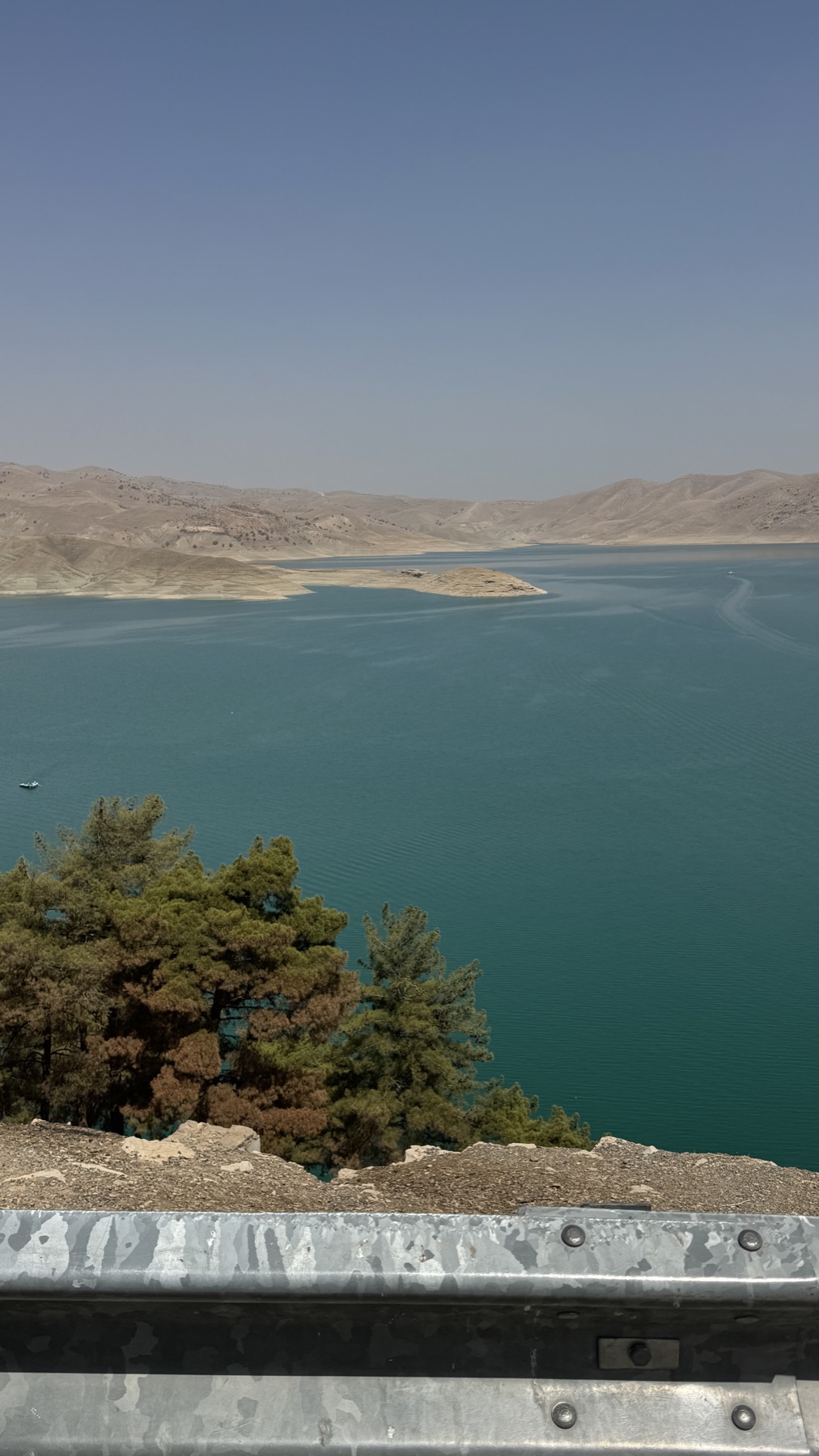
North east of Erbil the ground rises fast. The road to Rawandiz runs into the Gali Ali Beg gorge with rock going up on both sides, past waterfalls and the reservoir at Dukan, which in August is full of families swimming.
Higher again is Amedi, a town on top of a flat mesa with one road up, lived on for around three thousand years. From up there the border country of Iraq, Turkey and Iran is all in one view.
The welcome is the whole story.
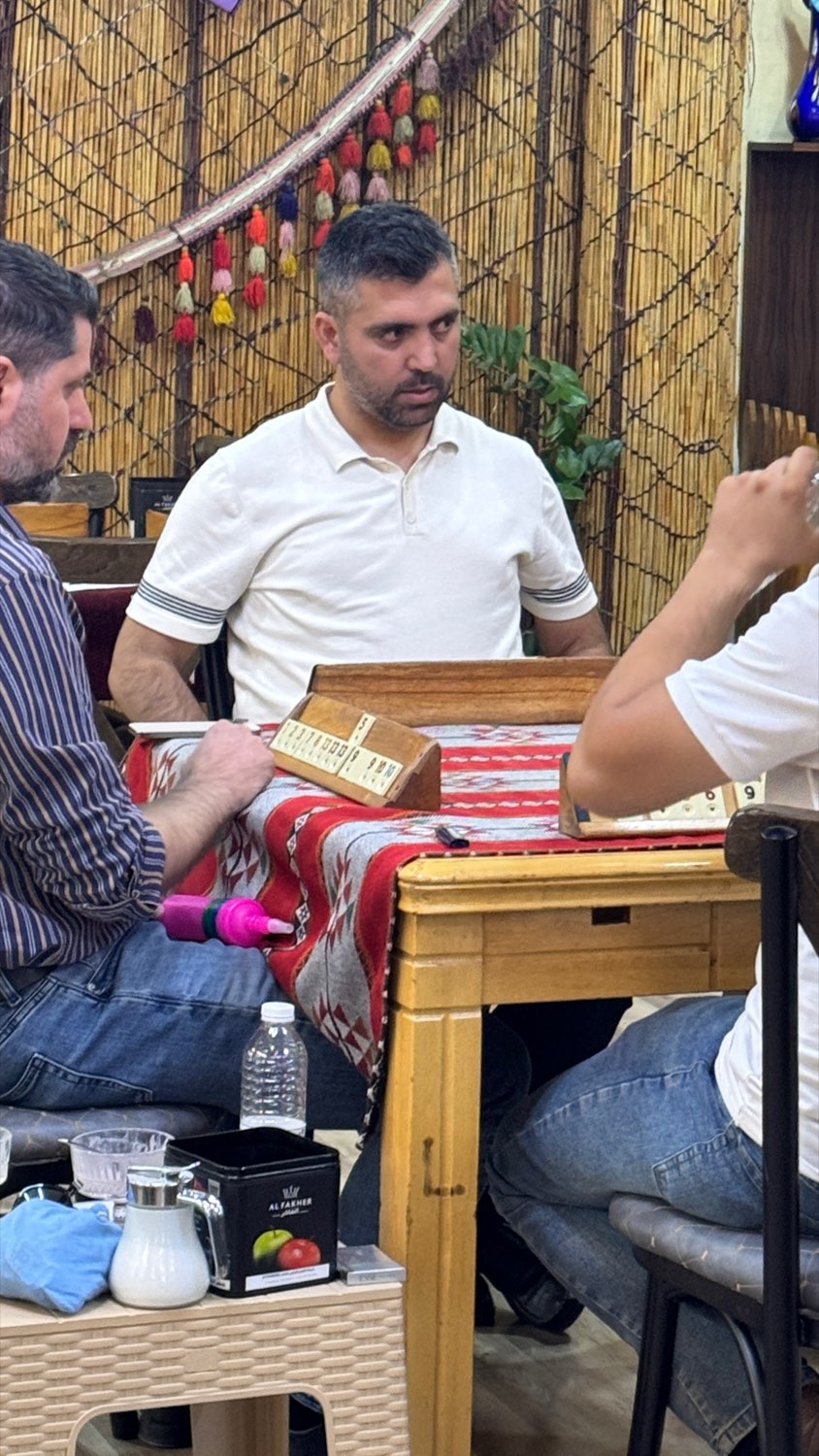
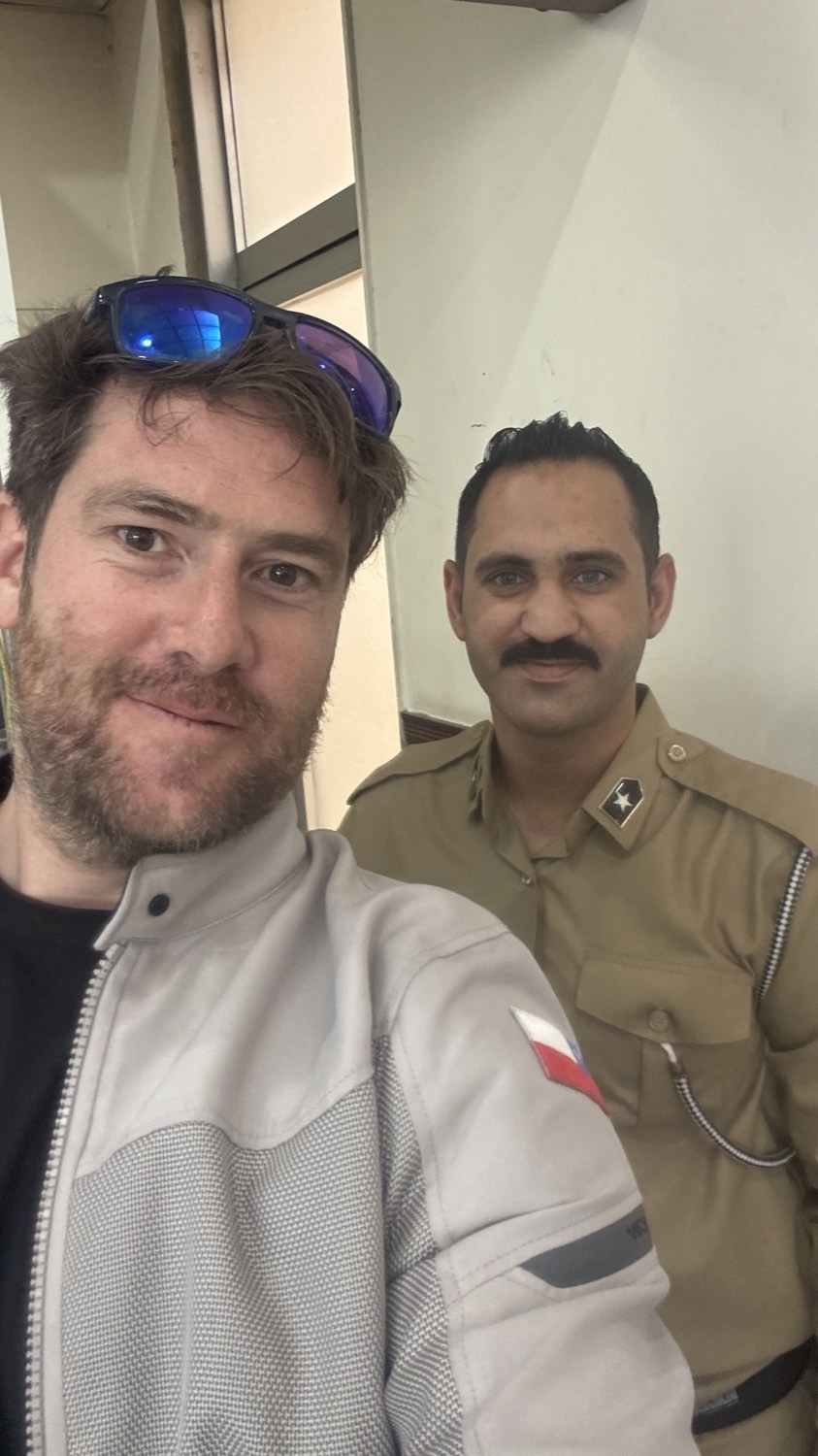
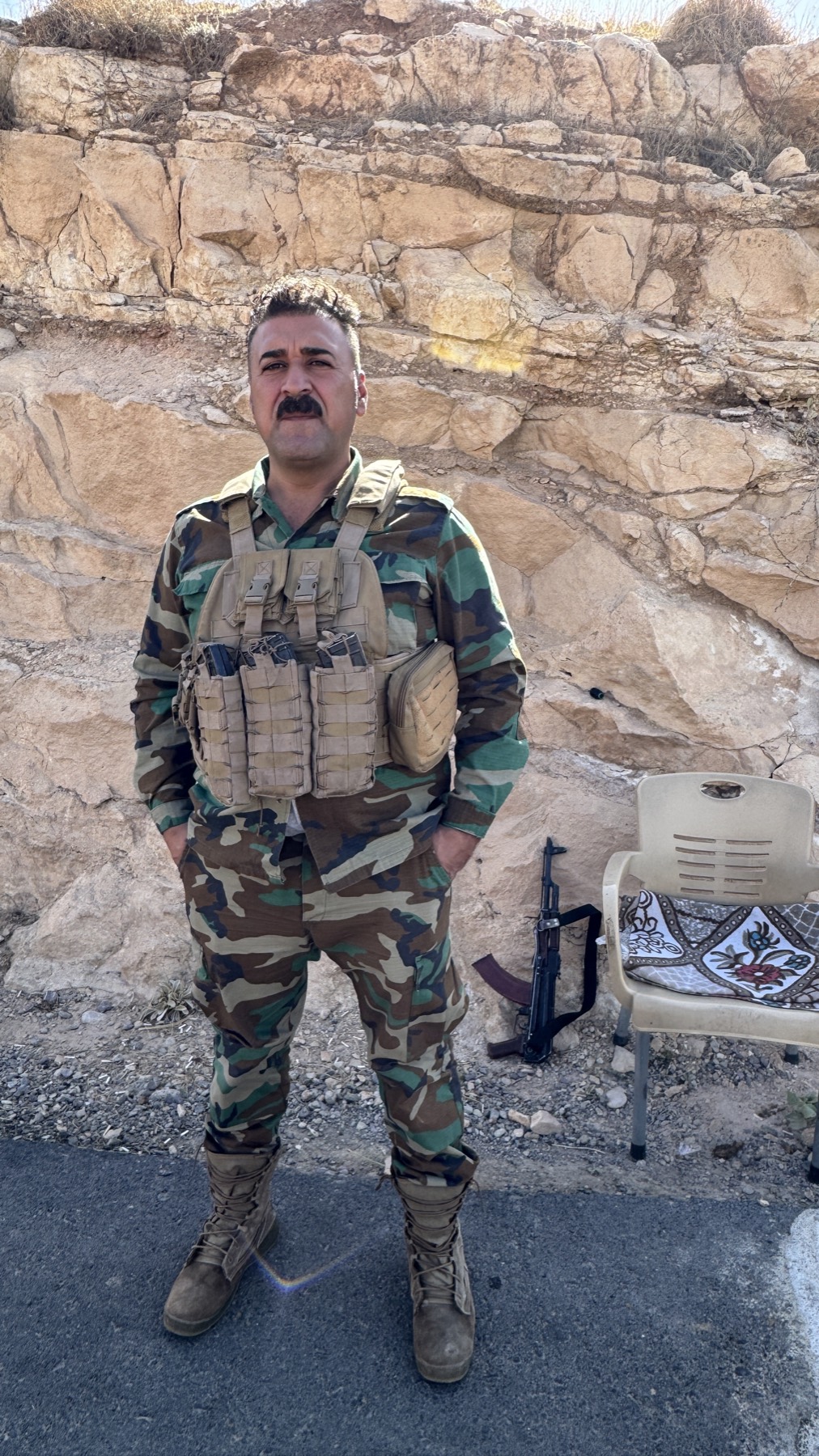
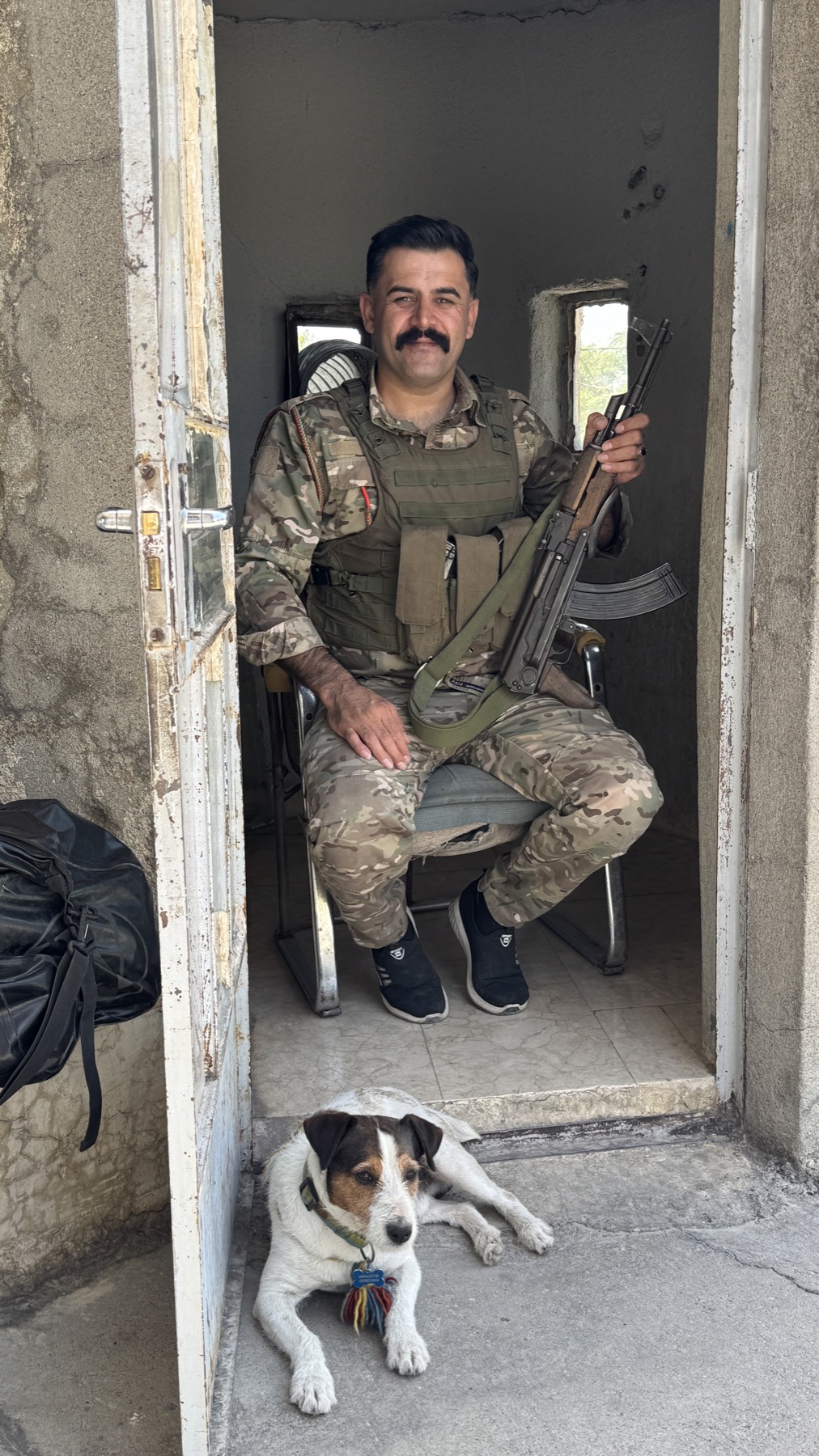
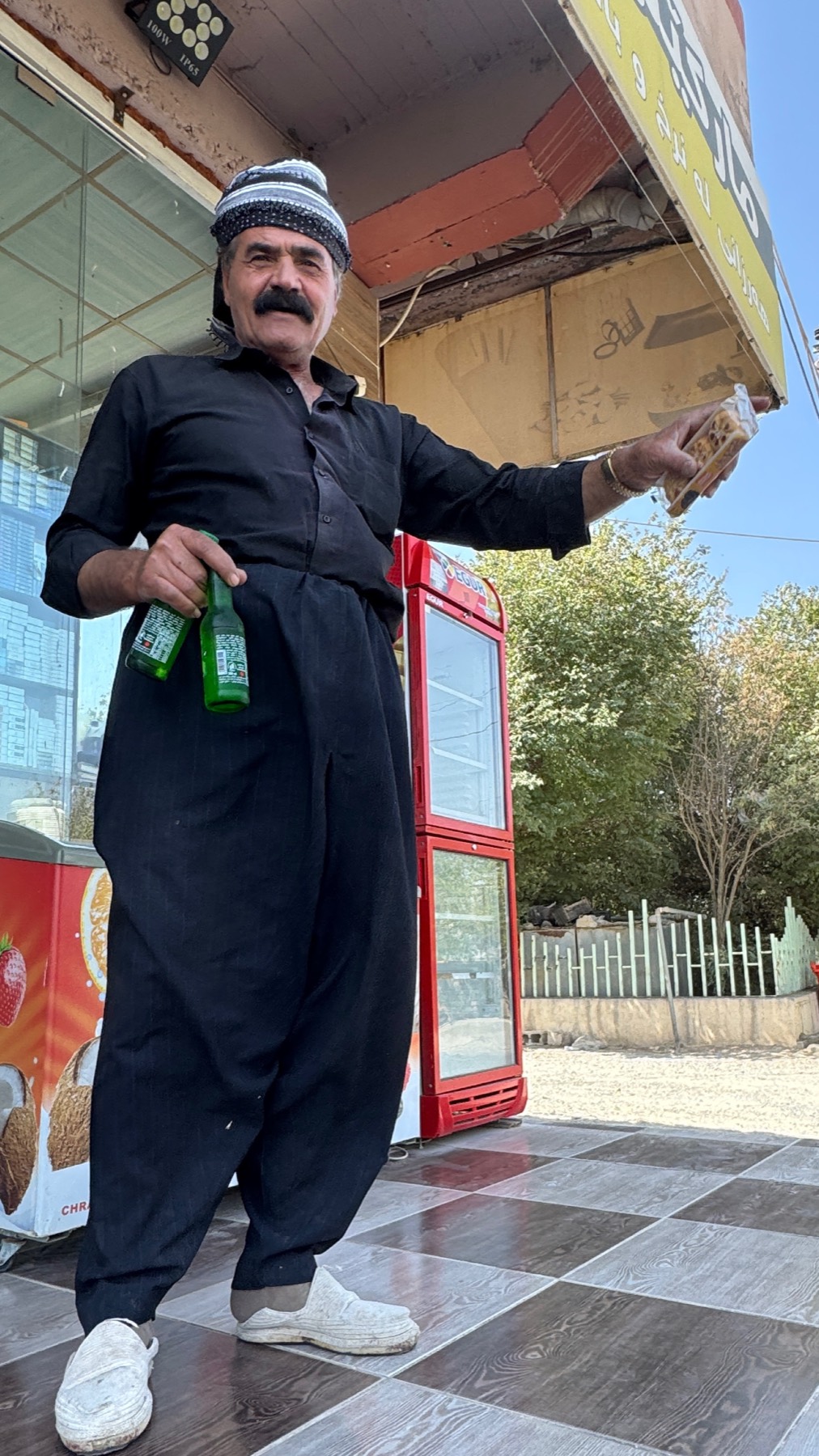
It happened everywhere. A soldier at a checkpoint asking for a photograph with the dog. A shopkeeper refusing payment. A family who took a stranger home, put out coffee and sweets, and would not hear of me staying anywhere else.
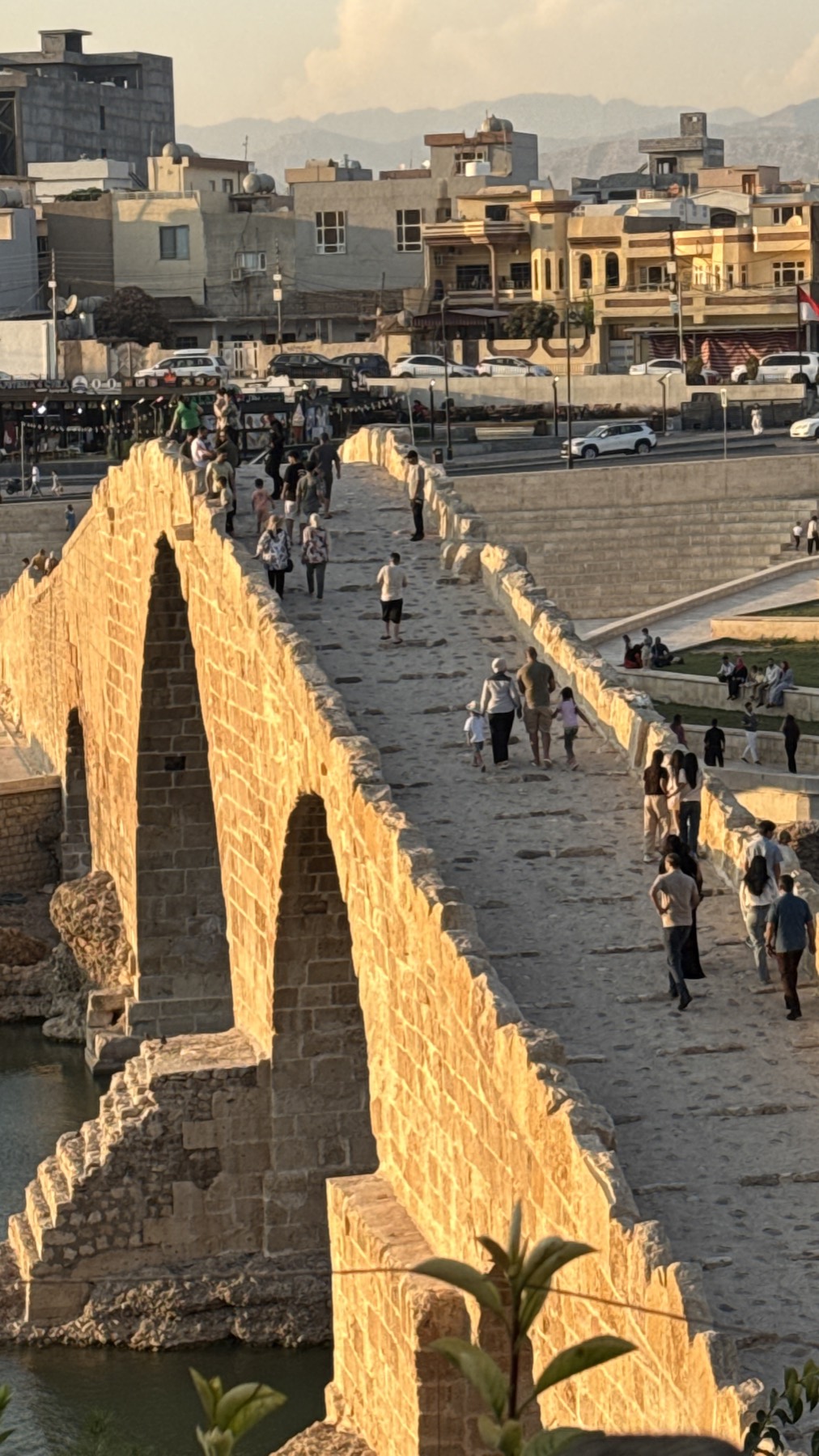
An hour into the country, sheltering from the worst of the afternoon in a petrol station, the man working the shop told me to take whatever I wanted. We sat on the floor and talked until the sun dropped. That evening at the old Ottoman bridge in Zakho I parked where I should not have, got told off by a group of young men, and ended up spending the whole afternoon with them, asleep on a bench by the water and then eating their chicken while I handed round tobacco from the Turkish duty free.
The hotel in Zakho cost sixteen dollars. I did not trust the street, so they opened the air conditioning shop next door and we shifted the stock around to get the motorcycle inside. Nobody ever touched it, there or anywhere else. I left it loaded outside all night more than once, and it was always exactly as I had left it.
I have crossed more than seventy countries. I rank northern Iraq among the most hospitable of all of them, which is exactly the opposite of what I was told before I went.
The field archive
128 more frames from the road
Everything else from the folder, in the order it was taken.
0102 03
03 04
04 05
05 06
06 07
07 08
08 09
09 10
10 11
11 12
12 13
13 14
14 15
15 16
16 17
17 18
18 19
19 20
20 21
21 22
22 23
23 24
24 25
25 26
26 27
27 28
28 29
29 30
30 31
31 32
32 33
33 34
34 35
35 36
36 37
37 38
38 39
39 40
40 41
41 42
42 43
43 44
44 45
45 46
46 47
47 48
48 49
49 50
50 51
51 52
52 53
53 54
54 55
55 56
56 57
57 58
58 59
59 60
60 61
61 62
62 63
63 64
64 65
65 66
66 67
67 68
68 69
69 70
70 71
71 72
72 73
73 74
74 75
75 76
76 77
77 78
78 79
79 80
80 81
81 82
82 83
83 84
84 85
85 86
86 87
87 88
88 89
89 90
90 91
91 92
92 93
93 94
94 95
95 96
96 97
97 98
98 99
99 100
100 101
101 102
102 103
103 104
104 105
105 106
106 107
107 108
108 109
109 110
110 111
111 112
112 113
113 114
114 115
115 116
116 117
117 118
118 119
119 120
120 121
121 122
122 123
123 124
124 125
125 126
126 127
127 128
128