

Field note 01 Origins
Before the motorcycle, there was a winter.
This is where all of it begins, and there is no motorcycle in it. Four months working through the dark in Kirkenes, in the far northeast of Norway, a short drive from the Russian border, saving for a bike I had not bought yet.From Rodrigo's road archive
Origins
Before the motorcycle, there was a winter.
This is where all of it begins, and there is no motorcycle in it. Four months working through the dark in Kirkenes, in the far northeast of Norway, a short drive from the Russian border, saving for a bike I had not bought yet.
- 4 monthsWorking for the bike
- −41 °CColdest that winter
- 00Motorcycles owned at the time
- 15 kmTo the Russian border
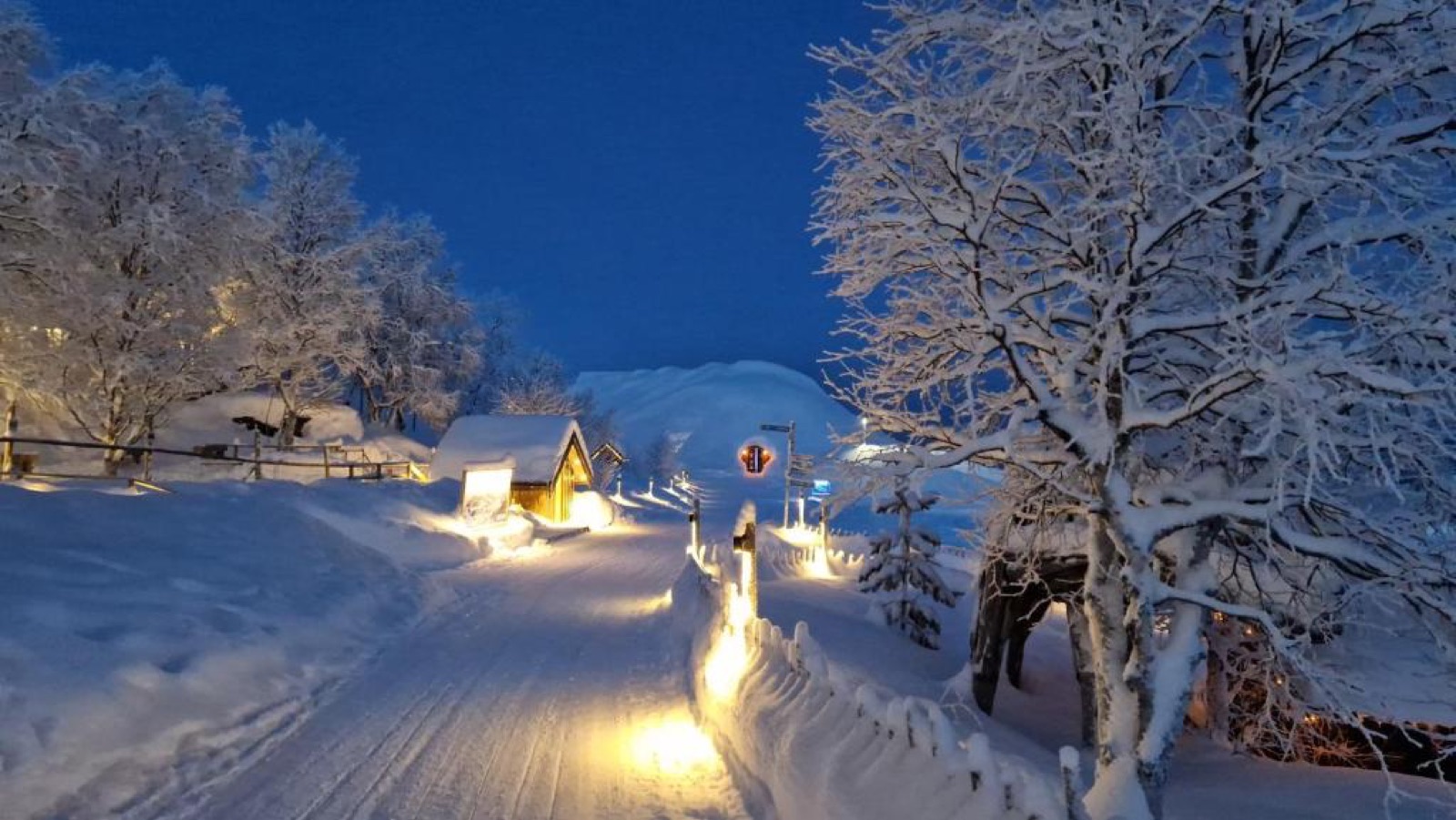 01.1The kind of night that lasts all day up there.
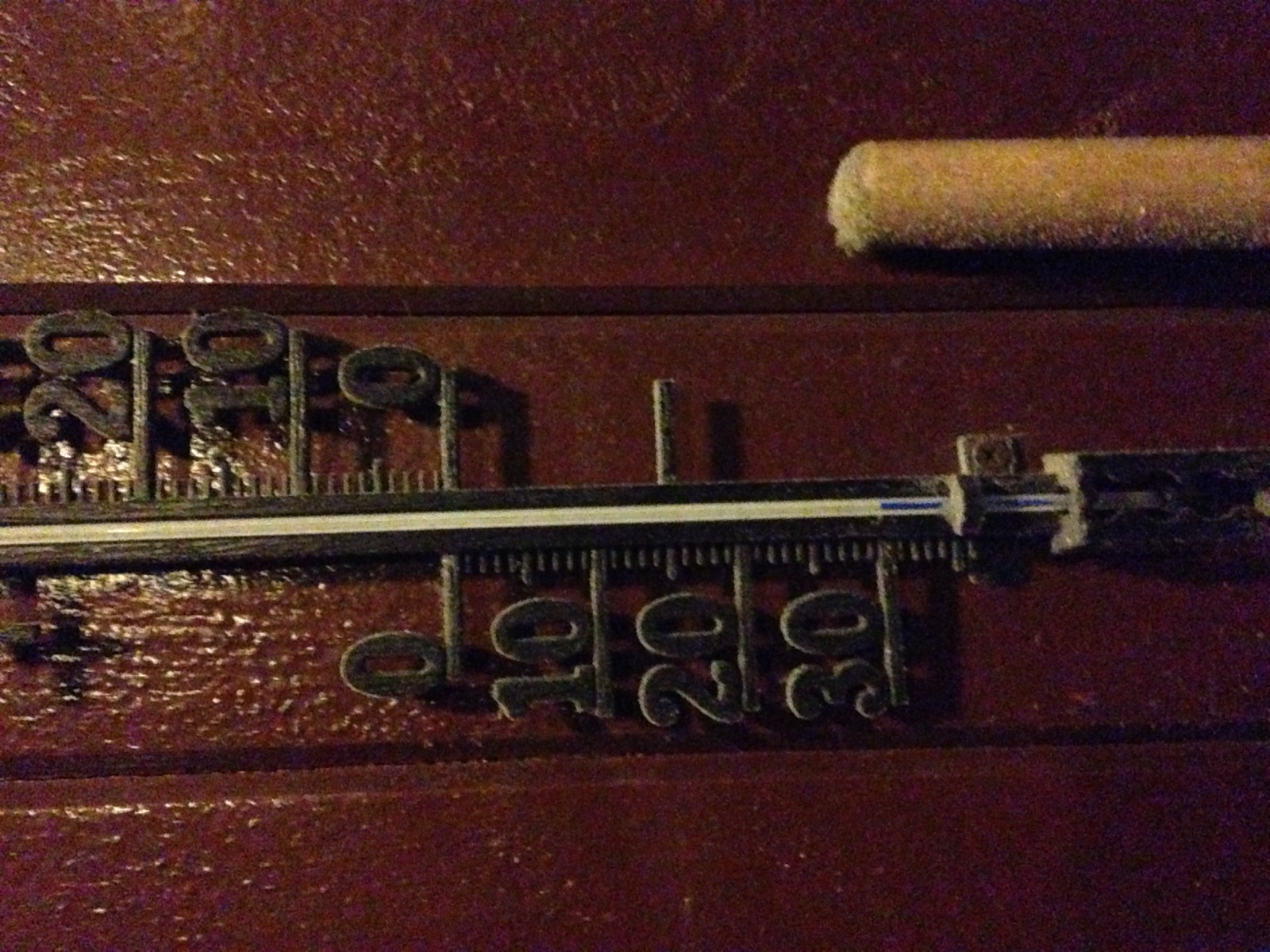 01.2Minus forty-one was the worst of it.
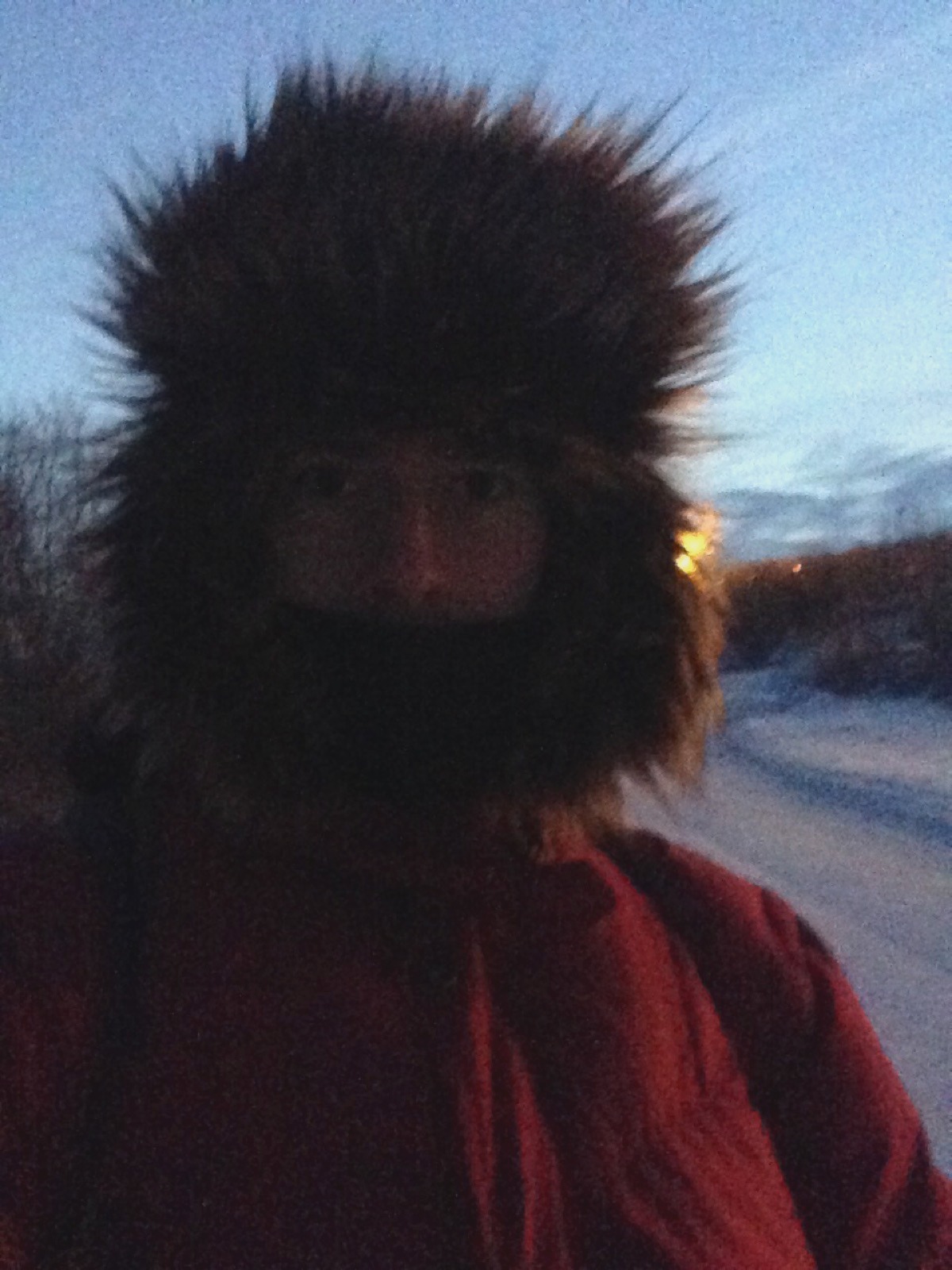 01.3Two kilometres to work, every day, covered to the nose.
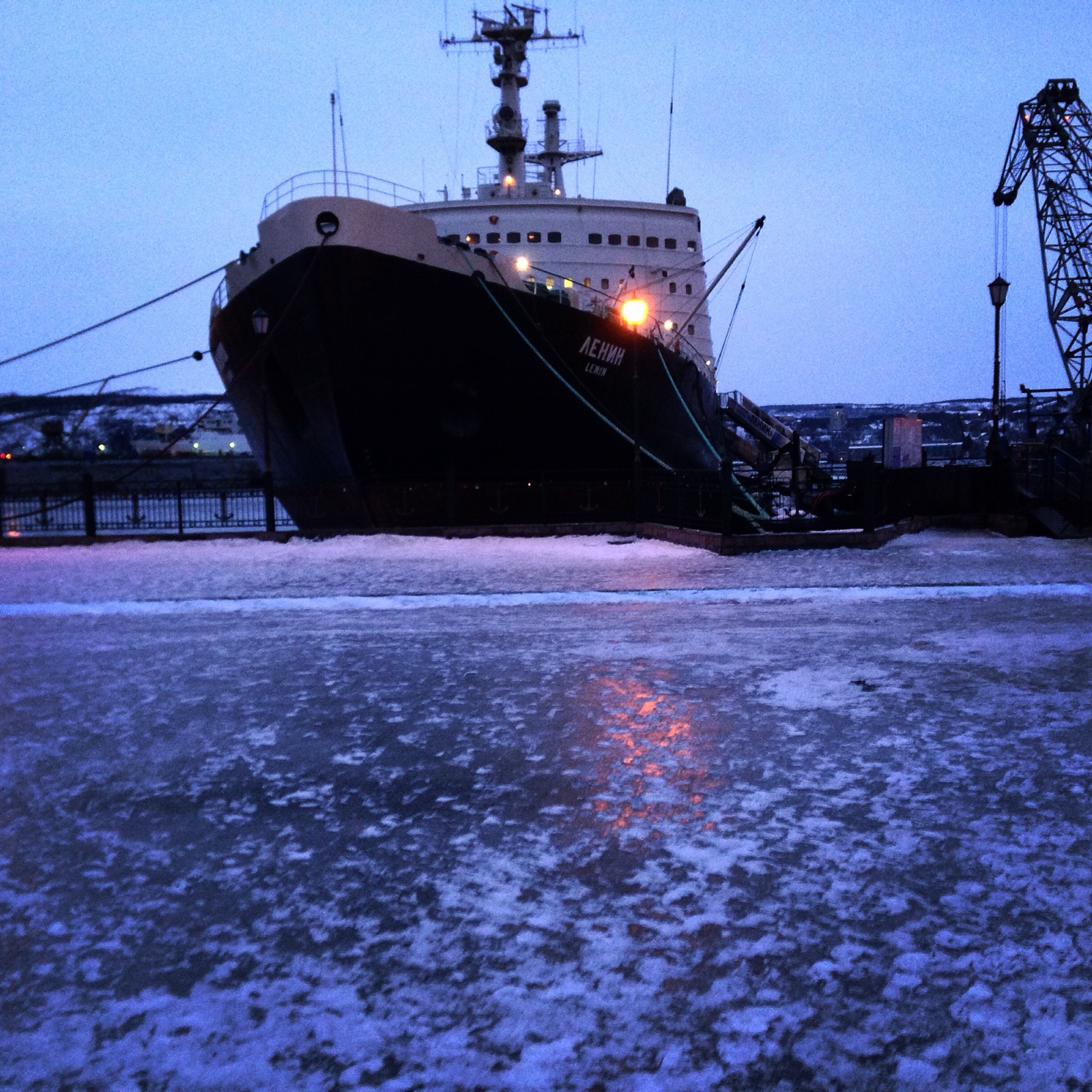 01.4The Lenin, in Murmansk, a few kilometres from Norway.
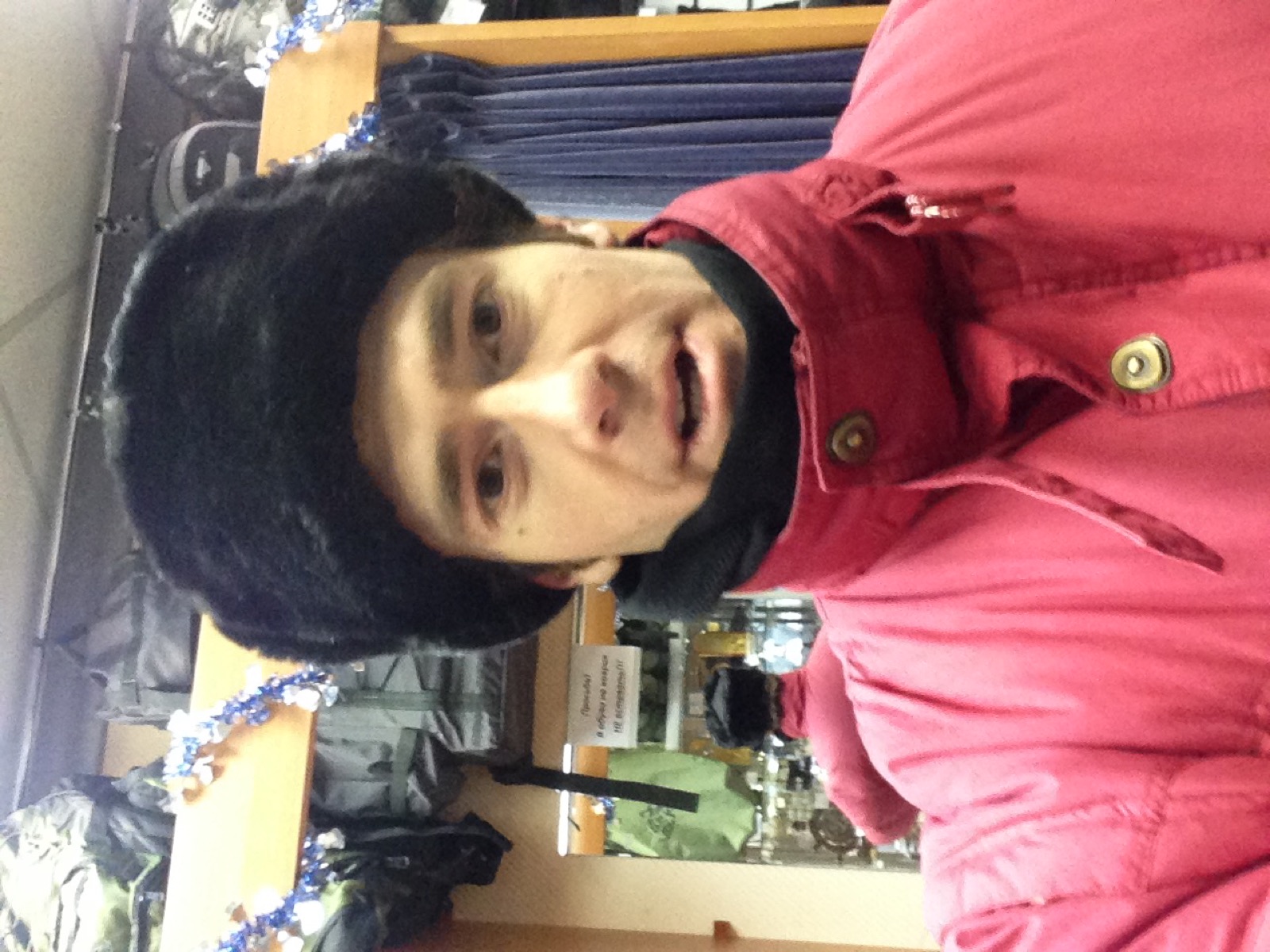 01.5The hat that saved the winter.
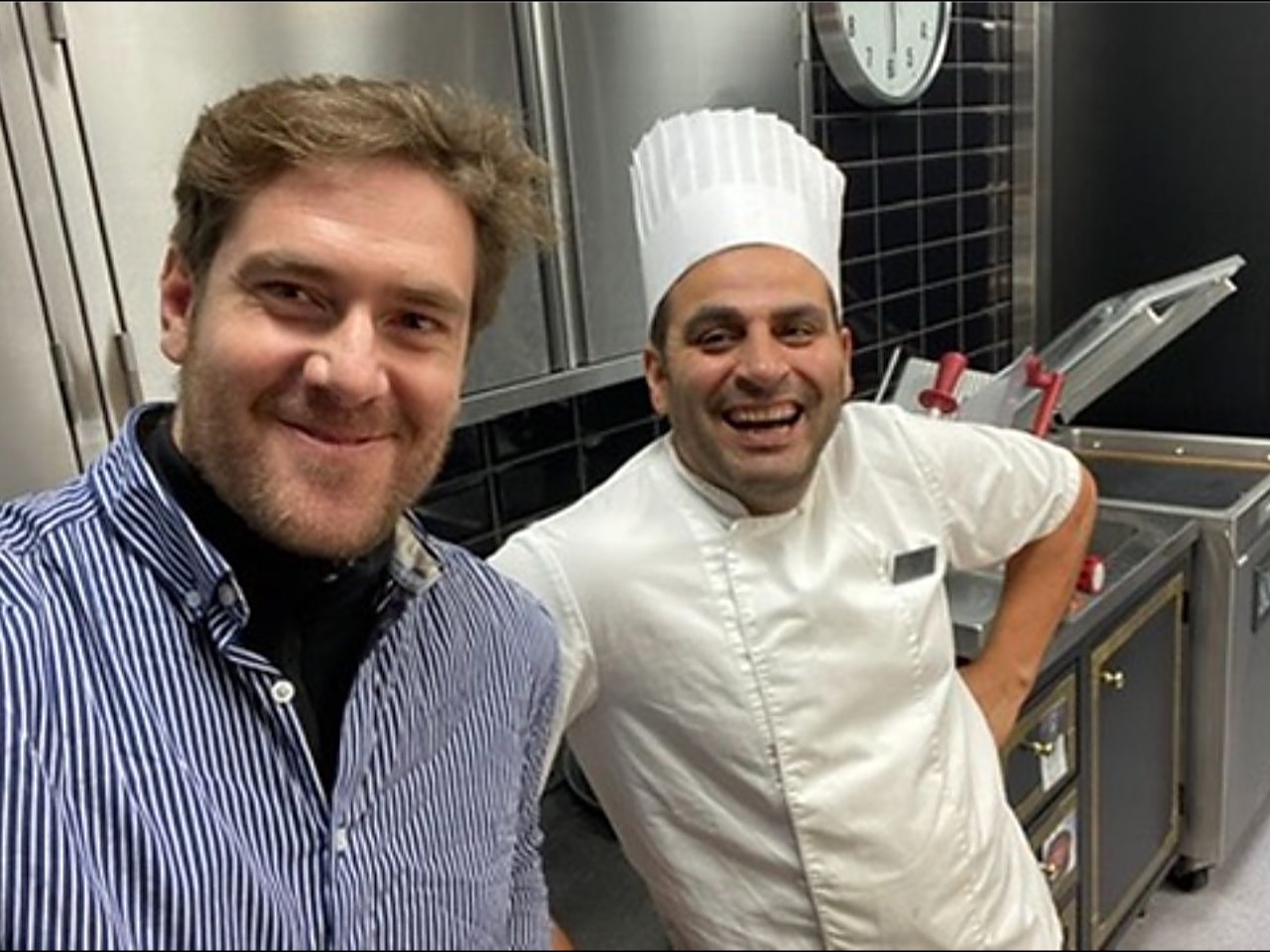
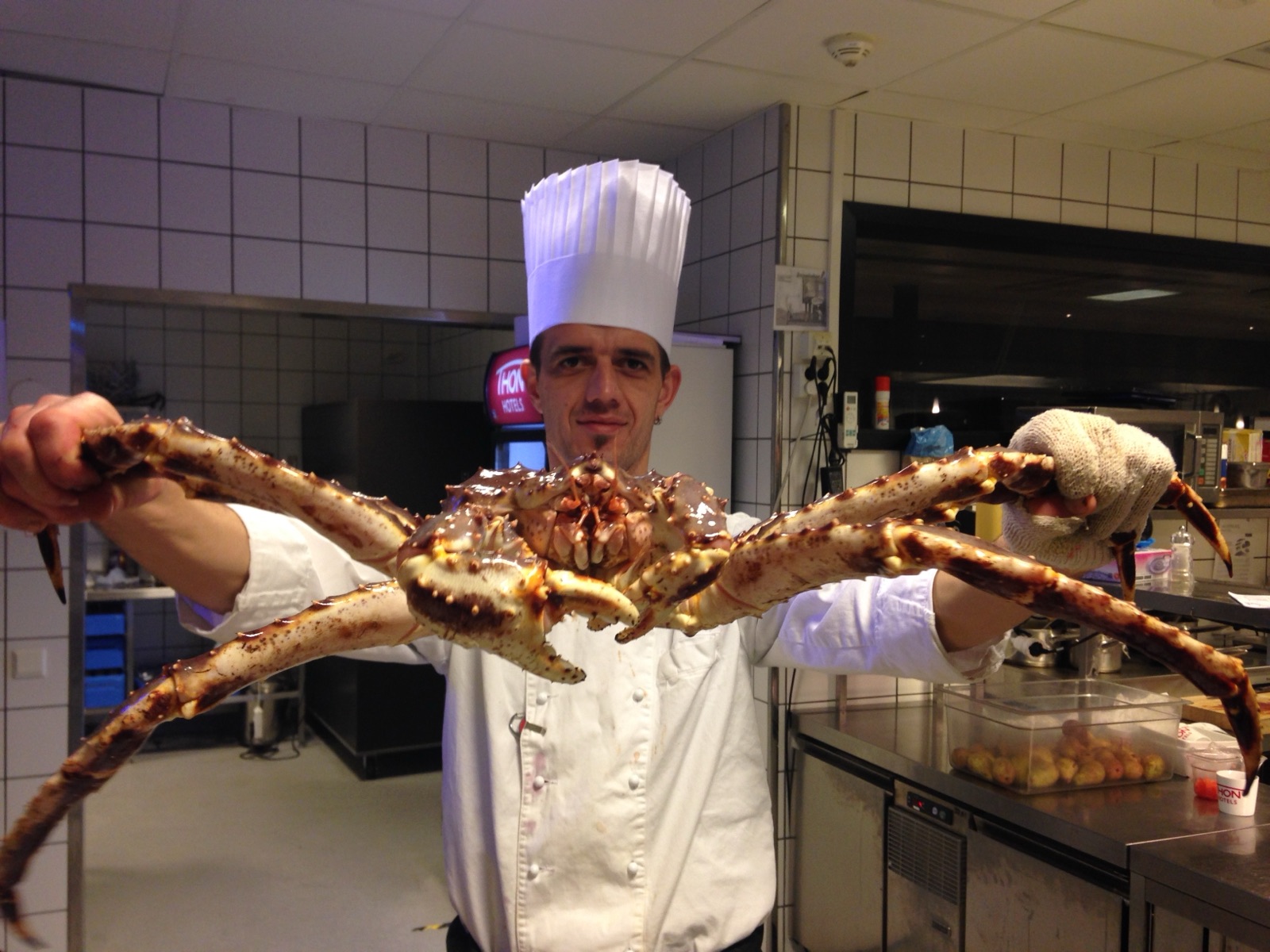 01.6The Serbian cook and a king crab out of the Barents Sea.
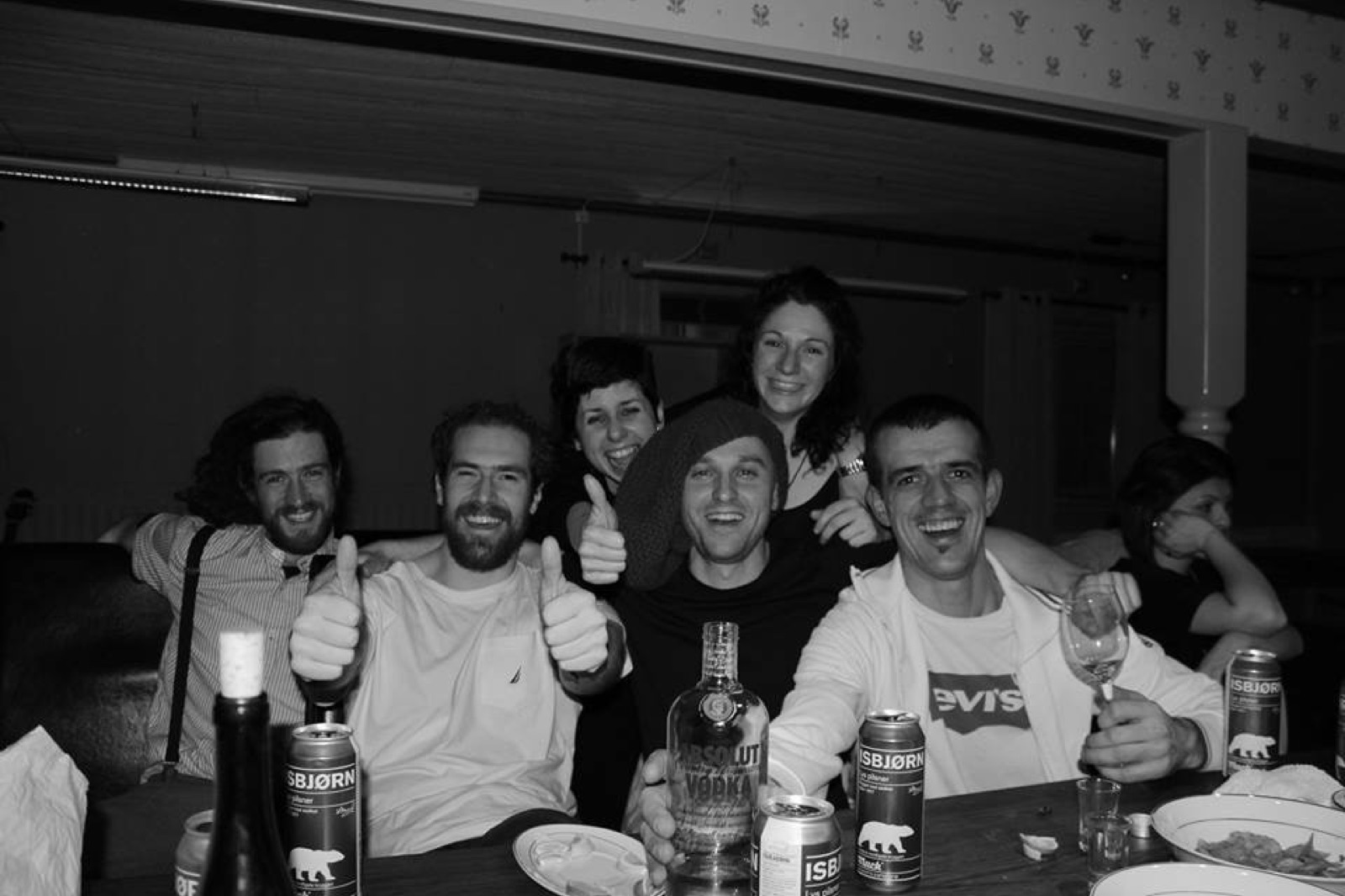
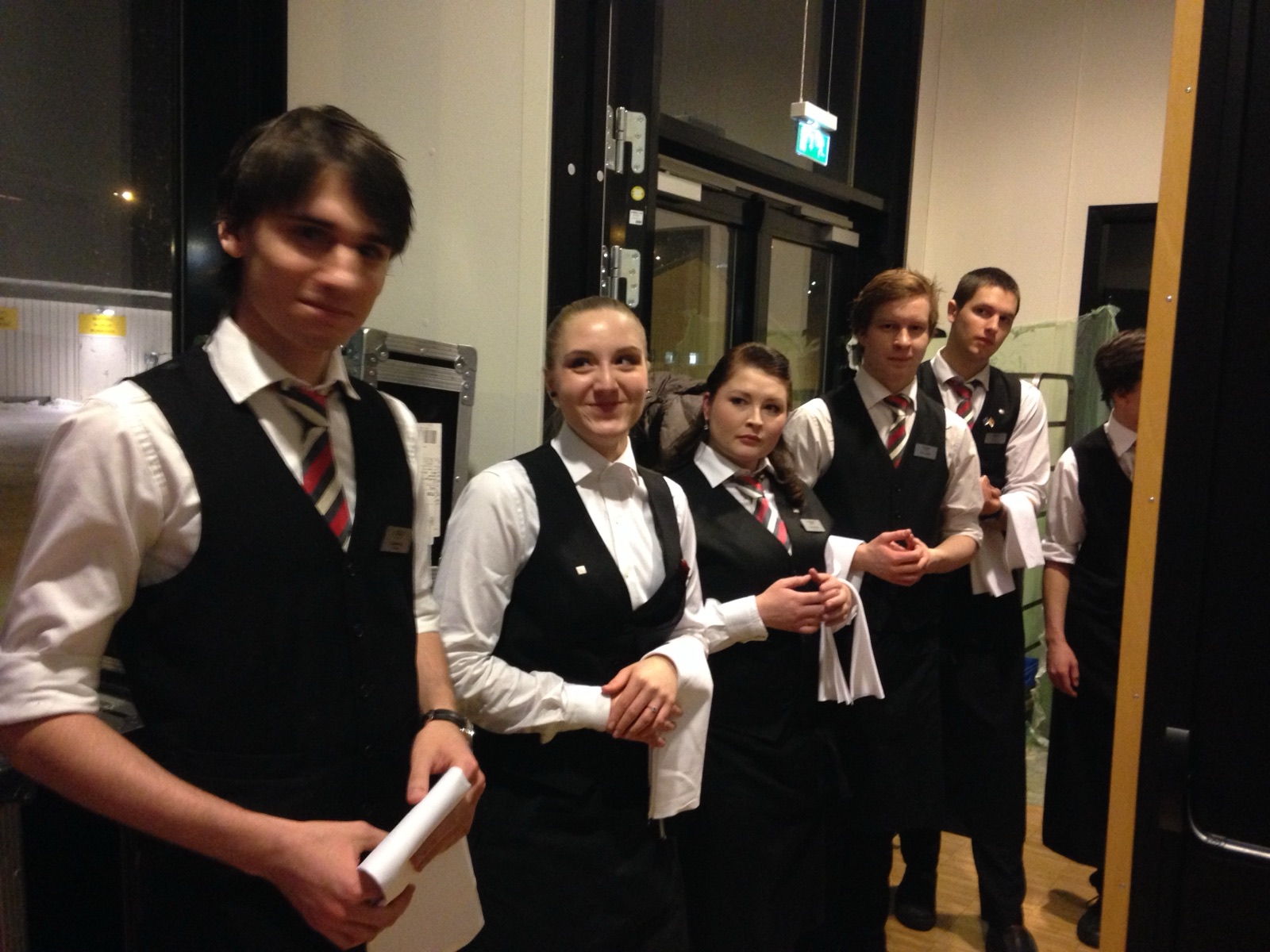 01.7The team, before the dining room opened.
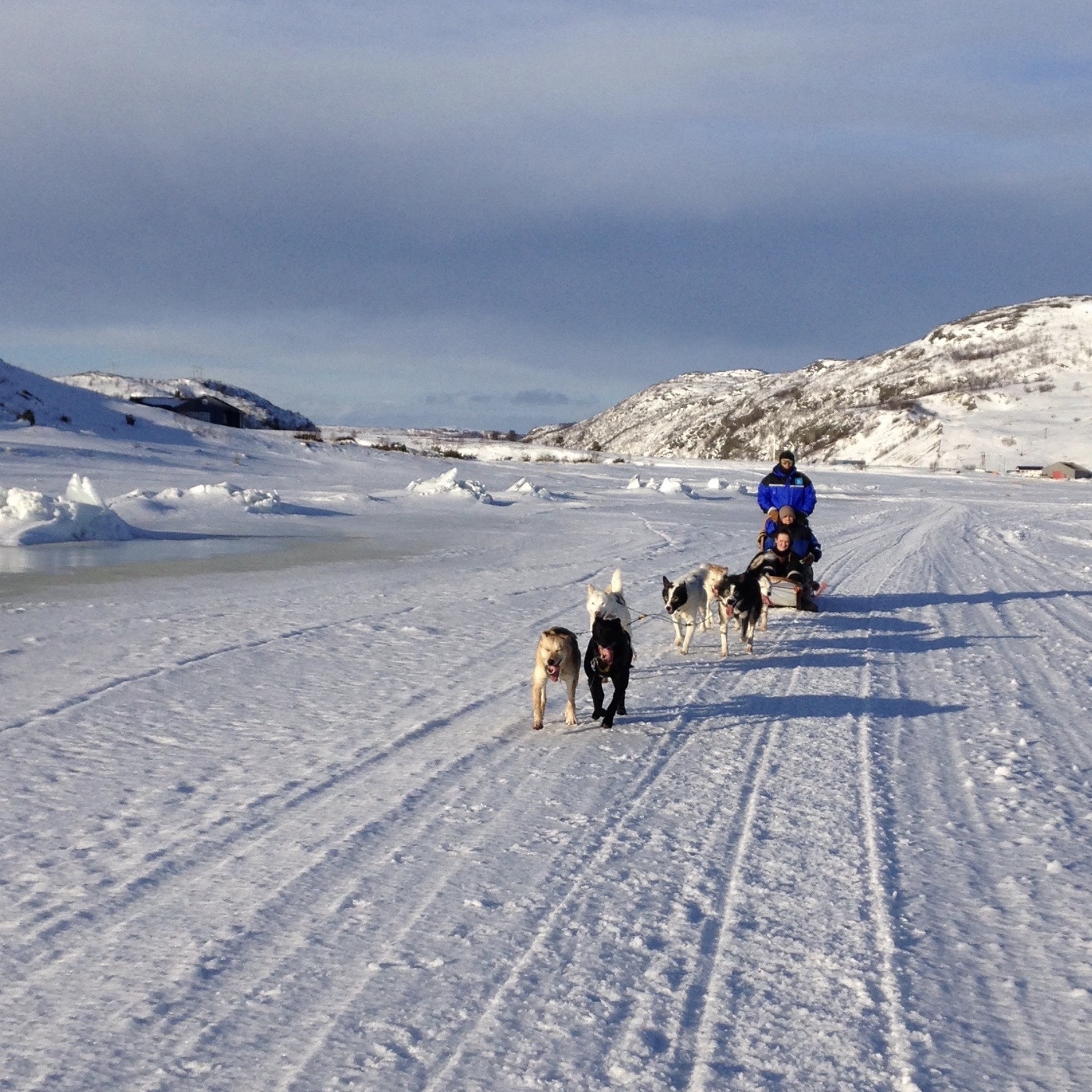 01.8The second sled run, in March, with the sun back.
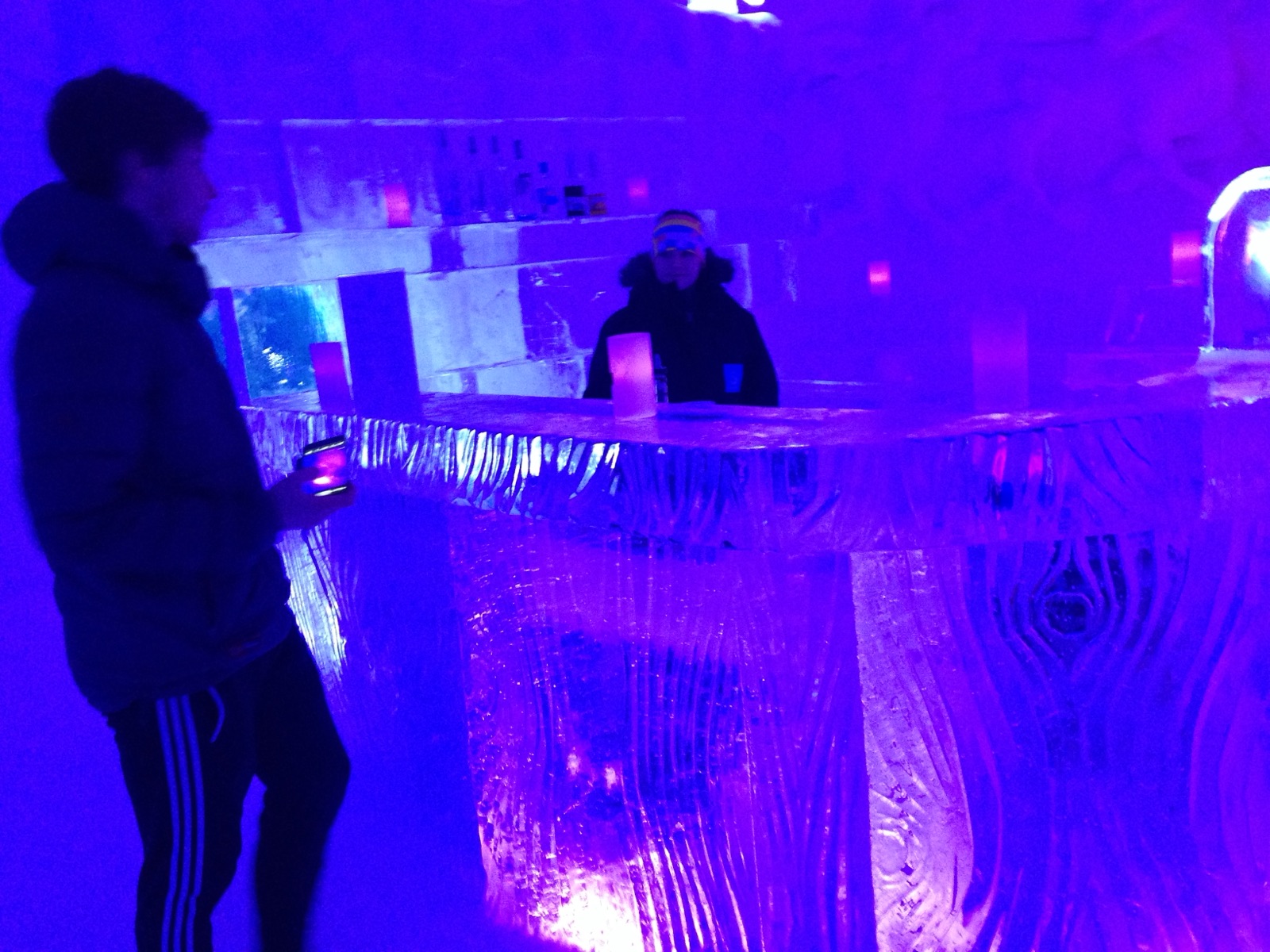
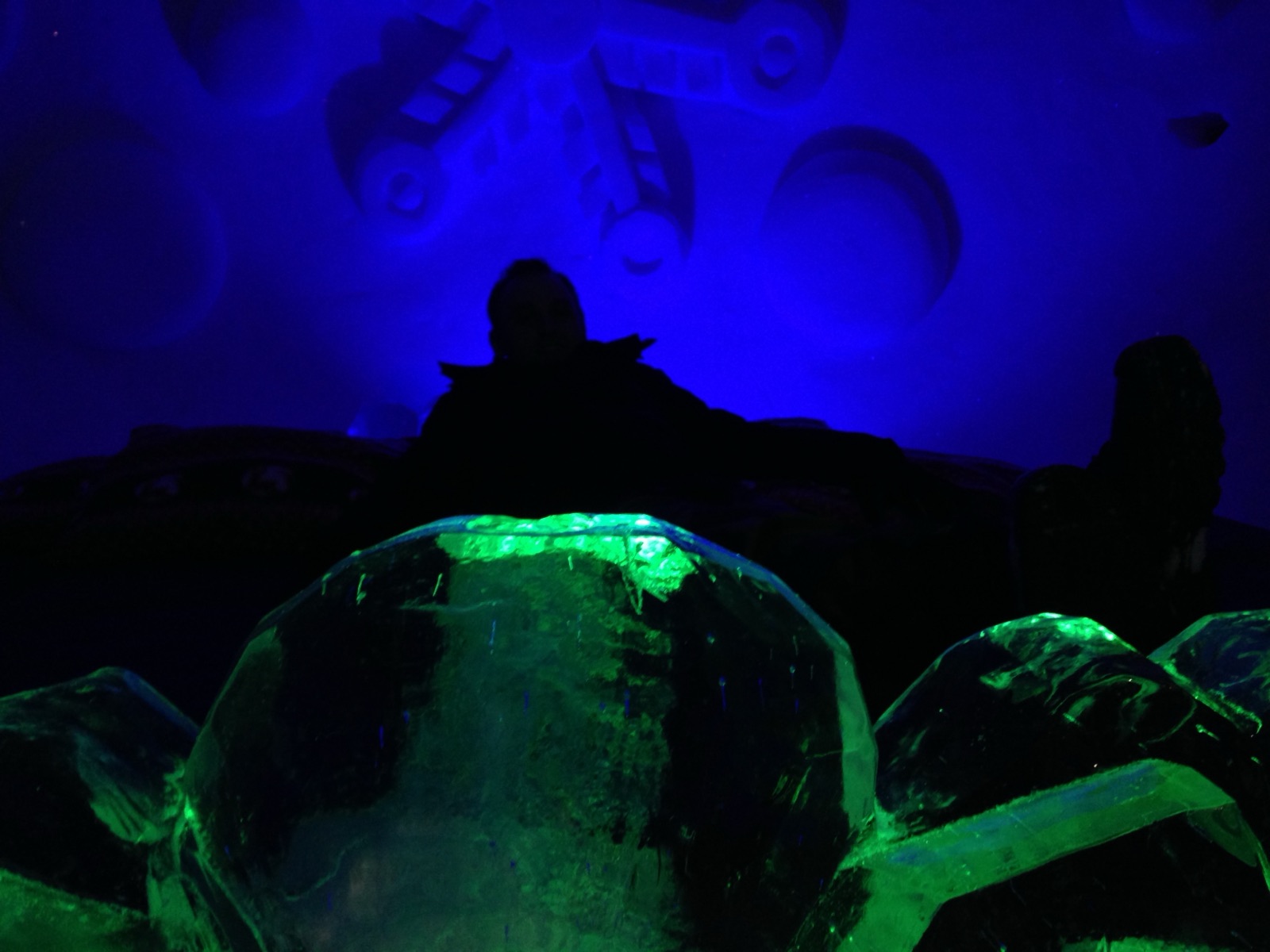
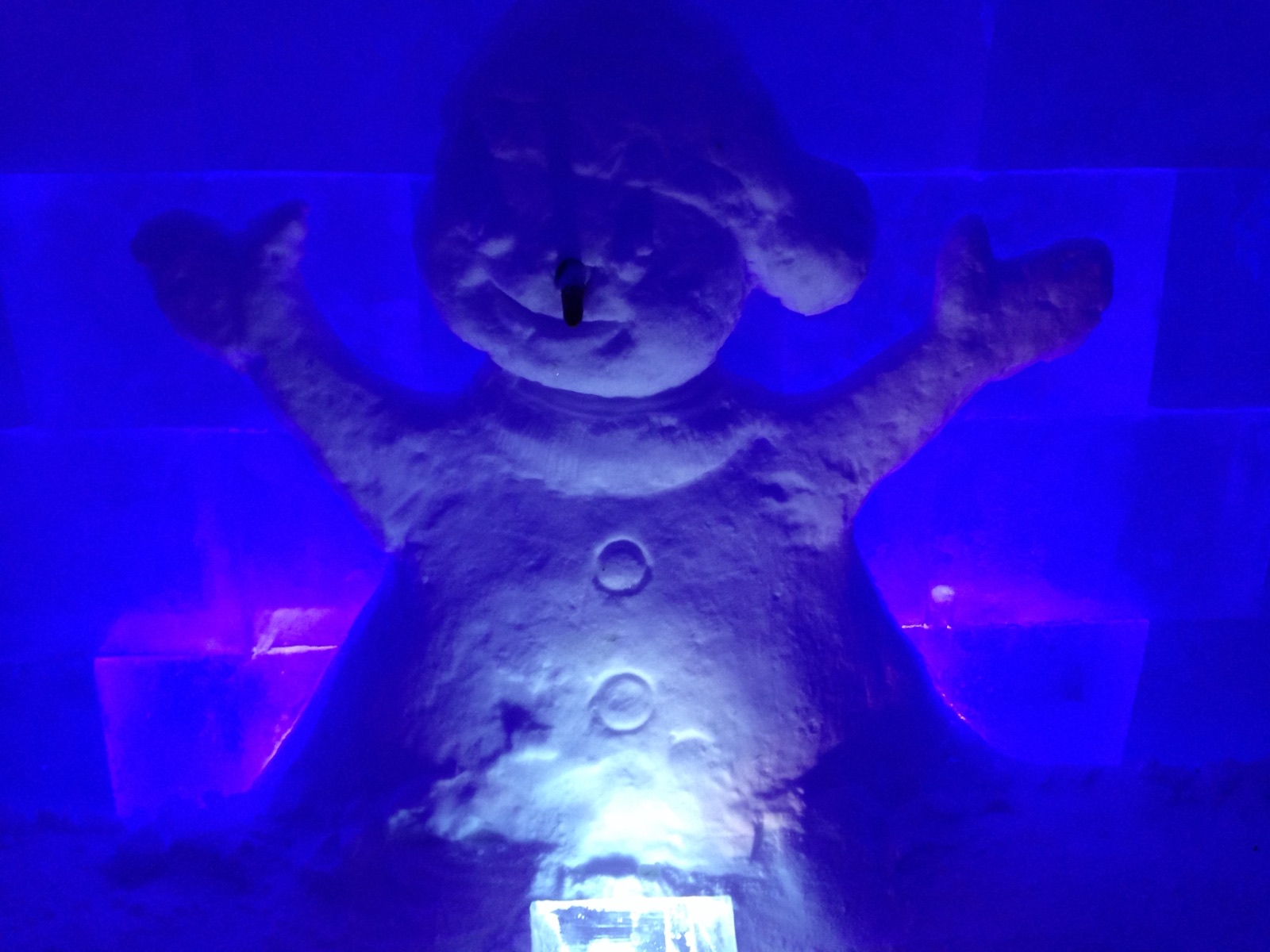
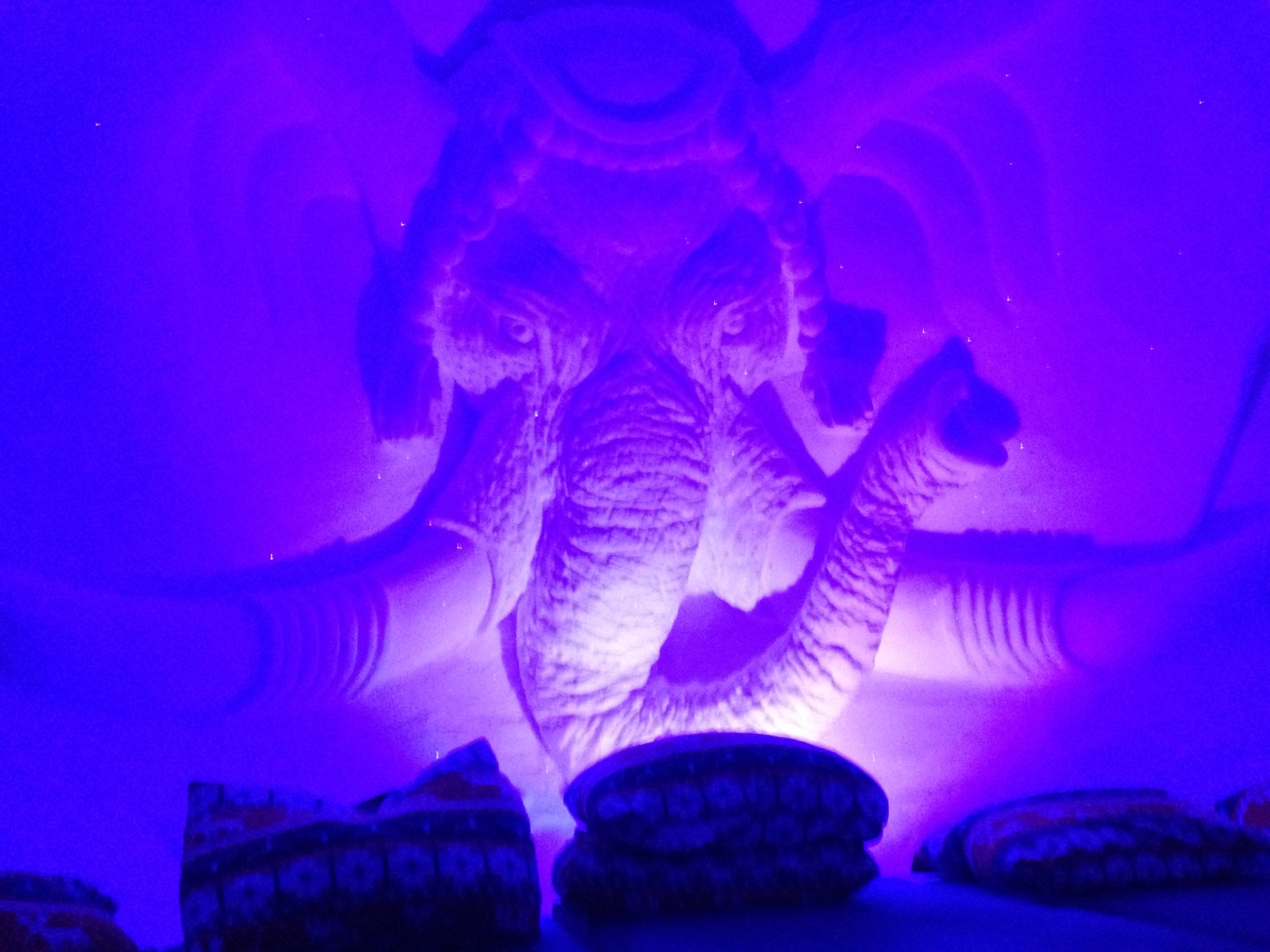 01.9Inside the Snowhotel, everything is ice.
 01.0
01.0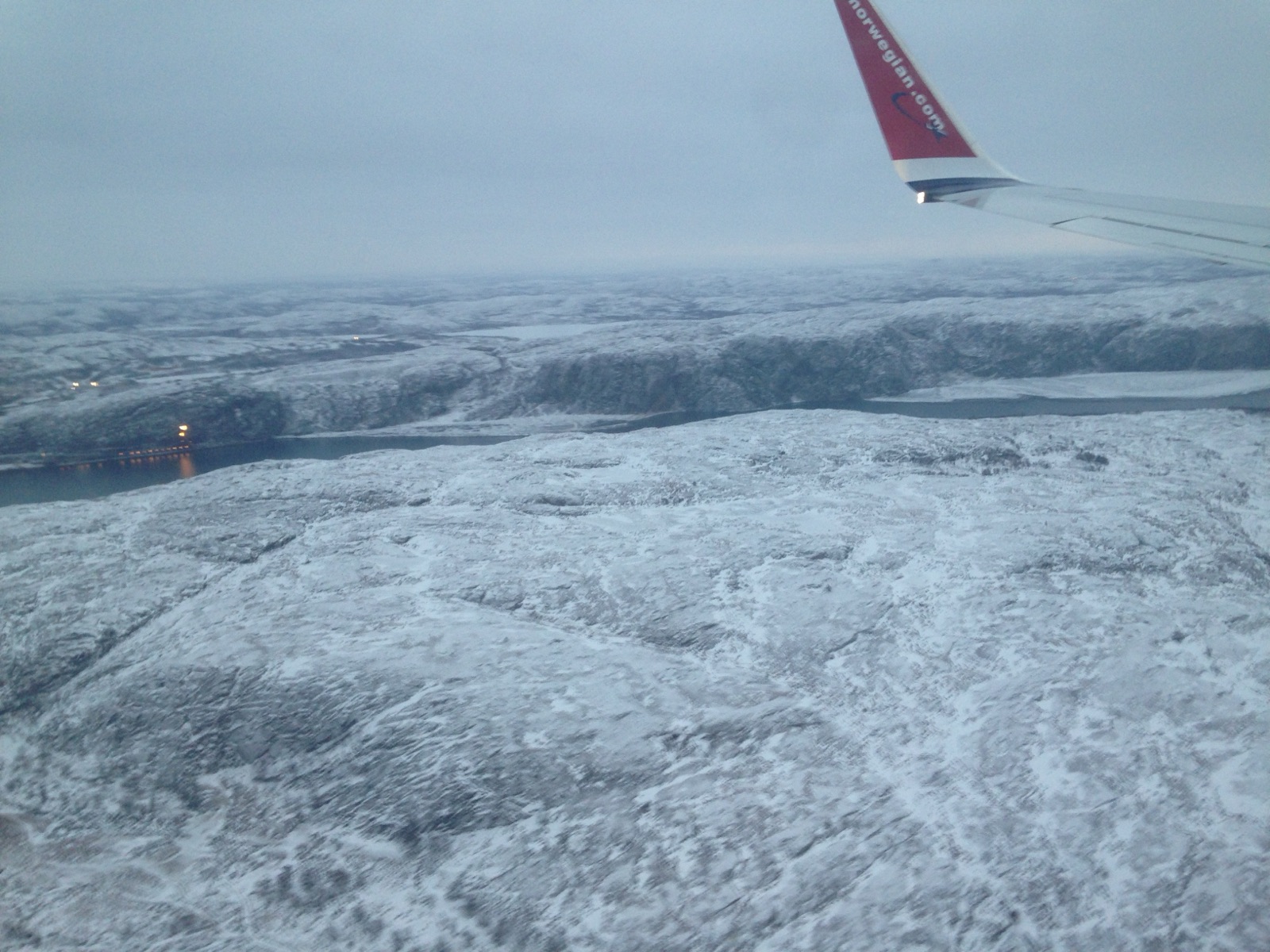 01.0
01.0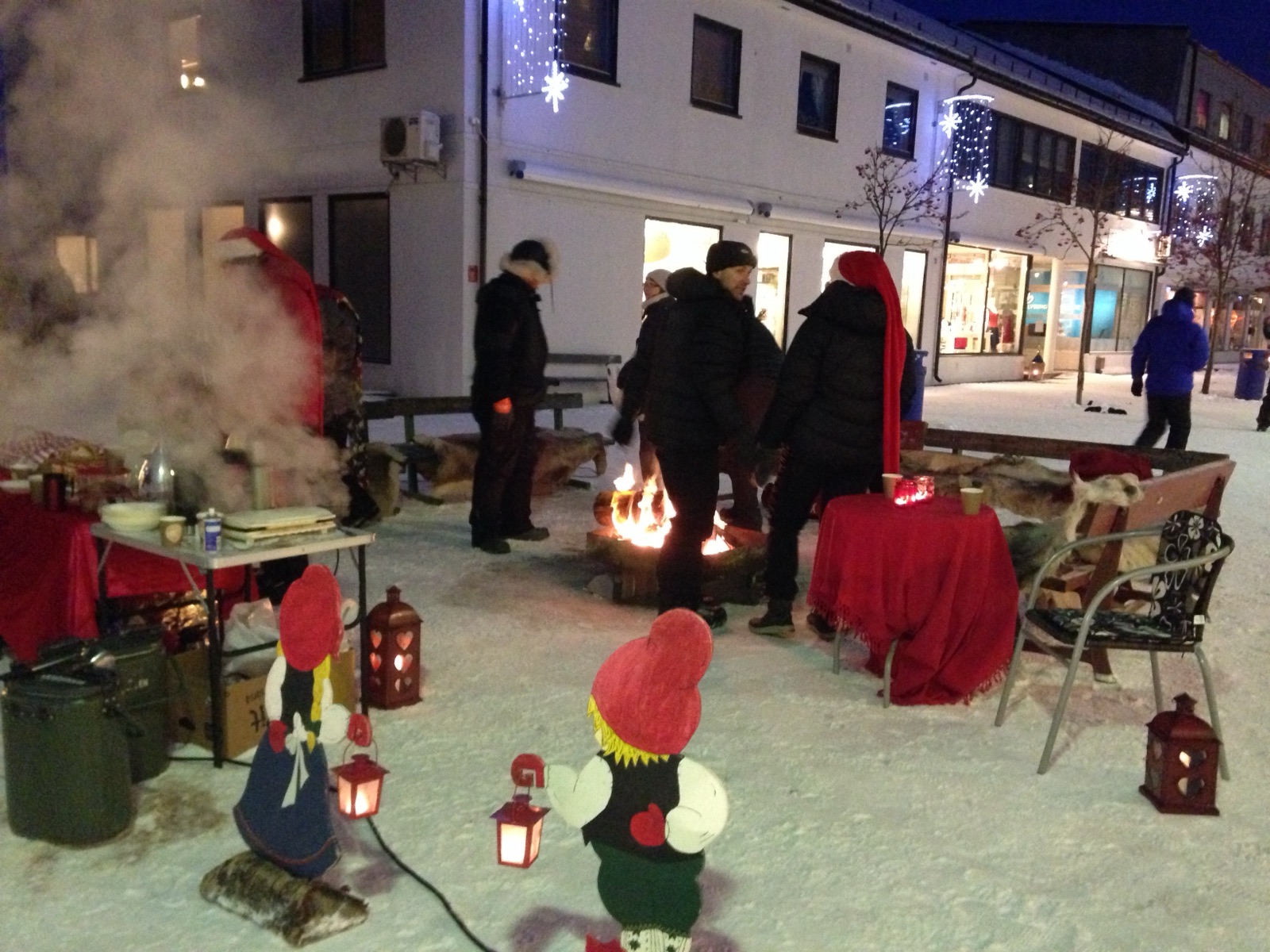 01.0
01.0This is where all of it begins, and there is no motorcycle in it. Four months working through the dark in Kirkenes, in the far northeast of Norway, a short drive from the Russian border, saving for a bike I had not bought yet.
The riders who arrived loaded and stopped wherever they liked.
Before any of this I was working in hospitality, first in Croatia and then in Switzerland. I had always travelled, but with airports, dates and timetables, and none of that felt like freedom.
What changed it was watching motorcycles arrive. They came in loaded, the riders got off wherever they felt like stopping, and nothing seemed to be holding them to a schedule. That is the whole reason there is a motorcycle in this story at all. I decided I wanted one, and the only thing standing between me and it was money.
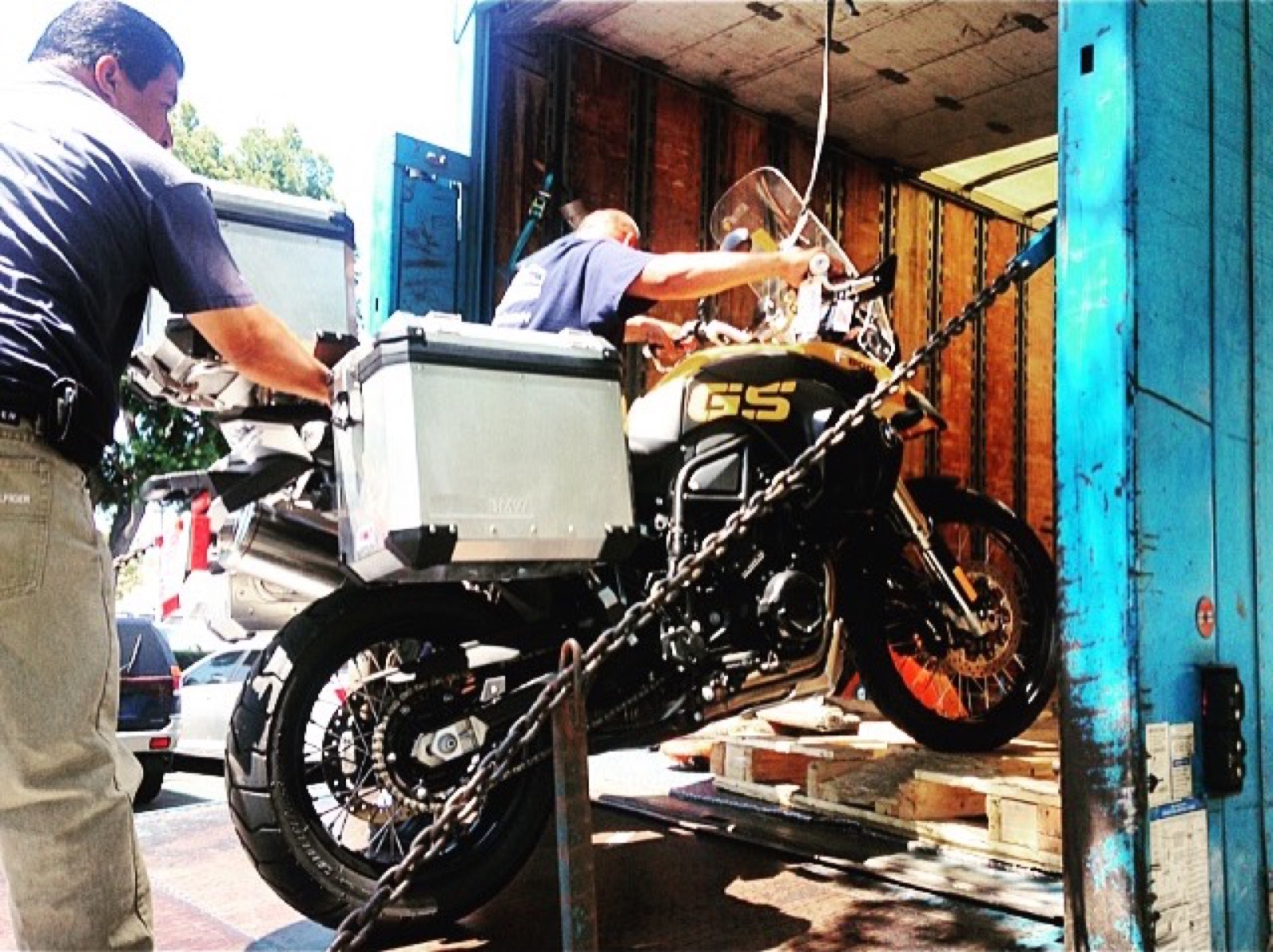
An idea like that is not bought with enthusiasm, it is bought with money, and what I wanted was a BMW F 800 GS. That one, not another. So I did the only thing I could think of: I started emailing tourism companies all over Europe. All of them, one by one, with no contacts and knowing nobody, casting the net to see what came back.
One came back. A Norwegian hotel chain, Thon Hotels, offering me a job. I accepted without thinking twice, and only afterwards went to look up where the town actually was.
Kirkenes. Practically the North Pole. As far north as Europe goes, on a three-way border between Norway, Finland and Russia. There was no way out of it now. And there was a clock running: in April I was moving to California to study for three months, so I had five months to save the money and arrive there with the bike already bought.
I accepted without thinking twice, and only afterwards went to look up where the town actually was.
What the road kept
It started before the motorcycle did.
Every journey on this site is downstream of four months of work in a place where the sun did not rise. There was no bike, no route and no dog yet. There was a decision, a winter spent paying for it, and a man in an attic looking at motorcycle adverts at one in the morning.29 November 2014.
I flew with a couple of those half-asleep connections. The first photograph I took was at half past one in the morning from the window: a blanket of cloud all the way to the horizon and a flattened band of pink above it, the only light left in the world at that hour.
Three hours later, on the way down, I took the other one: the wing over the Arctic coast, white from edge to edge, with the frozen fjords pushing in between tongues of black rock. That was when I understood what I had got myself into.
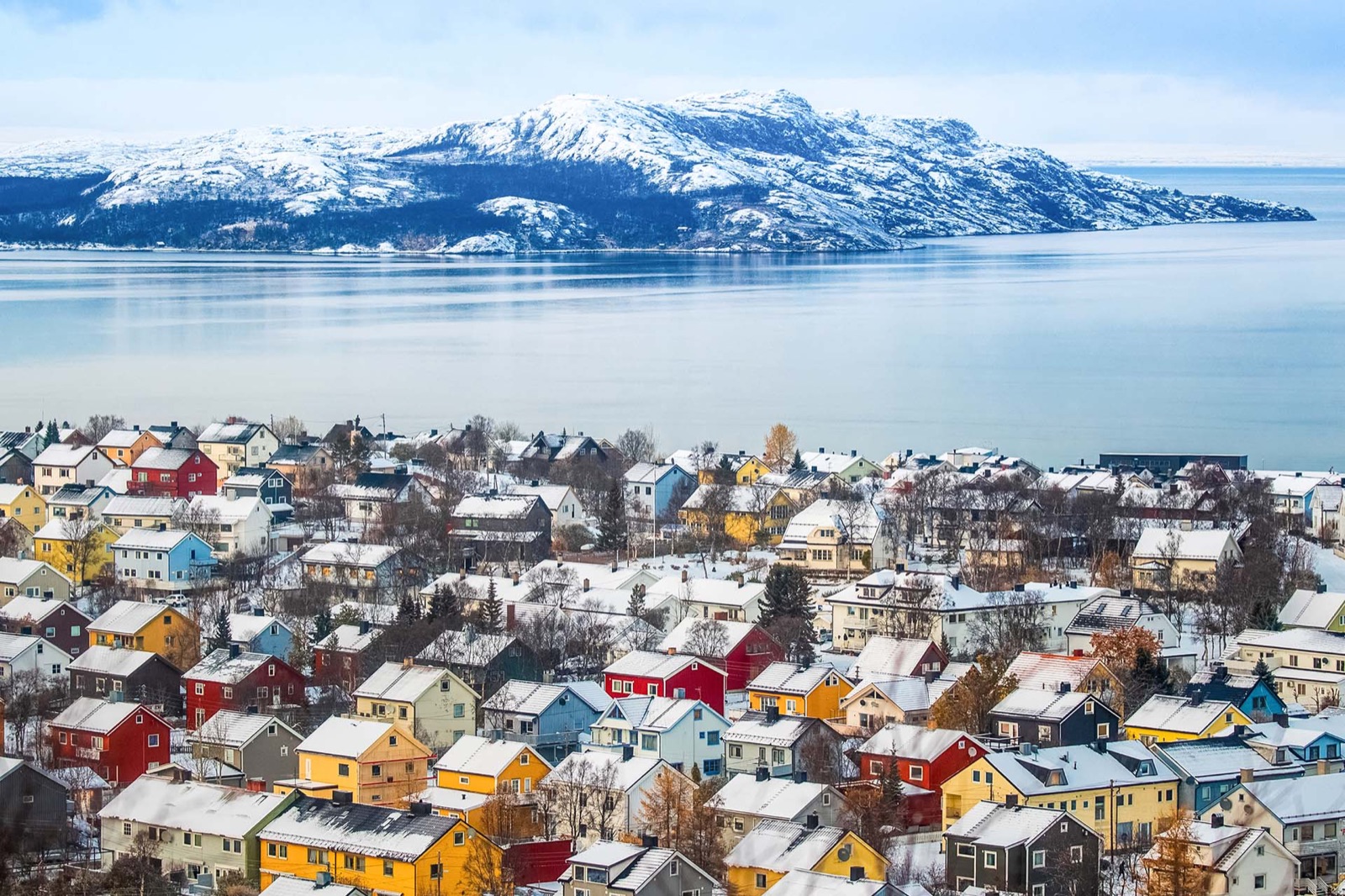
The aircraft landed on a runway of packed snow and we walked across the ice to the terminal. Kirkenes is a small town: red and white timber houses, one main street, a harbour, and nothing around it.
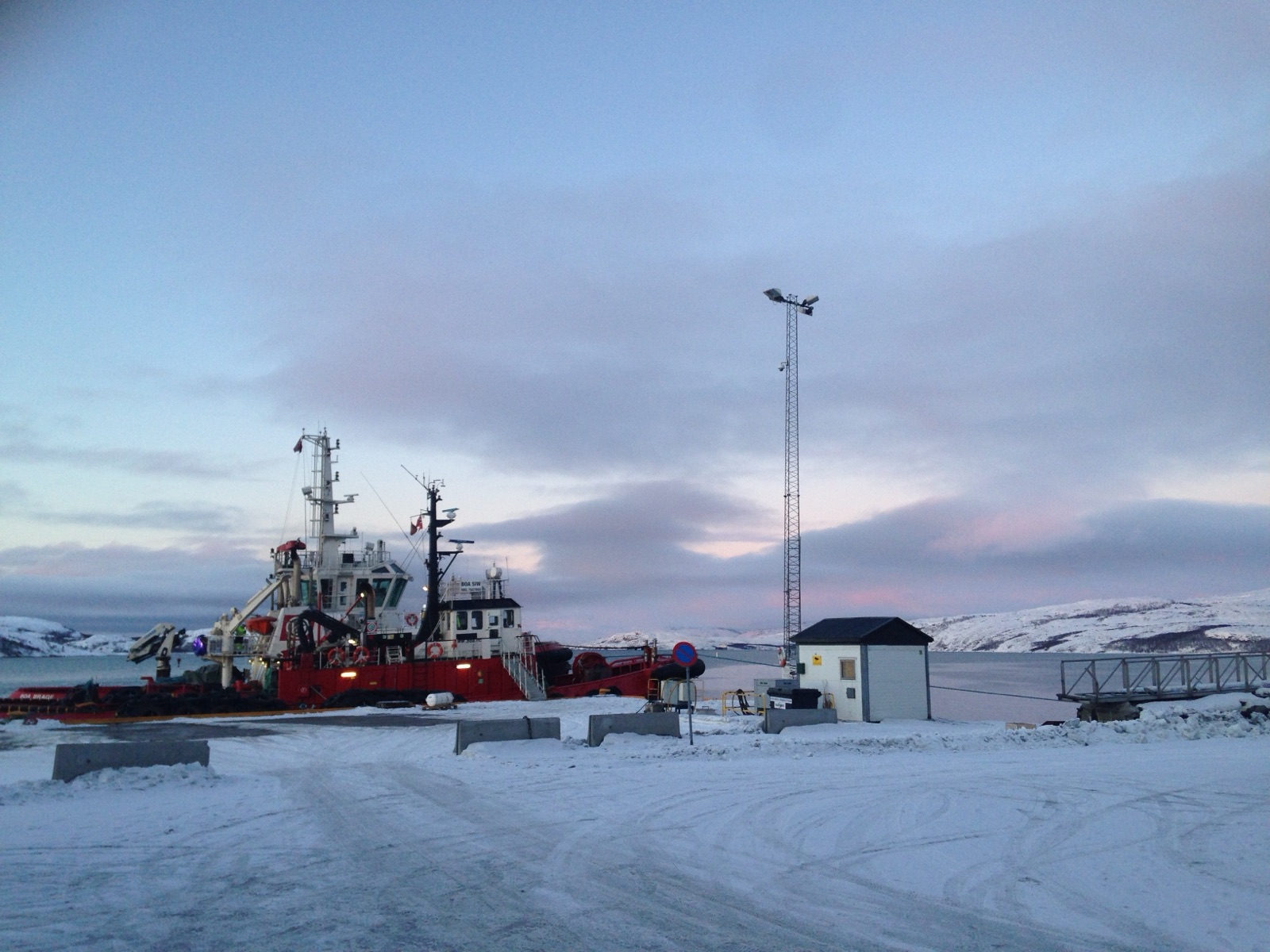
The first thing I photographed on the ground was a red and white tugboat moored at the frozen quay, the Norwegian flag stiff with cold and the grey fjord behind it. It was eleven in the morning and that was all the light there was going to be.
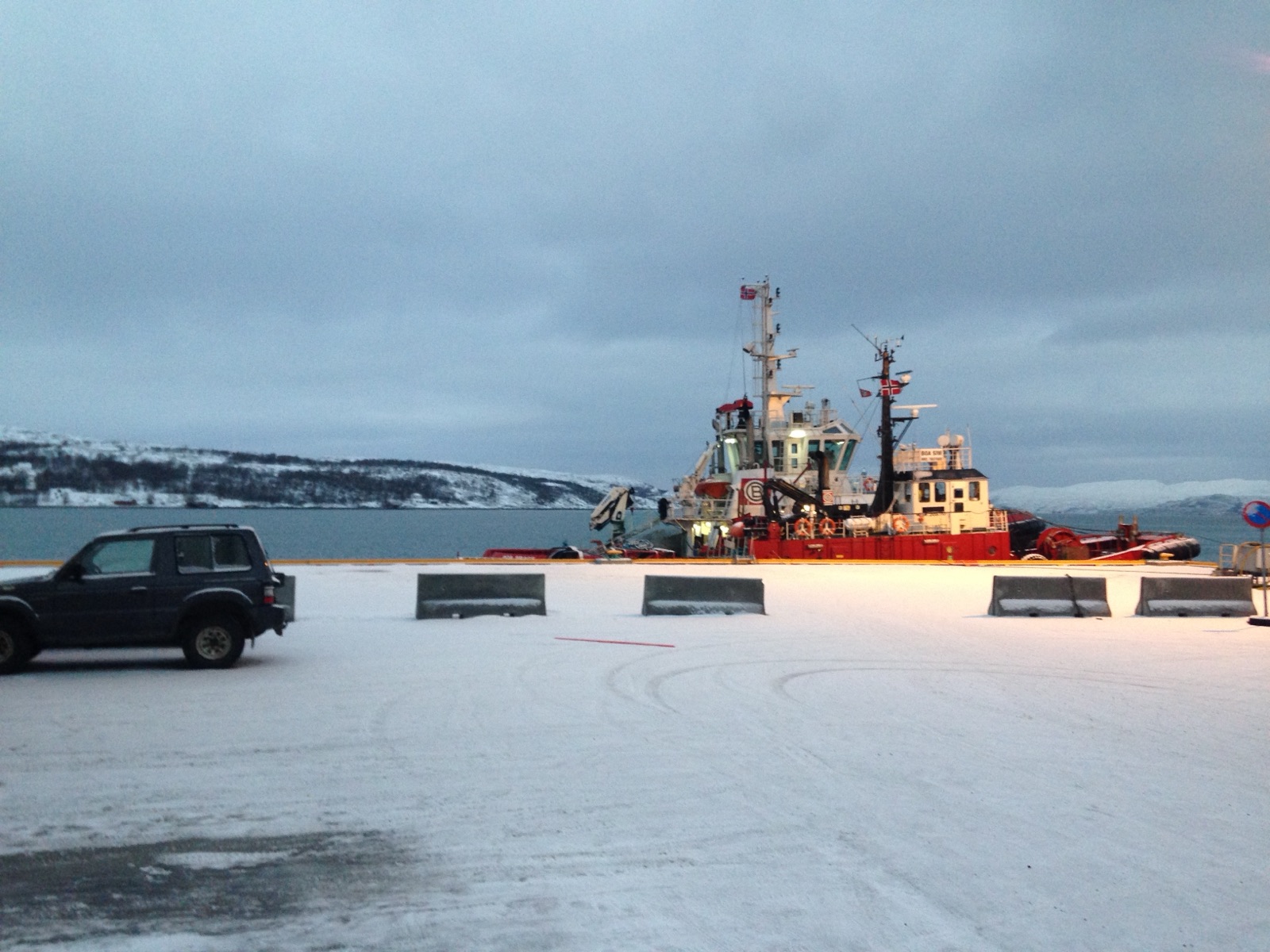
Up there the sun does not come up.
I arrived with the polar night already under way and I would stay until it ended. Months in which the sun simply does not clear the horizon. At midday the sky turns a deep, almost electric blue for a couple of hours, and then closes again. 21 December, the shortest day of the year, is the bottom of all of it.
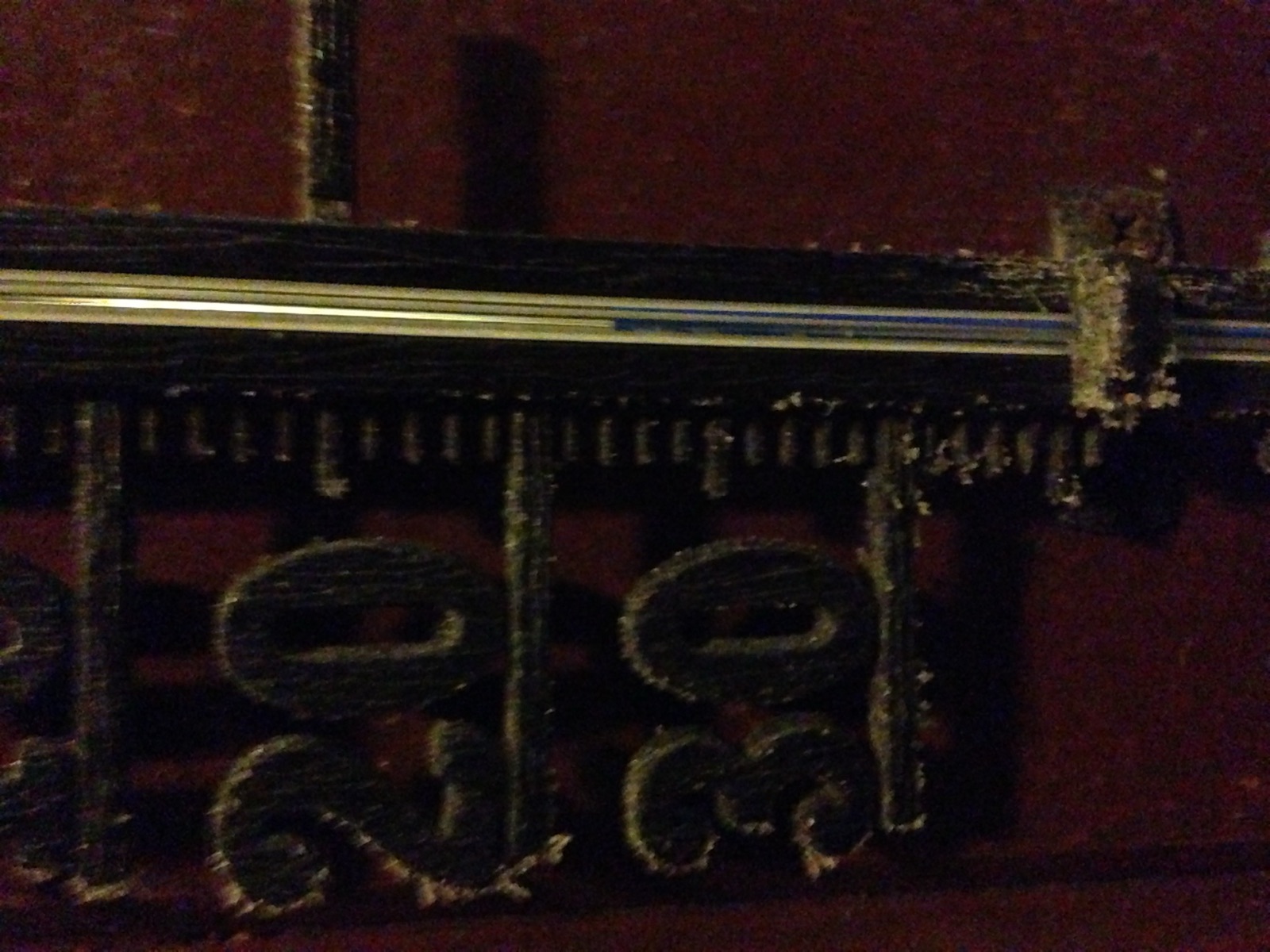
And it was properly cold. I have the photograph of the thermometer on the wall, the scale marked 20, 10, 0, 10, 20, 30, and the column sunk well below zero. I saw it reach minus forty-one.
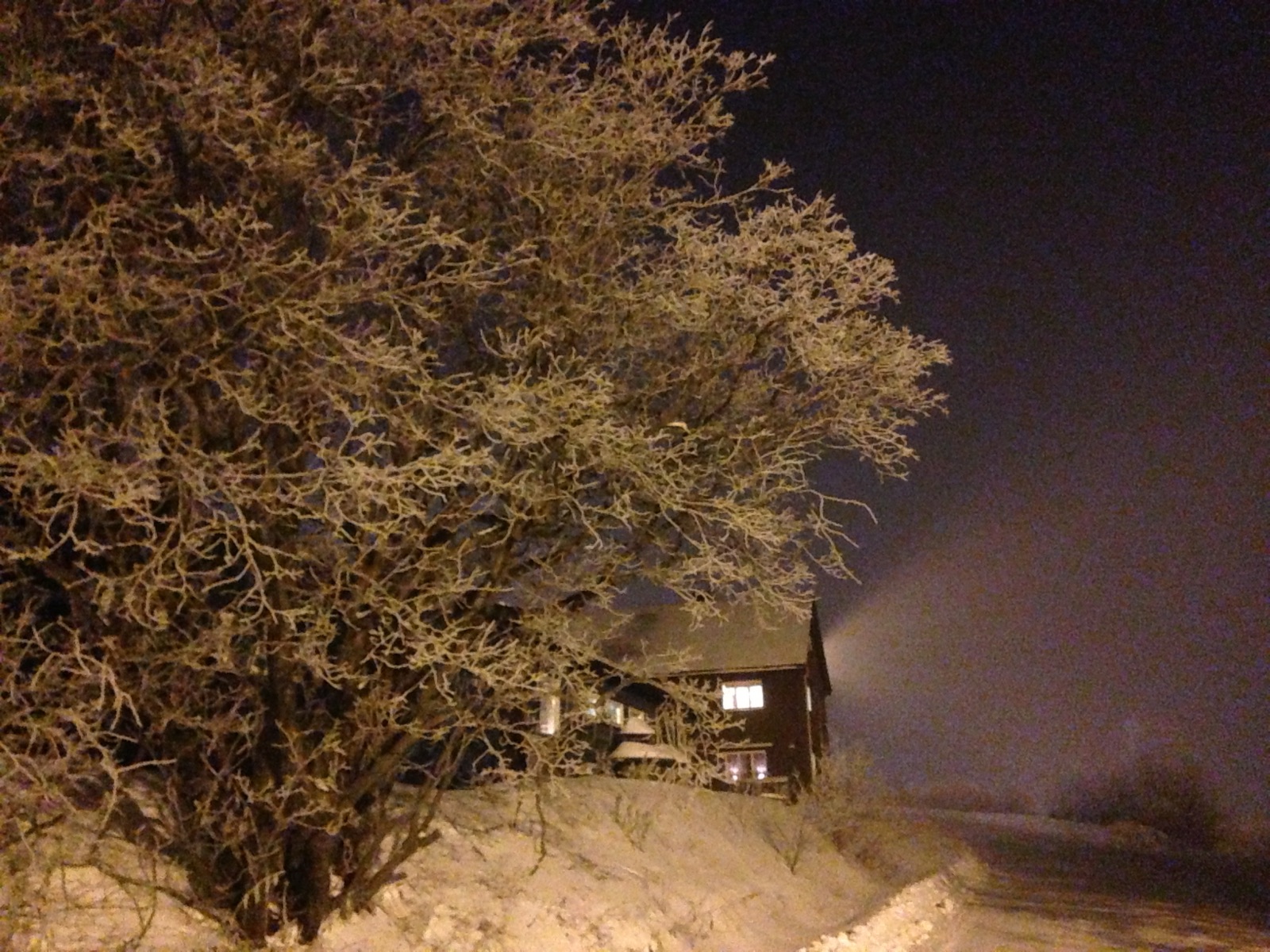
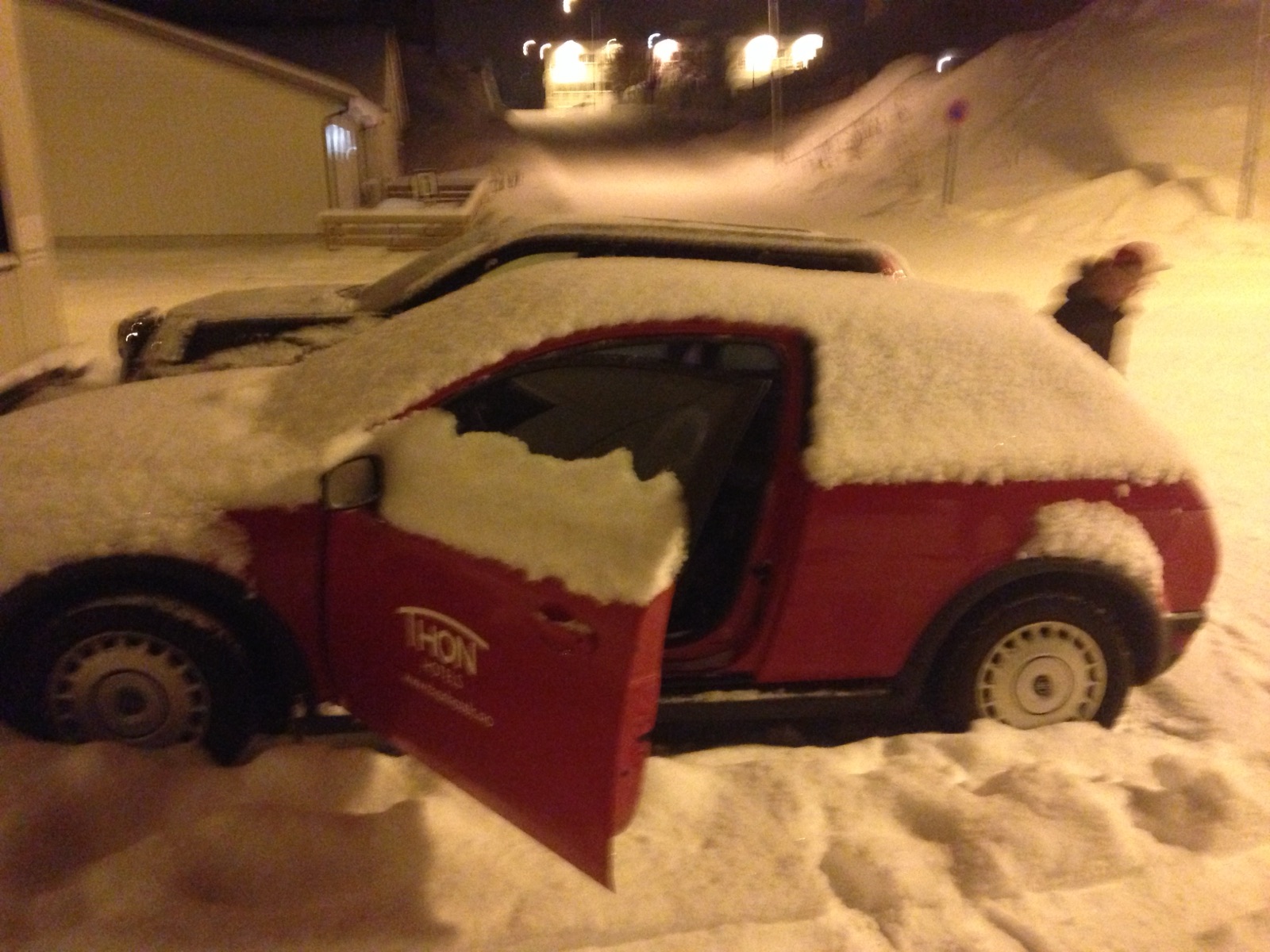
At that temperature things stop behaving the way you expect. The birches come up completely white with hoarfrost, as if they were made of salt, and under a street lamp they look lit from inside. Cars disappear: there is one belonging to the hotel, red, of which you can only make out the door with the logo on it.
It was two kilometres from the house to work. I walked it every day, and that walk is what stayed with me most. Always the same: the town seen from the hill in a blue that does not exist anywhere else, the yellow lights scattered below, the packed snow of the road. I went out covered to the nose, hat pulled down, fleece collar over my mouth. There is a photograph from those days in which the only part of me you can see is my eyes.
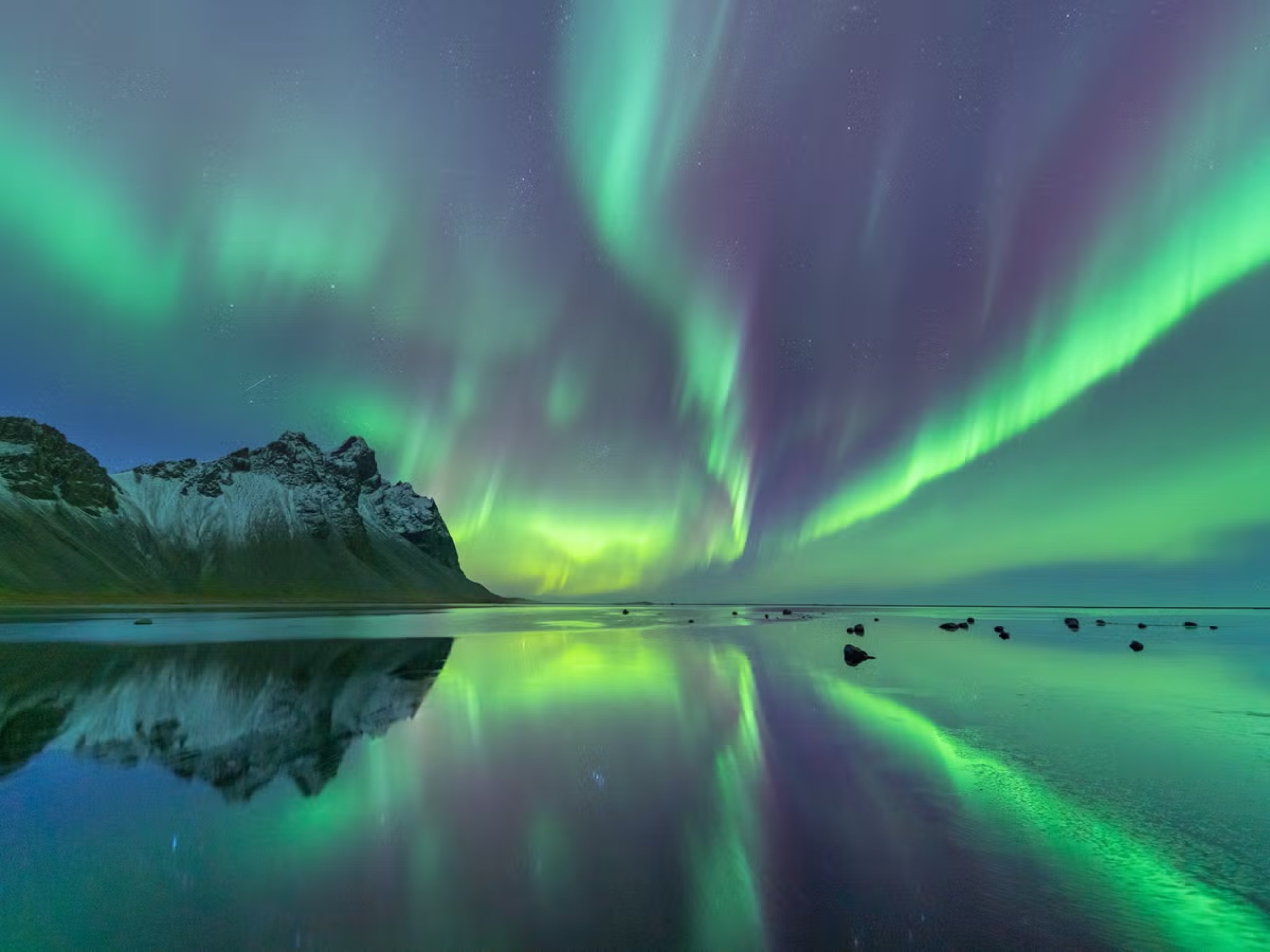
I walked with music on, hands in my pockets, wrecked with cold. And above me, many nights, the northern lights opened up.
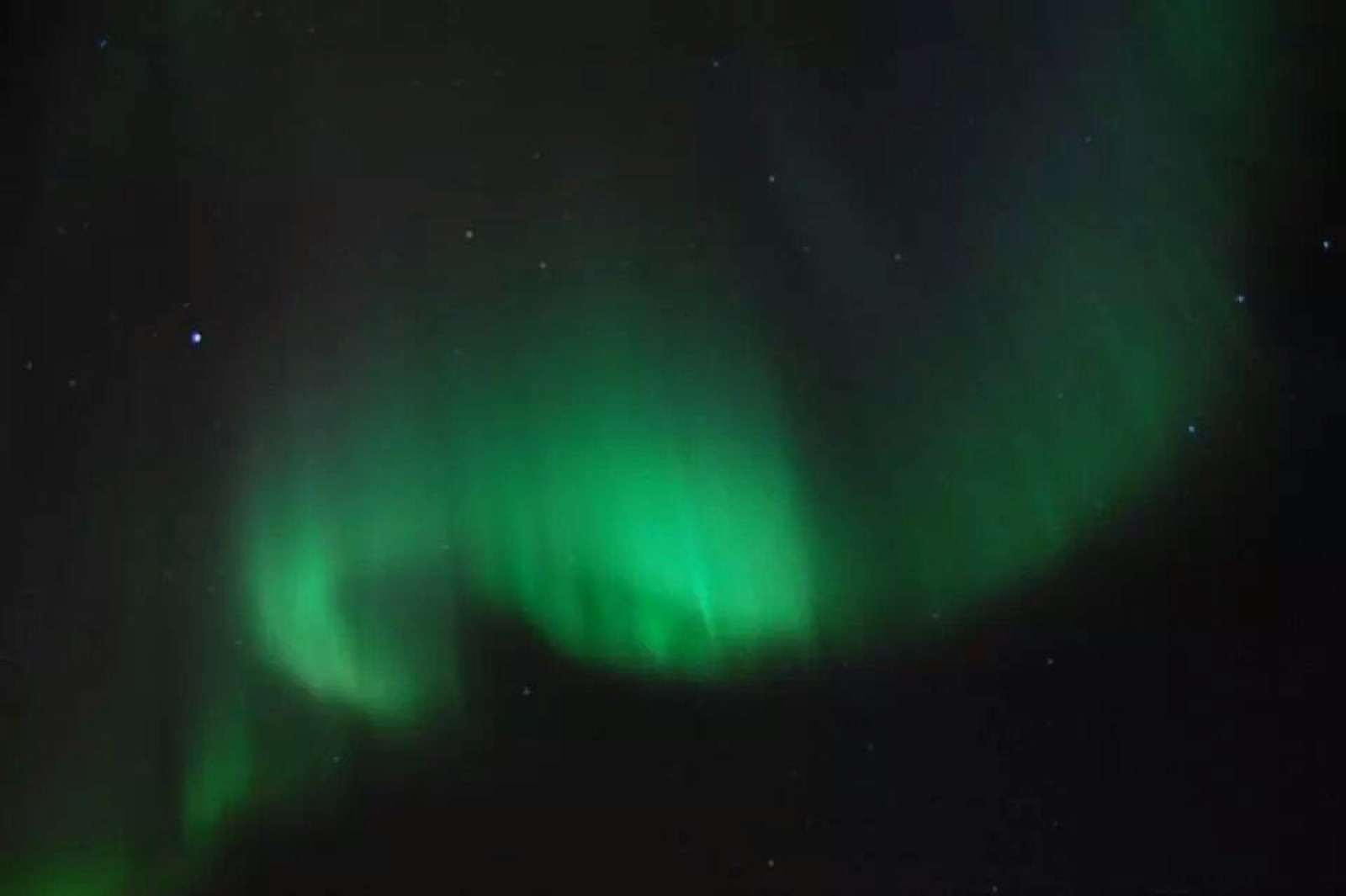
Out of all those nights I have exactly one usable photograph. With a 2014 phone you pointed at the sky and got black, so there are dozens of failed attempts and one that came out: a green smear, blurred, grainy, with two or three stars behind it. Technically it is a bad photograph. But it is from that night, I took it, and it is all I have of what I was looking at. The rest stays in my head: a man in his twenties walking alone across the snow at minus thirty, with headphones on, and the whole sky moving above him.
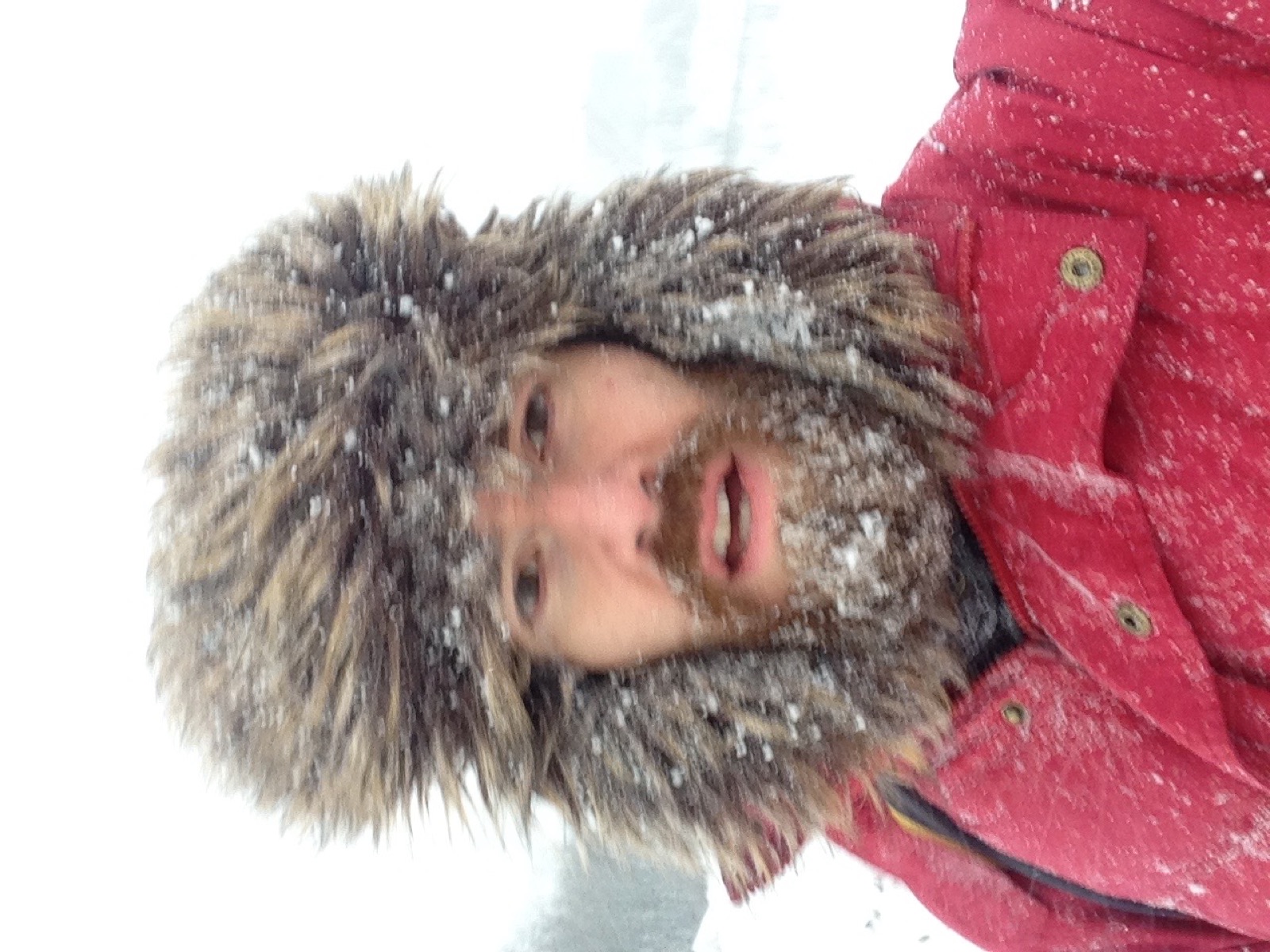
There is a photograph from those days in which the only part of me you can see is my eyes.
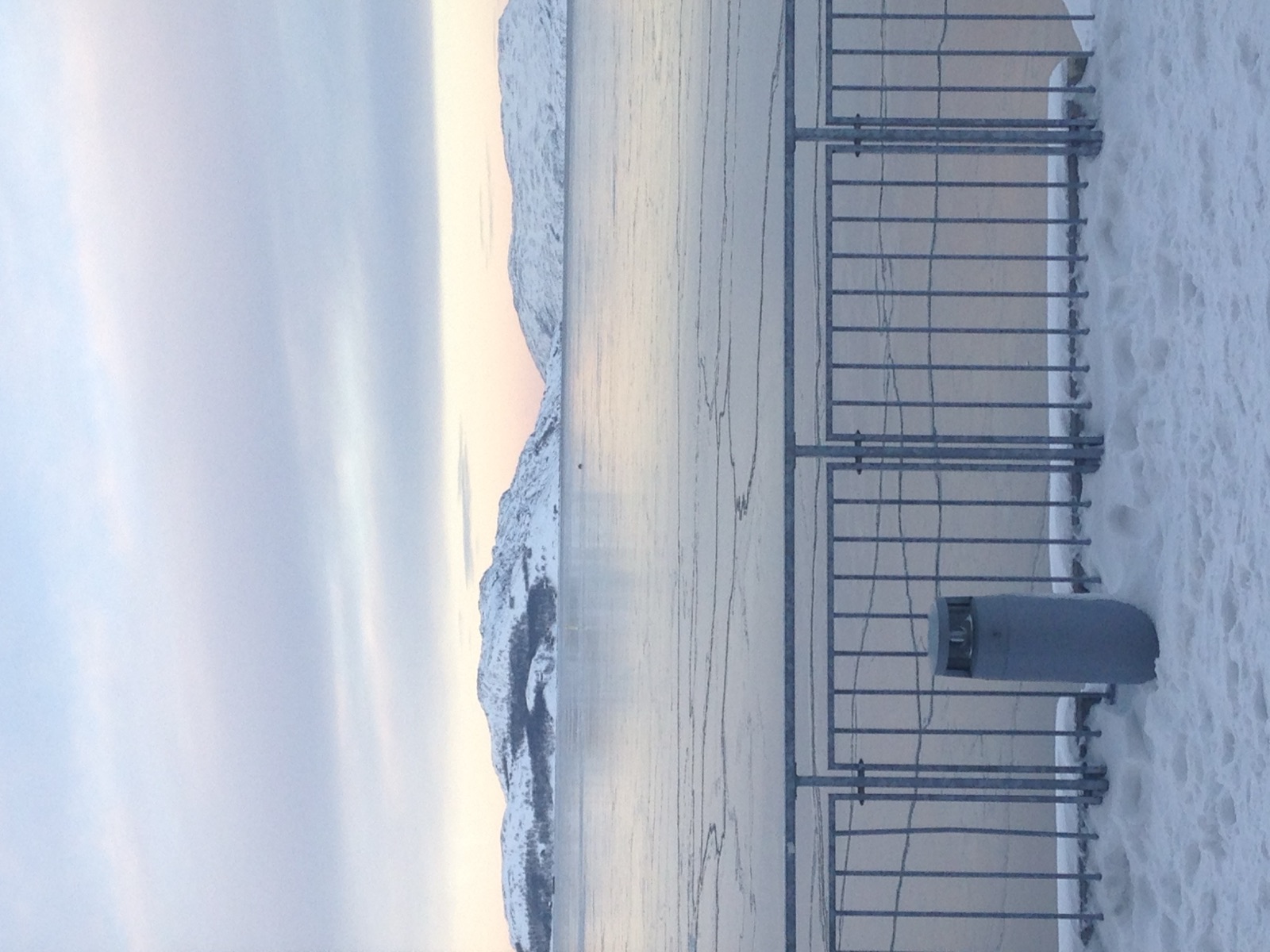
Kirkenes sits in Finnmark, about three hundred and fifty kilometres north of the Arctic Circle, on the Barents Sea. The street signs are in Norwegian and in Russian. It was bombed almost flat in the Second World War and rebuilt afterwards, and it is the end of the Hurtigruten coastal route: the point where the ship turns around.
Murmansk, and the promise I made there.
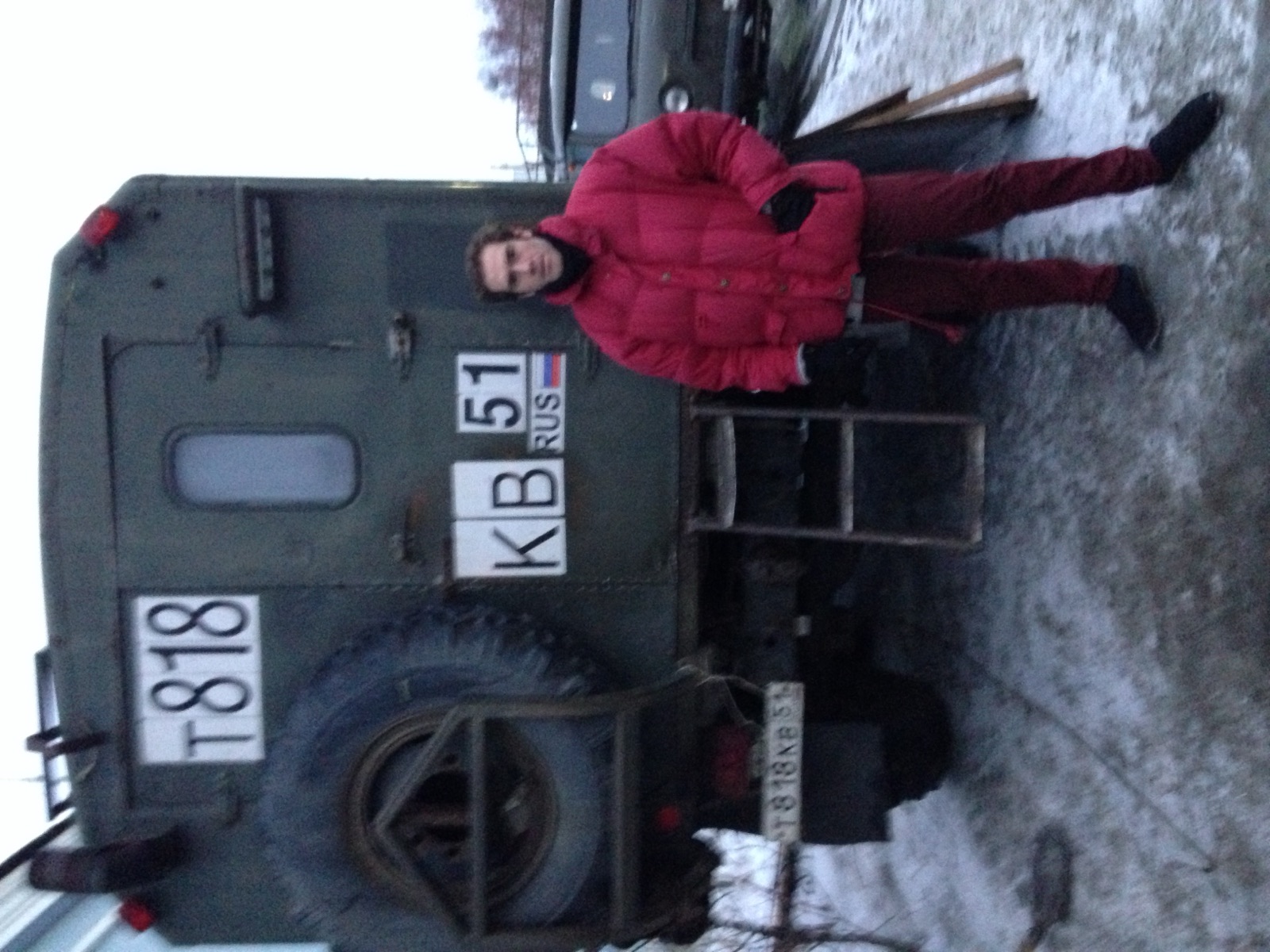
In the middle of December I crossed into Russia for the first time in my life. The border was right there, a short drive from town, and you live knowing that Russia starts around the corner until that becomes unbearable. I also had the passport for it: Chileans do not need a visa to enter. I crossed at Storskog and went to Murmansk for a few days.
I stayed through Couchsurfing. A woman put me up and then took the trouble to show me the whole city and the country around it, in a cold that gave no quarter.
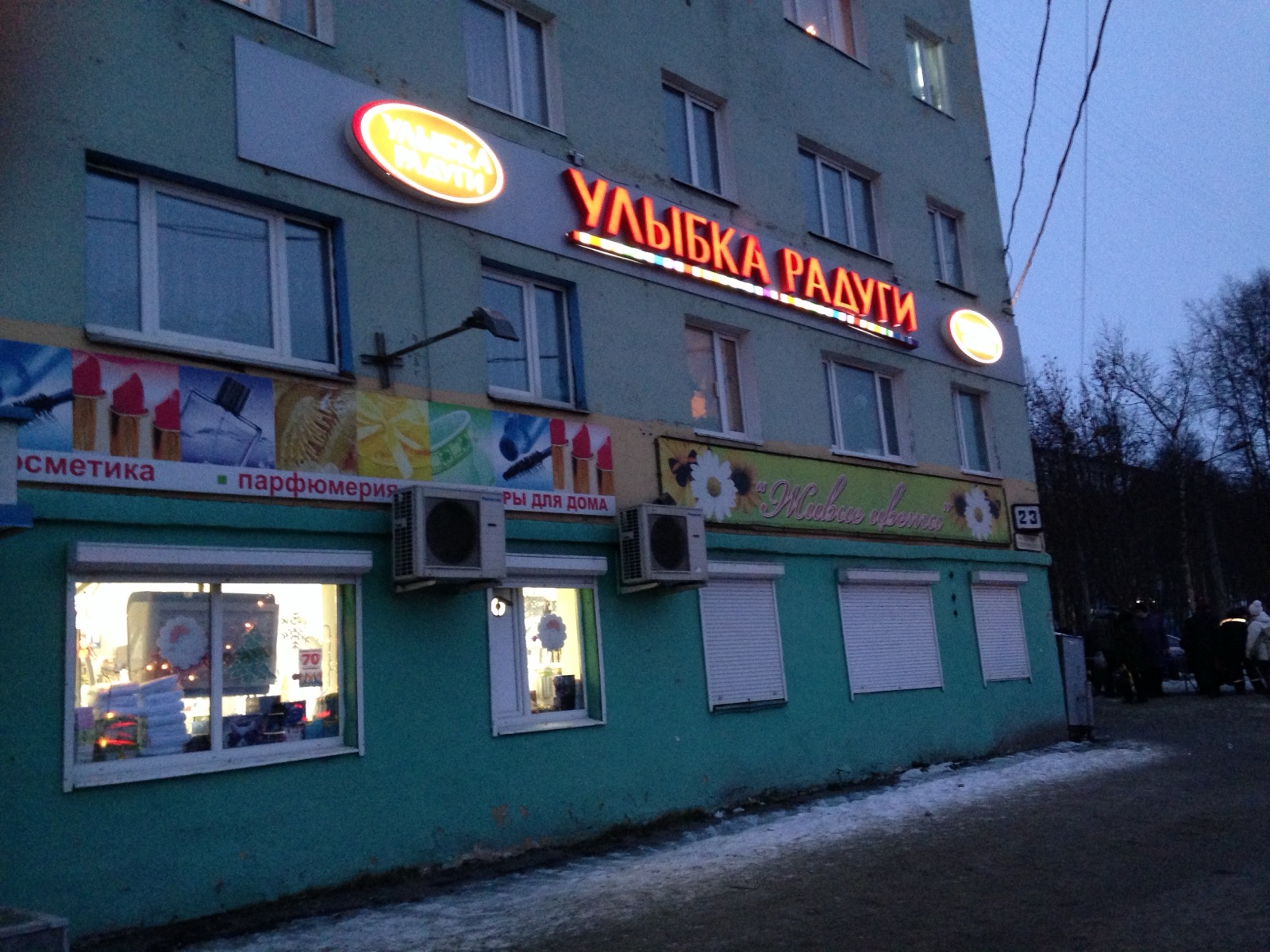
And the first thing that hit me was not the cold: it was the poverty. I had come from Norway, which is the other end of the planet in that respect, and crossing a few kilometres and finding that left me quiet. It is an enormous region and a very long way from Moscow, and it shows in everything. The buses are old, from another era, and they keep running because they have to keep running. People were wearing clothes they had made themselves. The buildings are five-storey Soviet blocks lined up one behind the other, windows lit yellow and orange, cars buried in dirty snow.
We went to see the ships in the port. The big one, moored there as a museum, is the nuclear icebreaker Lenin: an enormous black hull with a white superstructure and the name painted in Cyrillic on the bow. And we climbed up to the Alyosha, the memorial to the defenders of the Arctic, with its eternal flame burning inside a bronze star.
I promised the person who put me up that one day I would come back on a motorcycle. At the time I did not have one. That promise is still open.
And I brought back the only thing worth bringing back from there: an ushanka. A giant fur hat, absurd, which from that day on appears in practically every photograph I have of Kirkenes. That hat saved my winter.
That hat saved my winter.
A huge house, a Serbian cook and exactly one friend.
None of us lived in our own place. They put us all up together in a huge staff house, and the whole world was inside it. The cook, the same one in the photographs holding the king crab wide open, was Serbian. There were Russians, Italians and Lithuanians. The Italians were two, both dark-haired; one was called Paolo and I cannot remember the other one's name, which tells you enough.
I slept right at the top, on what would be a fourth floor, in a kind of attic. Sloped ceiling, not much room and one window. In winter that room was the best thing I had: I went up, shut the door, and the hotel was over.
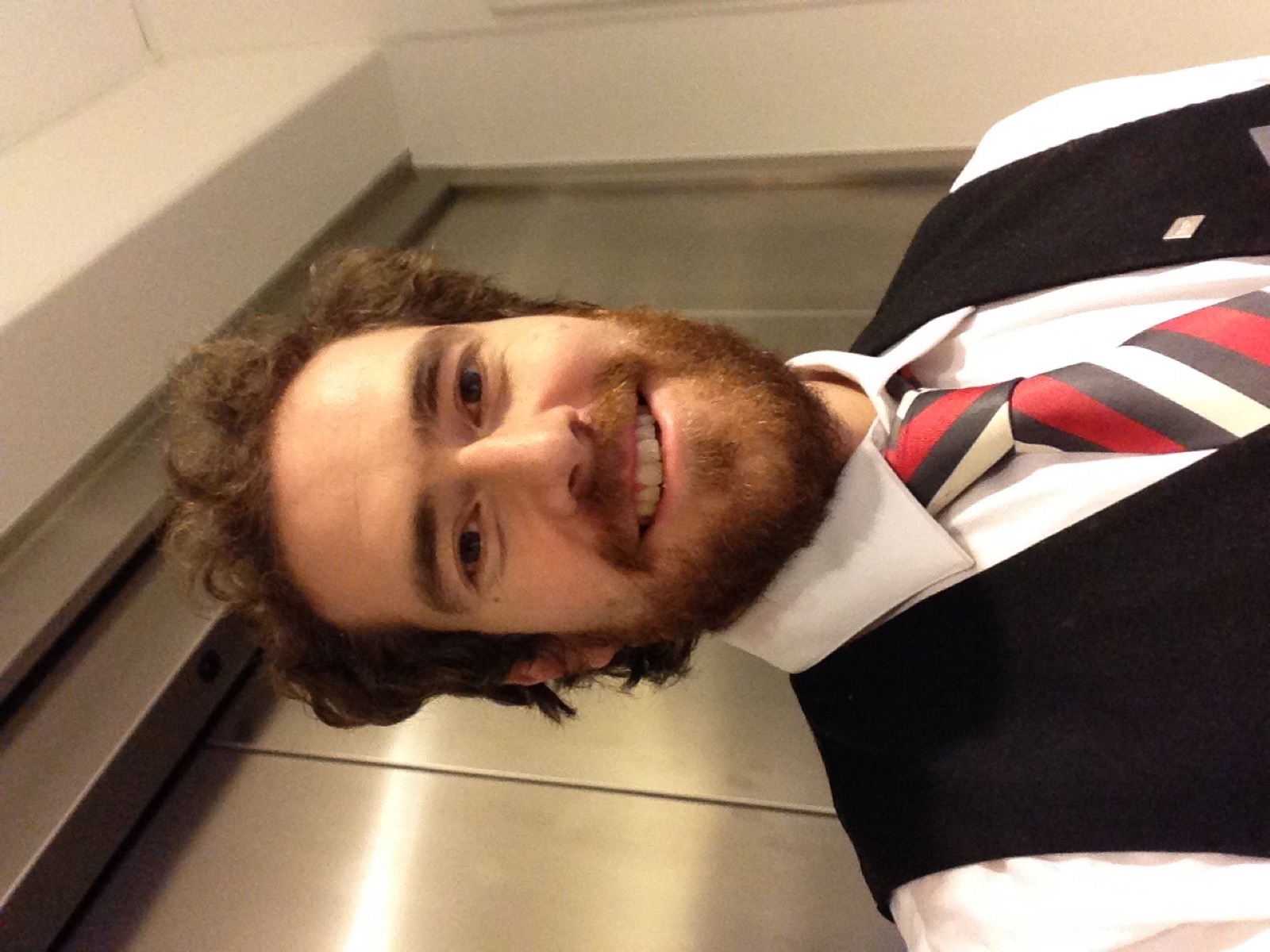
The job started at the very bottom: kitchen, washing up, cleaning. Then they started putting me on the bar, and finally in the restaurant. White shirt, black waistcoat, red striped tie and a name badge. There is a photograph of the six of us lined up at the door of the dining room with the menus in our hands, waiting for it to open. All young, all from somewhere else.
I got on very well with the Russians. Not with the Norwegians. And with my boss it was worse: a bad-tempered man, the kind who arrives loaded and unloads on the first person he finds. I had a lot of trouble with him, and in a town like that it weighs differently, because there is nowhere to go. I could not change jobs, I could not change city, and there was no sun to clear your head. You came off shift and outside it was dark and minus thirty. I put up with it, and not out of good will: I put up with it because every shift was a piece of motorcycle, and I was very clear about that sum.
And there was Ruslan. Ruslan was Lithuanian and he was my only friend there. One, in four months. In a place where the sun does not rise, where the language is not yours and where the work is at night, having one person you can properly talk to is not a small thing: it is the difference between getting through the winter and enduring it.
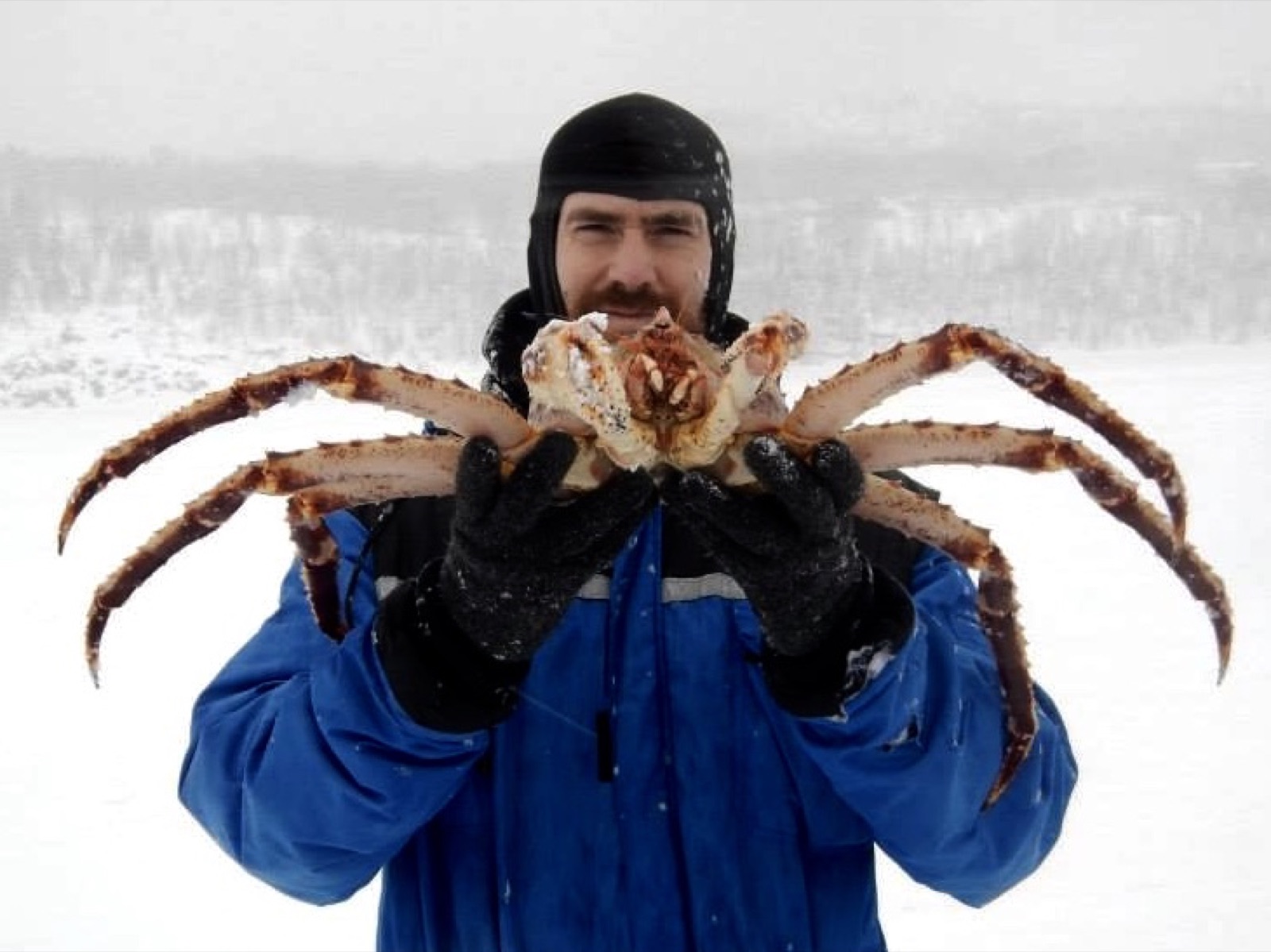
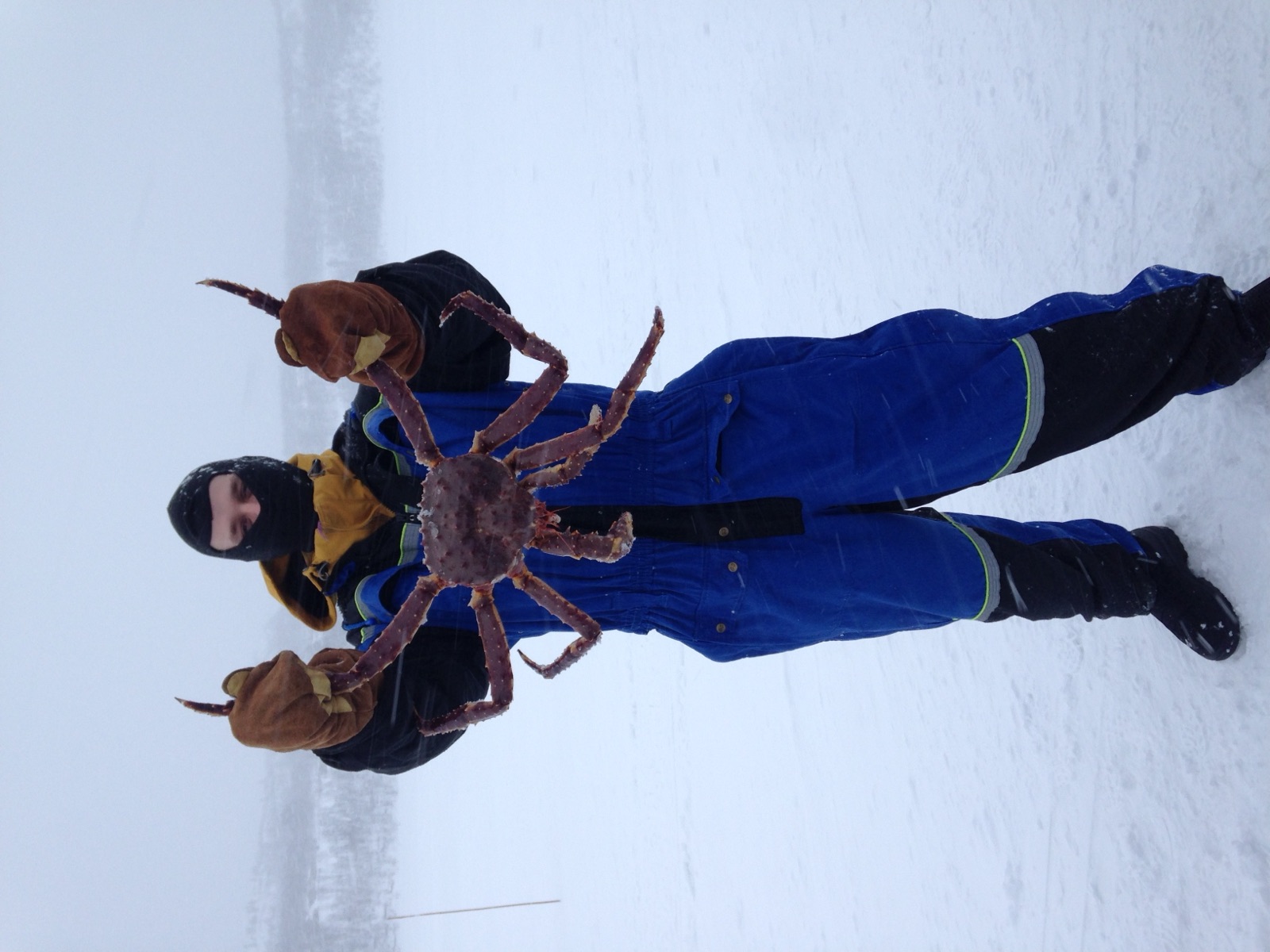
Kirkenes is on the Barents Sea and there the king crab is an institution. There is a photograph of a cook lifting a creature that spans the entire width of the crate, legs included, and another of a steel tray of cooked legs, red, on lettuce with lemon, mayonnaise and cocktail sauce. That was the dish I served.
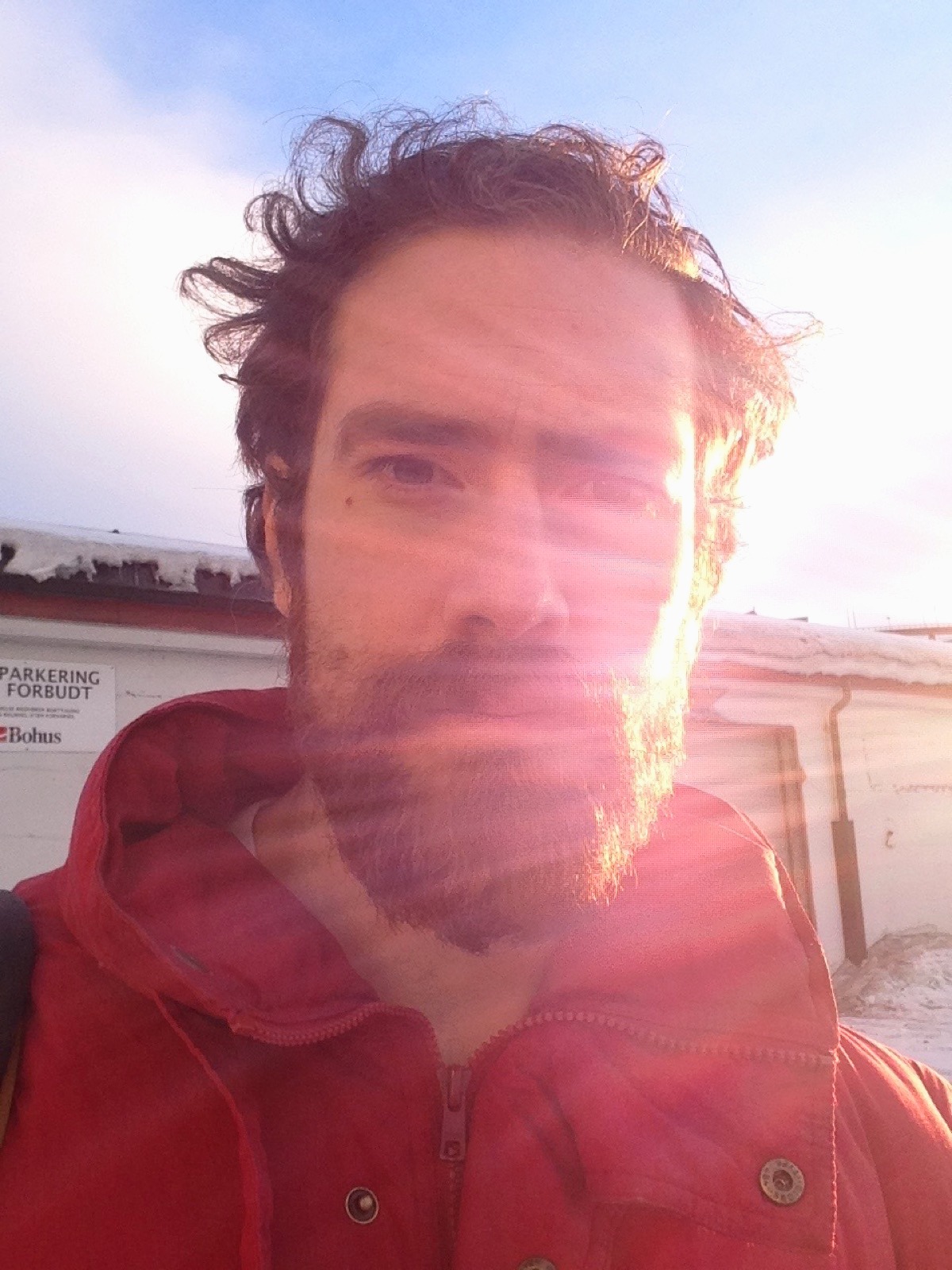
What I ate was another matter. No sun, no exercise, working nights and eating rubbish, I put on about ten kilos. It is not an exaggeration: you can see it in the photographs. I arrived thin in November and by March I was someone else. I also grew the beard and the hair long, which at that temperature is not a style, it is insulation.
Every shift was a piece of motorcycle, and I was very clear about that sum.
Every shift was a piece of motorcycle.
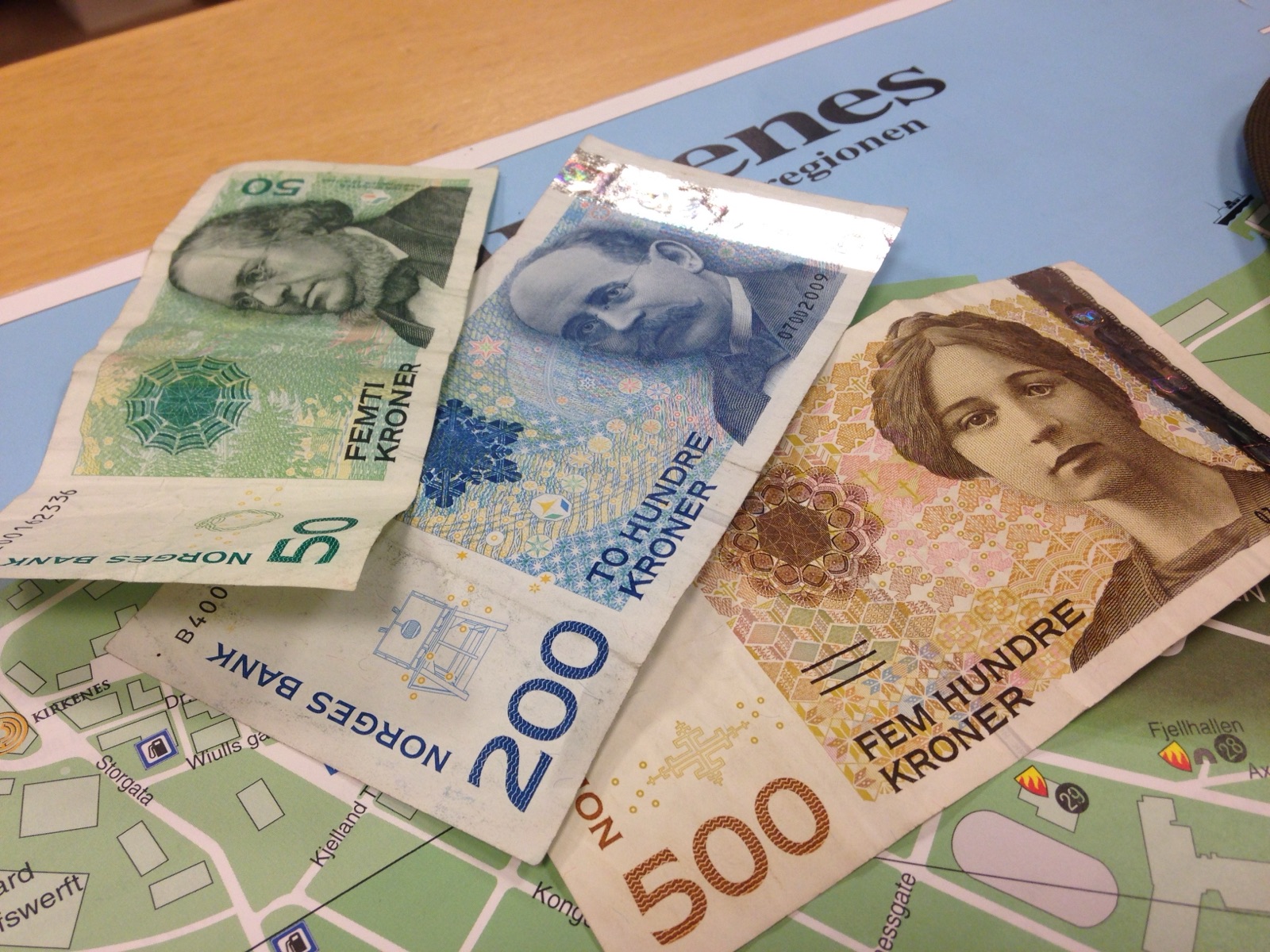
The money was coming in. There is a photograph of a five-hundred krone note, a two-hundred and a fifty lying on top of a map of Kirkenes. That photograph is the whole project in one image.
And every night, up in the attic, I did the same thing. I read, and I went online to look for my motorcycle. Marketplace, classifieds, forums. Hours looking at bikes for sale in California, working out how much I had saved and how much I still needed, comparing mileages and prices of machines that were fifteen thousand kilometres and four months away.
I still have the screenshot. It is San Diego craigslist, motorcycles by owner, and at the top it says: BMW F800GS, eight thousand dollars, Imperial Beach. Below it the photograph of the bike, yellow and black, panniers fitted, parked against a wooden wall. I took it at one in the morning, with the phone at seven per cent and no signal.
That was my night life inside the Arctic Circle: an attic, a phone with no signal and a yellow motorcycle on the other side of the planet.
When I said it at work, nobody believed me. That I was going to buy a motorcycle and ride around the world. My colleagues laughed.
Sled dogs, a hotel made of ice, and crab under the frozen sea.
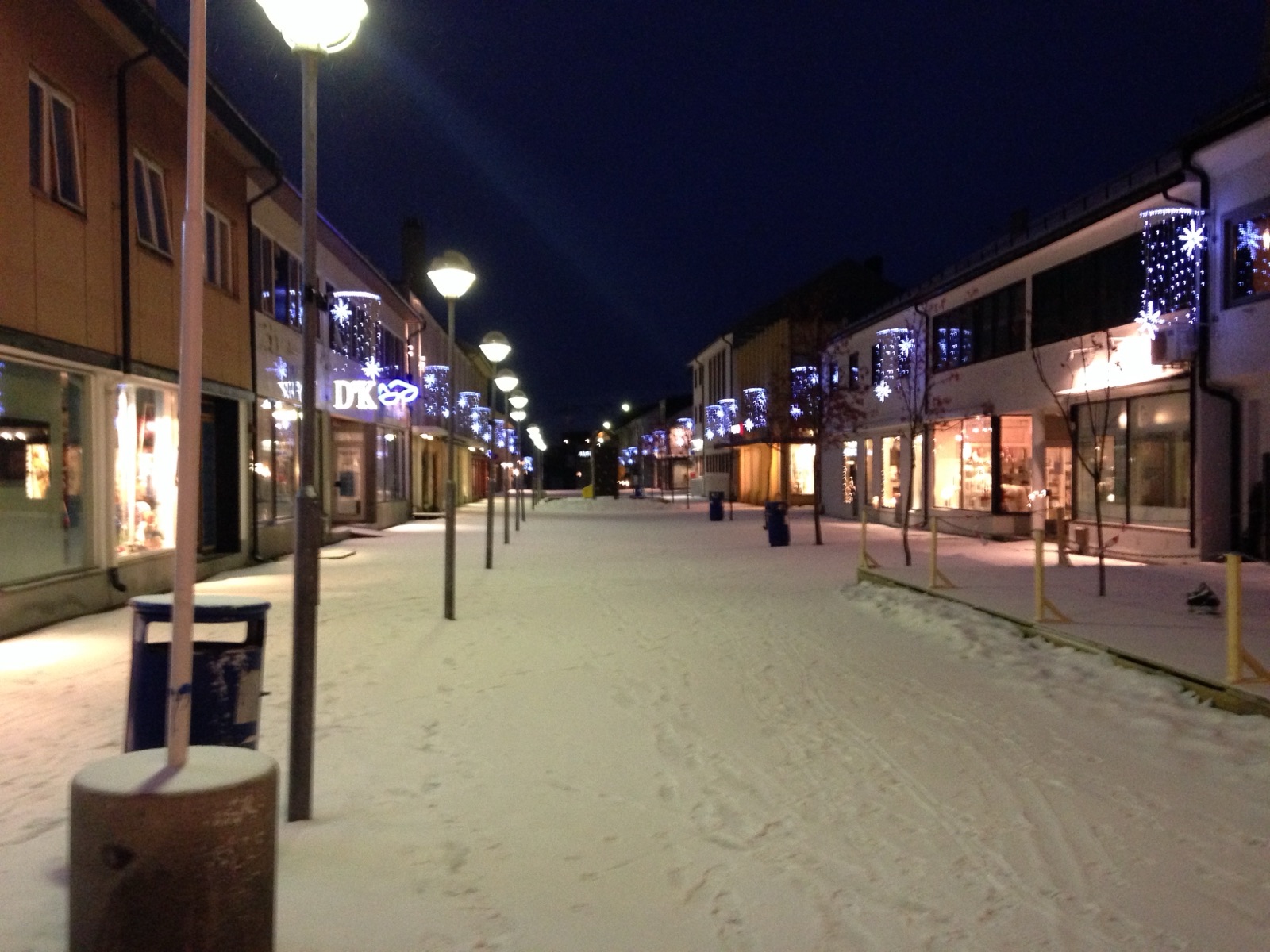
The town takes Christmas seriously, and in total darkness that makes complete sense. Every window has a light star hanging in it, and on 20 December, at quarter past twelve in the day, with the sky dark blue, the main street was full of people standing around an open fire on the pavement: tables with red cloths, candle lanterns and reindeer skins over the chairs.
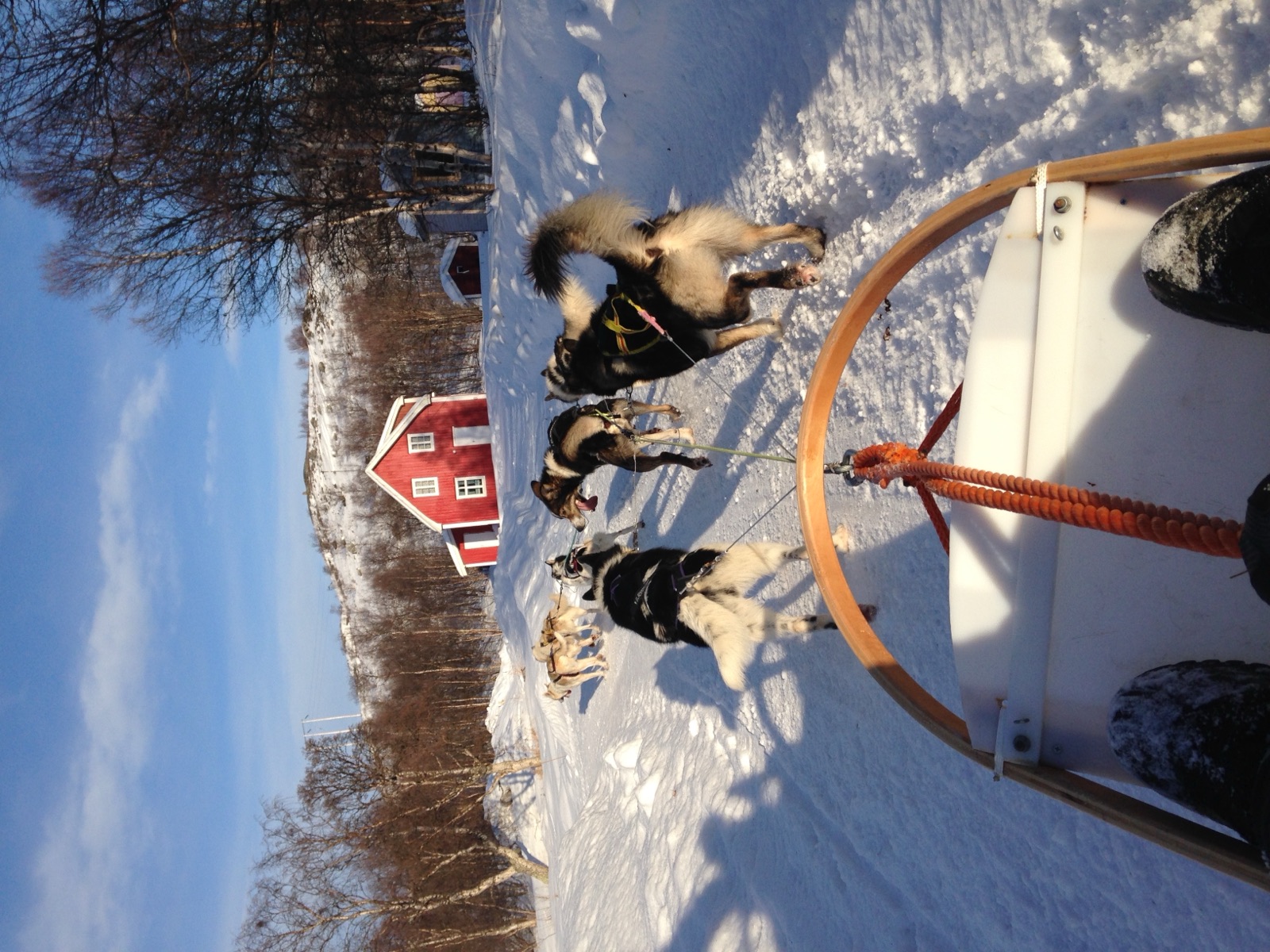
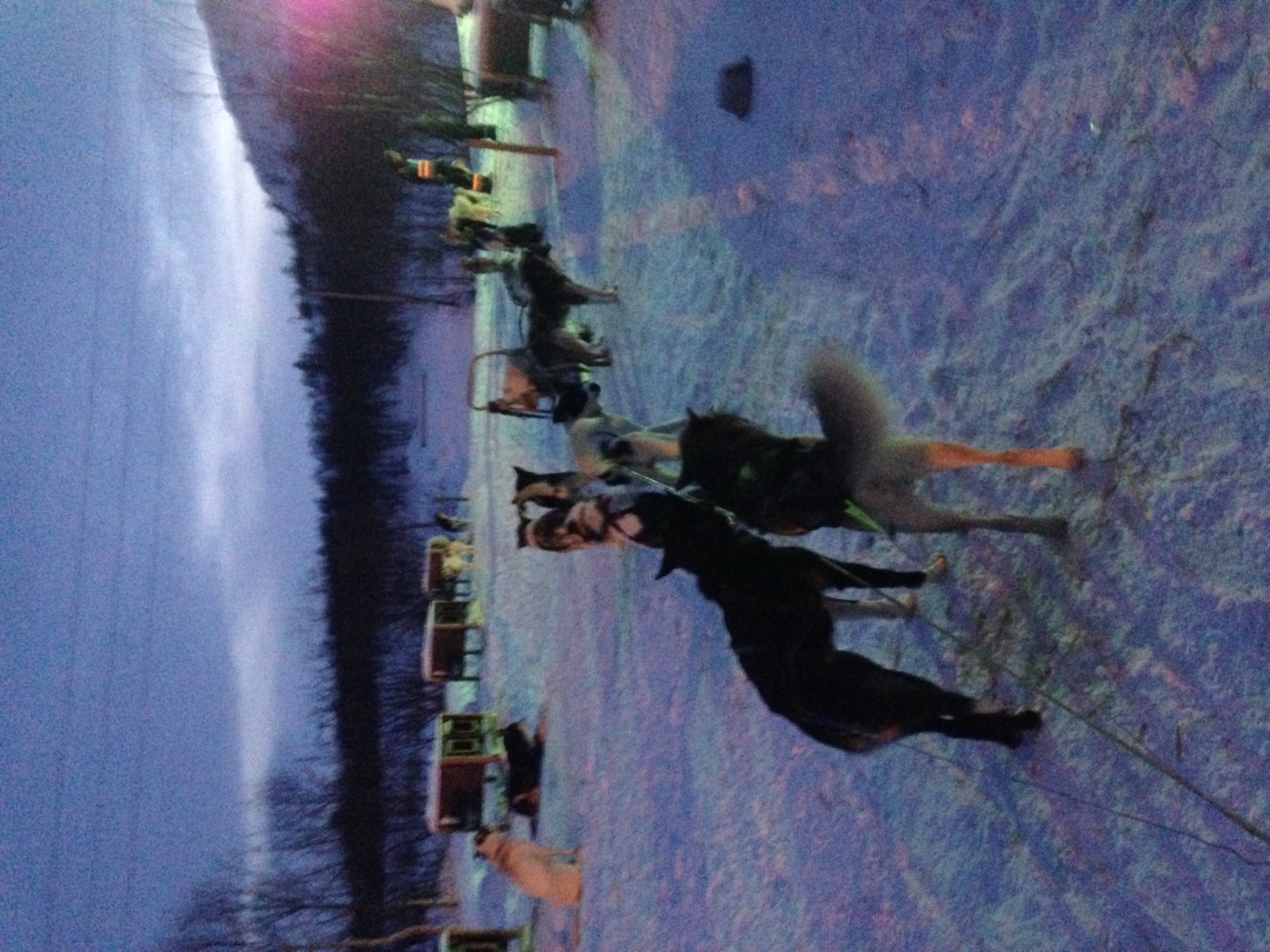
In January I went to a husky camp and got on a sled. It was one of those things you do once in your life. And it was in the dark, of course, like everything up there. In the video you can barely see anything: the dogs pulling in line ahead, only just drawn in, the ground going past underneath, and all of it in that polar midday blue that is neither day nor night. What you hear is what the video does not keep: the dogs breathing and the runners on hard snow.
On 7 March I did the strangest thing of the whole winter: I went out to drop pots and pull king crab. We went out onto the ice in blue flotation suits and balaclavas, to a place south of Kirkenes where the fjord was frozen solid. They cut a rectangular hole in the ice, black against all that white, set a tripod over it and started hauling the pot up by hand.
And up came the crabs. Holding a live one in both hands, legs spread wider than your shoulders, in the middle of a white fjord with no horizon and a sky the same colour as the ground, is not like anything else.
Afterwards we went into a wooden cabin with candles and they cooked them right there and served them on steel trays, red, steaming, straight out of the water. Superb. There is no other way to put it. That day I ate better than in four months.
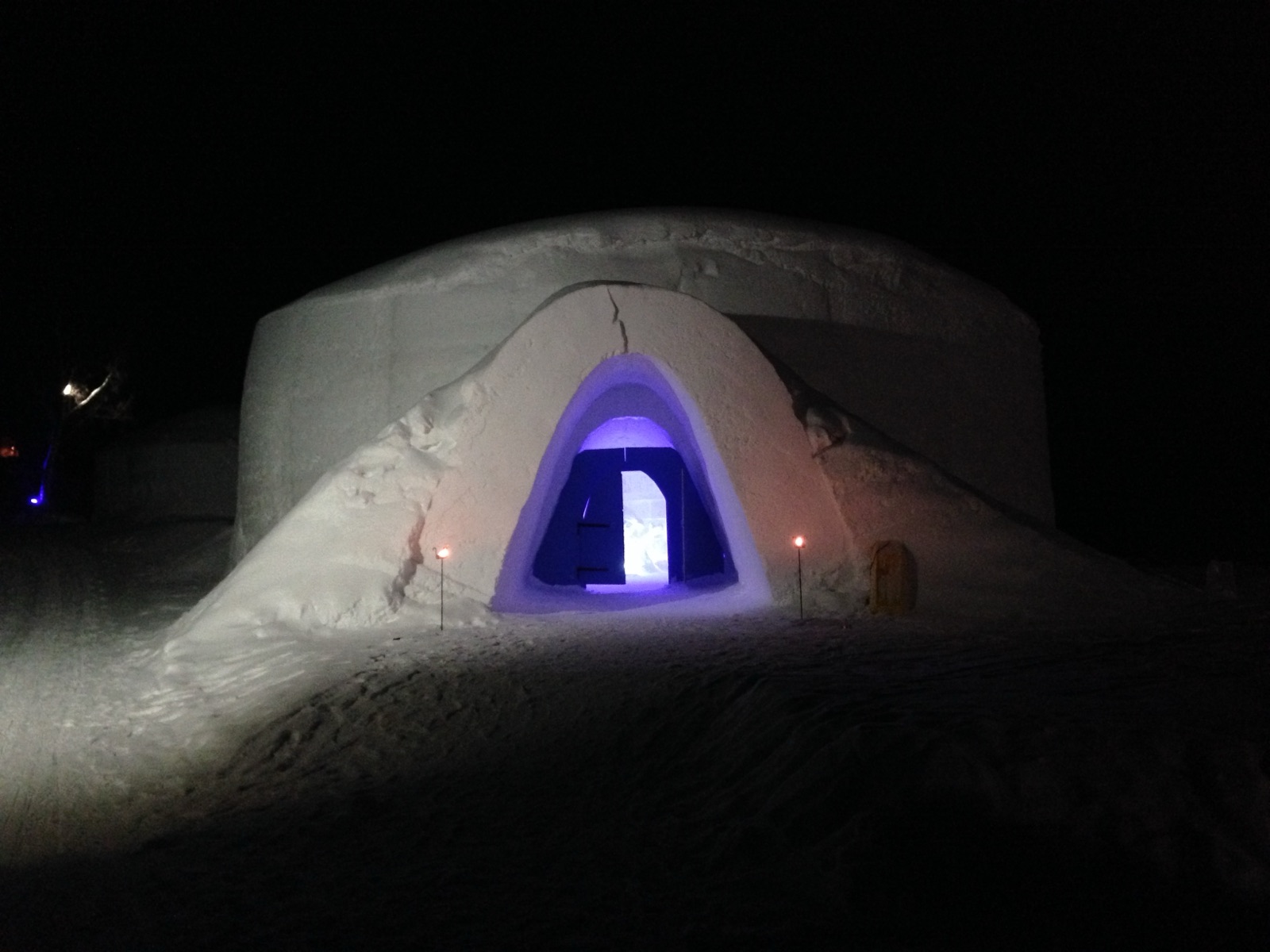
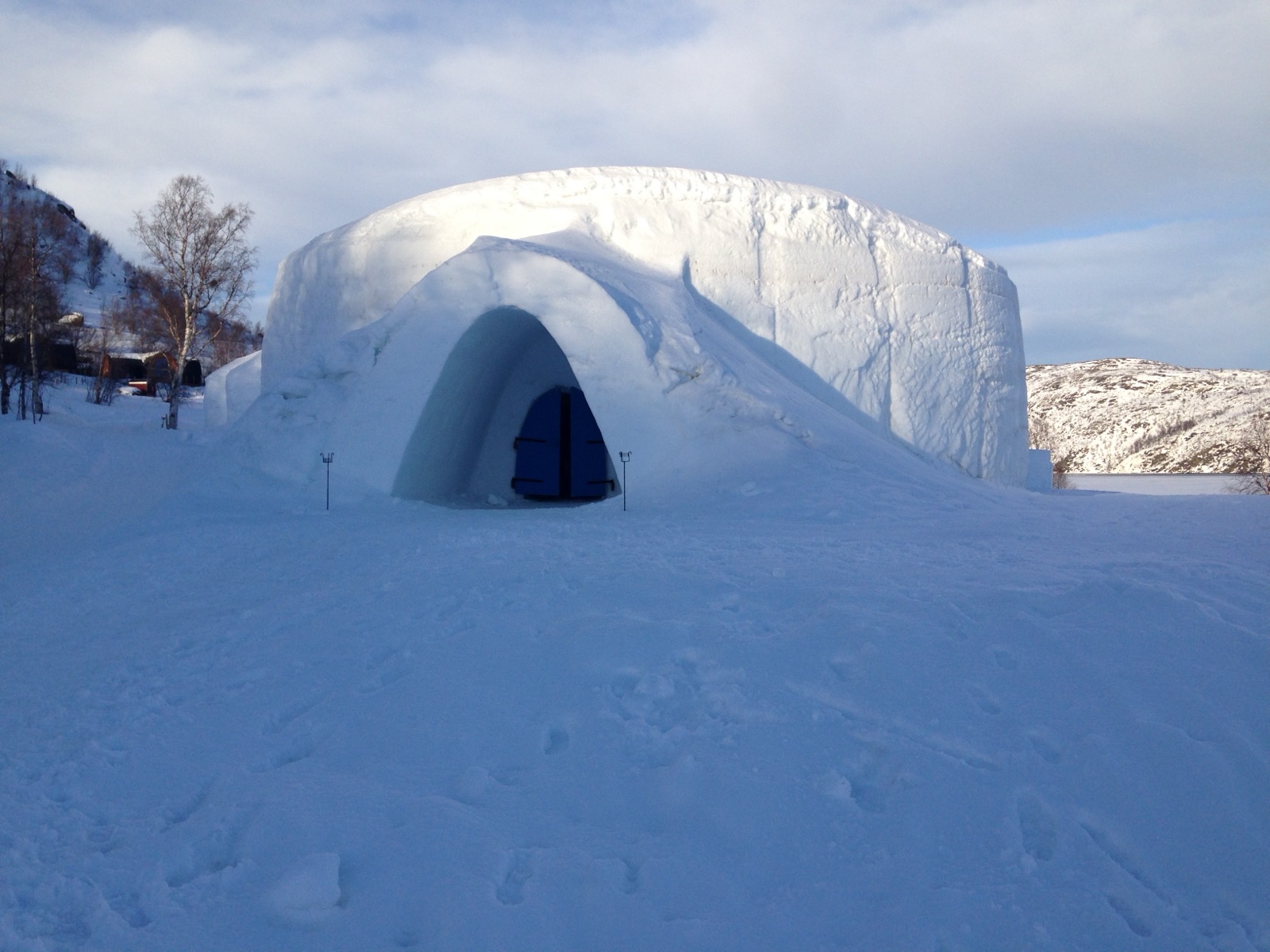
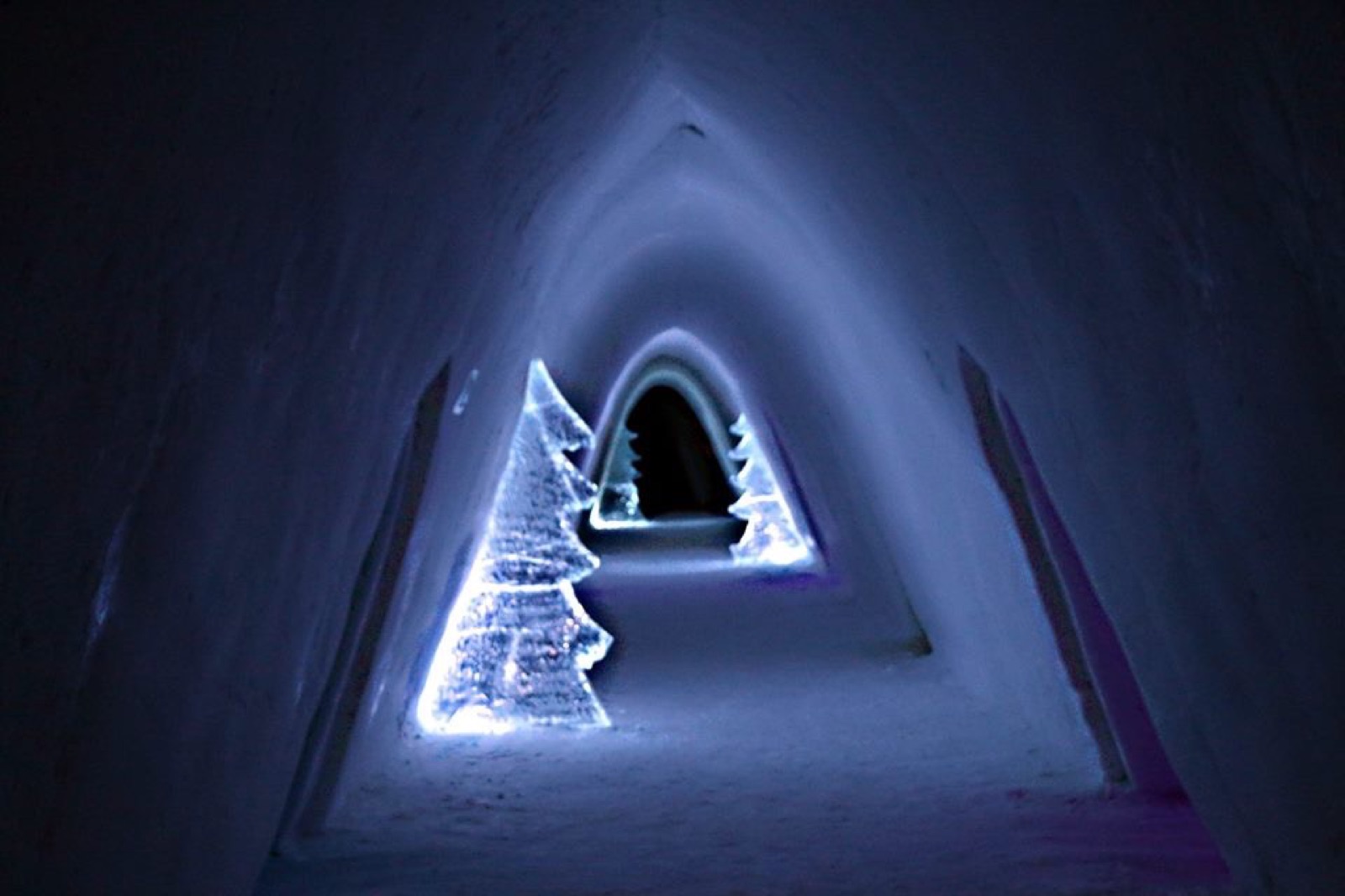
It melts every year, and every year they build it again.
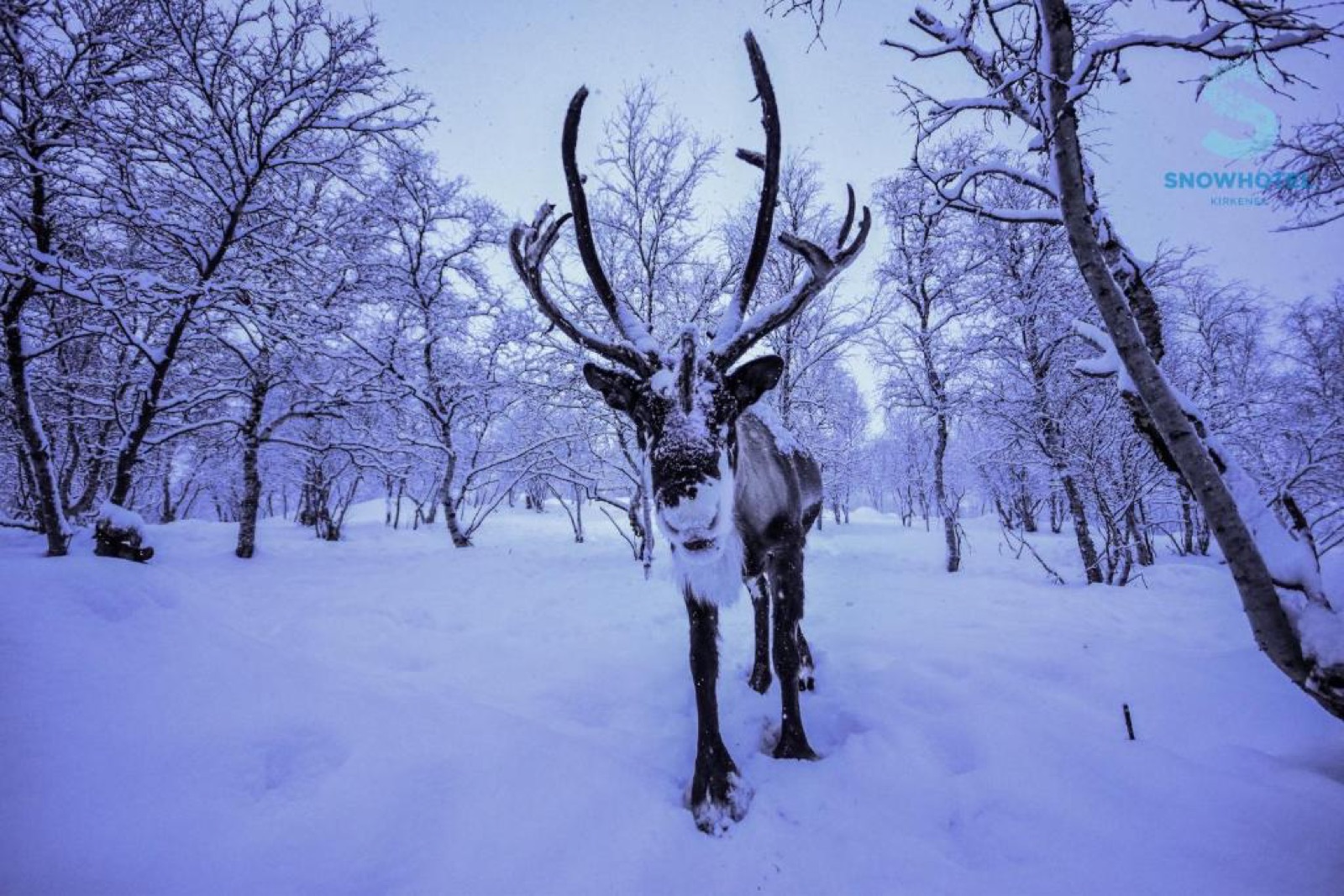
You go in through a snow tunnel lit blue, and inside everything is carved out of ice. An enormous mammoth with tusks. A Christmas tree cut into the wall. Beds made of blocks with reindeer hides thrown over them, and a bar where even the glasses are ice.
The Snowhotel was put up by a man from Kirkenes, Kare Tannvik, in 2006. It started with eight rooms, an ice bar and reindeer outside. What makes it worth telling is that it is not really a building: it is a building that melts. Every November they go to the lake next door, cut more than fifteen tons of ice out of it and build the whole thing again from nothing, with different sculptures each time. Whatever you are looking at has never existed before and will not exist again.
Inside, the rooms sit at four below zero, all the time. People who sleep there get a thermal bag and reindeer hides on top, and that is enough. It is warmer inside than outside, which is the part nobody believes until they walk in.
I went in January, in the middle of the dark, and again in March once the sun was back. It was one of the few things in those months that had nothing to do with a shift.
It is not really a building: it is a building that melts.
Snowhotel Kirkenes opened in 2006 and is rebuilt from scratch every November with ice cut from the lake beside it. It is the only snow and ice hotel in the world open all year round.
The same quay, three months later.
On 25 December at eight in the morning I took a photograph I did not know how to read until much later. It is the town from the hill, all blue, and above the horizon there is a thin orange band. It was the sun. It was not up yet, but it was already down there, giving notice.
On 15 February the sky above the town was pink and lilac. That, after three months, is an event.
And on 5 March there is a photograph of me looking straight at the camera with the sun on my face and a flare across the lens. I am squinting. I had forgotten that.
That same day I photographed the tugboat at the quay again: the same boat, the same quay, the same snow, but now with a pink sky and real light.
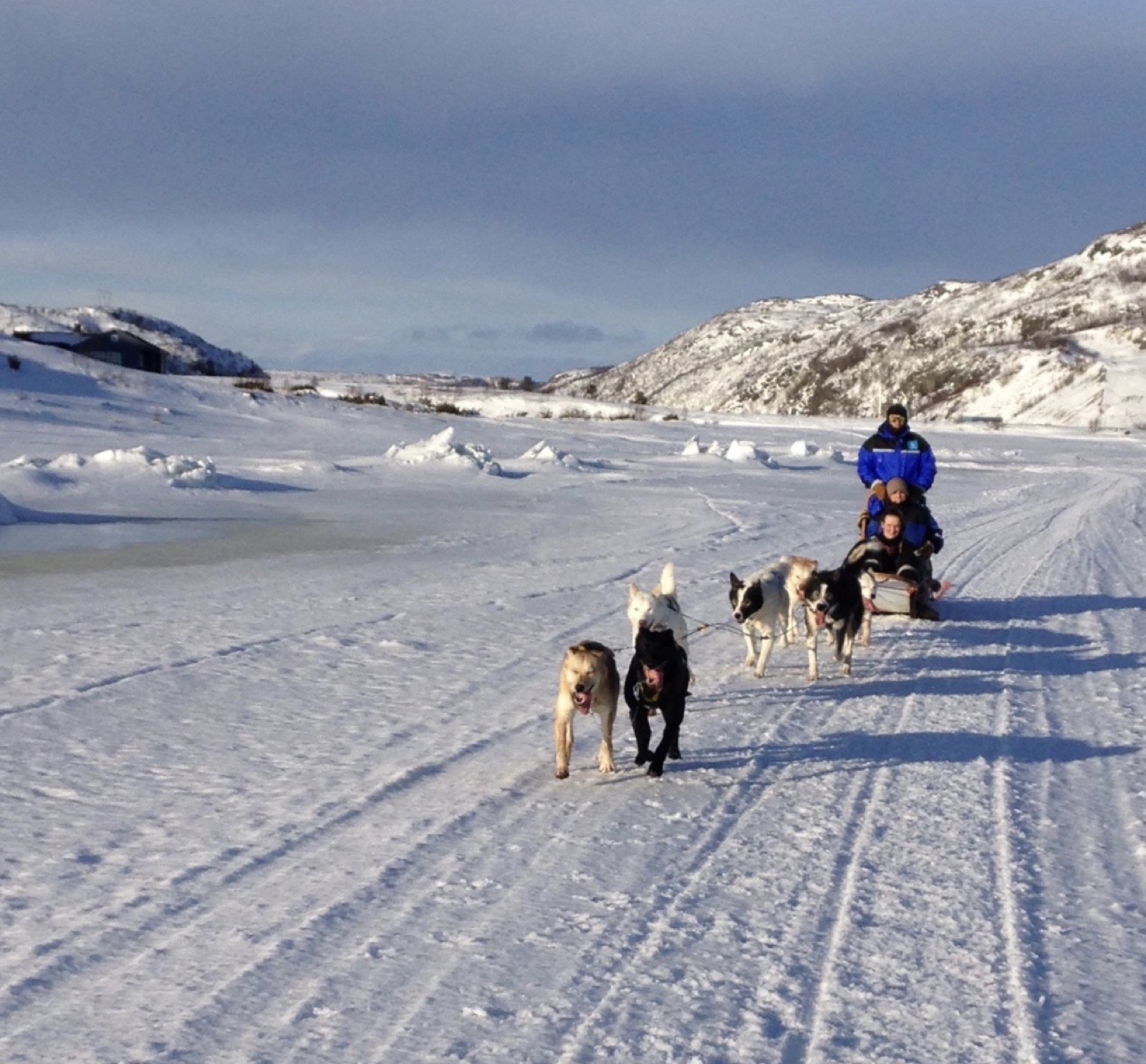
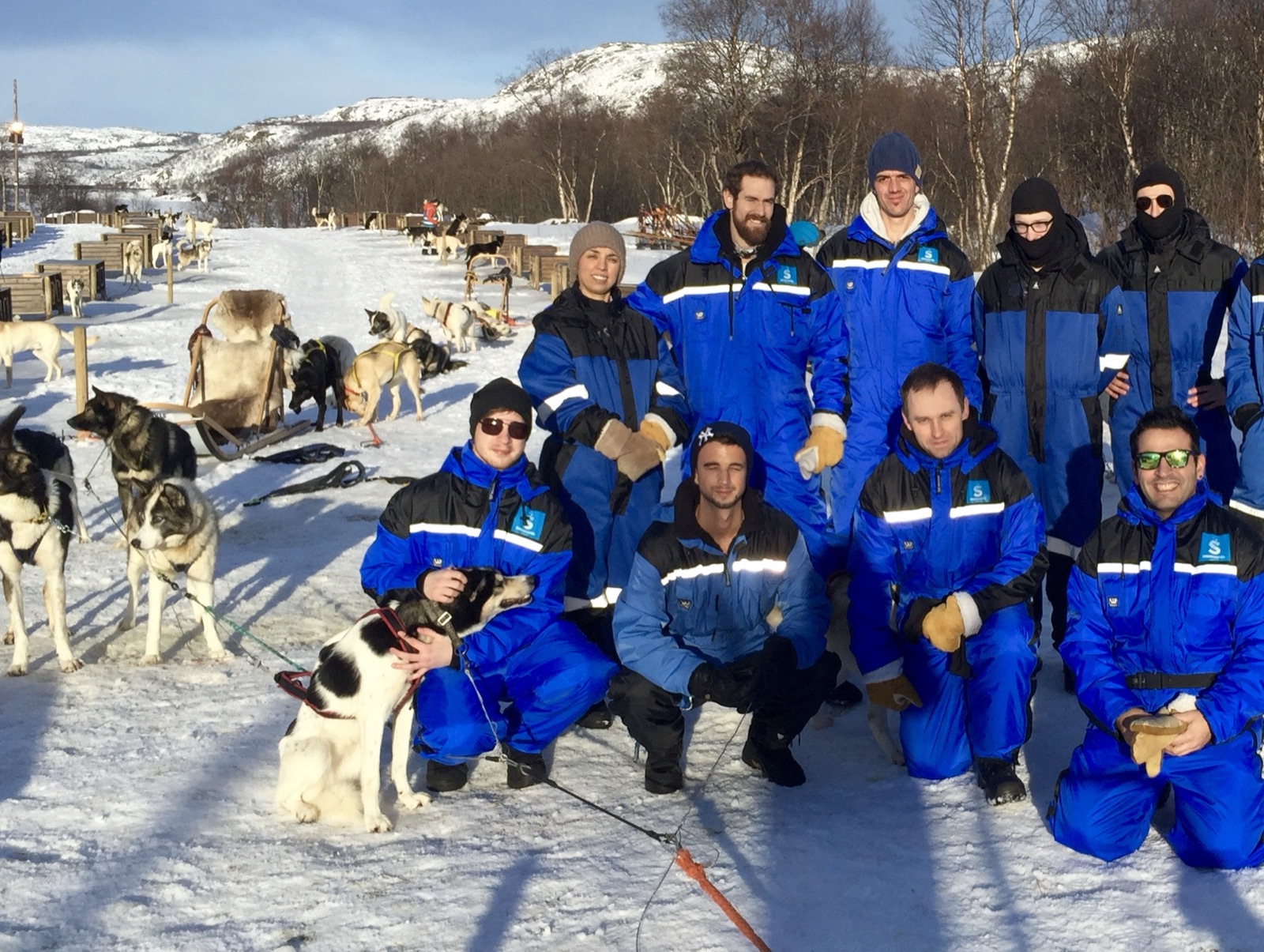
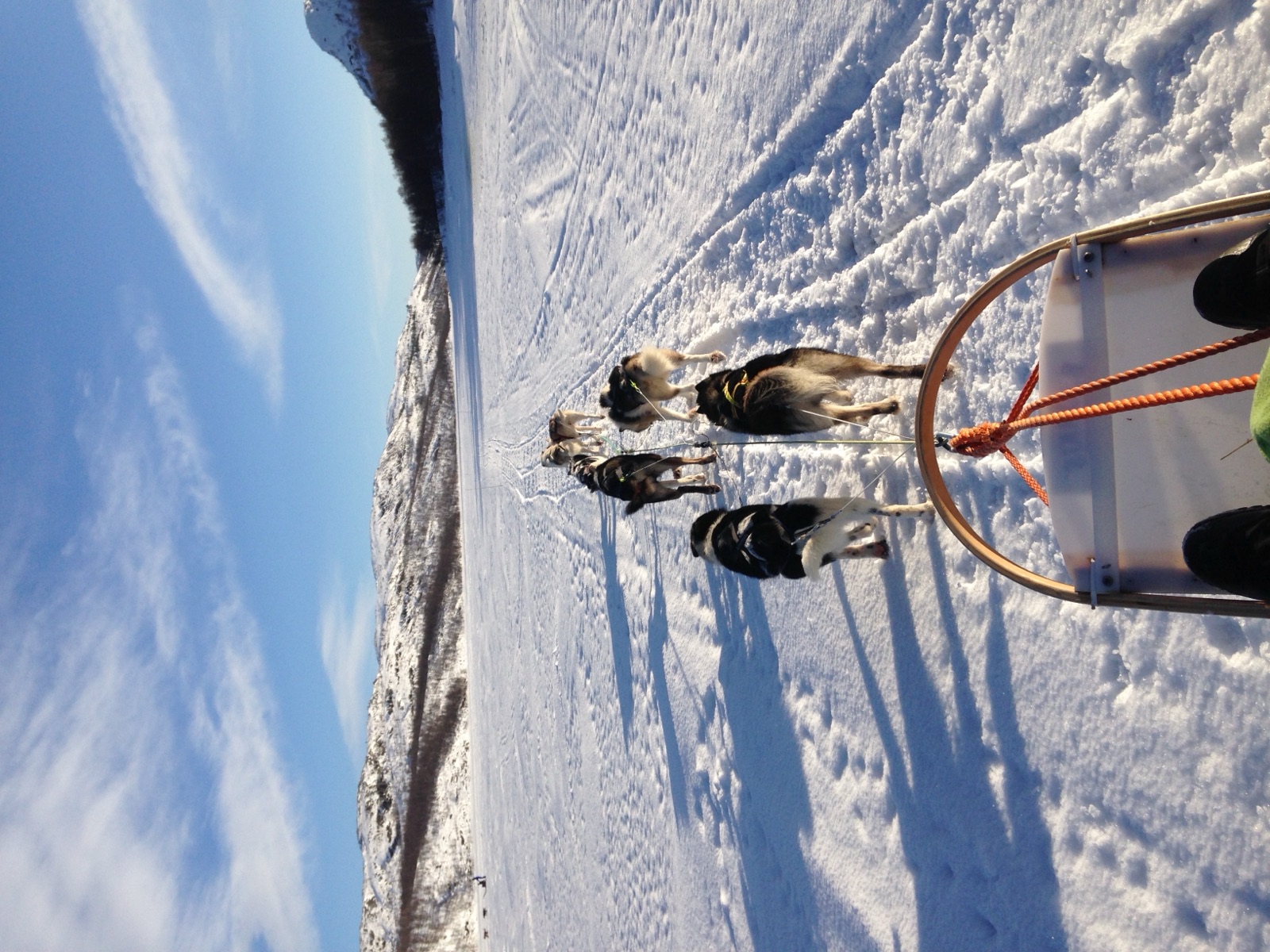
The day after the crab I went back to the huskies, and it was the second time but completely different from the first: now there was sun. Blue sky, long shadows on the snow, the dogs pulling between birches. There is a group photograph from that day, about twelve people in blue suits among the dogs, everyone squinting because we were not used to the light. In January the same outing had been in the dark. In March, in broad daylight.
That contrast is the whole winter, in two sled rides.
I left with what I came for.
On 20 March a blizzard caught me on the way to work. There are three photographs in a row of that and in all three my fur hat and beard are completely white, and behind me there is nothing at all. That was the winter's last punch.
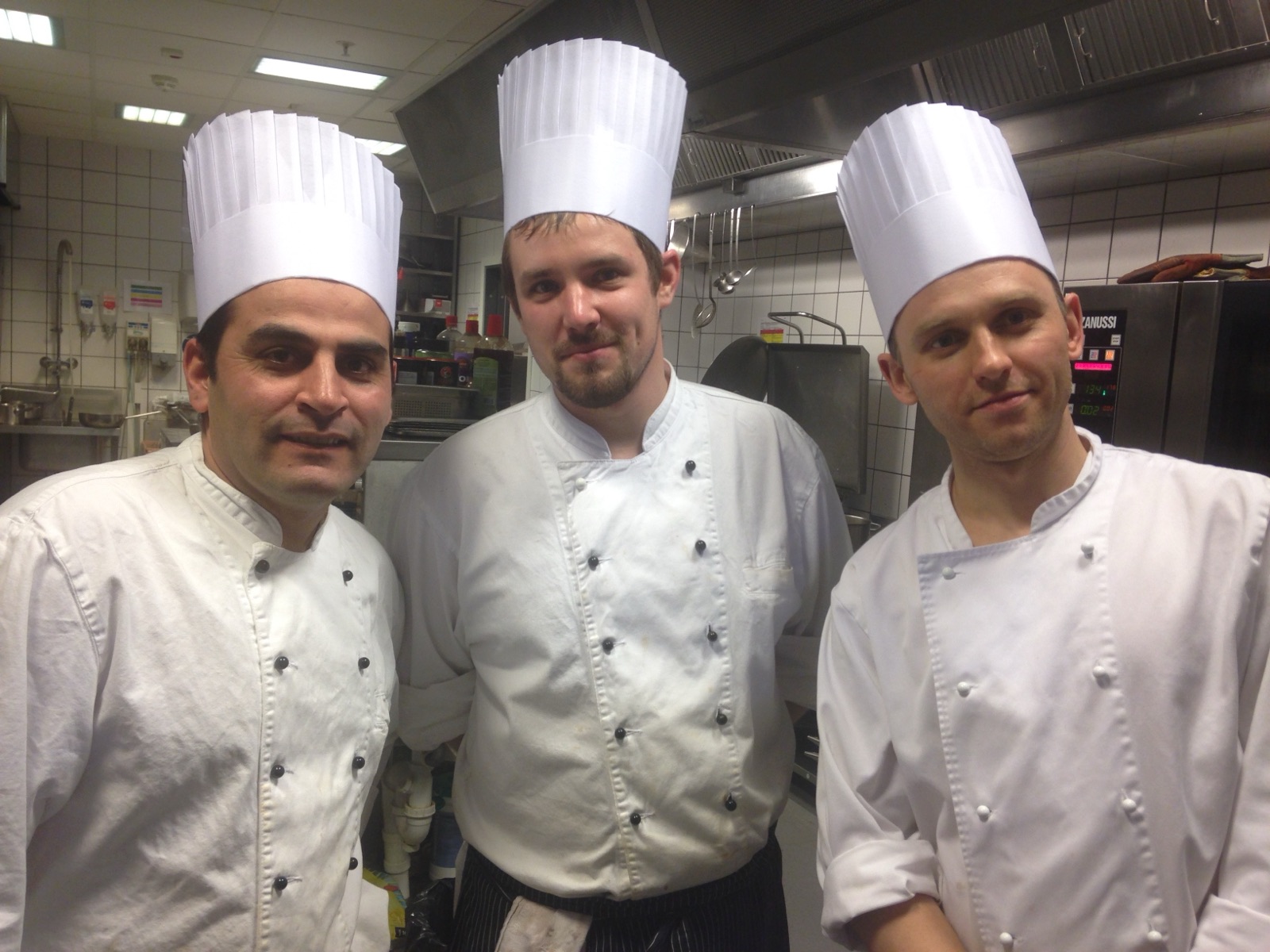
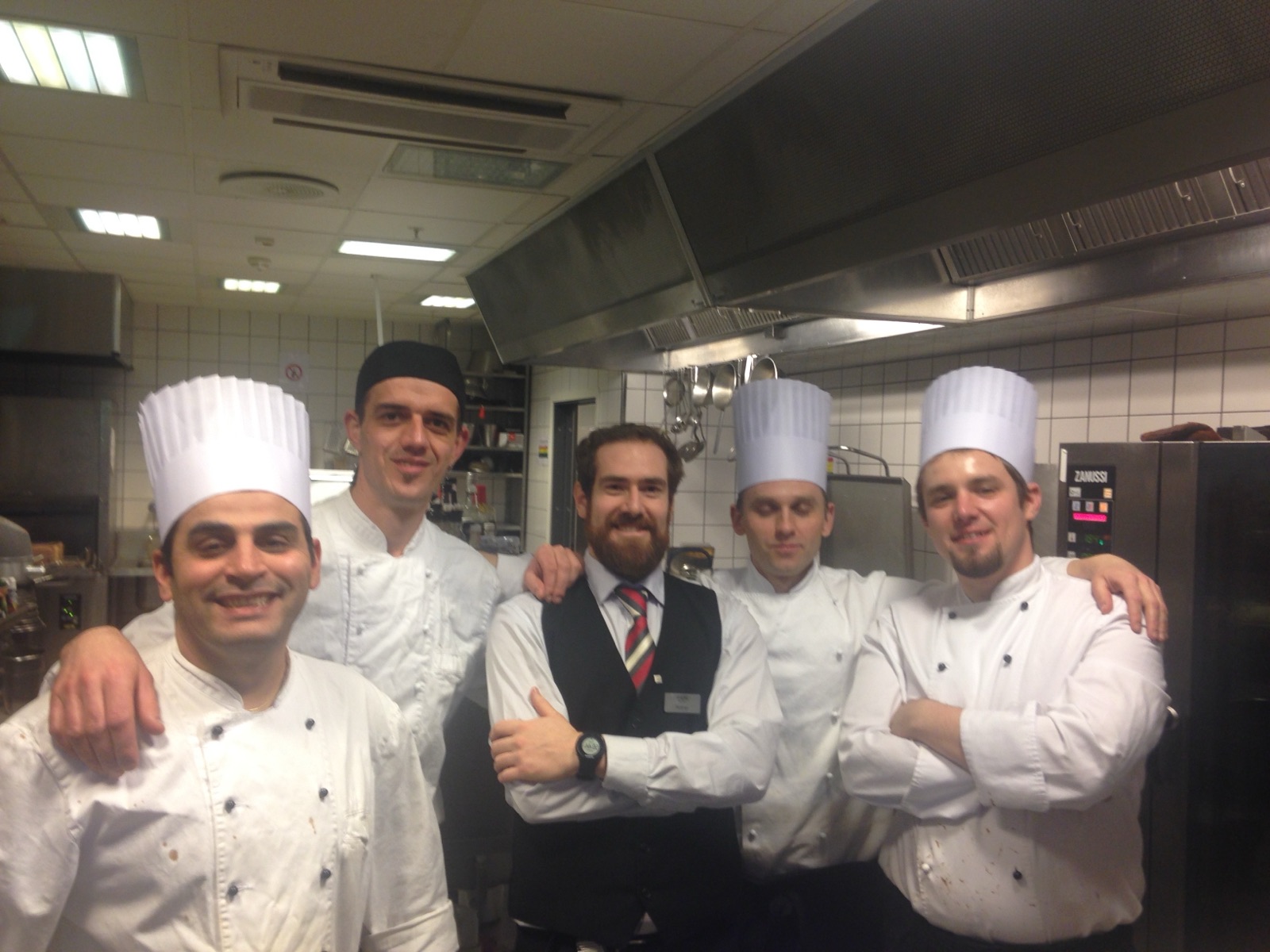
On the 22nd we took the goodbye photograph in the kitchen, me in waistcoat and tie with my arms around five cooks in white, all of us laughing.
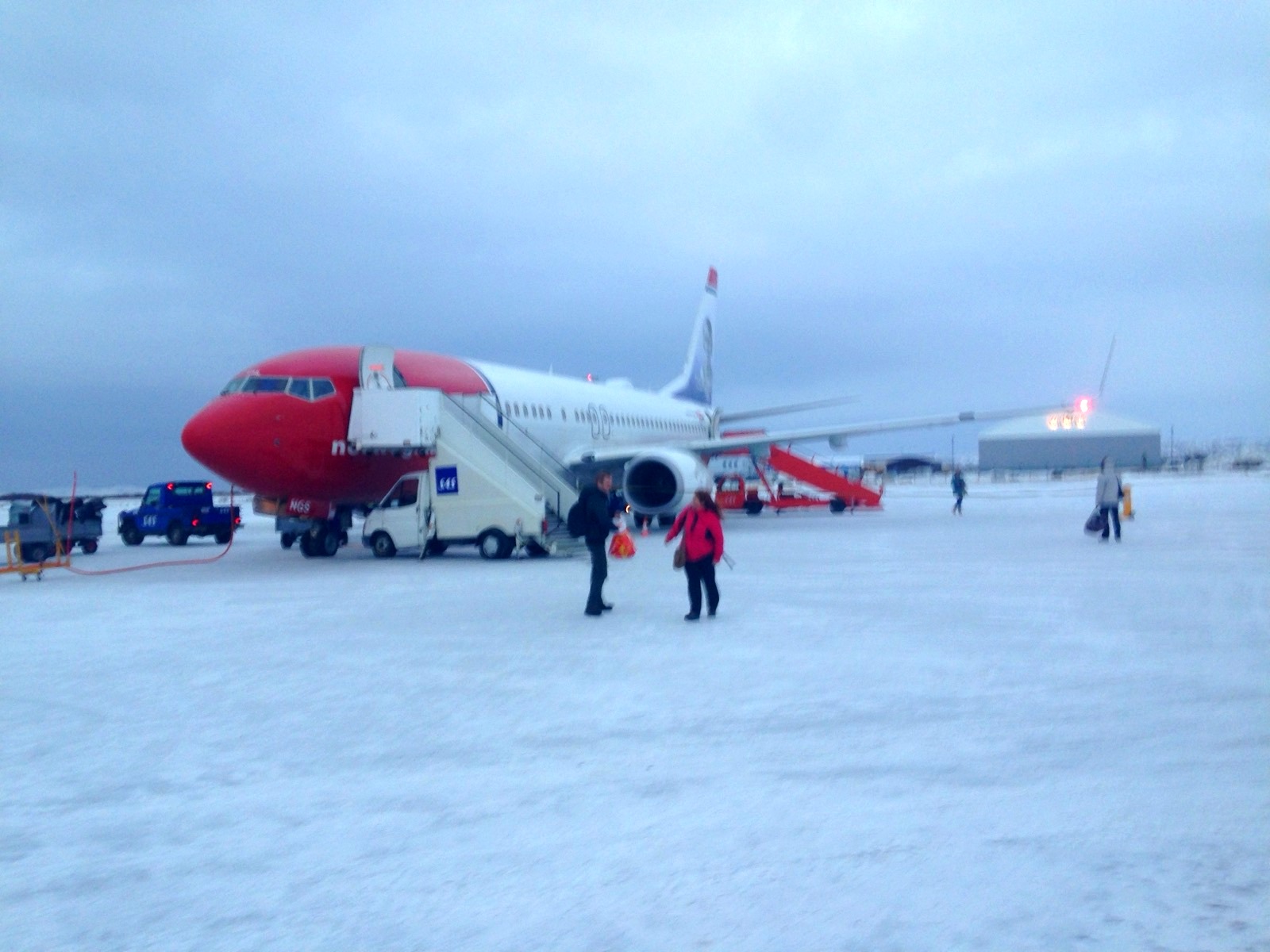
On 24 March I walked across the snow-covered apron towards a red Norwegian 737. Half an hour later I took the last photograph of the north from the window: the fjord, the town, the snow, all of it getting small.
And the next day, in Oslo, I took a photograph that next to the others does not look like the same trip: a white goat kid, ears up, with a little beard of its own, lying in the grass. Green grass.
It was hard. Not having the sun changes something inside you that is difficult to explain. I did no exercise, ate terribly, put on ten kilos and worked for months in a job I did not want. But I saved almost all the money I needed.
California, a BMW F800 GS, and no idea what I was doing.
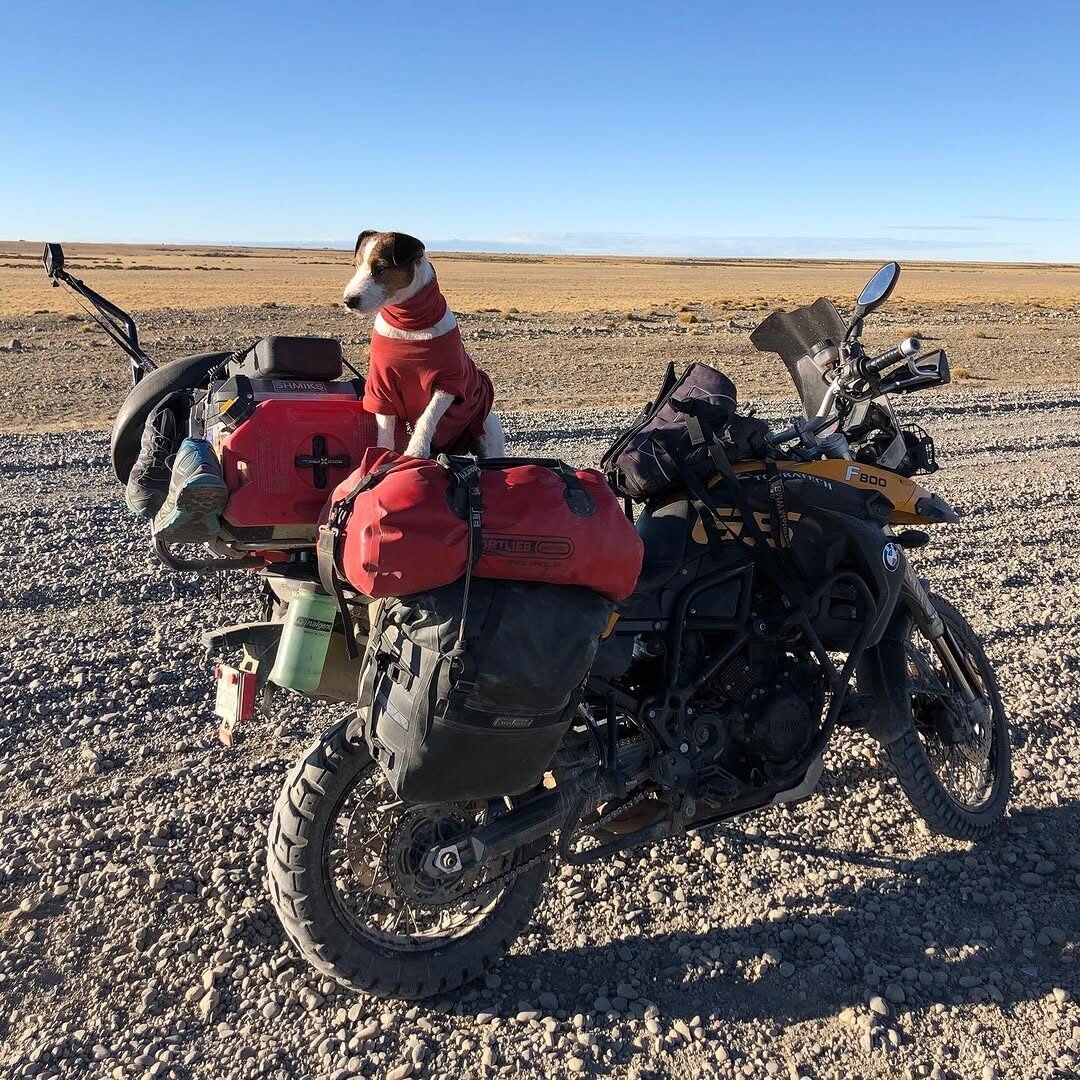
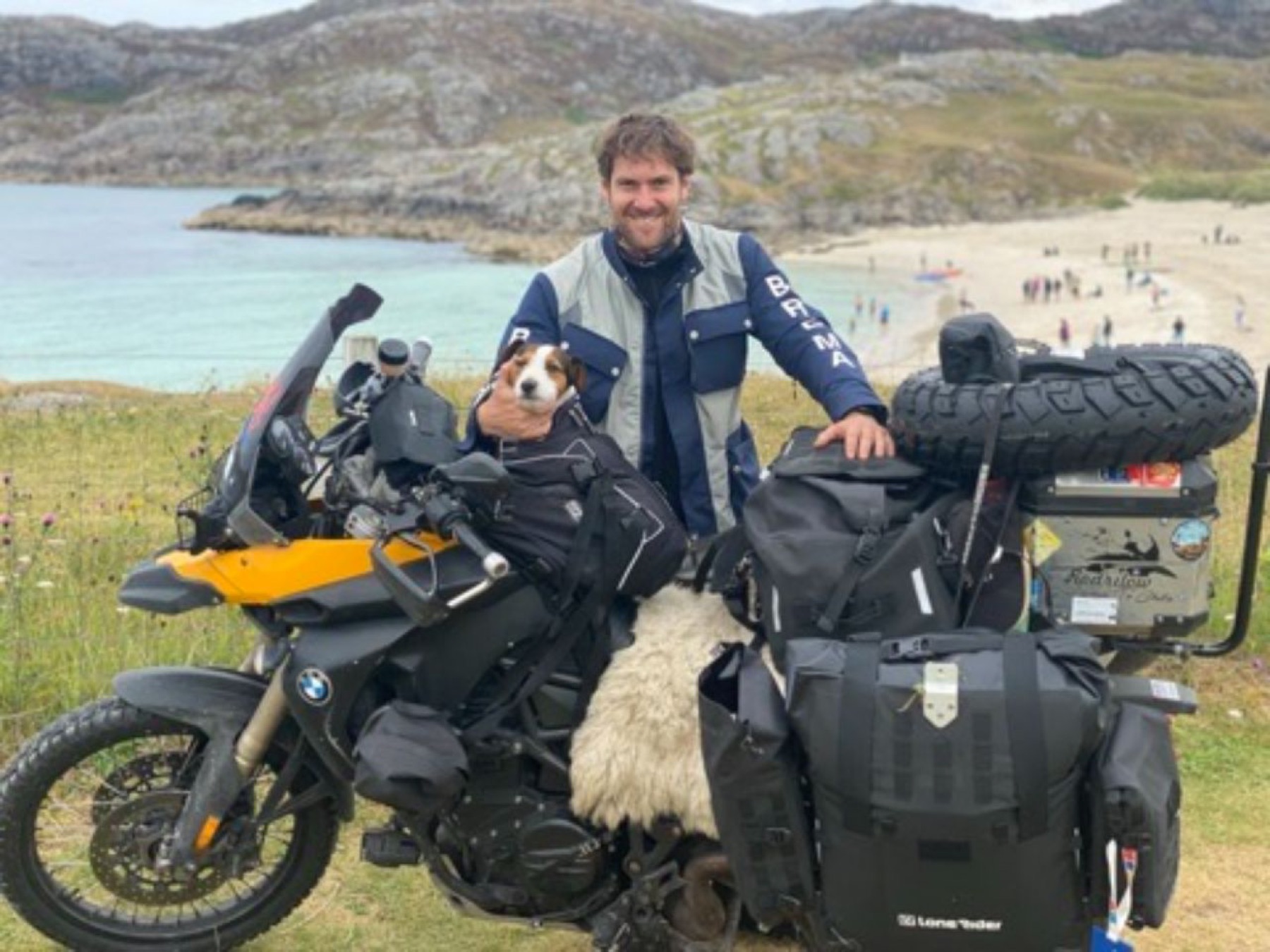
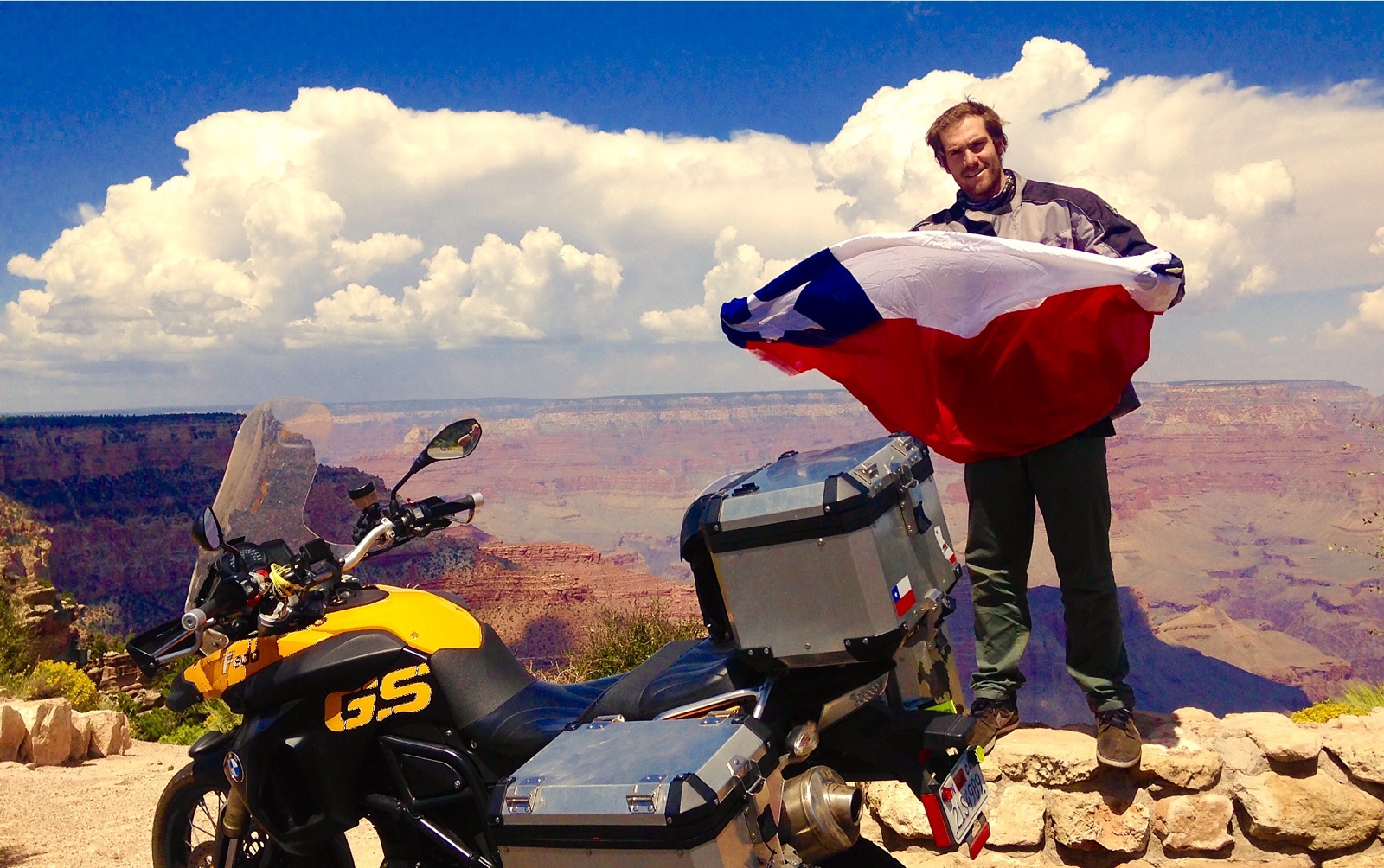
A few months later I moved to California to study, and bought the BMW F800 GS I still ride today. Then I set off across California, Nevada, Utah and Arizona to learn how to ride it.
I knew nothing. I rode in Nike trainers, with no proper kit, a bad tent and far too much weight on the bike, and I learned by falling off. The full account of that is the next field note. What matters here is that the money for it came out of an Arctic winter.
Seven years later I rode into reception.
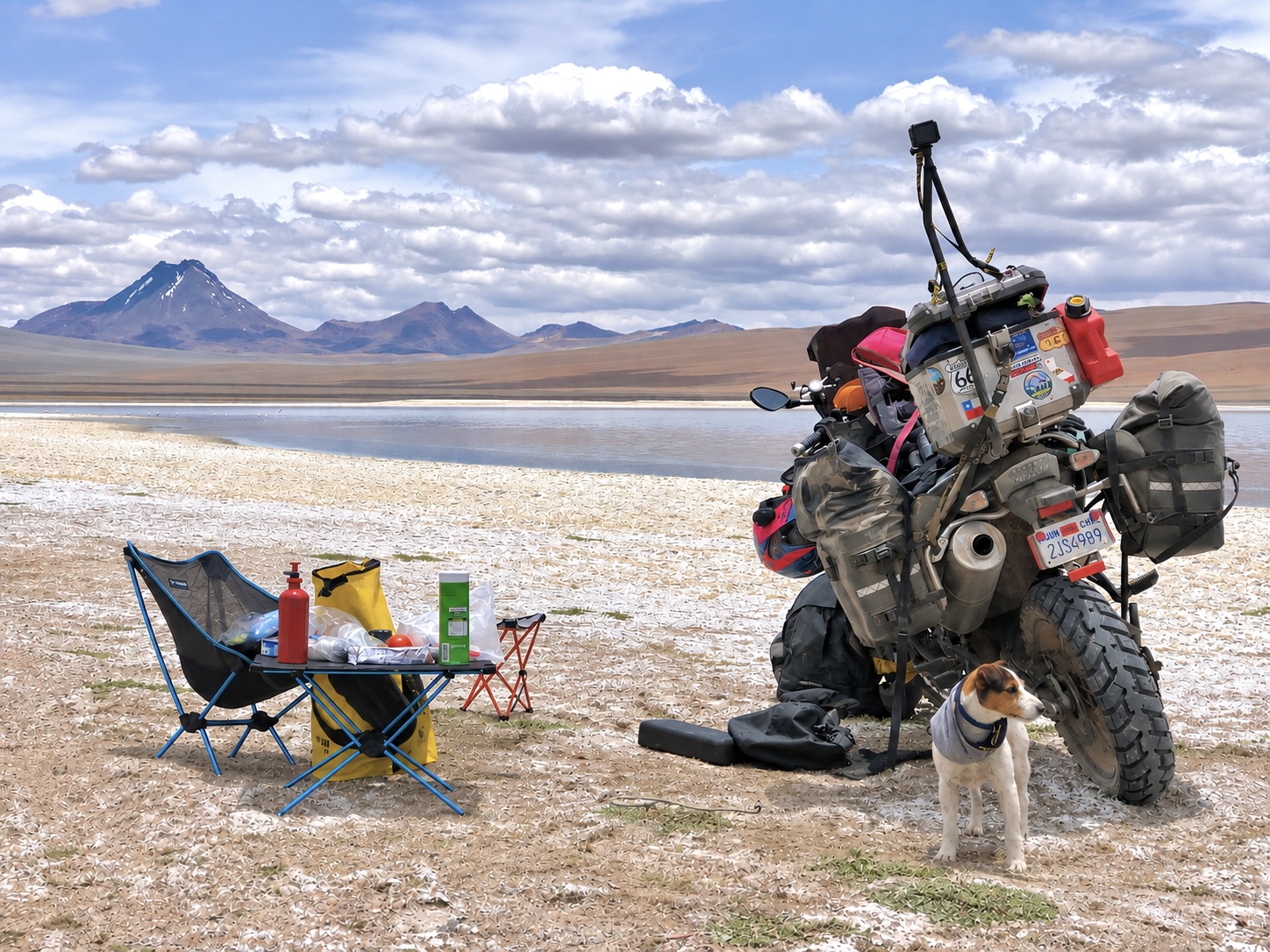
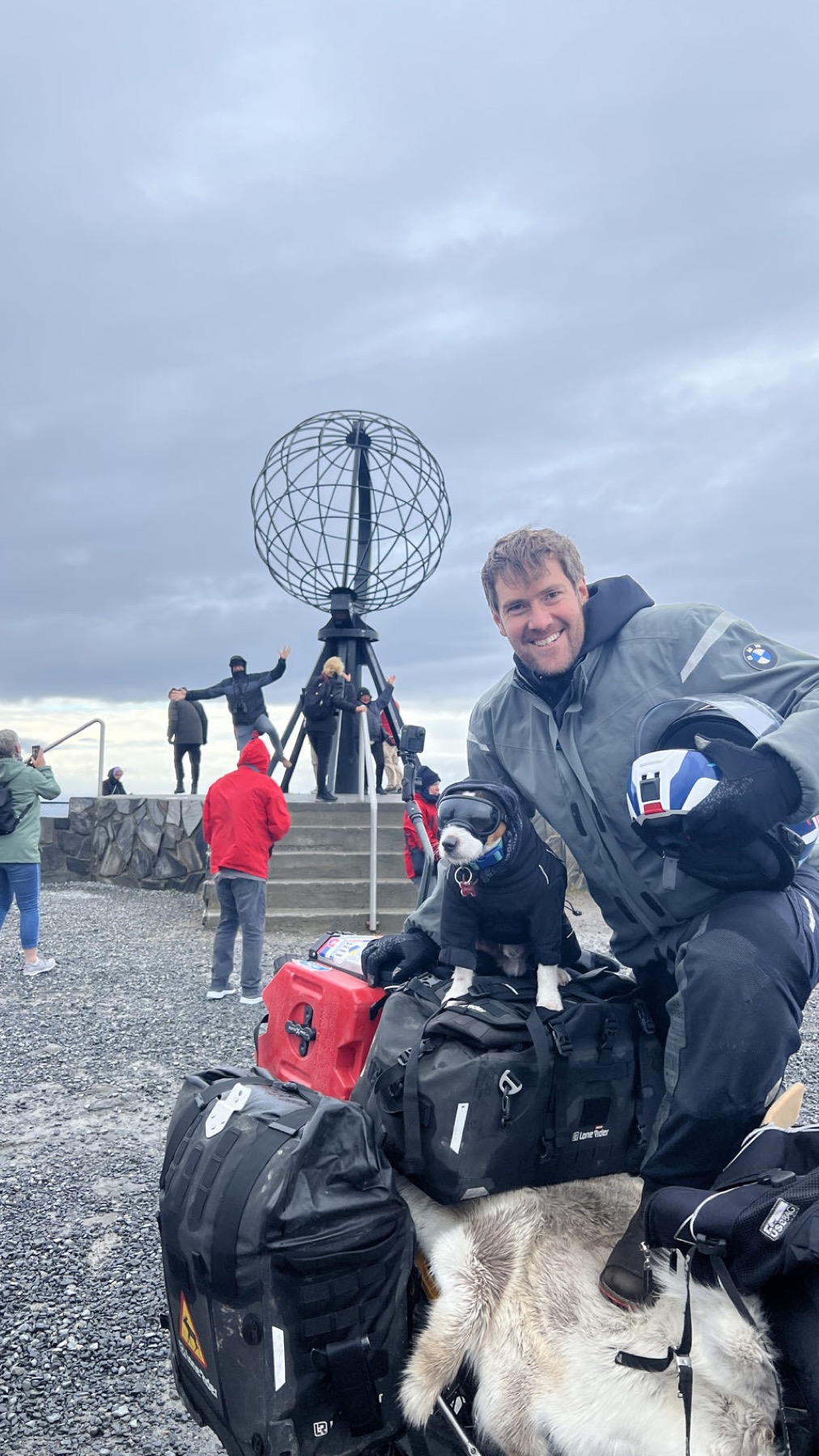
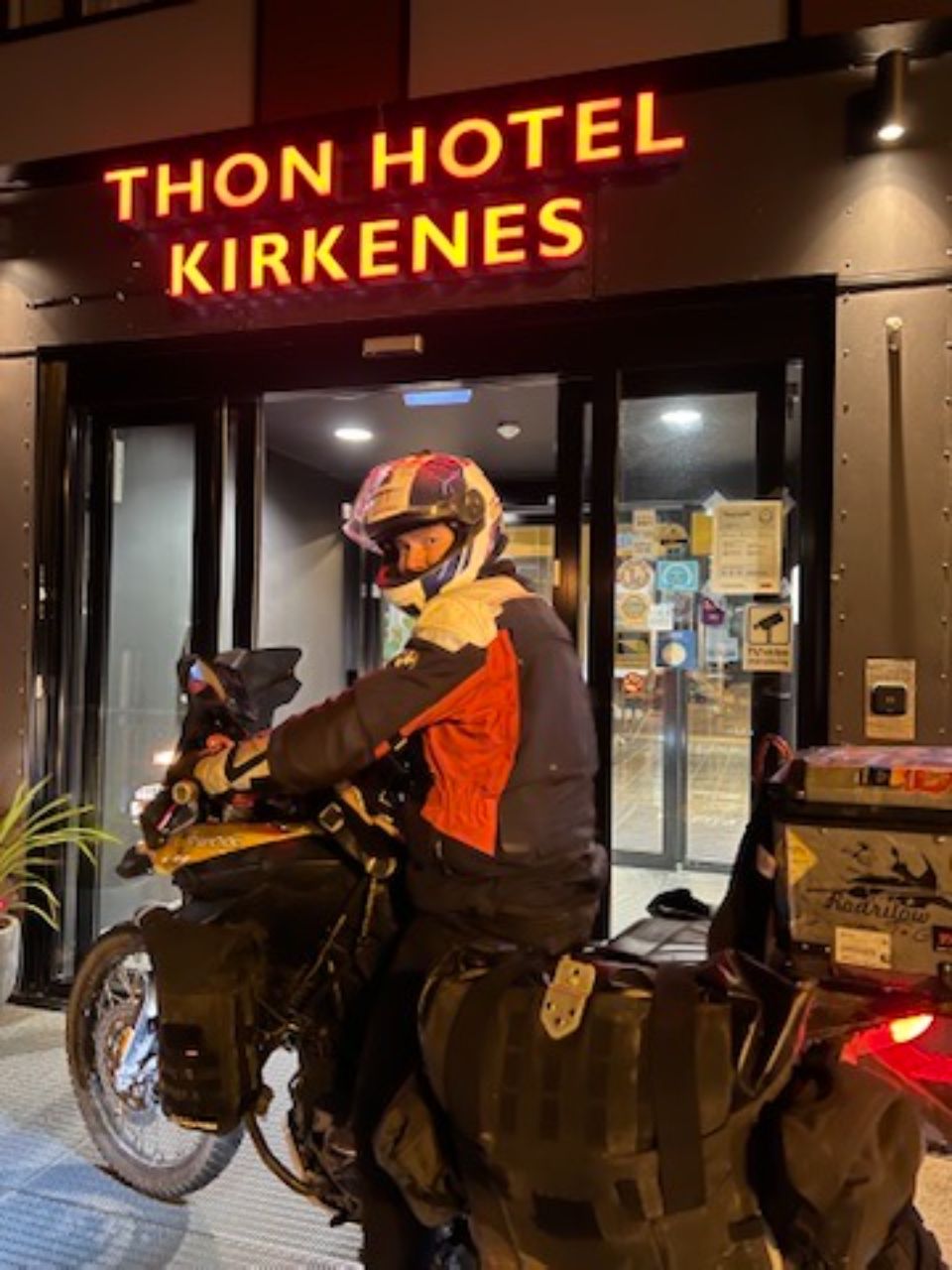
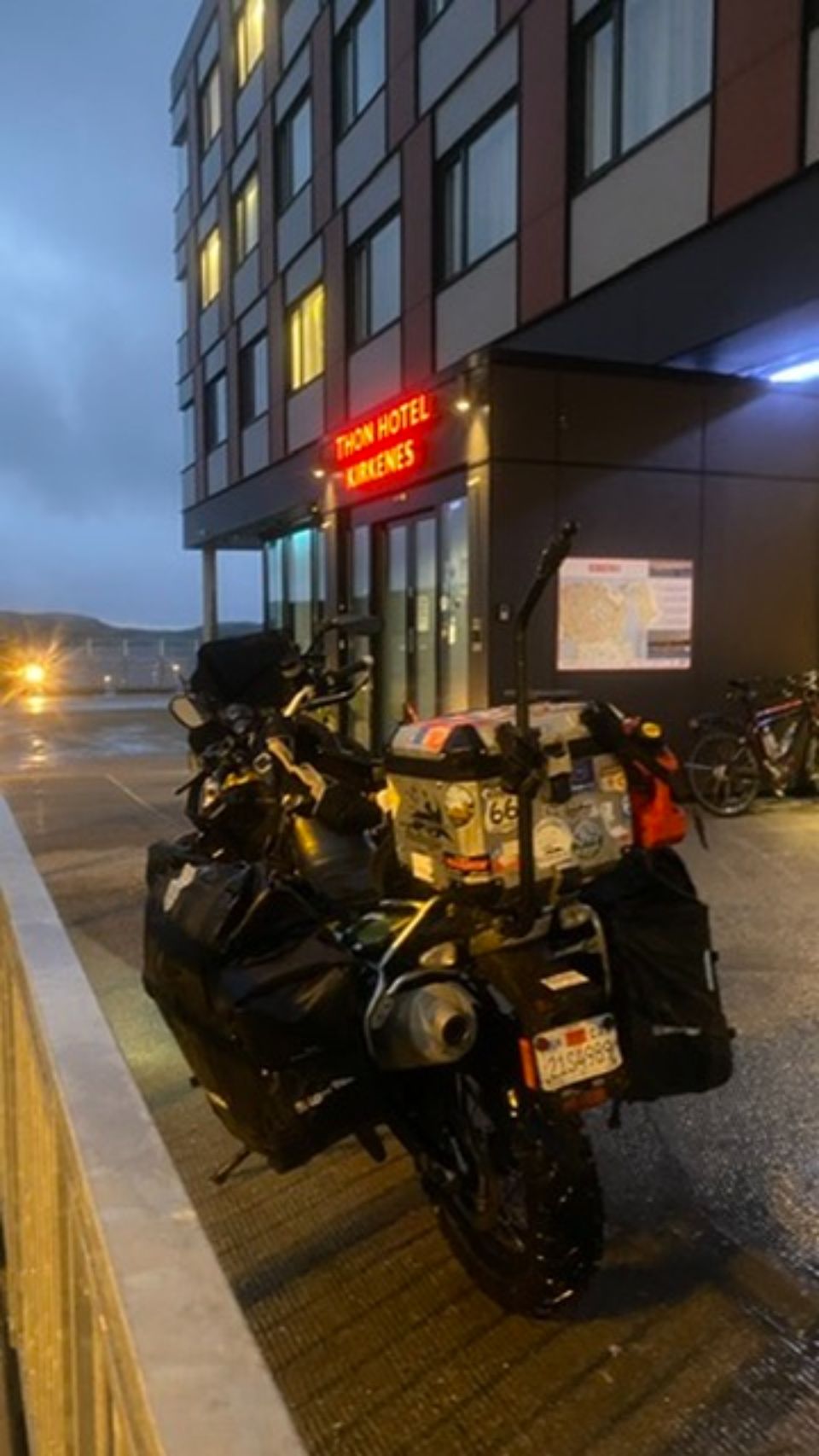
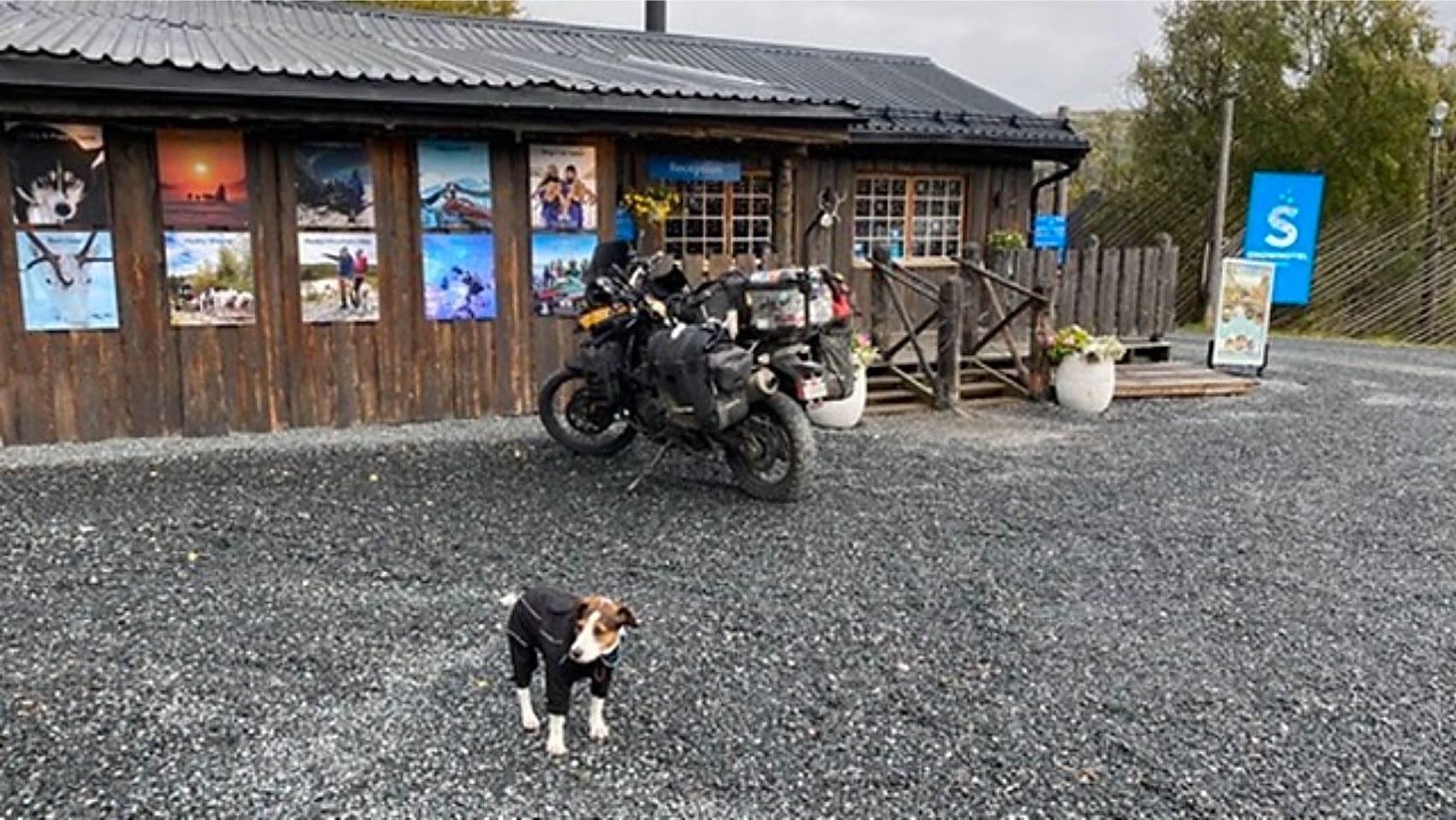
In September 2022, on the third Eurotrip, the road north went through Kirkenes again, and this time I arrived on the motorcycle.
I came back under my own power, from the other side of Europe, with more than fifty countries and two continents behind me and my dog up front. I rode into the reception of the Thon Hotel Kirkenes. Like that, loaded, panniers on and helmet still on my head, underneath the same red sign I had looked at every day for four months in the worst winter of my life.
The ones still on the team could not believe it. Because when I worked there and said I was going to buy a motorcycle and ride around the world, my colleagues laughed. Nobody believed me. I was the Chilean who washed dishes and talked about motorcycles.
Seven years later I came back and proved it to them. My word was worth gold.
Murmansk was two hours away and I did not go. The plan had been to carry on and keep the promise, but Lucas was waiting on the Finnish side and my brother Tomas at Rovaniemi, so I turned west instead. It is still owed.
Seven years later I came back and proved it to them. My word was worth gold.
The field archive
45 more frames from the road
Everything else from the folder, in the order it was taken.
161718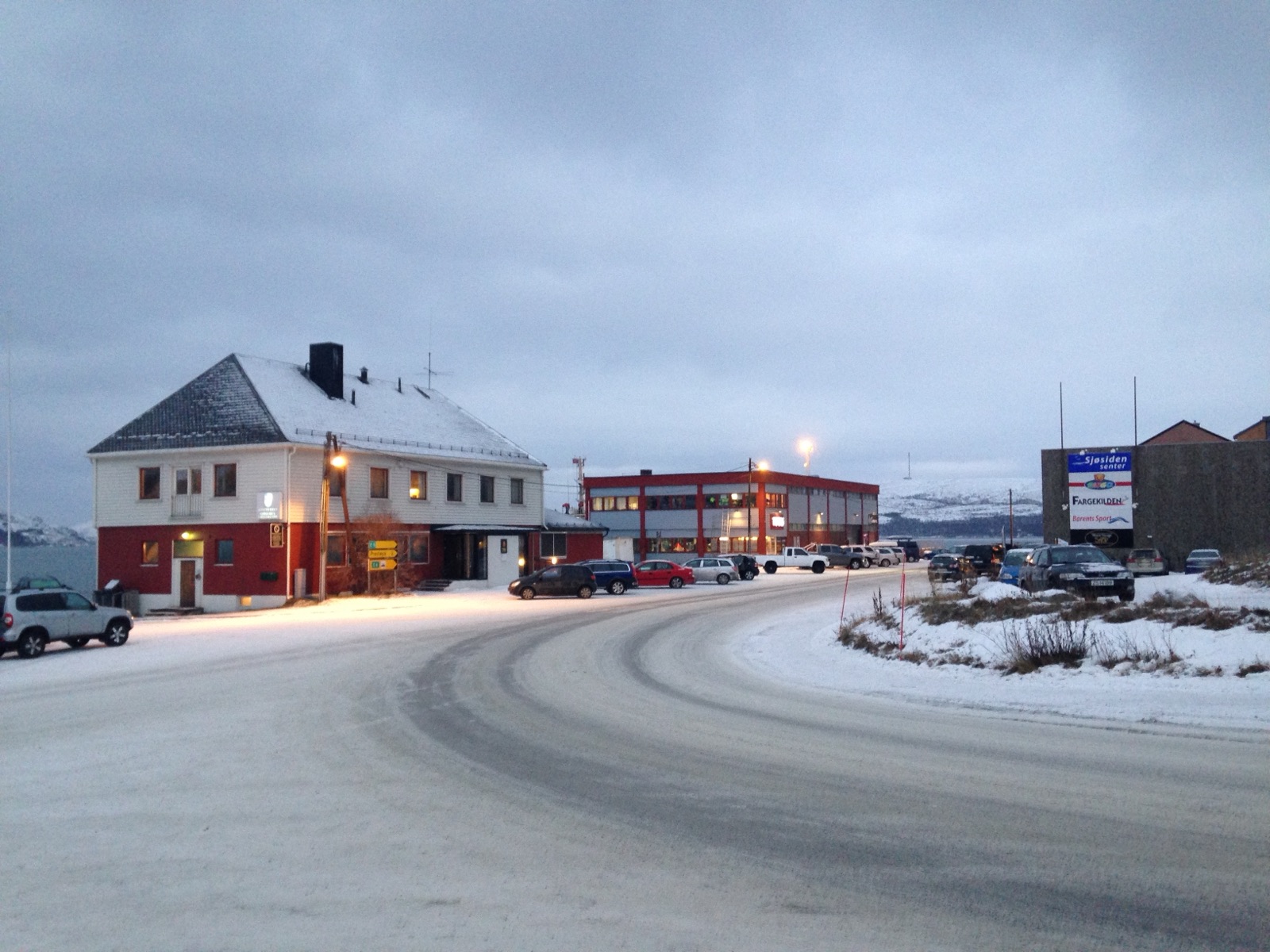 19
19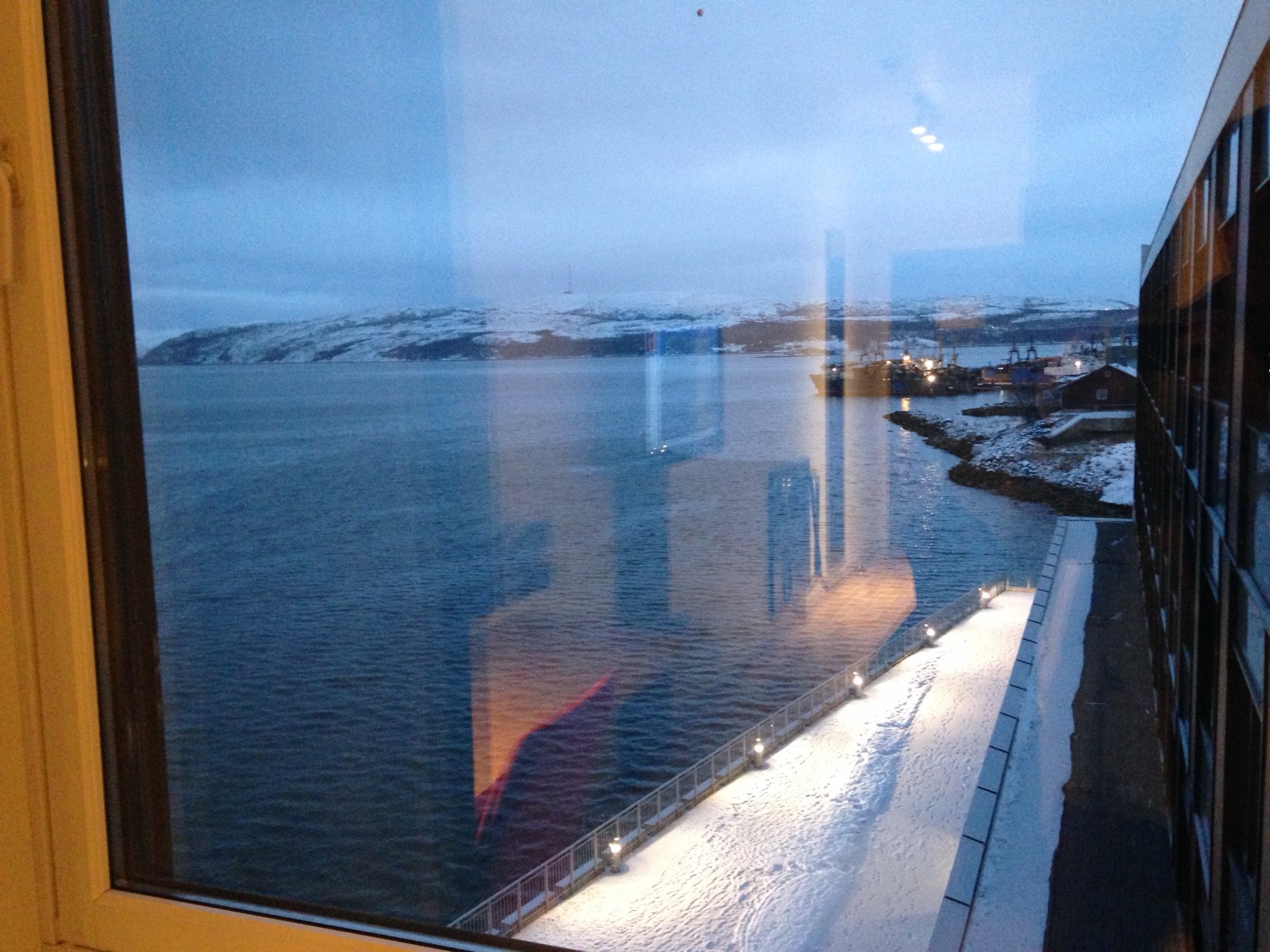 20
20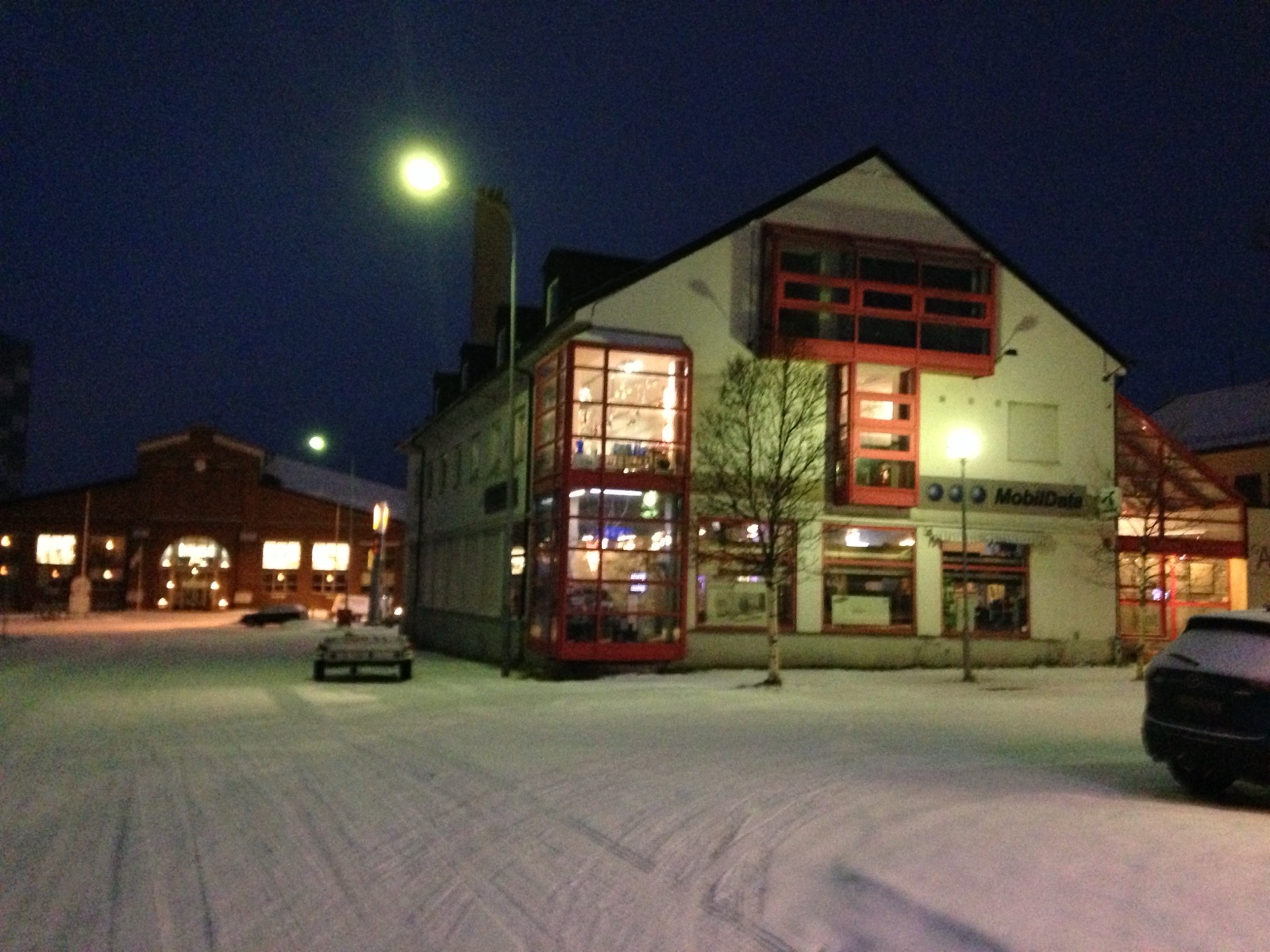 212223
 24
24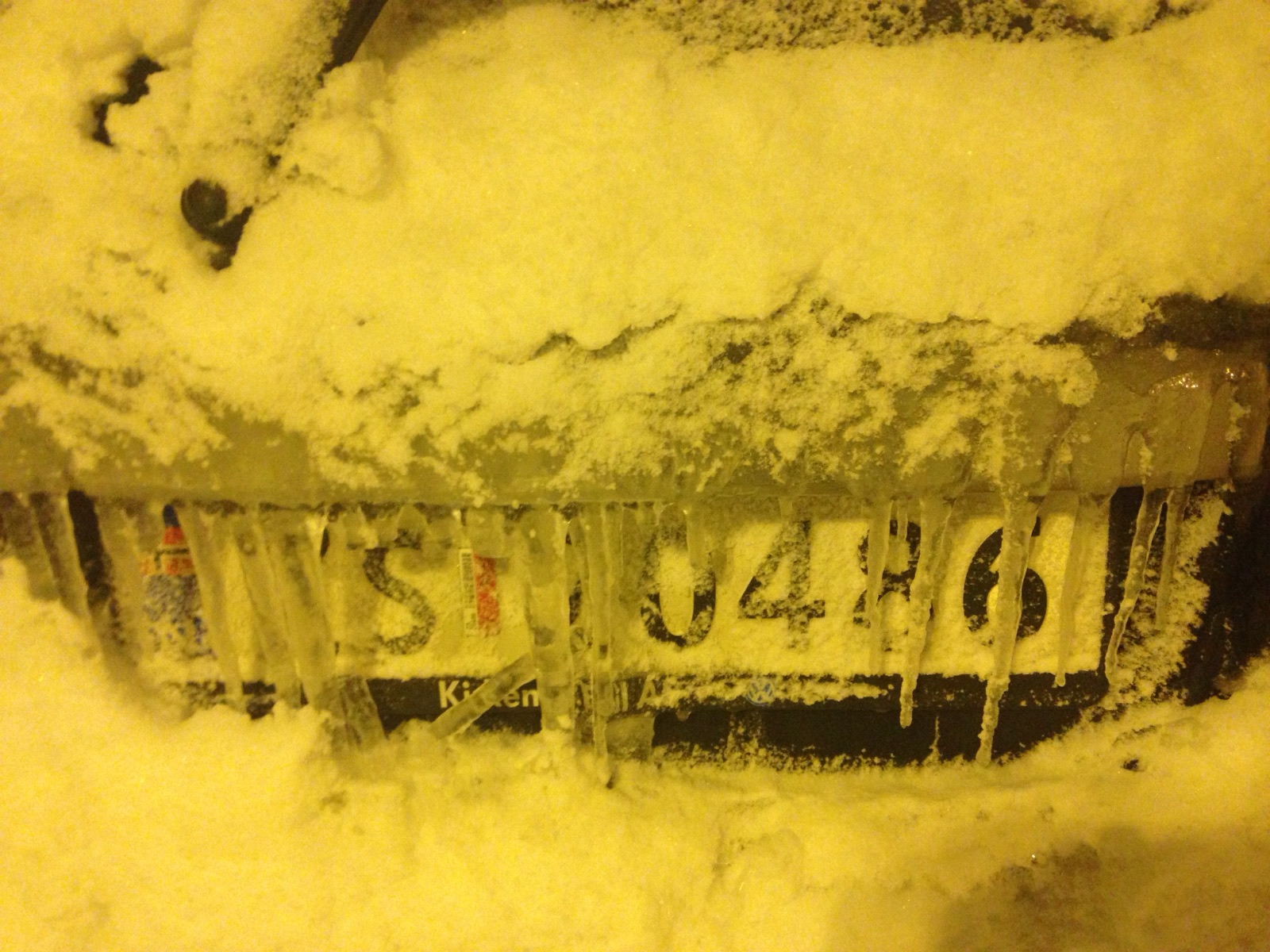 2526
2526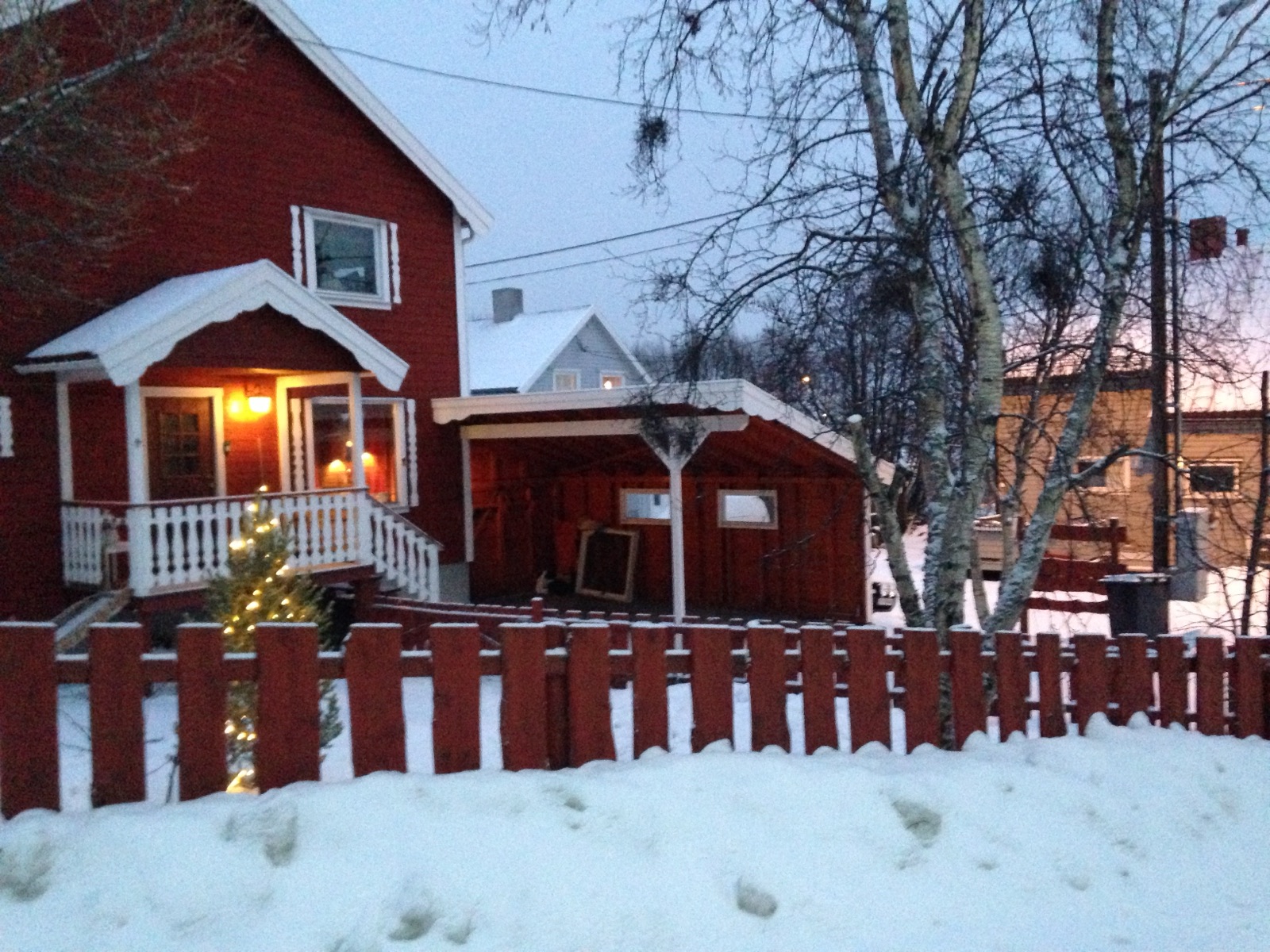 27
27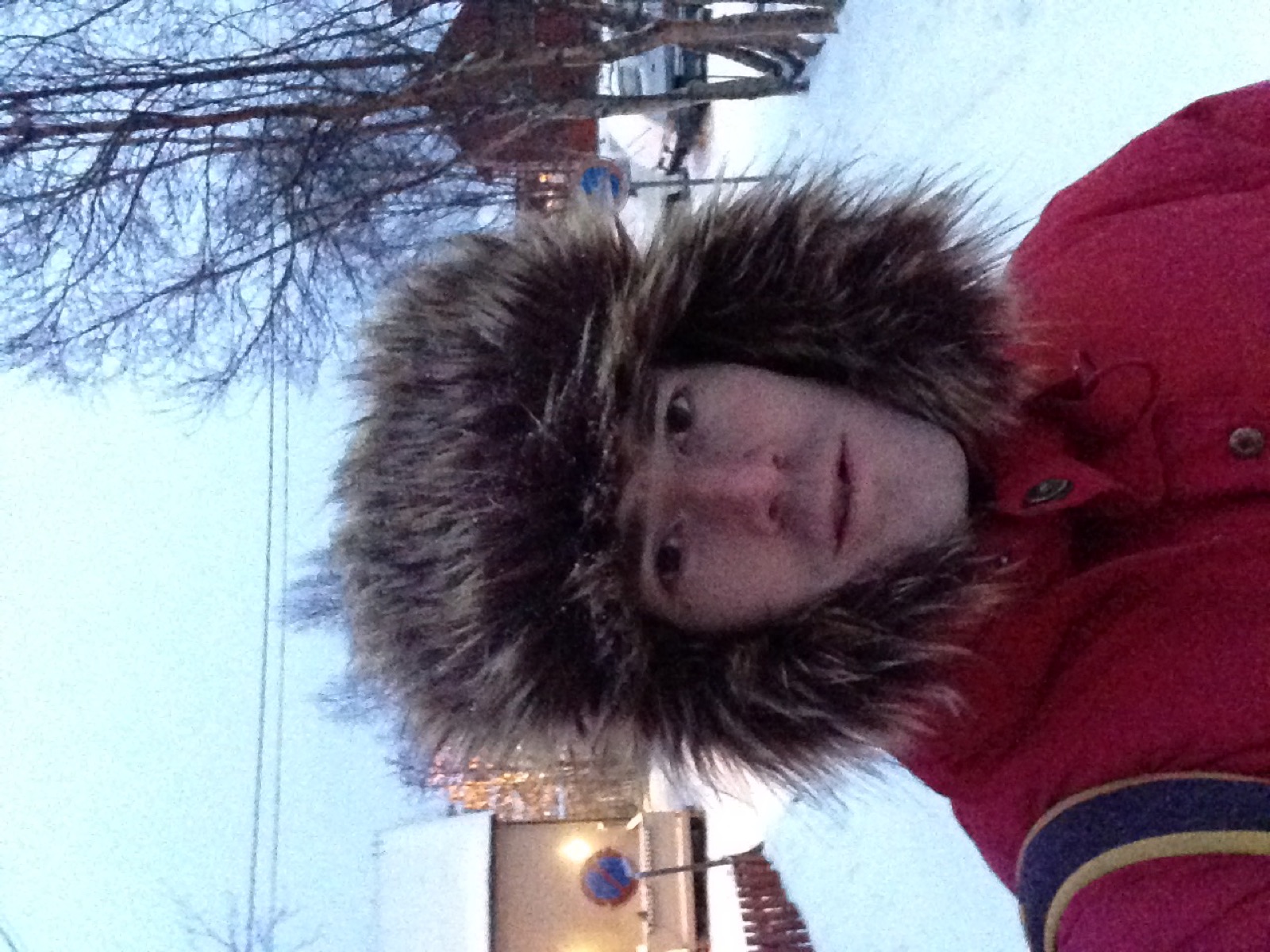 2829303132333435
 36
36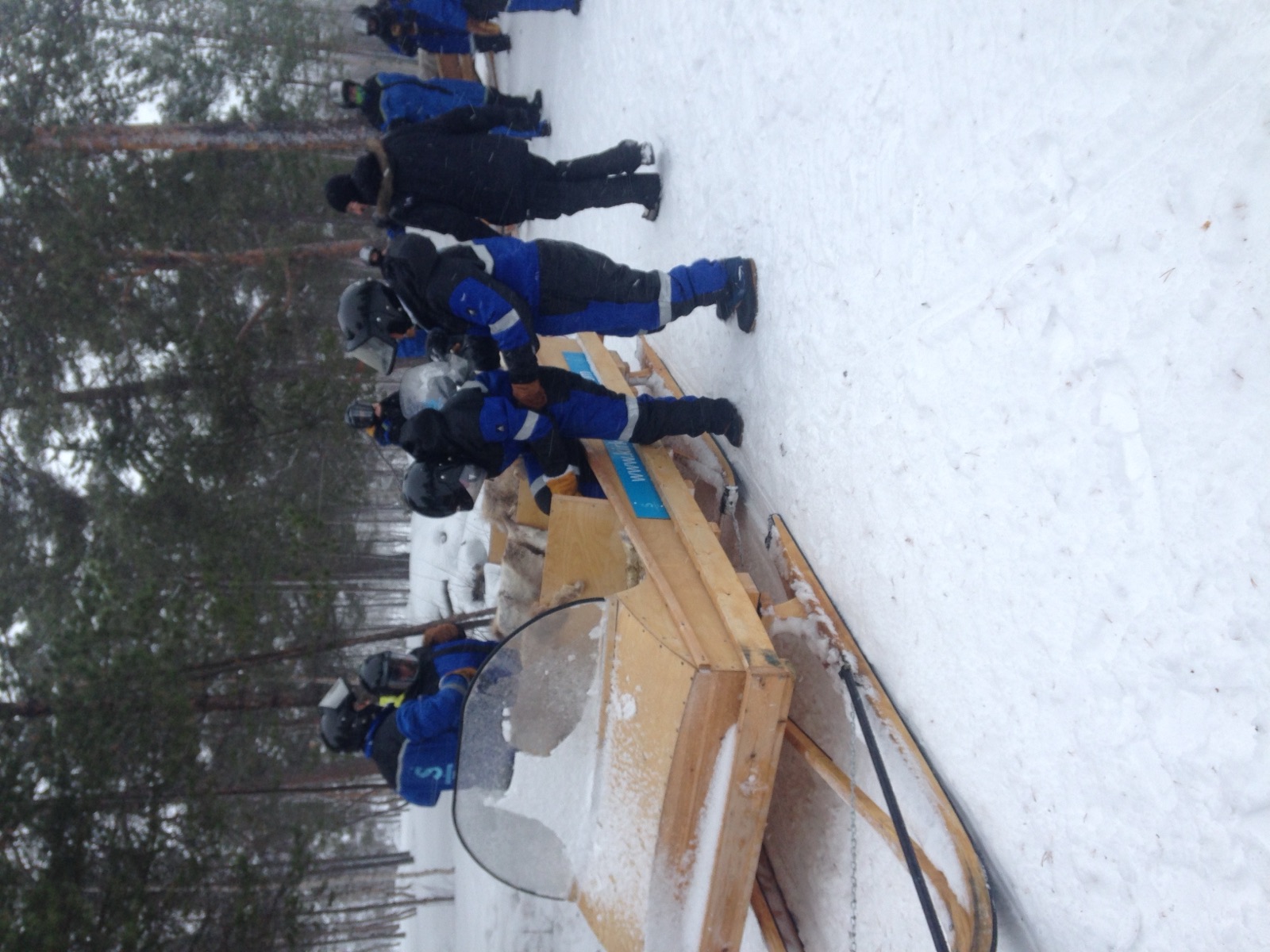 3738
3738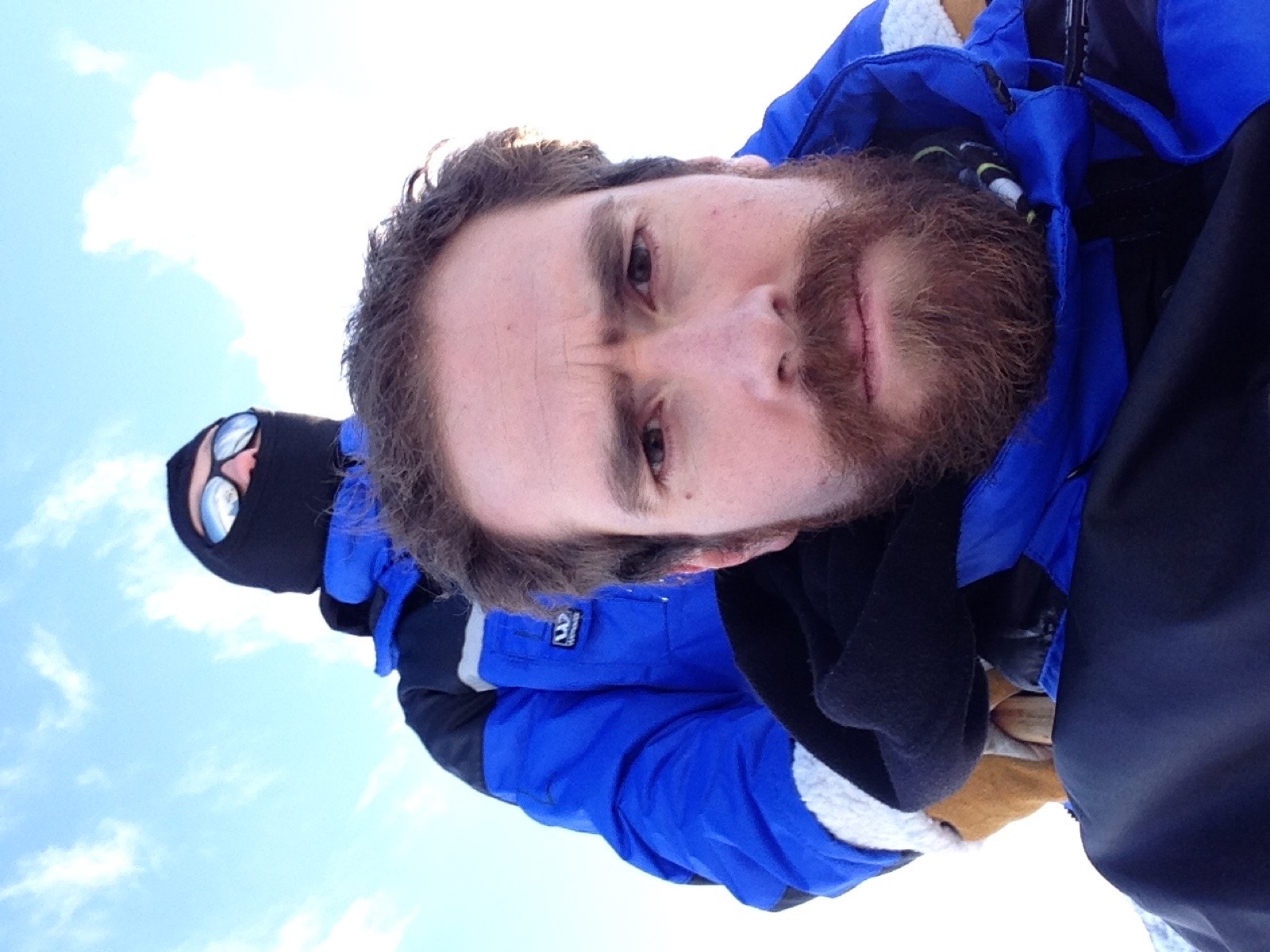 39
39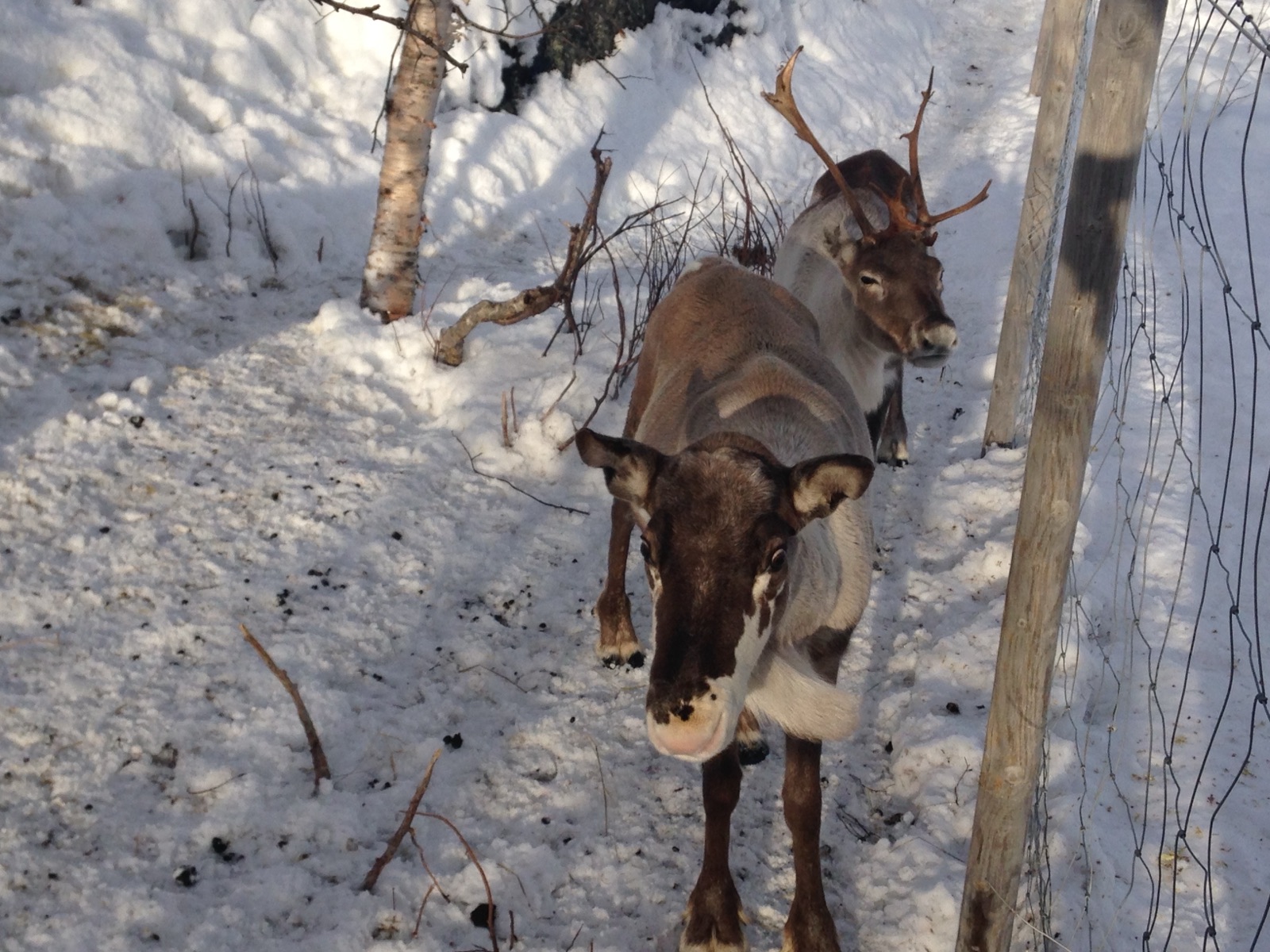 40414243
 44
44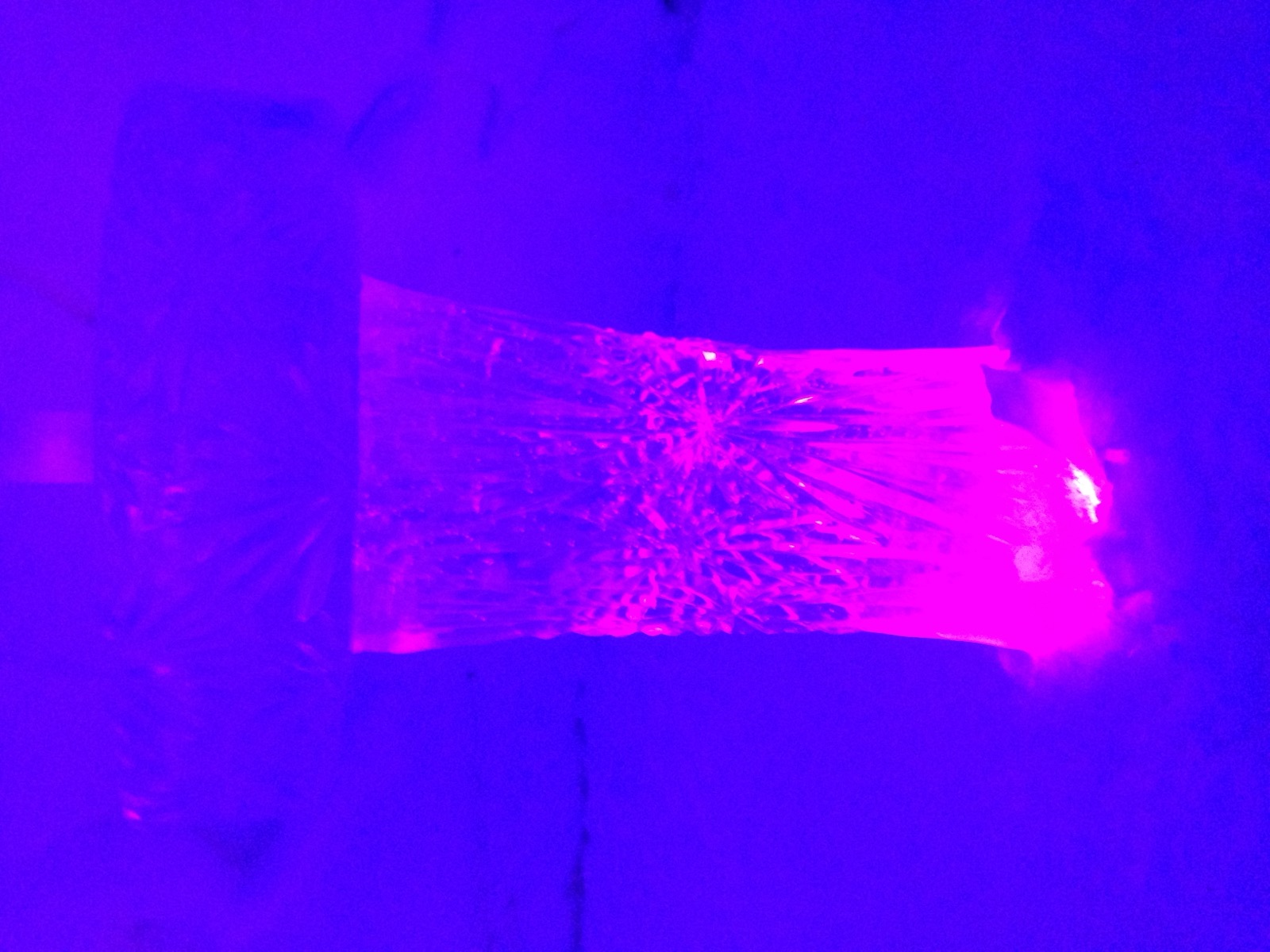 45
45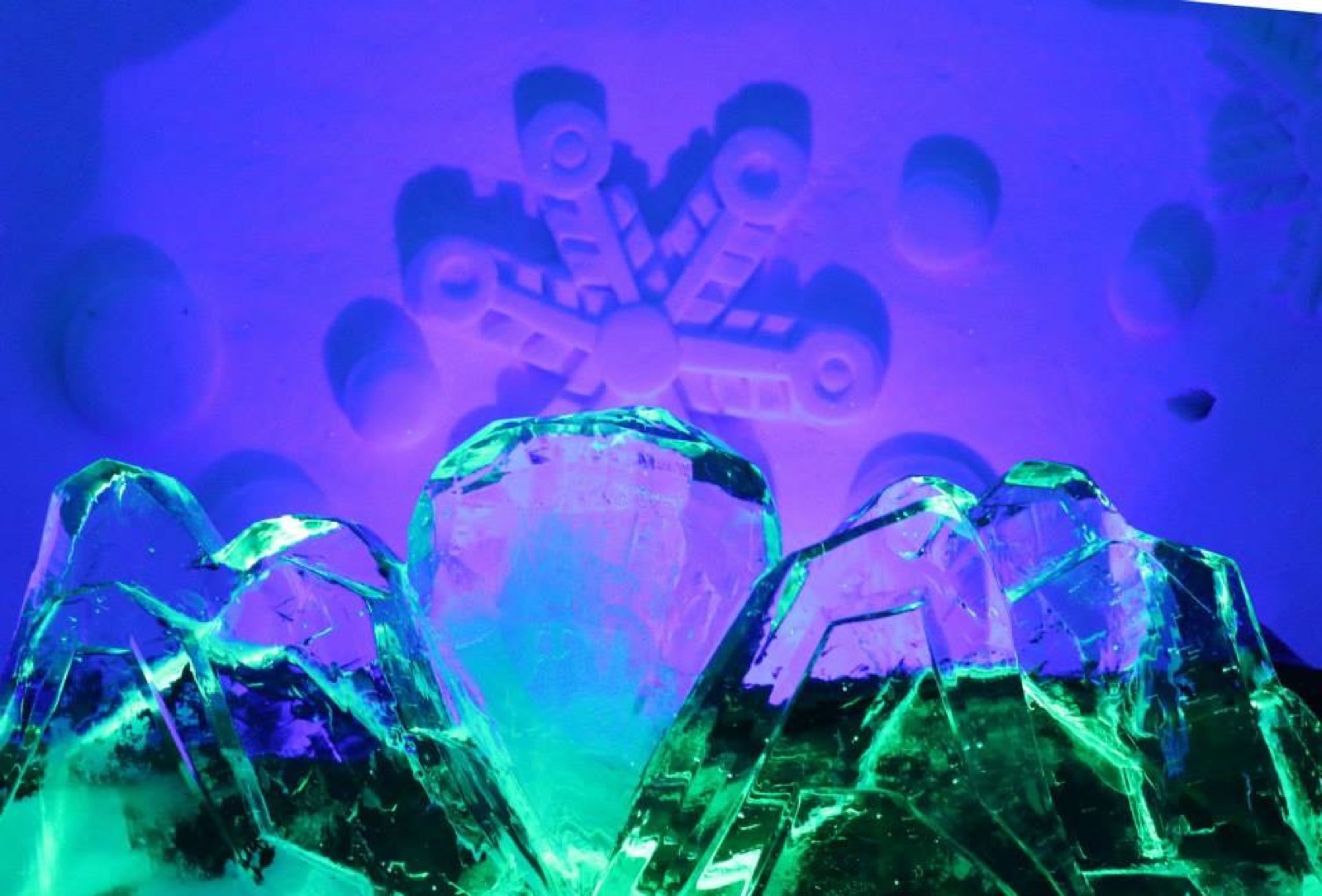 464748
 4950
4950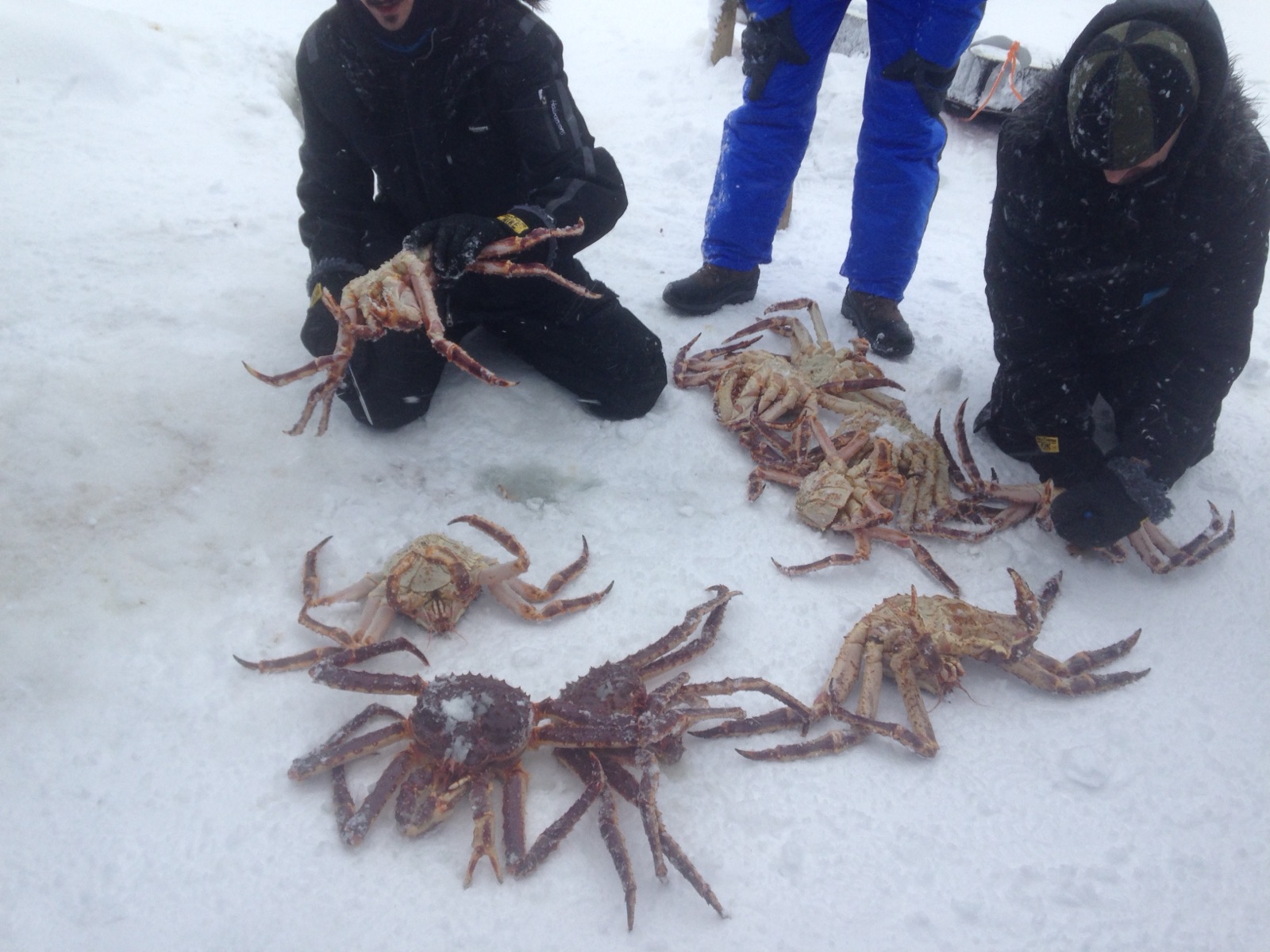 51
51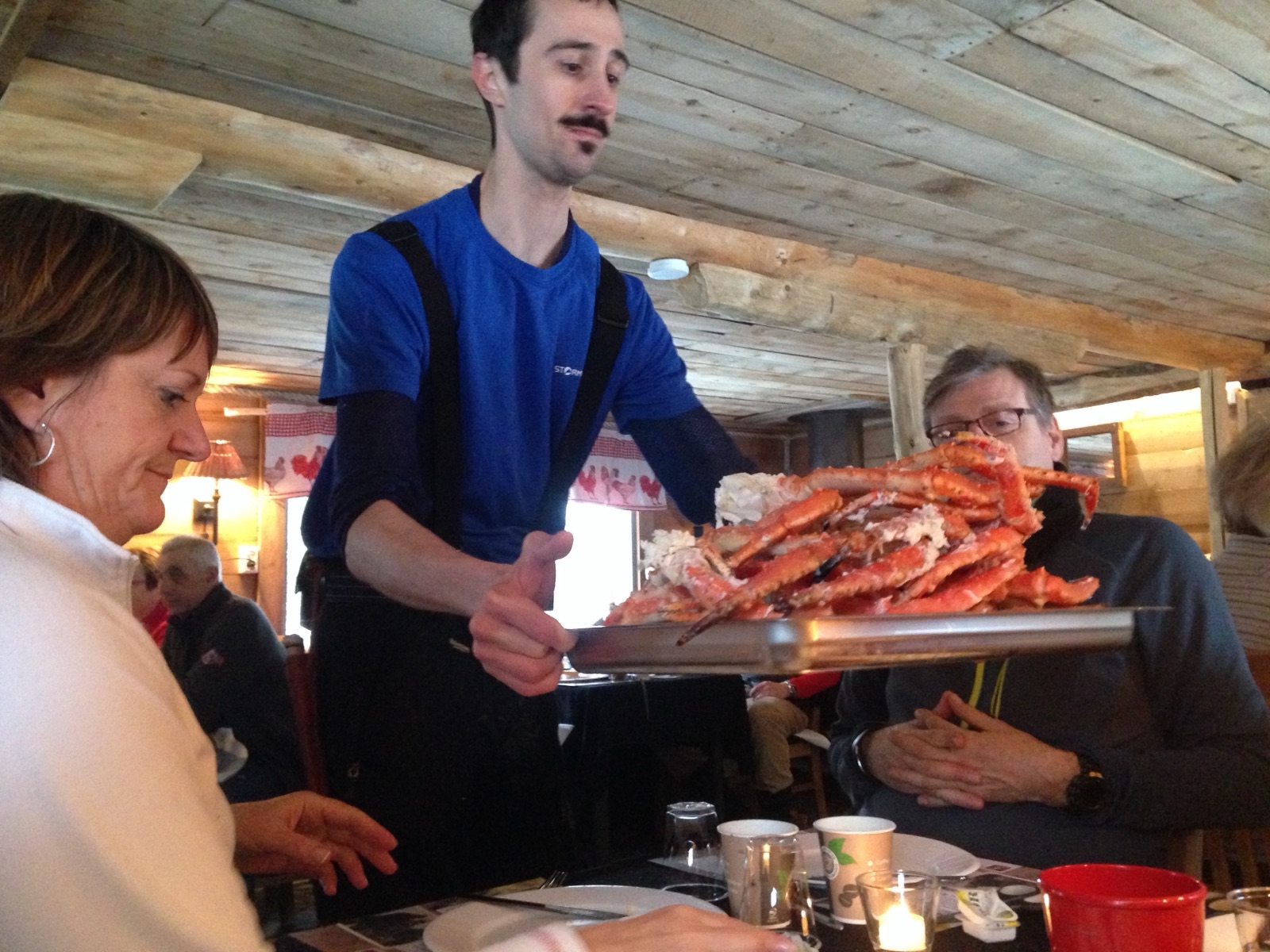 52
52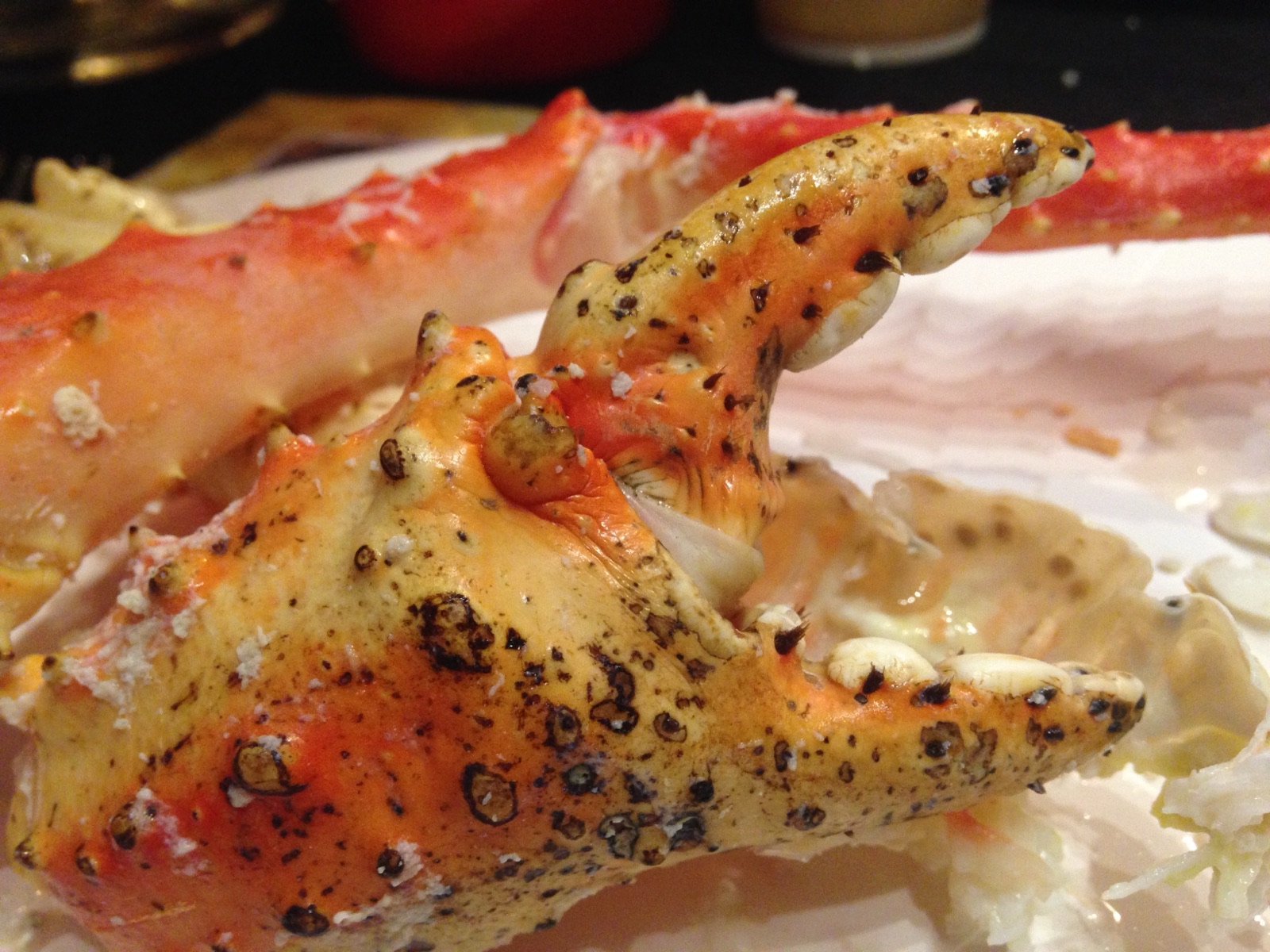 535455
 56
56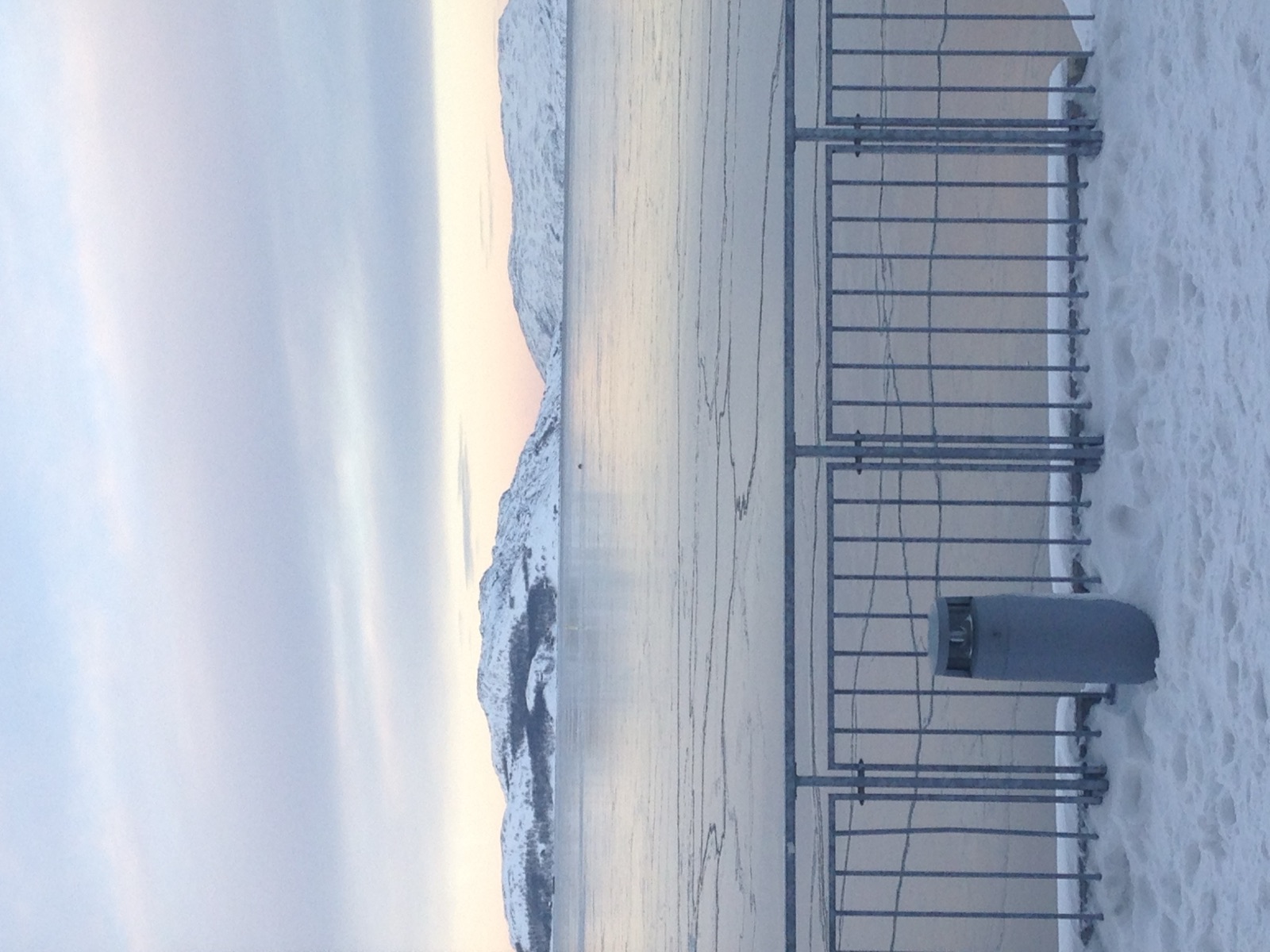 5758
5758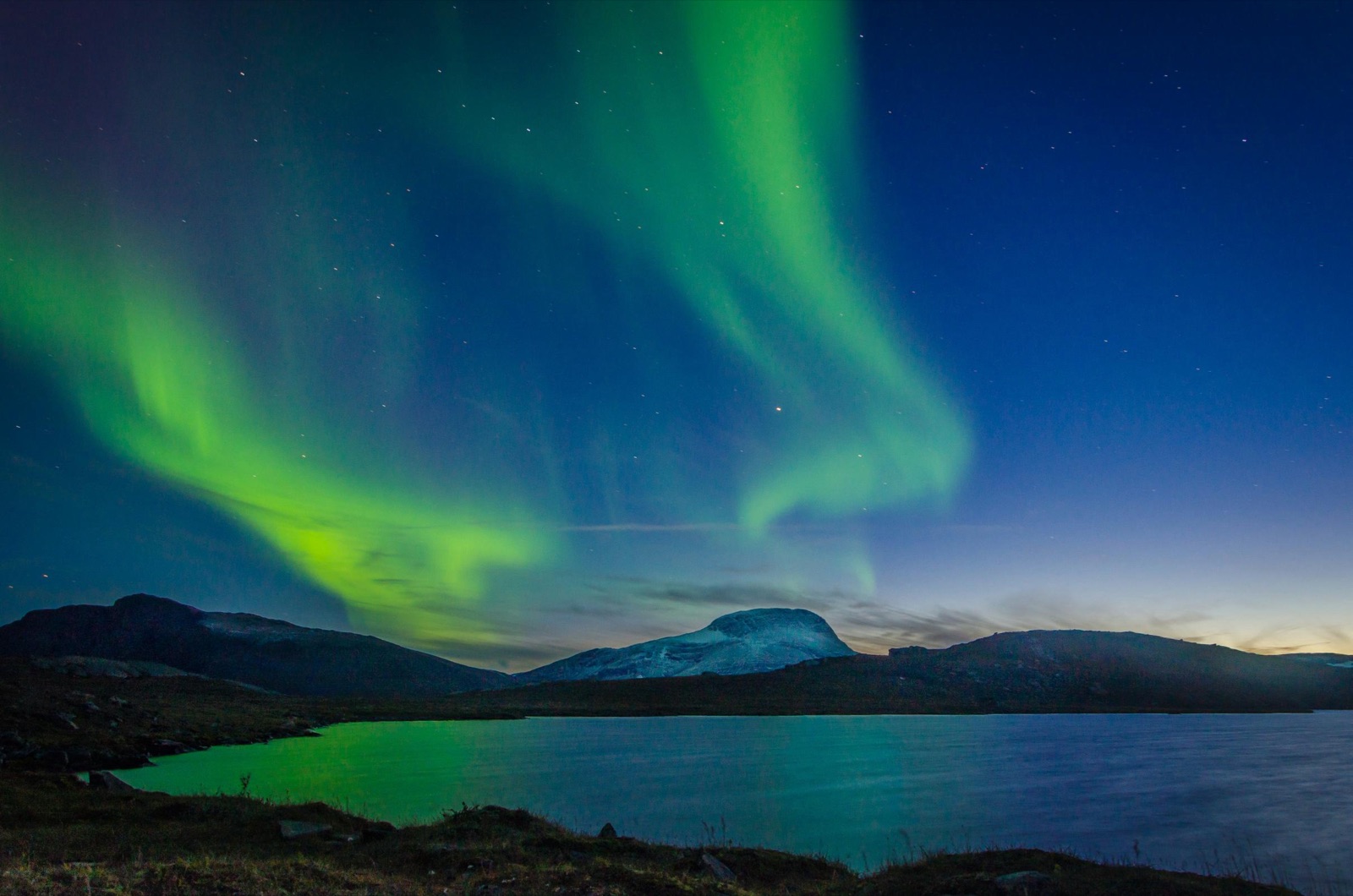 59
59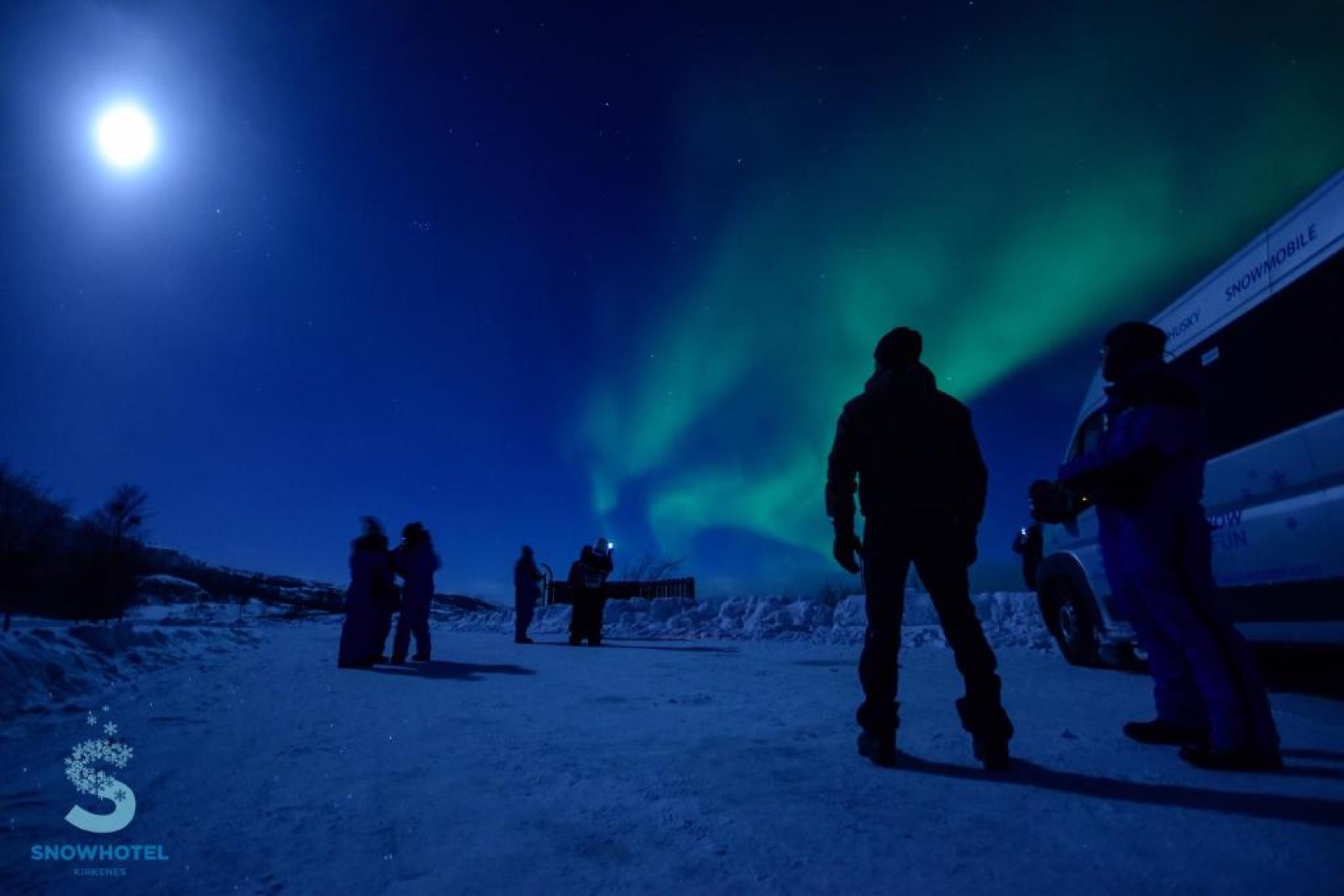 60
60